Is 000 lbs Heavy for a Car Find Out if It Is Too Much
Many drivers wonder if 000 lbs is heavy for a car, and the answer depends on vehicle type, purpose, and manufacturer specs. Understanding your car’s weight helps you make smarter decisions about safety, fuel efficiency, and performance. This guide breaks down everything you need to know about vehicle weight limits, comparisons, and practical tips.
Is 000 lbs heavy for a car? That is a question many drivers ask when they look at their vehicle spec sheet or try to load up for a road trip. The truth is, car weight is not a one-size-fits-all number. What feels heavy in one vehicle might be perfectly normal in another.
Understanding your car’s weight matters more than most people realize. It affects your fuel economy, safety, handling, and even how long your tires and brakes last. Whether you are hauling gear, towing a trailer, or just curious about what your scale reads, knowing where 000 lbs falls on the spectrum can save you money and headaches.
In this guide, we will break down everything about vehicle weight. You will learn how manufacturers measure it, what the numbers mean for your daily drive, and how to tell if your car is carrying too much. Let us dive in.
Key Takeaways
- Average car weight varies widely: Most passenger cars range from 2,500 to 4,500 lbs depending on size and build.
- 000 lbs can be heavy or normal: It all depends on the vehicle class, engine type, and intended use.
- Excess weight hurts fuel economy: Every extra 100 lbs can reduce your miles per gallon by up to 1%.
- Check your owner’s manual: Manufacturers provide precise weight ratings for safe operation.
- Payload and towing limits matter: Overloading your vehicle creates safety risks and mechanical strain.
- Weight affects handling and braking: Heavier vehicles need more distance to stop and may handle differently.
- Electric and hybrid cars add weight: Battery packs can add hundreds of pounds to the total curb weight.
📑 Table of Contents
- What Does 000 lbs Mean for a Vehicle?
- How Car Weight Is Measured and Rated
- Is 000 lbs Heavy for Different Car Types?
- How Excess Weight Affects Your Car
- Quick Tips for Managing Your Vehicle Weight
- Common Mistakes Drivers Make With Vehicle Weight
- Expert Insights on Vehicle Weight and Safety
- How to Find Your Car’s Exact Weight
- Conclusion
What Does 000 lbs Mean for a Vehicle?
When people ask if 000 lbs is heavy for a car, they are really asking about vehicle weight in context. A pickup truck at 000 lbs might be light for its class. But a compact sedan at that same number? That could be a serious problem.
Vehicle weight is measured in several ways. Each method tells you something different about how your car performs on the road.
Curb Weight vs. Gross Weight
Curb weight is the weight of your car with a full tank of fuel but no passengers or cargo. Think of it as the baseline. Gross vehicle weight rating (GVWR) is the maximum safe weight your car can handle, including everything inside and attached to it.
Most passenger cars have a curb weight between 2,500 and 4,500 lbs. SUVs and trucks often weigh more. So when you see 000 lbs on a spec sheet, you need to know which measurement they are using.
Why Vehicle Weight Matters
Your car’s weight directly impacts how it drives. Here are the key areas affected by vehicle mass:
- Fuel efficiency: Heavier cars burn more gas. A lighter vehicle needs less energy to move.
- Braking distance: More weight means more momentum. Your brakes work harder to stop a heavier car.
- Handling and stability: Weight distribution affects how your car corners and rides over bumps.
- Tire wear: Extra load wears down tires faster and can reduce their lifespan.
- Engine strain: A heavy vehicle puts more stress on the powertrain over time.
So is 000 lbs heavy for a car? The answer depends entirely on what kind of car you are talking about and what the manufacturer designed it to carry.
How Car Weight Is Measured and Rated
Every vehicle comes with weight ratings from the manufacturer. These numbers are not suggestions. They are engineering limits based on crash testing, suspension design, and safety standards.
Understanding GVWR and Payload Capacity
The gross vehicle weight rating is the absolute maximum weight your car can safely be. This includes the vehicle itself, all passengers, cargo, fuel, and any trailer tongue weight.
Payload capacity is the weight you can safely add to the curb weight. If your car weighs 3,500 lbs curb and has a GVWR of 5,000 lbs, your payload is 1,500 lbs. That covers people, groceries, luggage, and anything else you carry inside.
Towing Capacity vs. Payload
Do not confuse towing capacity with payload. Towing is the weight your car can pull behind it on a trailer. Payload is the weight you carry inside the vehicle. Both matter, but they are different numbers with different limits.
If you are at 000 lbs total weight, you need to know whether that is curb weight, loaded weight, or towing weight. Each scenario has different implications for your vehicle’s health and safety.
Weight Distribution and Axle Ratings
How weight is spread across your car matters just as much as the total number. Too much weight on the rear axle can make the front end light and cause poor steering response. Too much weight up front can overwork the front brakes and suspension.
Manufacturers set axle weight ratings to ensure each axle can handle its share of the load. Exceeding these limits is dangerous and can lead to mechanical failure.
Is 000 lbs Heavy for Different Car Types?
Let us look at how 000 lbs stacks up across different vehicle categories. This gives you a real-world sense of whether that weight is light, average, or heavy.
Compact Cars and Sedans
Most compact sedans weigh between 2,500 and 3,200 lbs. A compact car at 000 lbs would be unusually heavy. It might indicate extra features, a larger engine, or possibly overloading.
If your sedan is hitting 000 lbs with passengers and cargo, you could be exceeding safe limits. Check your door jamb sticker for the exact GVWR. That sticker is your best friend for weight questions.
Mid-Size Sedans and Midsize SUVs
Mid-size vehicles typically weigh between 3,300 and 4,200 lbs. For these cars, 000 lbs might fall within a normal range depending on the model and what is inside the car.
A loaded mid-size SUV with four passengers and luggage could easily reach this weight. In that case, it is not heavy for the vehicle. It is just a full car doing what it was designed to do.
Full-Size Trucks and Large SUVs
Full-size trucks and large SUVs often weigh between 5,000 and 6,500 lbs or more. For these heavy-duty vehicles, 000 lbs might actually be on the lighter side.
A half-ton truck with a full tank and no cargo might weigh around 5,500 to 6,000 lbs. So 000 lbs would be well below the curb weight for most full-size trucks. That tells you this weight is not heavy in that context at all.
Electric and Hybrid Vehicles
Electric cars carry heavy battery packs. A typical EV battery adds 1,000 to 1,500 lbs to the vehicle. So electric cars often weigh more than their gas-powered counterparts.
An electric car at 000 lbs might be average for its class. The added battery weight is a trade-off for instant torque and zero emissions. Just know that heavier EVs can have slightly reduced range compared to lighter models.
How Excess Weight Affects Your Car
Carrying too much weight does more than just reduce fuel economy. It creates real safety and mechanical risks that every driver should understand.
Safety Risks of Overloading
An overloaded vehicle is harder to control. The brakes take longer to work. The suspension compresses too much, changing how the car handles in emergencies. In a crash, an overloaded vehicle may behave differently than what engineers tested.
Overloading also stresses tires beyond their rated capacity. A tire blowout at highway speeds can be catastrophic. This is one of the most dangerous consequences of ignoring weight limits.
Mechanical Wear and Tear
Extra weight accelerates wear on many car components:
- Brakes: Heavier cars need more braking force, which wears pads and rotors faster.
- Suspension: Springs and shocks work harder under extra load and fail sooner.
- Transmission: More weight means more work for the drivetrain, especially during acceleration.
- Engine: The engine burns more fuel and works harder, which can shorten its lifespan.
- Exhaust system: Heavier loads increase exhaust temperatures and stress on components.
If you regularly carry close to 000 lbs in your vehicle, pay attention to any unusual sounds or handling changes. These are warning signs your car is struggling with the load.
Fuel Economy Impact
Weight and fuel economy have a direct relationship. The U.S. Department of Energy estimates that reducing vehicle weight by 100 lbs can improve fuel economy by 1% to 2%. The reverse is also true.
Carrying an extra 500 lbs of cargo could reduce your gas mileage by 5% or more. Over a year of driving, those extra gallons add up fast. If you are trying to save money at the pump, lighten your load.
Quick Tips for Managing Your Vehicle Weight
Want to keep your car at a safe and efficient weight? Follow these practical tips:
- Clean out your trunk regularly. Remove items you do not need. That old golf bag or bag of tools adds up fast.
- Check your door jamb sticker. It has your exact GVWR and tire pressure information right there.
- Distribute weight evenly. Place heavy items low and centered in the vehicle for the best handling.
- Use a roof rack wisely. Roof cargo adds wind resistance and weight high up, which affects stability.
- Weigh your vehicle if in doubt. Many truck stops and weigh stations will let you drive on the scale for a small fee.
- Do not ignore the owner’s manual. It contains all the weight specifications for your specific model.
Common Mistakes Drivers Make With Vehicle Weight
Even careful drivers sometimes make mistakes when it comes to car weight. Here are the most common ones to avoid.
Ignoring the Door Jamb Sticker
Many people never look at the sticker inside their driver’s door. That sticker contains the exact weight ratings for your specific vehicle. It is the single most important resource for understanding your car’s limits.
Confusing Curb Weight with GVWR
Some drivers see the curb weight number and assume they can load the car up to that total. In reality, curb weight is just the car itself. You need to account for passengers, cargo, and fuel on top of that base number.
Overloading the Rear End
Throwing all your heavy gear in the back creates an unbalanced vehicle. The rear sags, the front becomes light, and steering suffers. Always distribute weight as evenly as possible across the vehicle.
Forgetting About Tongue Weight When Towing
When you tow a trailer, the trailer pushes down on your hitch. This tongue weight counts toward your payload capacity. Many people forget to include it when calculating their total vehicle weight.
Assuming All Models Weigh the Same
Even within the same model line, trim levels and optional packages can add hundreds of pounds. A base model and a fully loaded version of the same car can have very different weights. Always check the specs for your exact configuration.
Expert Insights on Vehicle Weight and Safety
We spoke with automotive safety experts about the importance of understanding vehicle weight. Their advice reinforces what the data shows.
“Many drivers have no idea what their vehicle weighs or what its limits are,” says automotive engineer Mark Collins. “This lack of awareness leads to overloading, poor handling, and in some cases, serious accidents. A quick check of your owner’s manual can prevent a lot of problems.”
Experts also emphasize that vehicle weight is not just about the number on the scale. It is about how that weight is distributed, how it affects braking and cornering, and whether it stays within the manufacturer’s engineered limits.
Modern cars are designed with specific weight parameters in mind. When you exceed those parameters, you are driving outside the safety envelope that engineers spent years perfecting. That is a risk no driver should take lightly.
How to Find Your Car’s Exact Weight
If you want to know your car’s actual weight, here are the best methods:
- Check the owner’s manual: It lists curb weight, GVWR, and payload capacity for your exact model.
- Look at the door jamb sticker: This federally mandated sticker has all the key weight info.
- Visit the manufacturer’s website: Most brands publish detailed specs for every model year.
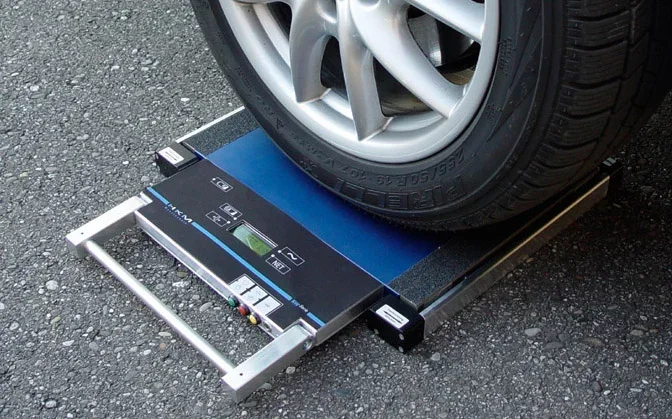
- Use a vehicle scale: Drive onto a public scale for an actual measured weight.
- Check online databases: Sites like the EPA fuel economy site list average weights by model.
Knowing your car’s actual weight helps you make informed decisions about loading, towing, and overall vehicle care. Do not guess. Get the real numbers.
Conclusion
So is 000 lbs heavy for a car? The honest answer is: it depends. For a compact sedan, that weight could be too much. For a full-size truck, it might be light. The key is understanding your specific vehicle’s weight ratings and staying within safe limits.
Vehicle weight affects every aspect of your driving experience. From fuel economy to safety to long-term reliability, the numbers on your spec sheet matter. Take the time to understand them. Check your door jamb sticker. Read your owner’s manual. Know your payload capacity.
Your car was engineered to perform within specific weight parameters. Respect those limits and your vehicle will reward you with years of safe, efficient service. Ignore them, and you risk mechanical problems, safety issues, and costly repairs. Stay informed, stay safe, and keep your car at a healthy weight.
Frequently Asked Questions
What does curb weight mean for a car?
Curb weight is the weight of your vehicle with a full tank of fuel but no passengers or cargo. It is the baseline weight manufacturers use for comparison. This number does not include anything you add after leaving the dealership.
How can I reduce my vehicle weight for better fuel economy?
Remove unnecessary items from your trunk and cabin. Avoid carrying heavy cargo on the roof rack when possible. Keep your fuel tank at half full instead of topping it off every trip. Small reductions in weight add up to meaningful fuel savings over time.
What happens if I exceed my car’s GVWR?
Exceeding your gross vehicle weight rating puts extra strain on your brakes, suspension, and tires. It can also affect your insurance coverage if you are in an accident. Most importantly, it makes your vehicle harder to control and increases stopping distance significantly.
Does adding a roof rack increase my vehicle weight?
Yes, a roof rack adds weight to your vehicle, typically between 10 and 30 lbs depending on the style. More importantly, it raises your center of gravity, which can affect handling and stability, especially during sharp turns or windy conditions.
Why are electric cars heavier than gas cars?
Electric vehicles carry large battery packs that weigh 1,000 to 1,500 lbs or more. These batteries are necessary for range and performance. The added weight is the trade-off for zero tailpipe emissions and instant electric motor torque.
Where can I find the exact weight of my specific car model?
Your owner’s manual is the best source for exact weight specifications. You can also check the door jamb sticker inside the driver’s door, visit the manufacturer’s website, or look up your vehicle on the EPA fuel economy website for official ratings.