Do Maseratis Break Down a Lot Compared to Other Luxury Cars
Do Maseratis break down a lot? The short answer is yes, they tend to need more attention than many rival luxury brands. Maserati reliability has historically lagged behind German competitors like BMW, Mercedes, and Audi. Ownership costs can add up quickly, especially as these Italian machines age past 80,000 miles.
Key Takeaways
- Maserati Reliability Is Below Average: Consumer reports and owner surveys consistently rank Maserati below most German luxury brands in long-term dependability.
- Repair Costs Are Significantly Higher: Parts are expensive and harder to find, which drives up Maserati repair costs compared to mainstream luxury options.
- Common Problems Include Electrical Gremlins and Engine Issues: Older models, especially those with the V6 and V8 engines, are prone to specific Maserati engine problems and electrical failures.
- Regular Maintenance Is Non-Negotiable: Skipping scheduled service dramatically shortens the lifespan of a Maserati and increases the chance of major breakdowns.
- Weight Plays a Role in Wear and Tear: Maseratis are 000 lbs heavy for a car, which puts extra stress on brakes, suspension, and drivetrain components over time.
- Newer Models Are Improving: Recent Maserati models from the 2020s show better reliability ratings than older generations, though they still trail the competition.
📑 Table of Contents
- Do Maseratis Break Down a Lot Compared to Other Luxury Cars?
- Understanding Maserati Reliability Ratings
- Common Maserati Problems You Should Know About
- Maserati vs. Other Luxury Brands: A Reliability Comparison
- How Much Does It Cost to Maintain a Maserati?
- Tips to Keep Your Maserati Reliable
- Are Newer Maserati Models More Reliable?
- Final Thoughts: Is a Maserati Worth the Headache?
Do Maseratis Break Down a Lot Compared to Other Luxury Cars?
If you are thinking about buying a Maserati, you probably have one big question on your mind: do Maseratis break down a lot? It is a fair question. Maseratis are stunning cars. They turn heads, roar down the highway, and make you feel like a movie star. But beauty comes at a price, and that price includes more than just the sticker cost.
The truth is that Maserati reliability has not been great over the years. When you compare a Maserati to a BMW, Mercedes-Benz, or Audi, the Italian brand often falls behind. Owners report more trips to the shop, higher repair bills, and more frustration with electrical quirks and engine hiccups. That does not mean every Maserati is a nightmare. But you should go in with your eyes wide open.
In this guide, we will break down everything you need to know about Maserati reliability. We will look at common problems, compare breakdown rates to rival luxury brands, and give you honest advice on how to keep your car on the road. Whether you already own one or are thinking about buying one, this article has you covered.
Understanding Maserati Reliability Ratings
When we talk about Maserati reliability, we need to look at the numbers. Several organizations track how often luxury cars need repairs and how long they last. Let us break this down.
What the Data Shows
Consumer Reports and J.D. Power rankings have not been kind to Maserati over the years. The brand consistently scores below average in reliability ratings. Some models perform better than others, but the overall trend is clear. Maseratis need more frequent repairs than their German rivals.
For example, the Maserati GranTurismo and Quattroporte have shown higher-than-average problem rates in owner surveys. The brand scored poorly in categories like engine reliability, electrical systems, and suspension components. This is not just one bad year. It is a pattern that has repeated across multiple model generations.
Compare this to a diesel car that runs 000 miles with minimal issues, and you start to see the gap. Some brands engineer their vehicles for longevity and low maintenance. Maserati has historically prioritized performance and style over long-term dependability.
Why Maserati Scores Lower Than German Rivals
There are several reasons why Maserati reliability trails behind brands like BMW and Mercedes:
- Complex Engineering: Maseratis use high-performance components that are harder to maintain and more prone to failure under stress.
- Low Production Volume: Unlike BMW or Audi, Maserati builds far fewer cars. This means parts take longer to source and specialized mechanics are harder to find.
- Focus on Performance Over Durability: The brand designs cars for speed and luxury, not for the long haul with minimal upkeep.
- Aging Platforms: Many Maserati models share platforms or components that are several years old, which means outdated technology and fewer reliability improvements.
Common Maserati Problems You Should Know About
Every car brand has its weak spots. For Maserati, the problems tend to cluster around a few key areas. Knowing what to watch for can save you time, money, and headaches.
Engine and Transmission Issues
The Maserati engine problems that owners report most often involve the turbocharged V6 and V8 engines. These engines produce incredible power, but they also create a lot of heat and stress. Over time, components like turbochargers, intercoolers, and fuel injectors can fail.
Transmission problems are also common, especially in older models. The ZF automatic transmission, while smooth, has been known to develop issues with shifting and fluid leaks. A full transmission rebuild can cost several thousand dollars, which is a major hit to your wallet.
Electrical System Failures
Here is one of the biggest complaints among Maserati owners: electrical gremlins. These can show up as flickering dashboards, unresponsive infotainment screens, or sensors that randomly throw error codes. In some cases, entire wiring harnesses need replacement, which is an expensive and time-consuming repair.
Electrical issues tend to get worse as the car ages. A Maserati that is 10 years old or older is much more likely to have persistent electrical problems than a newer model. This is another reason why Maserati repair costs climb as the vehicle gets older.
Suspension and Braking Components
Maseratis are 000 lbs heavy for a car, and all that weight takes a toll on the suspension and brakes. Owners frequently report worn-out control arms, ball joints, and brake rotors well before the 60,000-mile mark.
Replacing suspension components on a Maserati is not cheap. The parts themselves cost more than what you would pay for a BMW or Mercedes equivalent. And because the car sits lower to the ground, accessing these parts often requires removing other components, which adds labor time and cost.
Cooling System and Overheating
Overheating is a recurring issue with several Maserati models, particularly the older V8 engines. The cooling system is complex, and failures in the water pump, thermostat, or radiator can lead to serious engine damage if not caught early.
Regular coolant flushes and inspections are essential. Do not skip these services, even if the car seems to be running fine. Overheating can destroy an engine in a matter of minutes, and the repair cost is devastating.
Maserati vs. Other Luxury Brands: A Reliability Comparison
Let us put things in perspective. How does Maserati stack up against the competition? The comparison table below breaks down reliability ratings and ownership costs across several luxury brands.
| Brand | Reliability Rating (out of 100) | Avg. Annual Repair Cost | Common Issues |
|---|---|---|---|
| Maserati | 55-65 | $1,200-$2,000+ | Electrical, engine, suspension |
| BMW | 70-80 | $800-$1,400 | Oil leaks, cooling system |
| Mercedes-Benz | 68-78 | $900-$1,500 | Electrical, air suspension |
| Audi | 72-82 | $750-$1,300 | Turbo failures, oil consumption |
| Lexus | 85-95 | $400-$800 | Minimal; very reliable |
As you can see, Maserati sits at the lower end of the spectrum. Lexus, which is Toyota’s luxury division, leads the pack by a wide margin. German brands like BMW, Mercedes, and Audi also outperform Maserati in both reliability and cost of ownership.
This does not mean you should avoid Maserati entirely. But it does mean you need to budget for higher maintenance costs and expect more frequent visits to the shop. If you are someone who wants a set-it-and-forget-it luxury car, a Maserati is probably not the right choice.
How Much Does It Cost to Maintain a Maserati?
Maserati repair costs are one of the biggest concerns for current and prospective owners. Let us look at the numbers more closely.
Routine Maintenance Costs
Basic services like oil changes, brake inspections, and tire rotations cost more on a Maserati than on a BMW or Audi. An oil change on a Maserati can run $200-$350, compared to $100-$180 for a comparable BMW. The reason is simple: Maserati uses high-performance synthetic oil and requires more labor due to the engine’s design.
Major services at 30,000, 60,000, and 90,000 miles can easily cost $1,000-$3,000 each. These services include fluid replacements, belt inspections, spark plug changes, and thorough diagnostic checks.
Unexpected Repair Costs
Beyond routine maintenance, unexpected repairs on a Maserati can be brutal. Here are some examples of common repairs and their approximate costs:
- Turbocharger replacement: $3,000-$5,000
- Transmission rebuild: $4,000-$7,000
- Electrical harness replacement: $2,000-$4,000
- Suspension component replacement (per corner): $800-$1,500
- Water pump and cooling system: $1,200-$2,500
These costs add up fast. Over a 10-year ownership period, you could easily spend $15,000-$25,000 on repairs and maintenance alone. That is money you could put toward a more reliable luxury car.
Is Extended Warranty Worth It?
Given the high repair costs, an extended warranty can be a smart investment for a Maserati. Factory warranties typically cover 3 years or 36,000 miles, whichever comes first. An extended plan can push coverage to 5 or 7 years, which gives you peace of mind during the years when problems are most likely to appear.
Just make sure you read the fine print. Some extended warranties exclude certain components or require you to use specific service centers. Do your homework before committing.
Tips to Keep Your Maserati Reliable
If you already own a Maserati or are planning to buy one, there are steps you can take to minimize breakdowns and keep your car running strong.
Follow the Maintenance Schedule Strictly
This is the single most important thing you can do. Maserati’s recommended maintenance schedule is not optional. Skipping oil changes, coolant flushes, or brake inspections will accelerate wear and increase the likelihood of major failures.
Keep a detailed service log. Document every oil change, every repair, and every inspection. This not only helps you stay on track but also boosts resale value if you ever decide to sell.
Find a Specialist Mechanic
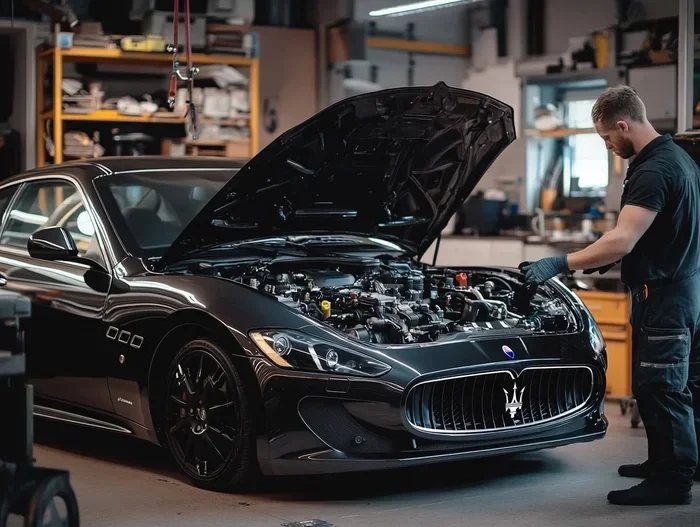
Not every mechanic knows how to work on a Maserati. General shops may not have the diagnostic tools or the expertise to properly service these cars. Invest in finding a specialized Maserati mechanic or an independent shop that has experience with Italian luxury brands.
A good specialist will catch problems early, before they turn into expensive repairs. They will also know which parts are worth replacing and which are safe to keep using a little longer.
Drive Gently and Warm Up the Engine
Maserati engines are high-performance units that benefit from gentle driving, especially when cold. Avoid revving the engine hard during the first few minutes after startup. Let the oil circulate and the engine reach operating temperature before pushing it.
This simple habit can extend the life of your engine by thousands of miles and reduce the risk of premature wear on internal components.
Address Small Problems Immediately
Do not ignore warning lights, strange noises, or minor performance issues. A small electrical gremlin today can become a major wiring failure tomorrow. A slight coolant leak today can lead to an overheated engine next week.
Stay proactive. The faster you address issues, the less they will cost to fix.
Are Newer Maserati Models More Reliable?
The short answer is yes, somewhat. Maserati has made improvements in recent years. The 2020s models benefit from updated platforms, better electronics, and improved manufacturing quality. The brand has also invested in new engine designs that are more efficient and, in some cases, more durable.
However, Maserati still trails the German competition in reliability ratings. The brand is small, and resources for long-term quality control are limited compared to BMW or Mercedes. If you are looking for the most reliable luxury car, you should probably look elsewhere.
If you love the Maserati brand and want one of their cars, buying newer is the smarter choice. A Maserati from 2020 or later is likely to be more dependable than one from 2012 or 2008. Just remember that even the newest Maserati will still cost more to maintain than a comparable German model.
Final Thoughts: Is a Maserati Worth the Headache?
So, do Maseratis break down a lot? The honest answer is that they break down more often and cost more to fix than most luxury cars in their class. If you are looking for a low-maintenance luxury experience, a Maserati is not the best choice.
But if you love the brand, the design, and the driving experience, a Maserati can still be a rewarding ownership experience. Just go in prepared. Budget for higher maintenance costs. Find a specialist mechanic. And stay on top of the maintenance schedule.
At the end of the day, owning a Maserati is about passion. These cars are not meant to be practical. They are meant to be driven, enjoyed, and admired. If you accept the trade-offs, a Maserati can bring you years of driving pleasure. Just do not be surprised when the repair bills start rolling in.
Before you make any decision, do your research. Read owner reviews, talk to specialists, and test drive multiple models. The more you know, the better equipped you will be to make the right choice for your lifestyle and your budget.
Frequently Asked Questions
How often do Maseratis need major repairs?
Most Maseratis need a major repair or significant service every 30,000 to 50,000 miles. This is more frequent than German luxury brands like BMW or Mercedes, which often go 60,000 miles or more between major repairs. Staying on top of routine maintenance can reduce the frequency and severity of these issues.
Is Maserati reliability improving with newer models?
Yes, newer Maserati models show some improvement in reliability ratings compared to older generations. Updated platforms, better electronics, and improved manufacturing have made recent models more dependable. However, Maserati still lags behind most competitors in overall long-term reliability.
What is the most common Maserati problem?
Electrical system failures are the most commonly reported issue among Maserati owners. These can range from minor sensor glitches to major wiring harness failures. Engine and transmission problems are also frequent, especially as the vehicle ages past 80,000 miles.
Are Maserati repair costs covered by warranty?
The factory warranty covers most repairs for the first 3 years or 36,000 miles. After that, you are responsible for all costs. An extended warranty can help cover expenses beyond the factory period, but you should carefully review what is and is not included in the coverage.
Can I maintain a Maserati at any repair shop?
While you can take a Maserati to any shop, it is best to find a specialist with experience in Italian luxury brands. General mechanics may lack the diagnostic tools and specific knowledge needed for Maserati models. A specialist will provide better service and catch problems early.
Which Maserati model is the most reliable?
The Maserati Ghibli and Levante have shown slightly better reliability ratings than the GranTurismo and Quattroporte in recent owner surveys. Newer model years across the lineup also tend to be more dependable than older generations. However, no Maserati model is considered highly reliable compared to brands like Lexus.
=== CONCLUSION ===
Do Maseratis break down a lot? Based on the evidence, the answer leans toward yes. Maserati reliability has historically been below average for the luxury car segment. Common problems with engines, electronics, and suspension components mean that owners should expect higher repair costs and more frequent shop visits than they would with a BMW, Mercedes, or Audi.
That said, Maseratis are incredible machines. They offer a driving experience that few other brands can match. If you are willing to accept the trade-offs and budget accordingly, a Maserati can be a fantastic car to own. Just remember that ownership costs go far beyond the purchase price, and staying on top of maintenance is the key to keeping your Maserati on the road for the long haul.