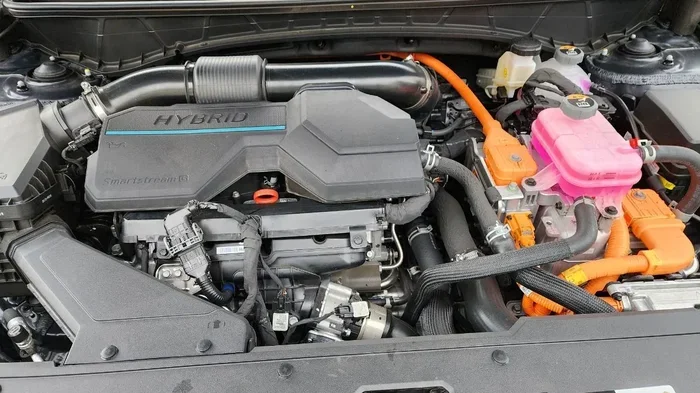
How Much Is a New Engine for a Hyundai Tucson Today
The cost of a new engine for a Hyundai Tucson typically ranges from $3,500 to $7,500, including parts and labor. The final price depends on your Tucson model year, engine type, and whether you choose a new, remanufactured, or used replacement. Understanding these costs helps you make the best decision for your budget and your vehicle.
If you own a Hyundai Tucson and your engine is giving you trouble, you probably want to know one thing: how much will it cost to fix it? The answer is not as simple as a single number, but this guide breaks it all down for you. We will walk through every cost factor so you can plan your budget with confidence. Whether you are dealing with a blown head gasket, a worn-out engine block, or complete engine failure, understanding the replacement cost is your first step toward getting back on the road.
The Hyundai Tucson is a popular compact SUV known for its reliability and fuel efficiency. However, like any vehicle, the engine can wear out over time. When that happens, you need to decide between a new engine, a remanufactured unit, or a used replacement. Each option comes with its own price tag, warranty terms, and performance expectations. This article covers everything you need to know about the cost, process, and alternatives for replacing a Hyundai Tucson engine in 2024 and beyond.
Key Takeaways
- New Engine Cost: Expect to pay between $3,500 and $7,500 for a complete Hyundai Tucson engine replacement.
- Engine Type Matters: The 4-cylinder and V6 Tucson engines have different pricing and performance profiles.
- Labor Costs Add Up: Labor can range from $500 to $1,500 depending on your location and shop rates.
- Alternatives Save Money: Remanufactured and used engines can cut costs by 30% to 50%.
- Warranty Protects You: Many replacement engines come with warranties that cover parts and labor for 12 to 36 months.
- Signs of Engine Failure: Knowing early symptoms helps you avoid costly roadside breakdowns.
- DIY vs. Professional: Replacing a Tucson engine yourself saves on labor but requires serious mechanical skill.
📑 Table of Contents
- How Much Does a New Hyundai Tucson Engine Cost?
- Labor Costs for a Hyundai Tucson Engine Replacement
- Hyundai Tucson Engine Types and Specifications
- Common Signs Your Hyundai Tucson Engine Needs Replacement
- How to Reduce the Cost of a Tucson Engine Replacement
- Expert Tips for Choosing the Right Replacement Engine
- Final Thoughts on Hyundai Tucson Engine Replacement Cost
How Much Does a New Hyundai Tucson Engine Cost?
The price of a new engine for a Hyundai Tucson varies based on several factors. The engine type, model year, and where you buy the parts all play a role. On average, a brand-new factory engine for the Tucson runs between $3,500 and $5,000 for the parts alone. When you add labor, the total cost climbs to between $4,500 and $7,500.
Here is a quick breakdown of what drives the price:
- Engine Type: The Tucson comes in both 4-cylinder and V6 configurations. The 4-cylinder engine is less expensive to replace, typically costing $3,500 to $4,500 for parts. The V6 engine replacement cost ranges from $4,500 to $6,000 for parts alone.
- Model Year: Older Tucson models from 2010 to 2015 may have cheaper parts available. Newer models from 2016 to 2024 use more advanced technology, which can increase the part cost.
- Where You Buy: Purchasing from a dealership usually costs more than buying from an online parts retailer or a local auto shop.
- Shipping Fees: Engine shipping can add $100 to $300 to your total, especially for heavy units that require special handling.
For reference, the Tucson engine weighs around 400 to 450 lbs for the 4-cylinder version and up to 500 lbs for the V6. The weight of the engine affects shipping costs and the equipment needed for removal and installation. If you want to understand more about what makes a vehicle heavy, check out our guide on what counts as heavy for a car to put things in perspective.
New vs. Remanufactured vs. Used Engines
Not everyone needs a brand-new engine. There are three main options, and each has a different price point and risk level.
| Option | Parts Cost | Warranty | Risk Level |
|---|---|---|---|
| New Engine | $3,500 – $6,000 | 3-5 years | Low |
| Remanufactured Engine | $2,000 – $4,000 | 1-3 years | Medium |
| Used Engine | $800 – $2,500 | None or 30-90 days | High |
A new engine comes straight from the manufacturer or an authorized supplier. It has never been installed or run. This is the safest option, and it often comes with the best warranty coverage. A remanufactured engine is a rebuilt unit that has been taken back to factory specifications. It costs less but may not last as long. A used engine comes from a salvage vehicle and is the cheapest option, but it carries the most risk since you do not know its full history.
For the Hyundai Tucson, most mechanics recommend going with a remanufactured or new engine. The Tucson is not a high-mileage workhorse like some trucks, so a used engine from a high-mileage donor vehicle may not give you the lifespan you need.
Labor Costs for a Hyundai Tucson Engine Replacement
Labor is a big part of the total engine replacement cost. Replacing a Tucson engine is a complex job that requires removing the old unit, preparing the mounting surfaces, and installing the new one. This process takes time and skill.
Here is what you can expect to pay for labor:
- Standard Labor Rate: Most auto shops charge between $80 and $150 per hour.
- Labor Hours Needed: A Tucson engine replacement typically takes 10 to 20 hours, depending on the model year and engine type.
- Total Labor Cost: This puts your labor bill somewhere between $800 and $3,000.
Dealerships tend to charge more for labor, often on the higher end of the range. Independent mechanics and local shops usually offer lower rates. If you live in a major city, expect to pay more than someone in a rural area. The Tucson 4-cylinder engine is generally easier and faster to replace, which can save you a few hundred dollars in labor compared to the V6 version.
Can You Save Money on Labor?
Yes, there are a few ways to reduce labor costs. First, get quotes from at least three different shops before committing. Second, ask if the shop offers a flat-rate price for engine replacements rather than charging by the hour. Third, consider purchasing the engine yourself and paying the shop only for the installation work. This approach can save you $200 to $500 in some cases.
Some Tucson owners with mechanical experience choose to do the replacement themselves. However, this is not a beginner project. You need a engine hoist, a full set of tools, and a solid understanding of the vehicle’s systems. If you are not confident in your abilities, paying for professional labor is the smarter choice.
Hyundai Tucson Engine Types and Specifications
The Hyundai Tucson has used different engines over the years. Knowing which engine your Tucson has helps you find the right replacement and understand the cost.
The most common Tucson engines include:
- 2.0L 4-Cylinder (Gasoline): Found in Tucson models from 2010 to 2018. Produces around 164 horsepower. This is the most affordable engine to replace.
- 2.4L 4-Cylinder (Gasoline): Used in some 2016 to 2020 Tucson models. Produces about 181 horsepower. Slightly more expensive to replace than the 2.0L.
- 1.6L Turbo 4-Cylinder (Gasoline): Available in the 2019 and newer Tucson models. Produces 227 horsepower. This turbocharged engine adds complexity and cost to the replacement process.
- 2.5L 4-Cylinder (Gasoline): Found in the latest Tucson models (2021+). Produces around 187 horsepower.
The Tucson has never offered a diesel engine in the United States market, but in other regions, diesel versions exist. If you are curious about diesel engine longevity and mileage, our article on what counts as high mileage for a diesel provides useful context for engine durability expectations.
Engine Life Expectancy for the Hyundai Tucson
A well-maintained Hyundai Tucson engine can last between 200,000 and 300,000 miles. The key word here is well-maintained. Regular oil changes, timely belt replacements, and proper cooling system maintenance all contribute to a longer engine life.
Common issues that shorten Tucson engine life include:
- Neglecting oil changes
- Overheating due to cooling system failures
- Ignoring check engine lights
- Using low-quality fuel
- Driving with low oil levels
If you take care of your Tucson engine from the start, you may avoid a replacement altogether. But if the engine does fail, now you know what to expect cost-wise.
Common Signs Your Hyundai Tucson Engine Needs Replacement
Catching engine problems early can save you thousands of dollars. Here are the most common warning signs that your Tucson engine may need replacement rather than a simple repair:
- Check Engine Light Is On Constantly: A persistent check engine light that does not go off after a reset often signals serious internal engine damage.
- Excessive Smoke from the Exhaust: Blue smoke means the engine is burning oil. White smoke suggests a blown head gasket. Black smoke indicates a fuel delivery problem.
- Strange Noises from the Engine Bay: Knocking, ticking, or grinding sounds coming from the engine are never a good sign. These noises often point to worn bearings or internal component failure.
- Loss of Power and Acceleration: If your Tucson feels sluggish or struggles to maintain speed, the engine may be losing compression.
- Coolant Leaks Under the Vehicle: Coolant leaks can lead to overheating, which causes catastrophic engine damage if not addressed quickly.
- Engine Stalling or Misfiring: Frequent stalling or rough idling suggests internal engine problems that may require a full replacement.
If you notice any of these symptoms, get your Tucson inspected by a qualified mechanic as soon as possible. Ignoring these signs can turn a repairable issue into a full engine replacement. Catching the problem early often means the difference between a $500 repair and a $6,000 replacement.
How to Reduce the Cost of a Tucson Engine Replacement
Replacing a Hyundai Tucson engine is expensive, but there are smart strategies to bring the cost down without sacrificing quality.
1. Get Multiple Quotes
Do not settle for the first quote you receive. Visit at least three shops and ask for a detailed breakdown of parts and labor costs. Comparison shopping can save you $500 to $1,000 on the same job.
2. Consider a Remanufactured Engine
A remanufactured engine offers a great balance between cost and quality. These engines are rebuilt to factory specifications and often come with a solid warranty. For many Tucson owners, this is the sweet spot between saving money and getting a reliable engine.
3. Buy Parts Yourself
You can purchase the engine online or from a local parts store and bring it to the shop for installation. This gives you more control over the parts quality and price. Just make sure the engine is compatible with your specific Tucson model year and trim level.
4. Look for Certified Used Engines
Some suppliers offer certified used engines that come with a warranty and a tested mileage report. These are safer than random salvage engines and can save you a significant amount of money.
5. Check Your Warranty Coverage
If your Tucson is still under the factory warranty or an extended warranty, the engine replacement may be covered. Always check with your dealer before paying out of pocket. Some Hyundai extended warranties cover powertrain components including the engine.
6. Ask About Payment Plans
Many auto shops offer payment plans or financing options for major repairs. This can make the cost more manageable if you do not have the full amount upfront.
Expert Tips for Choosing the Right Replacement Engine
Not all replacement engines are created equal. Here are some expert tips to help you make the right choice for your Hyundai Tucson.
Always verify compatibility. The engine must match your specific Tucson model year, trim level, and transmission type. A mismatched engine can cause serious performance issues and even damage other components. When in doubt, provide your Vehicle Identification Number (VIN) to the parts supplier to ensure a perfect fit.
Ask about the engine’s history. Whether you buy a remanufactured or used engine, ask where it came from and how many miles it has on it. A replacement engine with 50,000 miles on it is a much better investment than one with 150,000 miles.
Do not skip the warranty. A reputable supplier or shop will always offer a warranty on a replacement engine. If someone is selling a replacement engine without any warranty, that is a red flag. A good warranty gives you peace of mind and protects your investment.
Consider the Tucson’s overall condition. If your Tucson has high mileage and other major issues, it might make more sense to sell the vehicle and buy a replacement rather than investing in a new engine. The Tucson is a solid vehicle, but sometimes the repair cost simply does not make financial sense.
For owners who rely on their Tucson for family trips and daily commuting, keeping the vehicle running smoothly is essential. If you are looking for a reliable SUV that comfortably seats a family, you might also enjoy our article on 8-seater cars for travelling for more options to consider.
Final Thoughts on Hyundai Tucson Engine Replacement Cost
The cost of replacing a Hyundai Tucson engine can feel overwhelming at first. But with the right information, you can make a confident decision that fits your budget and your vehicle. The total cost typically ranges from $3,500 to $7,500, depending on the engine type, the replacement option you choose, and your local labor rates.
Remember that the cheapest option is not always the best option. A used engine that fails after 6 months will cost you more in the long run than a remanufactured unit with a solid warranty. Take your time, get multiple quotes, and choose the option that gives you the best balance of cost, quality, and peace of mind.
Your Hyundai Tucson is a capable and reliable SUV. With the right engine replacement, it can continue to serve you well for many more miles. Stay proactive with maintenance, listen to your vehicle, and you will get the most out of your investment.
Frequently Asked Questions
How long does it take to replace a Hyundai Tucson engine?
A standard Hyundai Tucson engine replacement takes between 8 and 15 hours of labor. The exact time depends on the engine type, model year, and the mechanic’s experience. A 4-cylinder engine is typically faster to replace than a V6 or turbocharged engine.
Is it worth replacing the engine on a Hyundai Tucson?
It depends on the overall condition of the vehicle. If your Tucson has a solid body, good transmission, and relatively low mileage, a new engine can extend its life by 100,000+ miles. However, if the vehicle has high mileage and other major issues, the cost may not be worth it.
Can I use a remanufactured engine in my Hyundai Tucson?
Yes, remanufactured engines are a popular and cost-effective option for Tucson owners. They are rebuilt to factory specifications and often come with warranties. Just make sure the remanufactured engine matches your specific Tucson model and engine configuration.
Does Hyundai cover engine replacement under warranty?
Hyundai’s factory warranty covers powertrain components for 10 years or 100,000 miles in the United States. If your Tucson is still within this period, the engine replacement may be fully covered. Check with your dealership to confirm your specific warranty terms.
What is the difference between a new and a remanufactured engine?
A new engine is manufactured from brand-new parts and has never been installed or used. A remanufactured engine is a used engine that has been taken back to factory specifications through a rigorous rebuilding process. New engines cost more but offer the longest lifespan and the best warranty coverage.
How can I tell if my Tucson engine needs replacement or just a repair?
A mechanic can diagnose whether your engine needs a replacement or a repair. Common signs that indicate a full replacement include constant overheating, severe knocking noises, loss of compression, and metal shavings in the oil. Simple repairs like a head gasket replacement or timing belt change are much less expensive than a full engine swap.