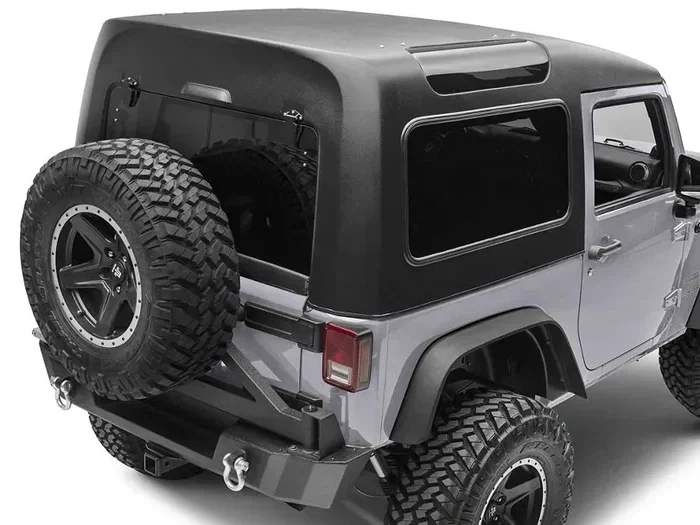
How Heavy Is a Jeep Hardtop and Why You Should Care
A Jeep hardtop typically weighs between 100 and 200 pounds depending on the material and model. Understanding the weight of your hardtop helps with fuel efficiency, handling, and safe installation. Whether you drive a classic Wrangler or a newer JL, knowing the numbers matters more than most owners think.
Have you ever tried lifting a Jeep hardtop by yourself and nearly threw out your back? You are not alone. The weight of a Jeep hardtop surprises a lot of people, especially those who are used to soft tops that fold up and disappear. A hardtop gives you better protection, better insulation, and a more rigid ride. But all that comes with a real physical cost. In this article, we will break down exactly how heavy a Jeep hardtop is, why the weight matters, and what you can do about it.
Whether you own a classic Wrangler TJ, a JK, or the newer JL model, the weight of your hardtop plays a bigger role than you might think. It affects your fuel economy, your handling on the trail, and even how easy it is to swap the top on and off. We will walk through the different materials, the weight breakdowns by model, and share practical tips for managing that heavy piece of equipment on your roof. So let us get into it.
Key Takeaways
- Jeep hardtops range from 100 to 200 pounds: The exact weight depends on the material, model year, and number of panels.
- Fiberglass hardtops are lighter than steel: Fiberglass options weigh around 100 to 130 pounds, while steel tops can hit 200 pounds or more.
- Hardtop weight affects fuel economy and handling: Extra weight on the roof changes your center of gravity and can reduce miles per gallon.
- Installation is a two-person job: Always use proper lifting techniques and the right tools to avoid injury or damage.
- Regular maintenance extends hardtop life: Cleaning, sealing, and proper storage keep your hardtop in great shape for years.
📑 Table of Contents
What Is a Jeep Hardtop and What Is It Made Of?
A Jeep hardtop is a rigid roof panel that replaces the soft fabric top on a Jeep Wrangler or similar model. Unlike a soft top that folds down, a hardtop stays in place and provides a solid barrier between you and the elements. Most hardtops are made from one of three materials: fiberglass, steel, or aluminum. Each material has its own weight profile, durability level, and price point.
Fiberglass Hardtops
Fiberglass hardtops are the most popular choice among Jeep owners. They are lighter than steel, relatively affordable, and easy to repair if they get a crack. A typical fiberglass hardtop weighs around 100 to 130 pounds. That is still heavy, but it is much more manageable than a steel alternative. Fiberglass also does a good job of insulating the cabin, which means a quieter and more comfortable ride in cold weather.
Steel Hardtops
Steel hardtops are the heaviest option available. They offer excellent durability and a more factory-original feel. A steel hardtop can weigh anywhere from 150 to 200 pounds or more. Some owners love the added security that steel provides because it is much harder to break through. However, the extra weight can be a real burden when it comes to installation, removal, and even day-to-day driving performance.
Aluminum Hardtops
Aluminum hardtops are the lightest option on the market. They weigh roughly 80 to 110 pounds, making them the easiest to handle. Aluminum is also resistant to rust, which is a big plus for Jeep owners who spend time in wet or salty conditions. The trade-off is that aluminum can dent more easily than fiberglass or steel, so you need to be a bit more careful on the trail.
How Heavy Is a Jeep Hardtop? Weight Breakdown by Model
The weight of a Jeep hardtop varies quite a bit depending on the model year, the number of panels, and the material used. Here is a general breakdown to help you understand what to expect.
For most Jeep Wrangler TJ models from the 1990s and early 2000s, a fiberglass hardtop weighs around 100 to 120 pounds. The JK generation, which ran from 2007 to 2018, typically features hardtops in the 120 to 150-pound range. The newer JL models from 2018 onward tend to come in at 130 to 160 pounds, depending on whether you go with a two-piece or three-piece design.
Steel hardtops push the numbers higher across the board. A steel hardtop for a TJ can weigh close to 180 pounds, while a JK steel top might hit 200 pounds or more. If you are curious about how this weight compares to other vehicle components, check out this guide on what counts as heavy for a car to put things in perspective.
Keep in mind that these are approximate weights. The actual weight can vary based on the manufacturer, any added features like rear windows or sunroofs, and whether the hardtop includes integrated roof racks.
Weight Comparison: Hardtop vs. Soft Top
To put things in context, a soft top for a Jeep Wrangler weighs between 40 and 70 pounds. That means a fiberglass hardtop is roughly two to three times heavier than a soft top. A steel hardtop can be four or five times heavier. This is a huge difference that affects everything from how you store the top in your garage to how your Jeep handles on the road.
If you are considering switching from a soft top to a hardtop, or vice versa, the weight difference is something you need to factor in. A heavier roof changes your vehicle’s center of gravity, which can affect cornering, braking, and overall stability. For more information on how vehicle weight impacts performance, you might find this article on mileage considerations for diesel engines helpful when thinking about fuel economy changes.
Why Does Hardtop Weight Matter?
You might be thinking, “It is just a roof. Why does the weight matter so much?” The truth is that the weight of your hardtop has a real impact on several aspects of your driving experience. Let us break down the main reasons why you should care.
Impact on Fuel Efficiency
Extra weight on your vehicle means your engine has to work harder. A heavier hardtop can reduce your fuel economy by a small but noticeable amount. Over time, those lost miles per gallon add up at the pump. If you drive your Jeep frequently, especially on long road trips, the weight difference between a fiberglass and a steel hardtop can translate into real money spent on fuel.
Effect on Vehicle Handling
Weight on the roof raises your center of gravity. This is especially important for a vehicle like a Jeep Wrangler that already has a tall, upright stance. A heavier hardtop can make your Jeep feel less agile, particularly when you are taking sharp turns or navigating tight trails. Lighter hardtops, like aluminum or fiberglass, help keep the handling more balanced and responsive.
Towing and Payload Considerations
Every Jeep has a maximum payload capacity, which is the total weight it can carry including passengers, cargo, and accessories. A heavy hardtop eats into that capacity. If you frequently tow a trailer or carry heavy gear, the last thing you want is for your hardtop weight to push you over your limits. Always check your owner’s manual for the specific payload rating of your model.
How to Handle and Install a Heavy Jeep Hardtop
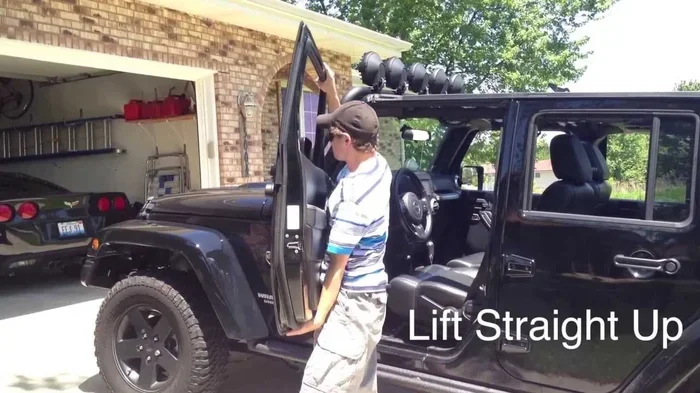
Installing a Jeep hardtop is not a one-person job. Unless you have incredible upper body strength and a lot of patience, you will need a helper. The process involves lifting the hardtop onto the roof rails, aligning it properly, and securing it with latches or hinges. Here is how to do it safely and efficiently.
Tools You Will Need
Before you start, gather the right tools. You will need a soft blanket or padding to protect the hardtop, a helper or two, and possibly a lifting strap or hardtop lift tool. Some owners invest in a hardtop hoist, which makes the process much easier and safer. You should also have a set of metric sockets and a torque wrench to properly tighten the mounting bolts.
Step-by-Step Installation Tips
- Position the hardtop on a flat surface. Lay the hardtop upside down on a soft blanket to avoid scratching the finish.
- Lift with your legs, not your back. Bend at the knees and keep your spine straight. Even a fiberglass hardtop can strain your lower back if you lift with poor form.
- Align the front clips first. Have your helper hold the hardtop in place while you secure the front mounting points. Then work your way back to the rear.
- Tighten all bolts evenly. Do not fully tighten one side before the other. Work in a crisscross pattern to ensure even pressure and a proper seal.
- Check for gaps and alignment. Once everything is secured, inspect the edges of the hardtop for even gaps. Misalignment can cause wind noise and water leaks.
Common Mistakes to Avoid
The biggest mistake people make is trying to install a hardtop alone. Even if the hardtop is fiberglass and weighs around 110 pounds, it is awkward to hold and align by yourself. Another common error is over-tightening the bolts, which can crack the mounting points or warp the hardtop. And do not forget to check the weather stripping. Worn seals are one of the leading causes of leaks after a hardtop installation.
Maintaining Your Jeep Hardtop for Longevity
A hardtop is a big investment, and you want it to last. Proper maintenance keeps your hardtop looking good, sealing properly, and performing well for years. Here are the essential steps every Jeep hardtop owner should follow.
Cleaning and Storage Tips
Clean your hardtop regularly with a mild soap and water solution. Avoid harsh chemicals or abrasive sponges that can scratch the surface. For fiberglass hardtops, a polishing compound can help restore shine and remove minor swirl marks. When storing your hardtop, keep it in a cool, dry place away from direct sunlight. UV rays can degrade the finish and cause fading or cracking over time.
Repair and Replacement Options
Small cracks in fiberglass hardtops can be repaired with a fiberglass repair kit. For steel hardtops, rust spots should be treated early to prevent them from spreading. If your hardtop is beyond repair or you want to upgrade, replacement hardtops are widely available from aftermarket manufacturers. Some owners also explore window upgrades, such as installing a 20 percent window tint to reduce glare and heat inside the cabin.
Expert Tips for Jeep Hardtop Owners
After working with hundreds of Jeep owners and hardtop installations, here are a few pro tips that make a real difference.
- Invest in a hardtop lift tool. It is a game changer for solo owners who need to remove or install their hardtop frequently.
- Use dielectric grease on electrical connections. If your hardtop has integrated heated rear windows or antenna mounts, dielectric grease prevents corrosion.
- Check your door seals after installation. A properly seated hardtop improves the seal around the doors, reducing wind noise and water intrusion.
- Consider the weight before adding accessories. Roof racks, solar panels, and light bars all add weight on top of an already heavy hardtop. Keep your total roof load within safe limits.
The bottom line is that understanding your hardtop weight helps you make smarter decisions about your Jeep. From choosing the right material to maintaining it properly, every choice has an impact on how your vehicle performs and how much enjoyment you get out of it. A hardtop is more than just a roof. It is a key part of the Jeep experience that deserves your attention and care.
Frequently Asked Questions
How much does a Jeep Wrangler hardtop weigh?
A Jeep Wrangler hardtop typically weighs between 100 and 200 pounds depending on the material and model year. Fiberglass hardtops are lighter at around 100 to 130 pounds, while steel hardtops can reach 200 pounds or more. Always check the specifications for your specific model year to get the exact weight.
Can I install a Jeep hardtop by myself?
It is possible but not recommended. A hardtop weighs a significant amount and is awkward to handle alone. Having a helper makes the process safer and much easier. If you must do it solo, consider investing in a hardtop lift tool to reduce the physical strain.
Does hardtop weight affect fuel economy?
Yes, it does. Extra weight on the roof increases aerodynamic drag and puts more load on the engine. While the effect might be small for daily driving, it can become noticeable during long road trips or when towing. Lighter hardtops like aluminum or fiberglass help minimize the fuel economy impact.
What is the lightest Jeep hardtop option?
Aluminum hardtops are the lightest option, typically weighing between 80 and 110 pounds. They are easier to handle and install but can dent more easily than fiberglass or steel. If weight is your top priority, aluminum is the way to go.
How often should I replace my Jeep hardtop?
A well-maintained hardtop can last 10 to 15 years or more. The lifespan depends on the material, how often you remove and install it, and how well you protect it from UV damage and moisture. Regular cleaning and inspections will help you spot problems early before they become costly replacements.
Is a hardtop worth it compared to a soft top?
For most Jeep owners, yes. A hardtop offers better insulation, more security, improved durability, and a quieter ride. The trade-off is the extra weight and the effort required to install and remove it. If you use your Jeep primarily for off-roading in rough conditions, a hardtop is usually the better choice.
Conclusion
Now you know the full story behind how heavy a Jeep hardtop really is. From fiberglass options that weigh around 100 pounds to steel tops that push past 200 pounds, the weight varies based on material, model, and design. Understanding these numbers helps you make informed decisions about which hardtop is right for you and how to manage it safely.
The weight of your hardtop matters more than most people realize. It affects your fuel economy, your handling, your payload capacity, and even your safety on the trail. By choosing the right material, following proper installation techniques, and staying on top of maintenance, you can enjoy all the benefits of a hardtop without the headaches. Take care of your hardtop, and it will take care of you for many miles to come.