Your Ultimate Car Mechanic Tool Kit Guide for Beginners
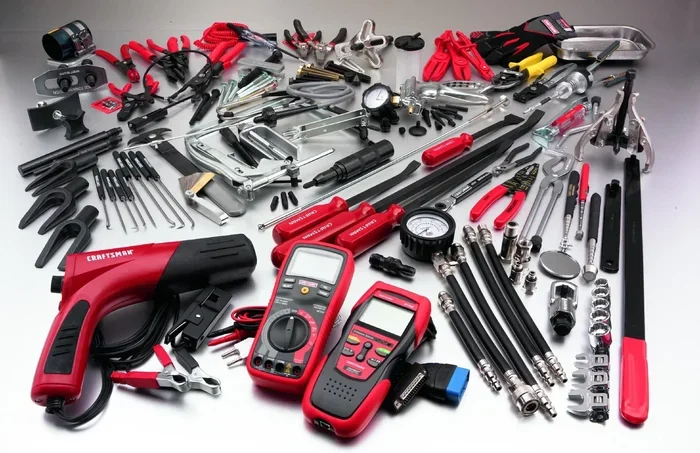
Choosing the right car mechanic tool kit can feel overwhelming for beginners. This guide walks you through every essential tool you need, from basic hand tools to advanced diagnostic equipment. You will learn how to pick the best kit for your budget and skill level. We also share expert tips on building your collection over time. By the end, you will feel confident starting your own garage setup.
A car mechanic tool kit is the foundation of every successful DIY repair project. Whether you are changing your first oil or tackling a brake job, having the right tools makes all the difference. Many beginners feel lost when they walk into an auto parts store and see hundreds of options. This guide removes the confusion and shows you exactly what you need.
We have broken everything down into simple sections that are easy to follow. You will learn about hand tools, power tools, diagnostic equipment, and how to choose the best kit for your needs. By the time you finish reading, you will have a clear roadmap to build your very own garage setup.
Key Takeaways
- Start with the basics: A quality socket wrench set, ratchet, and screwdrivers cover most beginner repairs.
- Invest in a torque wrench: It ensures you tighten bolts to the correct specification every time.
- Add diagnostic tools gradually: An OBD2 scanner helps you read error codes and save money on mechanic visits.
- Buy quality over quantity: A smaller kit with trusted brands lasts longer and performs better than a cheap big set.
- Organize early: A good mechanic tool bag or chest keeps your workspace clean and tools easy to find.
- Build your kit over time: You do not need everything at once. Start with essentials and expand as your skills grow.
📑 Table of Contents
- What Is a Car Mechanic Tool Kit and Why Do You Need One?
- Essential Hand Tools Every Beginner Should Own
- Power Tools Worth Adding to Your Garage
- Diagnostic Tools for Modern Cars
- How to Choose the Right Car Mechanic Tool Kit
- Building Your Kit Over Time: A Beginner Roadmap
- Common Mistakes Beginners Make When Buying Tool Kits
- Expert Insights: What Experienced Mechanics Wish They Knew Earlier
- Conclusion
What Is a Car Mechanic Tool Kit and Why Do You Need One?
A car mechanic tool kit is a collection of tools designed for automotive repair and maintenance. These kits range from basic sets with a few wrenches to comprehensive boxes filled with hundreds of items. The right kit depends on your experience level, the type of car you drive, and the repairs you want to handle.
Having your own set of automotive tool set tools saves you time and money. Instead of paying a mechanic for every small job, you can handle common repairs yourself. Even if you still visit a shop for bigger issues, owning basic tools means you can do quick fixes at home. It also gives you a better understanding of how your vehicle works.
Who Should Invest in a Beginner Mechanic Kit?
Anyone who owns a car benefits from having a basic mechanic tools for beginners collection. Here are some common situations where a tool kit comes in handy:
- You want to change your own oil and filters to save money.
- You need to swap out a flat tire on the side of the road.
- You want to replace worn brake pads or light bulbs at home.
- You enjoy learning about car maintenance as a hobby.
- You have an older vehicle that needs frequent small repairs.
The beauty of starting with a beginner mechanic kit is that you can always add more tools later. You do not need to buy everything at once. Start with the essentials and grow your collection as your confidence builds.
Essential Hand Tools Every Beginner Should Own
Hand tools form the backbone of any car mechanic tool kit. They are simple to use, do not require power, and handle the majority of basic repairs. Let us look at the must-have hand tools every beginner should have in their garage.
Socket Wrench Set and Ratchet
A socket wrench set is arguably the most important tool in any automotive toolkit. It comes with a ratchet handle and a variety of socket sizes to fit different bolts and nuts. The ratchet mechanism lets you tighten or loosen fasteners without lifting the tool off the bolt each time.
Most cars use standard metric and SAE socket sizes. A good starter set includes sockets from 8mm to 19mm. Look for a ratchet and socket set with a chrome finish for durability and a smooth swivel head for tight spaces.
Combination Wrench Set
A wrench set with both open-end and box-end sizes gives you flexibility. Open-end wrenches work well on fasteners with limited clearance. Box-end wrenches grip bolts more securely and reduce the risk of rounding off nuts. A combination wrench set covering common sizes like 8mm through 21mm covers most car repairs.
Screwdrivers for Auto Repair
You will need both flathead and Phillips head screwdrivers for auto repair tasks. A quality set includes multiple sizes. Look for screwdrivers with ergonomic grips and hardened steel tips. Cheap screwdrivers strip screws easily, so investing in a decent set pays off quickly.
Pliers Set and Needle-Nose Pliers
A good pliers set includes needle-nose pliers for reaching into tight spots, cutting pliers for snipping wire, and regular slip-joint pliers for gripping. Pliers are incredibly versatile and appear in almost every type of car repair job.
Breaker Bar
A breaker bar gives you extra leverage to loosen stubborn bolts. It is especially useful for lug nuts and rusted bolts on older vehicles. Unlike a standard ratchet, a breaker bar does not have a ratcheting mechanism. It simply provides more torque through a longer handle.
Power Tools Worth Adding to Your Garage
While hand tools handle most beginner tasks, a few power tools can make your work faster and easier. You do not need a full professional-grade setup. Just a couple of key power tools will significantly boost your efficiency.
Impact Wrench
An impact wrench is a game-changer for removing lug nuts and tight bolts. It delivers powerful rotational force with minimal effort. Cordless models run on rechargeable batteries and are perfect for home garages. You can find a reliable cordless impact wrench for under $150, making it an affordable addition to any mechanic tool bag.
Drill and Driver
A basic cordless drill and driver serves multiple purposes in the garage. You can use it to drive screws, drill holes, and even attach accessories like wire wheels for rust removal. Choose a model with variable speed settings and a comfortable grip for all-day use.
Air Compressor and Impact Gun
If you plan to do more serious work, consider adding an air compressor and impact gun to your setup. Air tools are lighter, faster, and more powerful than their electric counterparts. They are especially useful for sanding, painting, and heavy-duty bolt removal. However, air compressors require a larger initial investment and take up more space.
Diagnostic Tools for Modern Cars
Modern cars are packed with computers and sensors. When something goes wrong, a simple visual inspection is often not enough. This is where diagnostic tools become essential for any modern car mechanic tool kit.
OBD2 Scanner
An OBD2 scanner plugs into your car’s diagnostic port and reads error codes stored in the engine computer. These codes tell you exactly what is going wrong, which saves you money on guesswork. Basic scanners cost around $30 and display codes that you can look up online. More advanced models offer live data streams and reset capabilities.
Owning an OBD2 scanner is one of the smartest investments a beginner can make. It helps you understand whether a warning light signals a serious problem or something minor. You will also feel more confident talking to mechanics when you already know the error codes.
Multimeter
A multimeter measures voltage, current, and resistance in electrical circuits. It is invaluable for troubleshooting battery issues, testing fuses, and checking wiring. Digital multimeters are affordable and easy to use. Look for one with auto-ranging features so you do not have to manually select measurement ranges.
Pressure Gauge Set
A pressure gauge set lets you check tire pressure, fuel pressure, and even cooling system pressure. Proper tire pressure improves fuel economy and safety. A simple tire pressure gauge costs just a few dollars and should be in every driver’s glove box. For deeper diagnostics, a fuel pressure gauge helps identify fuel delivery issues.
How to Choose the Right Car Mechanic Tool Kit
With so many options on the market, picking the right car mechanic tool kit can feel daunting. Here are the key factors to consider before you buy.
Consider Your Skill Level
If you are just starting out, look for a mechanic tools for beginners kit that covers common maintenance tasks. A basic set with sockets, wrenches, and screwdrivers handles about 80% of beginner repairs. You can always add specialized tools as you take on more complex jobs.
Check the Material Quality
Tool quality varies wildly across price points. Cheap tools made from low-grade steel strip easily and break under pressure. Look for kits that feature chrome-vanadium steel or similar durable materials. Trusted brands like Craftsman, Tekton, and GearWrench offer excellent quality at reasonable prices.
Think About Storage and Portability
Where will you store your tools? A mechanic tool bag works great if you have limited space or want to carry tools to different locations. Tool chests offer more storage capacity and better organization for a dedicated garage. Some kits come with both a bag and a case, giving you the best of both worlds.
Set a Realistic Budget
You do not need to spend a fortune to get a solid automotive tool set. Good beginner kits range from $100 to $300. Spending more does not always mean better quality. Focus on getting well-made versions of the essential tools rather than buying a massive set filled with tools you will never use.
Read Reviews and Ask for Recommendations
Before purchasing, read reviews from other DIY mechanics. Online forums and YouTube channels dedicated to car maintenance often review tool kits honestly. Ask experienced friends or local garage owners for recommendations. Real-world feedback helps you avoid cheap tools that will fail quickly.
Building Your Kit Over Time: A Beginner Roadmap
One of the biggest mistakes beginners make is trying to buy everything at once. A smart approach is to build your car mechanic tool kit gradually. This keeps costs manageable and ensures you buy tools you will actually use.
Phase 1: The Essentials (Month 1)
Start with the absolute basics. Purchase a socket wrench set, a combination wrench set, a ratchet, a breaker bar, and a set of screwdrivers. Add a torque wrench to ensure proper bolt tightness. These tools cover oil changes, brake pad replacements, and most routine maintenance.
Phase 2: Expansion (Months 2-3)
Once you are comfortable with the basics, add an impact wrench, pliers set, and an OBD2 scanner. These tools open up new repair possibilities and save you significant time. You can also invest in a quality mechanic tool bag to keep everything organized.
Phase 3: Advanced Tools (Months 4+)
As your skills grow, consider adding a multimeter, air compressor, and specialty tools for specific repairs. By this point, you will have a clear idea of what tools you actually need. Your beginner mechanic kit will have evolved into a professional-grade setup tailored to your needs.
Quick Tips for Maintaining Your Tools
- Clean your tools after every use to prevent rust and buildup.
- Store tools in a dry, organized space to extend their lifespan.
- Check for loose or worn sockets and replace them immediately.
- Lubricate ratchet mechanisms periodically for smooth operation.
- Label your tool bag compartments so everything has a designated spot.
Common Mistakes Beginners Make When Buying Tool Kits
Avoid these common pitfalls that trip up many new DIY mechanics. First, do not buy the cheapest kit you can find. Low-quality tools break easily and can even damage your vehicle. Second, do not assume a big box with 200 pieces means better value. Many cheap kits include duplicate sizes and tools you will never touch.
Another mistake is neglecting tool storage. A messy workspace leads to lost tools and frustration. Finally, some beginners buy tools they do not yet know how to use. Focus on tools that match the repairs you are already planning to tackle. You can always expand your collection later.
Expert Insights: What Experienced Mechanics Wish They Knew Earlier
Seasoned mechanics often share the same advice with beginners. They wish they had invested in quality hand tools from the start instead of buying cheap sets that needed constant replacement. A good torque wrench is something every experienced mechanic recommends owning early. It prevents over-tightening, which is one of the most common causes of bolt damage.
Many professionals also emphasize the importance of a good mechanic tool bag with a sturdy handle and durable wheels. You will be carrying your tools frequently, so comfort matters. Finally, experienced mechanics suggest keeping a simple notebook with your tool inventory. It helps you track what you have and what you still need to buy.
Conclusion
Building your own car mechanic tool kit is one of the most rewarding investments you can make as a car owner. You do not need to spend a fortune or buy every tool on the market. Start with the essentials, focus on quality over quantity, and build your collection over time. Each tool you add brings you closer to handling repairs with confidence and saving money on mechanic bills.
The journey from beginner to skilled DIY mechanic starts with the right toolkit and a willingness to learn. Use this guide as your roadmap, and you will be well on your way to mastering basic car repairs at home. Remember, every expert was once a beginner who simply started with the basics.
Frequently Asked Questions
What tools are included in a basic car mechanic tool kit?
A basic car mechanic tool kit typically includes a socket wrench set, ratchet, combination wrenches, screwdrivers, pliers, and a torque wrench. These essential tools handle most common maintenance tasks like oil changes, brake pad replacements, and tire rotations. Many beginner kits also come with a storage bag or case for easy organization.
How much should I spend on a beginner mechanic tool kit?
Good quality beginner kits range from $100 to $300. You do not need to spend more than this to get reliable tools for common repairs. Focus on well-known brands that offer durability and warranty support. Remember, buying fewer high-quality tools is better than buying many cheap ones that will break quickly.
Can I use a home mechanic tool kit on all types of vehicles?
Most standard hand tools work on cars, trucks, and SUVs regardless of the brand. However, some vehicles may require specialty sizes or adapters. Always check your vehicle’s repair manual before starting a job. A versatile automotive tool set covers the majority of makes and models with common socket and wrench sizes.
Do I really need an OBD2 scanner as a beginner?
Yes, an OBD2 scanner is one of the most useful tools for beginners. It reads error codes from your car’s computer and helps you understand what triggered a check engine light. Basic scanners cost around $30 and can save you hundreds of dollars in diagnostic fees at the repair shop. It is a small investment with a big payoff.
How do I maintain and care for my mechanic tools?
Clean your tools after every use with a dry cloth to remove grease and moisture. Store them in a dry environment to prevent rust. Lubricate moving parts like ratchet mechanisms periodically. Check sockets for wear and replace any that have rounded edges. Proper care ensures your car mechanic tool kit lasts for many years.
Should I buy a tool kit or buy tools individually?
Both approaches have merit. Buying a starter kit gives you a curated collection of essential tools at a bundled price. Buying individually allows you to choose specific brands and sizes. Many experienced DIYers start with a kit and then add individual tools as needed. The best approach depends on your budget and how quickly you want to get started.
=== SEO Title ===
Your Ultimate Car Mechanic Tool Kit Guide for Beginners
=== META TITLE ===
Car Mechanic Tool Kit Guide for Beginners (2024)
=== URL SLUG ===
/car-mechanic-tool-kit-guide-beginners