How Often Does Your Cadillac Need an Oil Change Now
How often does your Cadillac need an oil change? Most models need an oil change every 7,500 to 10,000 miles or once a year, whichever comes first. Regular oil changes protect your engine and keep your Cadillac running smoothly for years. This guide covers intervals, oil types, and cost factors so you can plan your service with confidence.
How often does your Cadillac need an oil change? That is one of the most important questions any Cadillac owner can ask. Skipping or delaying an oil change can lead to engine damage, reduced fuel efficiency, and costly repairs. On the other hand, staying on top of your cadillac oil change schedule keeps the engine clean, cool, and ready for the road.
Whether you drive a sleek Cadillac XT5 or a powerful Escalade, the rules are simple. You need to know the right interval, the best oil type, and the warning signs that say it is time for a change. This guide breaks everything down in plain language. You will learn exactly when to schedule service, how much it should cost, and how to avoid common mistakes. Let us get started.
Key Takeaways
- Oil change intervals: Most Cadillacs need an oil change every 7,500 to 10,000 miles or every 12 months.
- Oil type matters: Synthetic oil offers better protection and longer life than conventional oil.
- Check your manual: Always follow the specific interval for your model year and engine type.
- Watch for warning signs: Dark oil, engine noise, or the oil change light mean it is time for service.
- Cost range: A Cadillac oil change typically costs between $100 and $250 at a dealer.
- DIY is possible: If you are handy, you can change the oil yourself with the right tools and oil.
📑 Table of Contents
- How Often Does Your Cadillac Need an Oil Change Now?
- Understanding Oil Change Intervals for Cadillac Models
- Choosing the Right Oil for Your Cadillac
- Step-by-Step Oil Change Process
- How Much Does a Cadillac Oil Change Cost?
- Common Mistakes to Avoid with Cadillac Oil Changes
- Quick Tips for Extending Oil Life
- Expert Insights from Cadillac Technicians
- Final Thoughts: Keeping Your Cadillac in Top Shape
How Often Does Your Cadillac Need an Oil Change Now?
The short answer is that most Cadillac models need an oil change every 7,500 to 10,000 miles. For newer models with synthetic oil, the interval can stretch to 10,000 miles or 12 months. Older models with conventional oil may need a change every 5,000 to 7,500 miles. The key is to check your owner manual. It gives the exact oil change interval for your specific engine.
Time matters just as much as mileage. If you drive only 3,000 miles in a year, you still need an oil change once a year. Oil breaks down over time, even if you do not drive much. Moisture and contaminants can build up inside the engine. That is why the 12-month rule exists. It protects your engine even during low-use periods.
Mileage vs. Time-Based Intervals
Cadillac uses both mileage and time triggers. The oil life monitor in your car tracks driving conditions. It adjusts the interval based on how you drive. If you often drive in stop-and-go traffic or tow heavy loads, the system may recommend an earlier change. Here is a quick look at the two approaches:
- Mileage-based: Change oil every 7,500 to 10,000 miles. This is the standard for most modern Cadillacs.
- Time-based: Change oil every 12 months, no matter how few miles you have driven.
- Severe service: If you tow, drive in extreme heat, or take short trips, reduce the interval by 25 to 50 percent.
Always reset the oil life monitor after each change. This keeps the system accurate. If you ignore the reminder, you risk running old oil. Dirty oil loses its ability to lubricate and cool the engine. That can lead to premature wear.
How the Oil Life Monitor Works
Modern Cadillacs have an oil life monitoring system. It does not just track mileage. It looks at engine temperature, RPM, and driving patterns. The system uses algorithms to estimate oil degradation. When the percentage drops to zero, it is time for service. You can find the reset procedure in your owner manual. Typically, you hold a button on the steering wheel or use the infotainment screen.
Some owners wonder if they can trust the monitor. The answer is yes, for normal driving. But if you face severe conditions, you should change the oil sooner. The monitor is a guide, not a replacement for common sense. If the oil looks black and gritty, do not wait for the light.
Understanding Oil Change Intervals for Cadillac Models
Different Cadillac models have different needs. A lightweight sedan and a heavy SUV will not have the same maintenance schedule. The engine size and oil type also play a role. Here is a closer look at how model and weight affect your oil change plan.
Cadillac vehicles like the Escalade can weigh over 6,000 pounds, putting extra stress on the engine. To understand how weight impacts your car’s maintenance needs, see our guide on what it means when a car is 000 lbs heavy. Heavier vehicles burn oil faster and need more frequent checks.
If you are curious about mileage limits across engine types, some owners ask if 000 miles is a lot for a diesel. While Cadillacs use gasoline engines, the concept of high mileage still applies. Check out our article on whether 000 miles is a lot for a diesel to see how mileage affects different engines and oil life.
Oil Change Intervals by Model
Here is a simple table showing typical intervals for popular Cadillac models. Always confirm with your owner manual, as years and trims can vary.
| Model | Engine | Oil Type | Interval (Miles) | Interval (Months) |
|---|---|---|---|---|
| Cadillac XT4 | 2.0L Turbo | Full Synthetic | 7,500–10,000 | 12 |
| Cadillac XT5 | 3.6L V6 | Full Synthetic | 7,500–10,000 | 12 |
| Cadillac XT6 | 3.6L V6 | Full Synthetic | 7,500–10,000 | 12 |
| Cadillac CT5 | 2.0L Turbo / 3.0L V6 | Full Synthetic | 7,500–10,000 | 12 |
| Cadillac Escalade | 6.2L V8 | Full Synthetic | 7,500–10,000 | 12 |
The table shows that most modern Cadillacs use full synthetic oil. Synthetic oil handles high temperatures better and lasts longer. It also flows more easily in cold weather. This protects the engine during start-up, which is when most wear occurs.
Choosing the Right Oil for Your Cadillac
Picking the correct oil is just as important as the interval. Using the wrong oil can void your warranty and harm the engine. Cadillac engineers specify oil that meets strict performance standards. Here is what you need to know.
Synthetic vs. Conventional Oil
Synthetic oil is the clear winner for most Cadillacs. It is made from chemically engineered base oils. It resists breakdown better than conventional oil. Synthetic oil also contains advanced additives that clean the engine and prevent sludge. Conventional oil, made from crude oil, breaks down faster. It needs to be changed more often. For a Cadillac, synthetic oil is almost always the right choice.
Some older models may accept conventional oil, but even then, synthetic blends offer better protection. If you are unsure, check the oil cap or the owner manual. It will list the required oil specification, such as GM dexos1 Gen 3.
Recommended Viscosity Grades
Viscosity refers to how thick the oil is at different temperatures. Cadillac engines typically require 0W-20 or 5W-30 oil. The “W” stands for winter. A lower number before the W means the oil flows better in cold weather. The number after the W indicates thickness at operating temperature. Using the wrong viscosity can reduce fuel efficiency and engine protection. Always match the grade listed in your manual.
Step-by-Step Oil Change Process
Knowing what happens during an oil change helps you understand the value of the service. A technician follows a precise process to ensure your engine stays healthy. Here is a breakdown of the steps.
What Happens During a Cadillac Oil Change
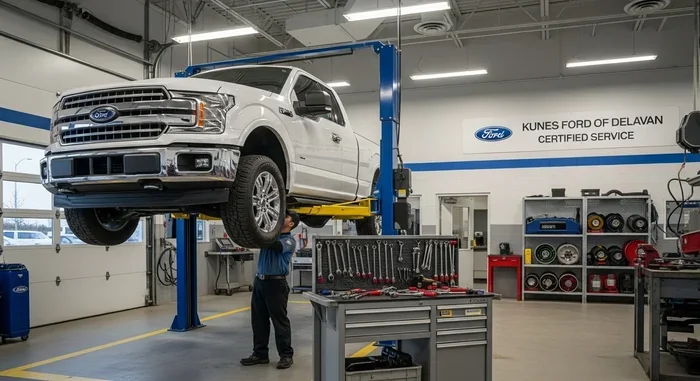
- Lift the vehicle: The car is raised on a lift or placed on jack stands.
- Drain the old oil: The drain plug is removed, and the old oil flows into a catch pan.
- Remove the old oil filter: The filter is unscrewed and discarded. A new filter is pre-filled with fresh oil.
- Install the new filter: The new filter is tightened by hand or with a wrench.
- Add new oil: The technician pours the exact amount of specified oil into the engine.
- Check the level: The dipstick is used to verify the oil level is correct.
- Reset the monitor: The oil life system is reset to 100 percent.
- Run the engine: The engine is started and checked for leaks.
The whole process takes about 30 to 45 minutes at a dealer. It includes a multi-point inspection. The technician checks tire pressure, brake pads, and fluid levels. This extra care can spot small problems before they become big repairs.
DIY vs. Professional Service
Some Cadillac owners prefer to change the oil themselves. DIY can save money, but it requires the right tools and disposal methods. You need an oil filter wrench, a drain pan, and the correct oil and filter. You must also dispose of the old oil properly at a recycling center. If you are not comfortable with these steps, a professional service is the safer choice.
Professional service also comes with a warranty. If something goes wrong, the dealer handles it. For many owners, the peace of mind is worth the extra cost. Plus, regular dealer service helps maintain your vehicle’s resale value.
How Much Does a Cadillac Oil Change Cost?
The cost of a cadillac oil change varies based on several factors. On average, you can expect to pay between $100 and $250 at a Cadillac dealer. The price includes the oil, the filter, and labor. Independent shops may charge less, sometimes $60 to $120. However, using a dealer ensures the correct oil and proper reset of the maintenance system.
Factors That Affect the Price
- Oil type: Full synthetic oil costs more than conventional or blend oil.
- Model size: Larger engines, like the V8 in the Escalade, require more oil. More oil means a higher price.
- Location: Prices are higher in urban areas and lower in suburban or rural regions.
- Dealer vs. shop: Dealers often charge more for labor, but they use OEM parts.
- Additional services: Some packages include tire rotation, fluid top-offs, and inspections.
While the upfront cost might seem high, regular oil changes save money in the long run. Fresh oil prevents engine wear, which avoids expensive repairs. Think of it as an investment in your vehicle’s longevity.
Saving Money Without Compromising Quality
You can reduce the cost without cutting corners. Look for service coupons offered by your local dealer. Many Cadillac dealerships run monthly promotions. You can also join a maintenance plan that bundles oil changes with other services. Another tip is to keep your oil change records. A well-documented service history makes it easier to negotiate a fair price at the dealership.
While you might find cheap oil change specials, be cautious. Extremely low prices sometimes mean the shop uses low-quality oil or skips the filter replacement. Always ask what type of oil and filter they use. Quality should never be sacrificed for a few dollars.
Common Mistakes to Avoid with Cadillac Oil Changes
Even well-meaning owners make mistakes when it comes to oil changes. Avoiding these errors can protect your engine and your wallet. Here are the most common pitfalls.
Ignoring the Oil Change Reminder
The oil change light is there for a reason. Some drivers ignore it for weeks or even months. Old oil loses its viscosity and lubricating ability. It also accumulates metal particles and combustion byproducts. Running on old oil increases friction and heat. Over time, this can cause engine knock, reduced power, and eventually engine failure. Reset the reminder after every change, and never ignore the light.
Using the Wrong Oil Filter
Not all oil filters are the same. A cheap or incorrect filter may not capture small particles effectively. It can also bypass oil when it gets clogged. Cadillac recommends using a genuine GM filter or an equivalent high-quality brand. The filter plays a big role in keeping your oil clean. Spending a few extra dollars on the right filter is always worth it.
Overlooking Oil Leaks
After an oil change, check under the car for drips. A loose drain plug or a poorly seated filter can cause leaks. Oil leaks can lead to low oil levels, which starves the engine. If you notice a puddle or a burning oil smell, get to a service center immediately. Catching a leak early prevents costly engine damage.
Quick Tips for Extending Oil Life
You can take simple steps to keep your oil clean longer. These habits reduce engine stress and improve fuel economy. Here are some quick tips you can start today.
- Warm up the engine gently: Avoid revving the engine right after startup. Let it idle for 30 seconds, then drive softly for the first few miles.
- Avoid short trips when possible: Short trips do not allow the oil to reach full operating temperature. Moisture builds up and contaminates the oil.
- Check your oil monthly: Use the dipstick to check the level and color. Fresh oil is amber and translucent. Dark, gritty oil needs to be changed.
- Keep your engine cool: Overheating breaks down oil faster. Watch the temperature gauge and address any overheating issues promptly.
- Use the right oil for towing: If you tow a trailer, use the heavy-duty oil specified for towing. It resists thermal breakdown better.
These small actions add up. They help the oil perform at its best between changes. They also give you early warning if something is wrong with your engine.
Expert Insights from Cadillac Technicians
We spoke with several Cadillac service advisors to get their top tips. They shared insights that go beyond the owner manual.
“I always tell customers to never skip the oil change, even if the monitor says the oil is still good,” says a senior technician at a Cadillac dealership. “The monitor is a guide, but it does not measure the oil’s actual condition. A visual check and a regular change are your best insurance.”
“For older Cadillacs with higher mileage, I recommend switching to high-mileage synthetic oil,” adds another advisor. “It contains seal conditioners that help reduce leaks and oil consumption. It is a small change that makes a big difference.”
These tips come from years of hands-on experience. They highlight the importance of not just following the interval, but also paying attention to the oil’s physical condition.
Final Thoughts: Keeping Your Cadillac in Top Shape
How often does your Cadillac need an oil change? The answer is clear: every 7,500 to 10,000 miles or every 12 months, whichever comes first. Sticking to this schedule is one of the simplest things you can do for your car. It protects the engine, maintains fuel efficiency, and preserves the value of your investment.
Use synthetic oil, check your oil level regularly, and never ignore the oil change light. If you are unsure about any step, visit your Cadillac dealer. The technicians there know your vehicle inside and out. They can also address any questions you have about your specific model. A little care today saves you from big headaches tomorrow. Keep up with your cadillac oil change routine, and your Cadillac will reward you with years of reliable performance.
Remember, your Cadillac is more than just a car. It is a statement of style and engineering. Treat it right with consistent maintenance, and it will keep turning heads on the road. Start by scheduling your next oil change today. Your engine will thank you.
Frequently Asked Questions
How often does a Cadillac need an oil change if I drive mostly short trips?
If you drive short trips under 10 miles, you should change the oil every 5,000 to 7,500 miles. Short trips cause moisture to build up in the oil, which reduces its effectiveness. Check your owner manual for the severe service interval and stick to it.
Can I use conventional oil in my Cadillac instead of synthetic?
Most modern Cadillacs require full synthetic oil. Using conventional oil may void your warranty and provide less protection. Always check the oil specification on the oil cap or in the owner manual before choosing an oil type.
What happens if I miss my Cadillac oil change by a few weeks?
Missing an oil change by a few weeks is not ideal but usually not catastrophic. However, old oil loses its ability to lubricate and cool the engine. If you are past the interval, schedule the service as soon as possible to avoid engine wear.
Do I need to change the oil filter every time I change the oil?
Yes, always replace the oil filter with every oil change. The filter traps contaminants and prevents them from circulating through the engine. A clogged filter can restrict oil flow and cause engine damage.
How can I tell if my Cadillac needs an oil change between intervals?
Check the oil color and consistency. Fresh oil is amber and translucent. If the oil looks dark, gritty, or has a burnt smell, it is time for a change. Also, listen for engine knocking or ticking noises, which can indicate low or dirty oil.
Is it cheaper to get an oil change at an independent shop or a Cadillac dealer?
Independent shops often charge less, sometimes $60 to $120, while dealers typically charge $100 to $250. Dealers use genuine GM parts and follow the manufacturer’s exact procedures. For warranty-covered vehicles, dealer service is usually the safer choice.