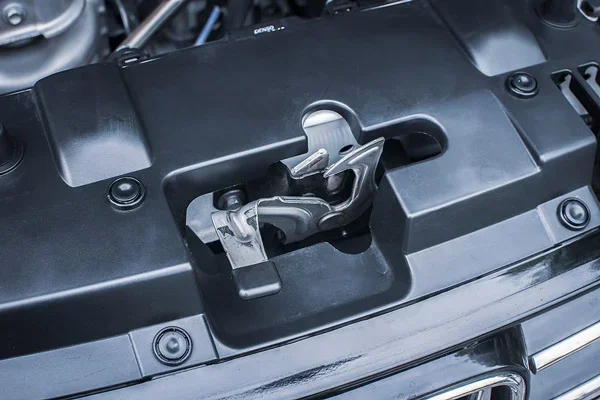
How Does a Hood Latch Work And Why It Keeps You Safe
A hood latch is the mechanism that holds your car’s hood securely shut while you drive. It uses a simple combination of a release lever, cable, latch, and spring to keep the hood locked in place. Knowing how it works helps you spot problems early and stay safe on the road.
Key Takeaways
- The hood latch system has two stages: a primary release inside the cabin and a secondary safety latch under the hood.
- A hood release cable connects the interior lever to the latch mechanism. Over time, this cable can stretch or fray.
- The secondary hood latch prevents the hood from flying open while driving. This is a critical safety feature.
- Common problems include a stiff release lever, a loose cable, and a broken spring. Most are easy to fix at home.
- Regular inspection and lubrication keep the hood latch working smoothly for years.
- A failing hood latch can be dangerous at high speeds. Always address hood latch issues promptly.
📑 Table of Contents
- How Does a Hood Latch Work And Why It Keeps You Safe
- The Basic Parts of a Hood Latch System
- Step-by-Step: How the Hood Latch Mechanism Works
- Why the Hood Latch Is a Safety Feature
- Common Hood Latch Problems and How to Fix Them
- How to Maintain Your Hood Latch
- How Hood Latch Design Has Evolved
- When to Replace Your Hood Latch
- Expert Insight: The Hidden Dangers of a Faulty Hood Latch
- Key Takeaways
- Conclusion
How Does a Hood Latch Work And Why It Keeps You Safe
Every time you hop in your car and pull the hood release handle, a simple but clever system kicks into action. The hood latch mechanism is one of the most overlooked parts of your vehicle. Yet it plays a huge role in keeping you safe on the road.
A car hood latch does two jobs. First, it holds the hood tightly closed while you drive. Second, it lets you open the hood quickly when you need to check the engine. The system is simple by design, but every part matters. If one piece fails, the whole thing can stop working.
In this guide, we will break down exactly how a hood latch works. We will look at each part, explain why the safety latch is so important, and share tips to keep yours in top shape. Whether you are a car beginner or a seasoned driver, this info will help you understand your vehicle better.
Let us start at the beginning. What exactly is a hood latch, and why should you care about how it works?
The Basic Parts of a Hood Latch System
A hood latch is not just one piece. It is a system made up of several parts that work together. Each part has a specific job. Let us walk through them one by one.
The Hood Release Lever
This is the handle you pull inside your car. It is usually located on the lower left side of the dashboard or under the steering column. When you pull it, you are starting the whole unlocking process.
The lever connects to a cable that runs from the cabin down to the engine bay. Pulling the lever tugs on this cable, which then releases the primary latch. It is a simple pull-and-release design that has been used in cars for decades.
Some vehicles have a push-button release instead of a lever. The idea is the same. You activate a mechanism that loosens the hood latch from inside the car.
The Hood Release Cable
The hood release cable is the link between the interior lever and the latch. It is a thin metal cable wrapped in a protective sheath. When you pull the lever, the cable slides forward and pushes on the latch release tab.
Over time, this cable can stretch, fray, or get stuck. This is one of the most common hood latch problems. If the cable breaks, you will not be able to open the hood from inside the car. Regular inspection helps catch cable issues early.
The Primary Latch
The primary latch is the first locking point. It holds the hood in place when you close it. When the release cable pulls the latch tab, the hood pops up slightly. This gives you access to the secondary latch underneath.
The primary latch uses a spring-loaded hook that grabs onto a metal bracket on the hood. The spring keeps the hook engaged. When you pull the release, the hook disengages and the hood lifts a few inches.
The Secondary Hood Latch
This is the safety latch. It is located under the front edge of the hood. You must lift the hood slightly and manually release this latch to fully open the hood.
The secondary hood latch exists for one big reason: safety. If the primary latch fails while driving, the secondary latch keeps the hood from flying open. A hood flying open at highway speed is extremely dangerous. It can block your view and cause a serious accident.
Many people forget about the secondary latch. But it is a critical part of the system. Always make sure both latches are working properly before you drive.
The Hood Prop Rod or Hood Strut
Once the hood is open, it needs to stay up. Older cars use a prop rod that you stick into a hole on the hood. Newer cars use gas struts or hydraulic dampers that hold the hood up automatically.
The prop rod or strut does not directly affect the latch mechanism. But it works hand in hand with the latch to keep the hood secure when open. A broken strut can cause the hood to fall unexpectedly, which is a safety hazard.
Step-by-Step: How the Hood Latch Mechanism Works
Now that you know the parts, let us walk through how the whole system works when you open and close the hood.
Step 1: You Pull the Release Lever
You reach inside the car and pull the hood release handle. This action pulls the hood release cable. The cable slides through its sheath and reaches the primary latch under the hood.
Step 2: The Primary Latch Releases
The cable tugs on the latch release tab. The spring-loaded hook disengages from the bracket. The hood pops up about one to two inches. You can now feel the hood lift slightly from inside the car.
Step 3: You Release the Secondary Latch
You walk to the front of the car. You lift the hood a bit more and find the secondary latch release. This is usually a lever or button located near the front edge of the hood, right under the grille.
You push or pull the secondary latch. The hood is now fully unlocked. You can lift it all the way up.
Step 4: The Hood Stays Open
The prop rod or gas strut holds the hood in the open position. You now have full access to the engine bay for maintenance or inspection.
Step 5: Closing and Locking the Hood
When you are done, you lower the hood from about waist height. Let it drop down naturally. The weight of the falling hood pushes the primary and secondary latches into their locked positions. The spring hooks grab tight. The hood is now secure.
Never slam the hood shut to lock it. This can damage the latch and the hood edges. A controlled drop is all you need.
Why the Hood Latch Is a Safety Feature
The hood latch is more than just a convenience. It is a critical safety component. Here is why it matters so much.
Prevents Hood Fly-Open Accidents
Imagine driving at highway speed and your hood suddenly flies open. It would block your front windshield completely. You would have almost no visibility. This scenario is terrifying but entirely possible with a faulty latch.
The secondary hood latch is designed to prevent this. Even if the primary latch fails, the secondary latch keeps the hood secured. It acts as a backup safety system. This dual-latch design has been a standard in automotive safety for decades.
Cars can weigh several thousand pounds, and the hood is a large, heavy panel. The latch system must be strong enough to hold that weight securely at any speed.
Protects the Engine Bay
A properly locked hood protects the engine and all its components. If the hood opens while driving, debris and road grime can fly into the engine bay. This can damage sensitive parts like the radiator, fan, and belts.
Keeping the hood latched also protects you from hot engine components. The hood insulates the engine bay from the cabin. A loose or broken latch means that insulation is compromised.
Supports Structural Integrity
Modern cars are designed with crumple zones and structural supports. The hood latch and hinge system contribute to the front-end structural integrity. A damaged latch can weaken the front structure of the car. This matters in the event of a collision.
Common Hood Latch Problems and How to Fix Them
Hood latch problems are more common than you might think. Here are the most frequent issues and how to address them.
Stiff or Hard-to-Pull Release Lever
If the release lever inside your car feels stiff or hard to pull, the cable may be binding. This often happens due to rust, dirt, or lack of lubrication.
Quick fix: Spray a lubricant like WD-40 into the cable sheath. Work the lever back and forth a few times. This should loosen things up. If the lever still feels stiff, the cable may need replacement.
Hood Pops Open While Driving
This is a serious issue and a safety hazard. It usually means the primary latch is worn or the secondary latch is not engaged properly.
Quick fix: First, check that the secondary latch is fully engaged every time you close the hood. If the latch is worn or bent, it will need to be replaced. Do not drive with a hood that does not stay closed.
Release Cable Stretches or Breaks
The hood release cable can stretch over time. When it stretches, you may notice that the lever feels loose or the hood does not open when you pull it.
Quick fix: Inspect the cable for fraying or slack. If the cable is damaged, replacement is straightforward. Most auto parts stores carry replacement cables for common vehicle models.
Hood Will Not Stay Closed
If the hood does not stay latched, the latch hook may be bent or the spring may be weak. The hood may also not be aligning properly with the latch bracket.
Quick fix: Check the latch hook for damage. Look for a bent tab or a worn spring. Adjusting the latch position can also help if the hood and latch are slightly misaligned.
Secondary Latch Does Not Release
Sometimes the secondary latch gets stuck. This can happen from rust, corrosion, or just age. If you cannot release the secondary latch, you will not be able to fully open the hood.
Quick fix: Clean the latch area with a wire brush. Apply penetrating oil and work the release lever back and forth. If the mechanism is damaged, replacement is the best option.
How to Maintain Your Hood Latch
Good maintenance keeps your hood latch working smoothly. It also extends the life of the entire system. Here are simple steps you can take.
Lubricate the Latch Regularly
Use a silicone-based lubricant or white lithium grease on the latch mechanism. Apply it every few months or whenever you notice stiffness. This keeps the moving parts sliding smoothly.
Inspect the Cable
Check the hood release cable for fraying, rust, or slack. A quick visual inspection during your regular car maintenance routine takes only a few minutes.
Check the Latch Alignment
Make sure the hood lines up properly with the latch bracket. If the hood sits crooked, it can put uneven stress on the latch. This leads to premature wear and potential failure.
Test Both Latches Before Every Long Trip
Before a road trip, open and close the hood a few times. Make sure both the primary and secondary latches engage fully. This simple habit can prevent surprises on the road.
Replace Worn Parts Promptly
Do not ignore small problems. A worn cable or a weak spring can lead to a complete latch failure. Replacing a small part is much cheaper than dealing with a hood flying open on the highway.
Quick Tips for Hood Latch Care
- Lubricate the latch mechanism every 3 to 6 months.
- Always engage the secondary latch before driving.
- Do not slam the hood to close it.
- Inspect the release cable during oil changes.
- Keep the latch area clean and free of debris.
- Replace worn parts immediately.
How Hood Latch Design Has Evolved
Hood latch technology has come a long way. Older cars used simple mechanical latches with no secondary safety system. Modern vehicles have much more advanced designs.
Many newer cars now include hood latch sensors that alert the driver if the hood is not fully closed. Some vehicles have electronic hood release systems that eliminate the cable entirely. These systems use electric motors to release the latch at the push of a button.
Despite these advances, the basic principle remains the same. A latch holds the hood closed. A release mechanism lets you open it. A secondary latch keeps it secure during driving. The evolution has made the system more reliable and safer, but the core design has not changed much in decades.
Even with all the technology, a hood latch inspection is still one of the most important things you can do for your car. After thousands of miles of driving, wear and tear is inevitable. Vehicles that have logged a high mileage count may need latch attention more frequently.
When to Replace Your Hood Latch
Sometimes repair is not enough. You may need a full hood latch replacement. Here are signs that it is time for a new one.
- The latch hook is visibly bent or broken.
- The spring inside the latch is weak or missing.
- The release cable has snapped and cannot be repaired.
- The hood does not stay closed even when both latches are engaged.
- The latch mechanism feels loose or wobbly.
Replacing a hood latch is a job most DIYers can handle. The parts are affordable, usually ranging from $20 to $80 depending on your vehicle. You will need basic tools like a socket set and a screwdriver. If you are not comfortable doing it yourself, a mechanic can handle it quickly and affordably.
When replacing the latch, always choose a quality part from a reputable manufacturer. Cheap aftermarket parts may save money upfront but can fail sooner. Investing in a reliable latch pays off in safety and peace of mind.
Expert Insight: The Hidden Dangers of a Faulty Hood Latch
Many drivers do not think about their hood latch until something goes wrong. By then, it may already be too late. A faulty latch is not just an inconvenience. It is a potential safety hazard.
According to automotive safety experts, hood fly-open incidents account for a surprising number of accidents each year. Most of these incidents are preventable with regular maintenance and prompt repairs.
The good news is that hood latch maintenance is simple. It takes just a few minutes and costs almost nothing. A little attention to this small component can make a big difference in your safety on the road.
Key Takeaways
- The hood latch system has two stages: a primary release inside the cabin and a secondary safety latch under the hood.
- A hood release cable connects the interior lever to the latch mechanism. Over time, this cable can stretch or fray.
- The secondary hood latch prevents the hood from flying open while driving. This is a critical safety feature.
- Common problems include a stiff release lever, a loose cable, and a broken spring. Most are easy to fix at home.
- Regular inspection and lubrication keep the hood latch working smoothly for years.
- A failing hood latch can be dangerous at high speeds. Always address hood latch issues promptly.
Conclusion
The hood latch is one of the simplest yet most important safety systems in your car. It keeps the hood secure while you drive and gives you easy access to the engine when you need it. Understanding how it works empowers you to maintain it properly and spot problems before they become serious.
Take a few minutes to inspect your hood latch today. Check the cable, lubricate the mechanism, and make sure both latches are working. This small habit can save you from a big headache and keep you safe on the road.
Your car works hard for you every day. The least you can do is make sure its safety systems are in top shape. The hood latch is a small part with a big job. Give it the attention it deserves.
Frequently Asked Questions
What are the two types of hood latches in most cars?
Most cars have a primary hood latch and a secondary safety latch. The primary latch is the main locking mechanism that holds the hood closed. The secondary latch is a backup safety feature located under the front edge of the hood. It prevents the hood from flying open if the primary latch fails while driving.
How do I know if my hood latch needs to be replaced?
Signs of a failing hood latch include a stiff or loose release lever, a hood that pops open while driving, a broken or frayed release cable, and a latch hook that looks bent or worn. If your hood will not stay closed even when both latches are engaged, replacement is likely needed.
Can I drive with a broken hood latch?
No, you should not drive with a broken hood latch. A faulty latch can allow the hood to open while driving, which blocks your visibility and creates a serious safety hazard. Always repair or replace a broken latch before hitting the road.
How often should I lubricate my hood latch?
You should lubricate your hood latch every 3 to 6 months. Regular lubrication prevents stiffness, rust, and premature wear. Use a silicone-based lubricant or white lithium grease for best results. This simple step can extend the life of your entire latch system.
Why does my hood latch feel loose or spongy when I pull the release?
A loose or spongy feel usually means the hood release cable has stretched or is fraying. The cable connects the interior lever to the latch mechanism. When it loses tension, the pull feels weak or unresponsive. Inspect the cable and replace it if needed.
Is a secondary hood latch required by law?
Yes, most countries require vehicles to have a secondary hood latch as part of safety regulations. This secondary latch acts as a backup to the primary latch and is designed to prevent the hood from opening unexpectedly while the vehicle is in motion. It is a standard safety feature on all modern cars.