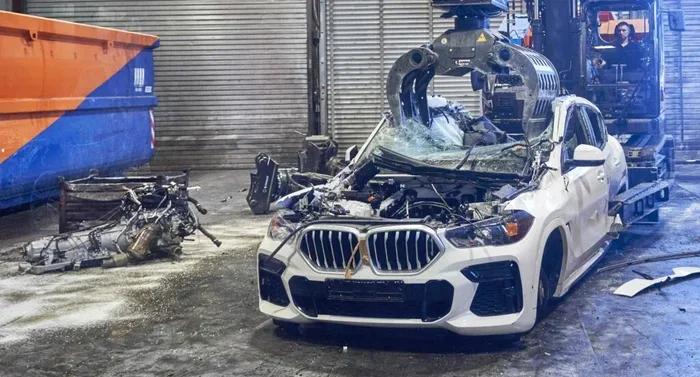
How Much Is a Scrap BMW Worth and What Affects the Price
So, how much is a scrap BMW worth? The answer depends on several factors, including your BMW model, weight, year, and current scrap metal prices. Most scrap BMWs fetch between $150 and $500, but high-demand models or those with valuable parts can push the payout higher. Understanding what drives scrap BMW pricing helps you get the best deal when selling your end-of-life vehicle.
You have an old BMW sitting in your driveway. It no longer starts. The check engine light has been on for years. Maybe it failed inspection, or you simply decided it is time to let it go. But before you call a tow truck, you probably wonder, how much is a scrap BMW worth?
The truth is, scrap BMW pricing is not as straightforward as you might think. It is not just a random number a junkyard pulls out of thin air. Several real factors determine your payout, and understanding them puts you in a much better position. Whether you have a beaten-up E30 or a totaled X5, knowing what drives the price helps you avoid getting shortchanged.
In this guide, we break down everything you need to know about scrap BMW value. We cover the factors that affect pricing, the typical payout ranges, and practical tips to maximize your return. By the end, you will feel confident walking into any scrap yard and knowing exactly what your car is worth.
Let us get into it.
Key Takeaways
- Scrap BMW prices range from $150 to $500+ depending on model, weight, and condition.
- Current scrap metal rates are the single biggest factor in determining your payout.
- BMW model and year matter — luxury models and newer vehicles often yield more.
- Salvageable parts like engines, catalytic converters, and electronics can add significant value.
- Location and local scrap yards influence pricing due to regional demand and transport costs.
- Preparing your BMW for scrap by removing personal items and gathering paperwork streamlines the process.
📑 Table of Contents
- How Much Is a Scrap BMW Worth on Average?
- Key Factors That Affect Scrap BMW Pricing
- What Is the Scrap BMW Process Like?
- How to Maximize Your Scrap BMW Payout
- Common Mistakes People Make When Scrapping a BMW
- BMW Model Scrap Value Comparison
- Environmental Impact of Scrapping a BMW
- Frequently Asked Questions About Scrap BMW Value
- Final Thoughts: How Much Is a Scrap BMW Really Worth?
How Much Is a Scrap BMW Worth on Average?
The short answer: most scrap BMWs sell for somewhere between $150 and $500. But that range is wide for a reason. Your specific situation could land you at either end or somewhere in the middle.
Several quick examples help illustrate this. A stripped-down BMW 3 Series from the 1990s with no working parts might bring in around $150 to $200. A heavier BMW 5 Series from the mid-2000s could push closer to $350. And a newer BMW X5 with a salvage title but intact components might fetch $400 to $500 or more.
These numbers shift constantly based on the scrap market. What was true last month might not be true today. That is why checking real-time rates matters before you commit to any deal.
Why BMWs Tend to Fetch More Than Average Scrap Cars
BMW vehicles carry a premium in the scrap world for a few key reasons. First, they are heavier than most sedans. Scrap yards pay by the pound in many cases, so more weight means more money. A BMW X5 can weigh over 5,000 pounds, which is a lot of metal to recycle.
Second, BMWs contain more valuable components. The catalytic converters on BMWs often contain higher concentrations of precious metals like platinum and palladium. These metals alone can add significant value to a scrap vehicle. Third, BMW parts have a strong resale market. Even a junkyard can sell a used BMW engine or transmission for good money.
So when you ask how much is a scrap BMW worth, remember that the brand name itself carries weight — literally and figuratively.
Key Factors That Affect Scrap BMW Pricing
Not all scrap BMWs are created equal. Several specific factors directly influence what a junkyard or recycling center will pay for your vehicle. Let us walk through each one in detail.
Vehicle Weight and Size
Weight is arguably the most important factor in scrap pricing. Scrap yards typically pay per pound for end-of-life vehicles. A heavier car means more scrap metal, which means a higher payout.
BMW SUVs like the X3, X5, and X7 weigh significantly more than BMW sedans like the 3 Series or 1 Series. A large SUV might weigh 5,000 to 6,000 pounds, while a compact 3 Series might weigh around 3,500 pounds. That difference of 1,500 to 2,500 pounds can easily swing the price by $100 or more.
For reference, if you are curious about how vehicle weight impacts value in general, check out our guide on why being 000 lbs heavy for a car matters — the same principles apply to scrap pricing.
Current Scrap Metal Market Rates
The scrap metal market fluctuates constantly. Steel and aluminum prices go up and down based on global demand, supply chain issues, and economic conditions. When metal prices rise, your scrap BMW becomes more valuable.
As of recent market trends, steel scrap has traded anywhere from $100 to $300 per ton in the United States. Copper, found in wiring and electronics, often commands much higher rates. These fluctuations directly affect what junkyards are willing to pay.
Tip: Check your local scrap yard’s posted rates before you sell. Knowing the current scrap car rate per pound gives you leverage in negotiations.
BMW Model, Year, and Trim Level
Not every BMW is equal when it comes to scrap value. The model, year, and trim level all play a role.
Newer BMWs (2015 and later) tend to have more high-value components. They feature advanced electronics, turbocharged engines, and lighter but more expensive materials like aluminum and carbon fiber. Older models from the 1990s and early 2000s are simpler but still carry value in their iron-heavy construction.
Luxury trims like the BMW 7 Series or X7 often have more premium components that junkyards can resell. Even a non-running BMW 7 Series might bring in more than a working economy car because of its parts demand.
Condition of the Vehicle
You might think a junkyard does not care about condition. But that is not entirely true. A BMW that still has a working engine, intact transmission, or undamaged body panels is worth more than one that is completely gutted.
Junkyards assess vehicles for:
- Engine functionality — even a non-running engine has salvage value
- Transmission condition — BMW automatics are in high demand
- Body and panel integrity — less rust and damage means more reusable metal
- Catalytic converter presence — this is a major value-add
- Electronics and modules — BMWs have expensive computer systems
A car that has been stripped of parts is essentially just a shell. The payout for a stripped BMW can be significantly lower than one that is complete.
Location and Local Demand
Where you live matters more than you might think. Scrap pricing varies by region based on local demand, the number of competing yards, and transportation costs.
In areas with many BMW owners, junkyards may pay more for BMW-specific parts. In rural areas with fewer recycling facilities, you might get a lower offer. Urban centers with high metal demand often offer better rates.
Also, if your BMW has high mileage, some buyers may view it differently. For context, check out our article on whether 000 miles is a lot for a diesel engine — mileage affects perceived value in both running and scrap vehicles.
What Is the Scrap BMW Process Like?
Selling a BMW for scrap is simpler than most people think. But knowing the steps ahead of time helps you avoid surprises and get the best outcome.
Step 1: Gather Your paperwork
Before you call any junkyard, collect the essentials. You will need the vehicle title, a valid ID, and any service records you have. The title proves ownership and makes the transfer smooth. Some yards may accept a bill of sale if you have lost the title, but requirements vary by state.
Step 2: Get Multiple Quotes
Do not just accept the first offer you receive. Call at least three local scrap yards and ask for quotes. Provide consistent information about your vehicle so the comparisons are fair.
When getting quotes, mention the following details:
- BMW model and year
- Approximate weight or size
- Whether the engine and transmission still work
- Any valuable parts still installed
- Current mileage
Step 3: Prepare the Vehicle
You do not need to detail your BMW for scrap, but a few simple steps help. Remove all personal belongings. Make sure you have your keys ready. If possible, drain the fuel tank partially — some yards prefer this for safety.
Do not remove any parts yourself unless you plan to sell them separately. A junkyard pays more for a complete vehicle than individual parts you pull out.
Step 4: Arrange Towing and Complete the Sale
Most scrap yards offer free towing. They will bring a flatbed or tow truck to your location. Once the vehicle arrives, they weigh it on their scale and calculate the payout based on current rates and the vehicle’s condition.
You will sign the title over and receive payment, usually on the spot. The whole process typically takes less than a day from start to finish.
How to Maximize Your Scrap BMW Payout
Getting the most money for your scrap BMW is absolutely possible with a few smart moves. Here are proven strategies that real car owners use.
Remove and Sell High-Value Parts Separately
If your BMW still has a working engine, a good transmission, or an intact catalytic converter, consider selling those parts individually. Online marketplaces and local auto parts shops often pay more than a junkyard would for those specific components.
A BMW catalytic converter alone can be worth $50 to $200 depending on the precious metals content. A used BMW engine might sell for $500 to $2,000 depending on the model and year.
After removing the high-value parts, you sell the remaining shell for scrap weight. This two-step approach often yields more money than selling the whole car as-is.
Time Your Sale Strategically
Scrap metal prices follow seasonal and economic trends. Prices tend to be higher in spring and summer when construction and manufacturing activity picks up. Selling during a peak in the metal market can add $50 to $100 or more to your payout.
Track local scrap rates for a few weeks before you sell. Patience can pay off significantly.
Choose the Right Junkyard
Not all scrap yards are equal. Some specialize in European vehicles and understand BMW-specific value. Others are general operations that may undervalue your car simply because they do not know the brand premium.
Look for yards that:
- Have experience with BMW vehicles
- Offer free towing
- Provide transparent pricing
- Have good online reviews
- Are licensed and insured
A reputable yard will give you a fair offer and handle the process professionally. A shady one might lowball you and leave you wondering what happened.
Keep the Car Clean and Accessible
This sounds simple, but it makes a real difference. A clean vehicle with easy access signals to the junkyard that you have taken care of the car. It also makes their job easier, which can translate into a better offer.
Remove trash, personal items, and any aftermarket accessories you want to keep. A clean BMW shows respect for the process and earns you goodwill with the buyer.
Common Mistakes People Make When Scrapping a BMW
Avoiding these mistakes can save you hundreds of dollars and a lot of frustration.
Selling to the First Buyer Who Calls
The biggest mistake is accepting the first offer without shopping around. Junkyard prices vary widely in the same city. Taking 30 minutes to get three quotes can easily net you an extra $50 to $150.
Ignoring Valuable Parts
Many people hand over their BMW without thinking about what is still inside. A catalytic converter, wheels, stereo system, or GPS module could all have resale value. Do a quick inventory before you sell.
Not Checking Local Regulations
Some states require specific paperwork or procedures for scrapping a vehicle. Failing to follow the rules can delay the process or even result in fines. A quick check with your local DMV or waste management authority saves headaches later.
Overlooking Environmental Fees
Some scrap yards charge small processing or environmental fees. These are usually minor, but they can eat into your payout. Ask about any fees upfront so there are no surprises at payment time.
BMW Model Scrap Value Comparison
Different BMW models bring different scrap values. The table below shows approximate scrap payouts for common BMW models based on average weight and current market conditions.
Note: These are estimated ranges. Actual payouts depend on the factors discussed earlier in this article.
BMW 3 Series (E36, E46, F30): $150 – $300 depending on year and condition. These are popular models with decent scrap weight and strong parts demand.
BMW 5 Series (E39, E60, F10): $250 – $400. Heavier than the 3 Series with more valuable components.
BMW 7 Series (E38, E65, F01): $300 – $500. The flagship sedan carries premium materials and high-value parts.
BMW X3 (E83, F25): $200 – $350. Compact SUV with good weight and parts demand.
BMW X5 (E53, E70, F15): $300 – $500+. Large SUV with significant scrap weight and premium components.
BMW X7 (G07): $350 – $500+. The largest and heaviest BMW SUV commands top scrap rates.
These ranges reflect the reality that how much a scrap BMW is worth depends heavily on which specific model you own.
Environmental Impact of Scrapping a BMW
Scrapping a BMW is not just about money. It also plays an important role in vehicle recycling and environmental protection. Over 80% of a modern car is recyclable, and BMWs are no exception.
When a BMW reaches the end of its life, the recycling process recovers steel, aluminum, copper, and other metals. These materials go back into manufacturing, reducing the need for new mining and lowering the carbon footprint.
Proper scrapping also ensures that hazardous fluids like oil, coolant, and brake fluid are disposed of safely. Licensed junkyards follow environmental regulations to prevent soil and water contamination.
So when you scrap your BMW, you are not just getting cash. You are also contributing to a more sustainable automotive ecosystem. That is a win-win for everyone.
Frequently Asked Questions About Scrap BMW Value
What is the average scrap value of a BMW?
The average scrap BMW is worth between $150 and $500, depending on the model, weight, year, and current scrap metal rates. Luxury models and heavier SUVs tend to fetch the higher end of that range.
Can I scrap a BMW without a title?
In most states, you need a title to scrap a vehicle legally. If you have lost your title, you can usually apply for a duplicate through your state’s DMV. Some junkyards may accept a bill of sale, but this varies by location and local regulations.
Does a BMW’s mileage affect its scrap value?
Mileage has a minor effect on scrap value since the vehicle is being recycled rather than resold. However, lower-mileage BMWs may have more valuable working parts, which can increase the overall payout. High-mileage vehicles might see slightly lower offers if major components are worn out.
How long does the scrapping process take?
The entire process typically takes less than a day. Most junkyards offer same-day towing and payment. From your initial phone call to receiving cash in hand, expect the process to be completed within a few hours.
Are BMW catalytic converters worth money when scrapping?
Yes, BMW catalytic converters contain precious metals like platinum, palladium, and rhodium. They can add $50 to $200 or more to your scrap payout depending on the model and current metal prices. Always keep the converter installed until you finalize the sale.
Should I sell my BMW to a junkyard or part it out myself?
If you have the time and tools, parting out valuable components like the engine, transmission, and catalytic converter can earn you more money overall. However, if convenience matters more, selling the whole vehicle to a junkyard is faster and requires less effort. Weigh your time and expertise against the potential extra payout.
Final Thoughts: How Much Is a Scrap BMW Really Worth?
So, how much is a scrap BMW worth? The honest answer is: it depends. Your BMW’s model, weight, year, condition, and the current scrap metal market all come into play. Most owners can expect a payout between $150 and $500, but the right approach can push that number higher.
The key takeaway is simple: do not just accept the first offer. Get multiple quotes, understand your vehicle’s value, and consider selling high-demand parts separately. A little effort goes a long way toward maximizing your return.
Scrapping a BMW does not have to be confusing or frustrating. With the right knowledge and preparation, you can turn an old, non-running car into cash while contributing to sustainable recycling. Whether you have a classic E30 or a modern X5, your BMW still has value — even at the end of its road.
Now you know what drives scrap BMW pricing. Use that knowledge to your advantage, and you will walk away with the best possible deal for your vehicle.