Do All GPS Devices Need a Paid Monthly Subscription
Not all GPS devices require a paid monthly subscription. Many standalone navigation units work entirely free, while some advanced tracking features do need a recurring fee. Understanding what you actually need helps you save money and avoid unnecessary costs.
This is a comprehensive guide about Do All GPS Require a Subscription?.
Key Takeaways
- Basic GPS navigation works without any subscription: Most standalone units provide full map and turn-by-turn directions at no monthly cost.
- Advanced features often require a fee: Live traffic, real-time weather, and fleet tracking usually come with a monthly or annual subscription.
- Smartphone apps are a popular free alternative: Google Maps and Waze offer robust navigation without any GPS subscription cost.
- Built-in car GPS systems vary widely: Some automakers include free updates for a few years, then charge ongoing fees.
- Always check the fine print before buying: A low upfront cost can hide expensive long-term subscription requirements.
- Fleet managers benefit from paid GPS tracking: Vehicle weight and mileage data (like 000 lbs heavy for a car scenarios) become easier to monitor with the right system.
- Diesel vehicle owners can pair GPS with maintenance tracking: Tools that track 000 miles a lot for a diesel help optimize route planning and fuel savings.
[FEATURED_IMAGE_PLACEHOLDER]
Do All GPS Devices Need a Paid Monthly Subscription?
The short answer is no. Not every GPS device asks you to pay a monthly fee. Many navigation units work completely free right out of the box. But the full picture is more nuanced than that simple answer suggests.
When you start shopping for a GPS device, you quickly notice that prices and features vary a lot. Some units cost a few hundred dollars and never ask for another cent. Others seem cheap upfront but lock you into a GPS subscription that adds up over time. Understanding the difference saves you money and frustration.
This guide breaks down exactly which GPS devices need a subscription, which ones don’t, and how to pick the right option for your vehicle. Whether you need a simple car GPS for directions or a full fleet tracking system for your business, you will find clear answers here.
Let us walk through everything you need to know about GPS without subscription options and the ones that do require ongoing payments.
How GPS Technology Works
Before diving into subscriptions, it helps to understand what a GPS device actually does. The Global Positioning System uses a network of satellites orbiting Earth. Your GPS receiver talks to these satellites to figure out your exact location.
Here is the key part. The satellite signals are free. Anyone with a GPS receiver can pick them up without paying a single dollar. That is why basic satellite navigation works without any subscription at all.
So what costs money? The extras. Map data, traffic information, weather updates, and cloud-based features all require someone to pay for the infrastructure. That cost usually gets passed on to the user through a GPS monthly fee or annual plan.
What Your GPS Device Actually Needs
A basic GPS unit needs three things to work. A receiver chip to catch satellite signals. A screen to display your location. And preloaded or downloadable map data. None of these require a monthly payment.
Map data itself is not a subscription item. Once you buy a device with maps installed, you own that data. You can use it forever without paying again. Some manufacturers offer free map updates for a limited time, then start charging. But the core navigation function stays free.
The GPS technology inside your device is fundamentally different from a cell phone service. It does not need a cellular connection to tell you where you are. This is a common point of confusion that leads people to think they need a plan when they do not.
Types of GPS Devices That Work Without a Subscription
Several categories of GPS devices operate entirely free of monthly fees. Let us look at each one and what you can expect.
Standalone Portable Navigation Units
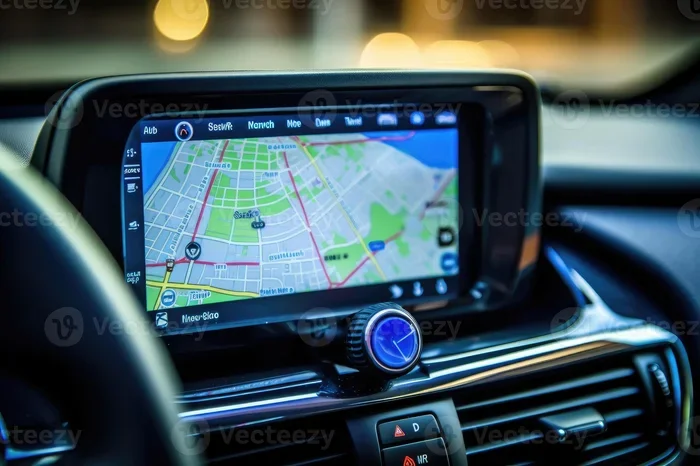
These are the classic GPS devices you mount on your dashboard. Brands like Garmin and TomTom make units that deliver full navigation without any GPS subscription. You pay once at the checkout and that is it.
These units come with preloaded maps for your region. They give you turn-by-turn directions, speed limit alerts, and red light camera warnings. Some models even offer offline live traffic updates through a built-in receiver that picks up traffic data via FM signals or Bluetooth from your phone.
The trade-off is that these devices do not get real-time updates like a smartphone app. You may need to manually update maps every year or so. But for pure navigation, they work great without ever costing you a recurring fee.
Built-In Car GPS Systems
Many modern vehicles come with factory-installed navigation. These built-in systems often work without a subscription for the first few years. After that, some automakers start charging for map updates and connected services.
For example, certain brands offer three years of free navigation and then require a paid plan for continued map updates. Other manufacturers never charge at all and provide free updates for the life of the vehicle. It really depends on the brand and model.
If you are buying a used car with a built-in GPS, check what is still covered. A system that was free when new might now require a GPS service plan that the previous owner never canceled.
Offline GPS Apps and Software
You can also turn your smartphone into a fully functional GPS without a subscription. Apps like OsmAnd and Maps.me let you download maps directly to your device. Once downloaded, they work completely offline with no internet connection required.
This approach gives you free GPS navigation with no monthly fee. The only cost is your phone’s data usage when downloading maps initially. After that, the app runs entirely offline and costs nothing.
GPS Features That Typically Require a Subscription
Now let us look at the features that do cost money. Understanding what you are paying for helps you decide if a subscription is worth it.
Live Traffic and Routing Updates
Real-time traffic data requires a constant connection to cellular networks. The GPS device or app receives live data about road conditions, accidents, and congestion. This information comes from a service provider who charges for access.
Some standalone GPS units include a built-in cellular modem for traffic updates. Others rely on your smartphone’s data connection through Bluetooth. Either way, you are paying for the data service, not just the GPS itself.
If you mostly drive familiar routes, you might not need live traffic at all. But if you commute through busy areas daily, this feature can save significant time. Just know it comes with a monthly GPS fee that adds up over the years.
Fleet Tracking and Vehicle Monitoring
Businesses that manage multiple vehicles need fleet tracking systems. These platforms monitor location, speed, idle time, and driver behavior in real time. The hardware in each vehicle connects to a cloud server that delivers this data.
Fleet GPS tracking always requires a subscription. The monthly fee covers the cloud infrastructure, data storage, and software updates. Prices vary based on the number of vehicles and features included.
For fleet managers, this is a necessary business cost. But for individual drivers, it is usually overkill. A simple standalone GPS or a free phone app handles personal navigation just fine.
Advanced Safety and Emergency Features
Some GPS devices offer roadside assistance, emergency crash notifications, and stolen vehicle tracking. These features connect to monitoring centers that provide 24/7 support.
Chevrolet’s OnStar and similar systems are good examples. They require an active subscription to access emergency services. Without the plan, the system still works for basic navigation but loses its connected safety features.
If safety features matter to you, factor the subscription cost into your total ownership price. A GPS lifetime subscription option can sometimes save money compared to paying month after month.
Subscription vs. No-Subscription: A Side-by-Side Comparison
Let us put the options side by side so you can see the clear differences.
| Feature | Subscription GPS | No-Subscription GPS |
|---|---|---|
| Upfront cost | Often lower | Usually higher |
| Monthly cost | $10 to $50+ | $0 |
| Live traffic | Yes | Limited or none |
| Map updates | Usually included | May require manual purchase |
| Fleet tracking | Yes | No |
| Emergency services | Often included | Not available |
| Long-term cost | Can exceed device price | Fixed and predictable |
| Works offline | Partially | Fully |
The table above shows a clear pattern. Subscription models keep your upfront cost low but add ongoing expenses. No-subscription models cost more at the start but save you money over time. For most personal drivers, the no-subscription route is the better value.
Quick tip: Always calculate the total cost of ownership. A $150 GPS with a $15 monthly fee costs $330 after 18 months. A $250 unit with no subscription costs less over the same period.
Smartphone GPS vs. Dedicated GPS Devices
Most people today use their smartphones for navigation. Apps like Google Maps and Waze have made dedicated GPS units less common. But each option has real advantages worth considering.
Why Smartphone GPS Works So Well
Your phone is essentially a powerful GPS device already. It uses the same satellite signals as any dedicated unit. The difference is that phone apps connect to the internet for live data like traffic and restaurant reviews.
Google Maps offers free navigation with no subscription whatsoever. Waze does the same with community-driven traffic alerts. Both apps work without paying a dime for the core navigation feature.
The downside is that phone GPS drains your battery quickly. It also requires a data connection for the best experience. If you travel in areas with poor cell coverage, a standalone unit with offline maps gives you more reliability.
When a Dedicated GPS Still Makes Sense
Dedicated GPS units still shine in certain situations. Truck drivers need devices that account for vehicle height, weight limits, and road restrictions. These specialized units often come with a GPS service plan that includes truck-specific routing.
Also consider drivers in areas with harsh weather. A dedicated unit mounted on your dash stays reliable even when your phone dies or loses signal. The screen is usually brighter and easier to read in direct sunlight too.
Quick tip: If you tow a trailer or regularly carry heavy loads, a dedicated GPS with vehicle-specific settings helps you plan safer routes. This is especially relevant when you are dealing with weight considerations like how much your rig actually carries.
Hidden Costs to Watch Out For
The GPS world has some sneaky costs that catch people off guard. Knowing what to look for helps you avoid unpleasant surprises.
The “Low Price” Trap
Some GPS devices sell for an incredibly low price. The catch is that the base maps are free but everything else costs extra. Traffic updates, lane guidance, and 3D landmarks might each require a separate add-on purchase.
Before buying, ask the salesperson what is included and what costs extra. A $99 GPS that needs $15 monthly for traffic and $10 monthly for maps is not actually a bargain.
Annual Map Update Fees
Even some no-subscription units charge for map updates after the first year. The device works fine with the maps it came with, but those maps become outdated over time.
Older maps can send you down roads that have changed or been closed. For safety and accuracy, factor in the cost of annual updates when calculating your total GPS expense.
Cancellation Hassles
Some GPS subscriptions are hard to cancel. You might need to call a phone line, wait on hold, and speak with a retention specialist who tries to talk you out of canceling.
Before you sign up for any recurring charge, read the cancellation policy. Look for “lifetime” or “one-time payment” options that give you permanent access without ongoing commitment.
How to Choose the Right GPS for Your Needs
With so many options available, picking the right GPS can feel overwhelming. Here is a simple framework to guide your decision.
Step 1: Identify What You Actually Need
Write down the features you use most. Do you need turn-by-turn directions only? Or do you rely on live traffic and real-time rerouting? Your actual usage pattern determines whether a subscription is worth it.
If you mostly drive the same routes, a no-subscription unit with preloaded maps is perfect. If you explore new areas frequently, live traffic data becomes more valuable.
Step 2: Set a Total Budget
Decide how much you are willing to spend over three to five years. Include the device cost, any subscription fees, and map update charges. This gives you a true comparison between options.
Many people focus only on the upfront price. But a $50 GPS that costs $200 per year in subscriptions is far more expensive than a $300 unit with no recurring fees.
Step 3: Check Compatibility with Your Vehicle
Make sure the GPS unit works well with your car. Consider mounting options, power connections, and screen size. A unit that fits your dashboard and powers on easily makes your daily driving experience much better.
Also think about your vehicle type. If you drive a heavy-duty truck or a diesel vehicle, you may benefit from GPS systems that account for your vehicle’s specific needs. Tracking your mileage and fuel efficiency becomes easier with the right setup, especially if you are someone who puts a lot of miles on your vehicle.
Step 4: Read Real User Reviews
Before purchasing any GPS device, read reviews from actual users. Look for feedback about subscription billing practices, map accuracy, and customer service experiences. Real-world insights often reveal issues that product descriptions hide.
Frequently Asked Questions
Can I use GPS without any internet connection?
Yes, absolutely. Basic GPS navigation works entirely through satellite signals, which do not require internet. You can get turn-by-turn directions and location tracking without any data connection. Just make sure your maps are preloaded or downloaded to the device before you lose signal.
Are free GPS apps as good as dedicated GPS devices?
For most drivers, free apps like Google Maps and Waze are excellent. They offer live traffic, rerouting, and points of interest at no cost. Dedicated GPS devices still have advantages for offline reliability, screen visibility, and specialized features like truck routing.
What is a GPS lifetime subscription?
A lifetime subscription means you pay once and get access to premium features forever. There are no recurring monthly or annual fees. This option is offered by some manufacturers and can save significant money compared to ongoing monthly payments.
Do built-in car GPS systems always require a subscription?
No, not always. Many factory-installed GPS systems work without any subscription, at least for the first few years. Some automakers provide free map updates for the life of the vehicle. Always check with the manufacturer before assuming there is a recurring fee.
Is fleet GPS tracking worth the subscription cost?
For businesses managing multiple vehicles, fleet GPS tracking is almost always worth it. The ability to monitor routes, driver behavior, and vehicle maintenance saves time and money. The subscription cost typically pays for itself through improved efficiency and reduced fuel waste.
Can I cancel my GPS subscription at any time?
Most GPS subscriptions allow cancellation, but the process varies by provider. Some let you cancel instantly through your online account. Others require you to call customer service. Always check the cancellation policy before signing up, and look for units with no-commitment options.
Final Thoughts
The world of GPS navigation has changed dramatically. Not long ago, a dedicated GPS unit was the only way to get directions on the road. Today, your smartphone handles most navigation needs for free.
But dedicated GPS devices still hold real value. They offer reliability, better screens, and specialized features that phone apps cannot match. The key is understanding which features you actually need and whether they come with a GPS subscription you are willing to pay.
For personal use, a no-subscription GPS or a free smartphone app covers nearly everyone’s needs. For businesses and specialized vehicle applications, a paid subscription delivers features that justify the cost.
Remember to always calculate your total cost of ownership. Factor in the device price, any recurring fees, and map update costs. A little homework upfront saves you from surprise expenses down the road.
Choose the option that fits your driving habits, your budget, and your vehicle. Whether you pick a free solution or invest in a paid GPS tracking system, the most important thing is that you feel confident and safe on every trip you take.
Frequently Asked Questions
What is Do All GPS Require a Subscription??
Do All GPS Require a Subscription? is an important topic with many practical applications.