How Many Gallons Does It Really Take to Fill Up Your Car
Have you ever wondered how many gallons does it take to fill up a car? The answer depends on your vehicle type, fuel tank design, and how low you let the gas gauge drop. Most compact cars need between 12 and 15 gallons of gas, while larger SUVs and trucks can require 25 gallons or more. Understanding your fuel tank capacity helps you budget for trips, avoid running dry, and save real money at the pump. This guide breaks down everything you need to know about fuel tank sizes, fuel economy, and smart filling habits for every driver.
Every driver has stood at the gas pump and asked the same question. How much fuel does my car actually need? It is a simple question with a surprisingly detailed answer. The amount of gallons of gas required to fill your vehicle depends on several factors. Your car type, tank design, and even the weather all play a role.
Whether you drive a small compact car or a large truck, knowing your fuel tank capacity is essential. It helps you plan road trips, budget for monthly expenses, and avoid the dreaded empty-tank situation. Many drivers go years without ever checking their gas tank size. That changes today.
In this guide, we will walk through everything you need to know about how many gallons does it take to fill up a car. We will look at real numbers, practical tips, and common mistakes. By the end, you will have a clear picture of your vehicle’s fuel needs and how to manage them wisely.
Key Takeaways
- Tank sizes vary widely: Compact cars hold 10–15 gallons, while full-size trucks can carry 30+ gallons.
- Most vehicles need 12–28 gallons to fill up: The exact number depends on your car type and how low the gauge reads.
- Fuel gauge readings are not perfectly accurate: You often still have 2–3 gallons left when the light comes on.
- Driving habits affect fuel consumption: Aggressive driving, AC use, and excess cargo all reduce your miles per gallon.
- Smart filling habits save money: Fill up early, use the right octane, and track your fuel economy over time.
- Running on empty damages your car: It strains the fuel pump and can introduce sediment into the engine.
- Hybrid vehicles use smaller tanks: Their hybrid fuel tank design shares the workload with electric power for better fuel economy.
📑 Table of Contents
Understanding Your Car’s Fuel Tank Capacity
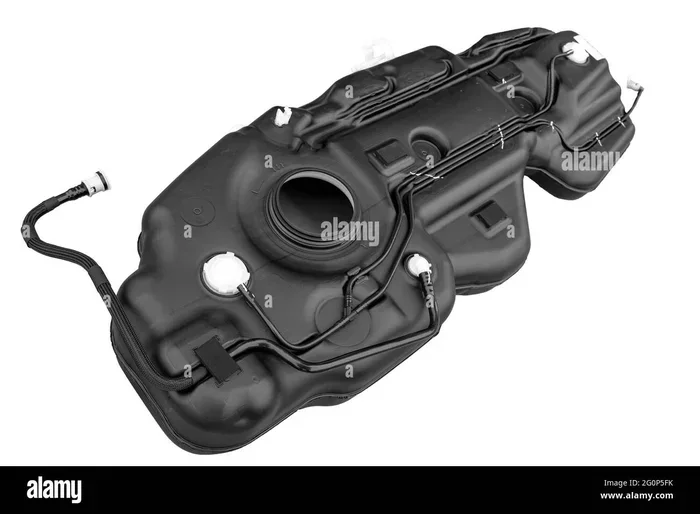
Your car’s fuel tank capacity is the maximum amount of fuel it can safely hold. This number is set by the manufacturer during the design process. It depends on the available space under the car, safety regulations, and the vehicle’s intended use. You can usually find this number in your owner’s manual or on the manufacturer’s website.
The gas tank size is not the same as the amount you actually add at the pump. Most fuel gauges show empty with 2 to 3 gallons still remaining. This reserve fuel acts as a safety buffer. So when you fill up from the low-fuel warning light, you are adding less than the full tank capacity.
What Determines Tank Size?
Several factors influence how big your fuel tank is. The vehicle’s overall size is the most obvious one. A tiny hatchback does not have the space for a 30-gallon tank. A full-size pickup truck does. But it goes deeper than just physical space.
Safety regulations play a big role too. Modern cars must meet strict crash standards. These rules affect where the tank can be placed and how it is shaped. Fuel type also matters. Hybrid fuel tank designs are often smaller because the electric motor handles part of the workload. Some older vehicles also feature a separate reserve fuel compartment below the main tank level.
Average Tank Sizes by Vehicle Type
Here is a general breakdown of typical fuel tank capacity across different vehicle categories. Keep in mind these are averages. Your specific model may differ.
- Compact cars: 10 to 14 gallons
- Sedans: 14 to 18 gallons
- SUVs: 18 to 26 gallons
- Trucks: 22 to 36 gallons
- Hybrids: 10 to 16 gallons
These numbers give you a solid starting point. But the exact size depends on the specific model and year. Always check your owner’s manual for the precise gas tank size. You can also look for a sticker inside the driver’s door frame on many newer vehicles.
| Vehicle Type | Average Tank Size (gal) | Gallons to Fill from Empty | Fill Cost at $3.50/gal |
|---|---|---|---|
| Compact Car | 12 | 12 | $42.00 |
| Sedan | 16 | 16 | $56.00 |
| SUV | 22 | 22 | $77.00 |
| Truck | 28 | 28 | $98.00 |
| Hybrid | 13 | 13 | $45.50 |
As you can see from the table, the cost to fill up varies a lot. A compact car owner might spend $40 per fill-up, while a truck driver could pay nearly $100. Over a year, these differences add up significantly.
How Many Gallons Does It Really Take to Fill Up Your Car?
The direct answer to how many gallons does it take to fill up a car depends entirely on your specific vehicle. There is no single number that fits every driver. A compact car tank needs far less fuel than a large pickup truck. Your driving habits and the condition of your car fuel tank also matter.
When we talk about filling up, we usually mean going from nearly empty to completely full. Most fuel gauges show empty with about 2 to 3 gallons still in the tank. So the actual gallons of gas you add at the pump may be slightly less than the total tank capacity. This is an important distinction many drivers overlook.
Compact Cars and Sedans
Small cars are the most fuel-friendly vehicles on the road. Their compact car tank holds between 10 and 15 gallons on average. Popular models like the Honda Civic and Toyota Corolla typically carry about 12 to 14 gallons.
Filling up a sedan from empty usually costs between $40 and $60 at current fuel prices. These vehicles deliver excellent fuel economy, often achieving 30 to 40 miles per gallon on the highway. This means you can cover 360 to 560 miles on a single fill-up. For daily commuters, that could mean filling up only once or twice a week.
The small sedan gas tank also makes these cars easy to park at gas stations. You never have to worry about finding a pump that reaches your filler neck. This is a small convenience that adds up over years of ownership.
SUVs and Trucks
Larger vehicles need significantly more fuel to operate. A typical SUV fuel capacity ranges from 18 to 26 gallons. Full-size trucks like the Ford F-150 and Ram 1500 can hold 25 to 36 gallons or even more in some configurations.
Filling up a truck from empty can cost $90 to $125 or more. These vehicles prioritize power and cargo space over fuel efficiency. Their gas mileage is lower, often ranging from 15 to 22 MPG combined. But they offer capability that smaller cars simply cannot match. Towing, hauling, and off-road driving all demand that extra fuel capacity.
Truck owners should plan fuel stops carefully on long trips. A 30-gallon tank gives you a range of about 450 to 600 miles depending on your MPG rating. But towing a heavy trailer can cut that range in half. Always check your expected fuel consumption before heading out on a long drive.
Hybrid and Electric Vehicles
Hybrid vehicles present a different picture when it comes to how many gallons does it take to fill up a car. Their hybrid fuel tank is usually smaller because the electric motor shares the workload. A Toyota Prius, for example, carries about 11 to 12 gallons of gasoline.
Plug-in hybrids can go even further on electric power alone. When they do use gas, they achieve remarkable fuel economy, sometimes exceeding 50 MPG. This means a hybrid driver might fill up only once every two to three weeks for typical commuting.
Fully electric vehicles have no gas tank at all. They charge from an electrical outlet or charging station instead. If you are considering an EV, your fuel cost drops dramatically. Electricity is generally cheaper than gasoline per mile driven. However, range anxiety and charging time remain factors to consider.
Factors That Affect How Much Fuel You Need
Several factors influence how much fuel you actually put in your tank and how far you can go on it. Understanding these variables helps you plan better and avoid surprises.
Fuel Gauge Accuracy
Here is something many drivers do not realize: fuel gauges are not perfectly accurate. The needle may show empty when you still have 2 or 3 gallons left in the car fuel tank. This reserve fuel gives you a safety buffer and prevents you from getting stranded.
Temperature also affects gauge readings. Cold weather can make the gauge read lower than the actual fuel level. Heat can cause the opposite effect. Do not panic if the gauge drops quickly on a hot day. Your fuel tank capacity has not changed. The fuel is simply expanding or contracting with the temperature.
The age of your vehicle also matters. Older cars often have less accurate fuel gauges. The sending unit inside the tank can wear out over time. If your gauge jumps around erratically, it might be time for a replacement. A faulty gauge can make it hard to know exactly how many gallons does it take to fill up a car in your specific situation.
Reserve Tank vs. Main Tank
Some vehicles have a separate reserve compartment. This is common in older cars and certain truck models. The main tank feeds the engine during normal driving. The reserve tank kicks in automatically when the main level drops low.
When your low fuel warning light comes on, you are using the reserve. This gives you roughly 25 to 50 more miles of driving. But do not make a habit of running on reserve. It can strain the fuel pump over time. The pump relies on fuel flowing through it for cooling. Running low for too long can cause overheating and premature failure.
Modern cars have largely eliminated separate reserve tanks. Instead, they use the bottom of the main tank as the reserve. The principle is the same. There is still fuel left when the warning light appears. But the amount varies by manufacturer and model.
Driving Habits and Fuel Consumption
Your driving style directly impacts fuel consumption and how often you need to fill up. Aggressive acceleration burns more gas than smooth, gradual starts. Hard braking wastes the momentum your engine worked hard to create. Both habits reduce your overall fuel economy.
Highway speeds above 70 mph also reduce efficiency. Air resistance increases exponentially at higher speeds. Your car burns noticeably more fuel at 80 mph than at 65 mph. Even a 5 mph reduction can improve your MPG rating by 7 to 14 percent.
Air conditioning is another major factor. Running the AC at full blast can reduce your gas mileage by 10 to 20 percent. On hot days, consider using the recirculation mode. It cools the cabin faster and uses less energy than pulling in hot outside air. At lower speeds, opening the windows can be more efficient than using the AC.
How to Calculate Your Personal Fuel Needs
Now that you understand tank sizes and the factors that affect fuel use, let us talk about how to calculate your personal fuel needs. This is practical knowledge every driver should have in their toolkit.
Using Your MPG to Estimate
Your vehicle’s MPG rating is the key to calculating fuel needs. Check the window sticker on a new car or look up the model online. The EPA provides combined city/highway MPG numbers for every new vehicle sold in the United States.
Here is a simple formula: divide your tank capacity by your MPG. If your tank holds 15 gallons and your car gets 30 MPG, you can drive about 450 miles on a full tank. This is your real-world gas mileage range under normal conditions.
Track your actual fuel economy over several fill-ups. Real-world numbers often differ from EPA estimates. Your driving conditions, speed, cargo load, and even tire pressure all affect the result. Keep a simple log in your phone or notebook. After a few months, you will have a very accurate picture of your personal fuel consumption pattern.
Fuel Cost Calculator Tips
Want to know how much filling up costs? Multiply your tank capacity by the current price per gallon. If gas costs $3.50 per gallon and your tank holds 16 gallons, a full tank costs $56. Simple math, but it adds up fast.
Many apps can automate this calculation for you. GasBuddy and AAA offer fuel cost calculators that adjust for local prices. These tools help you budget for road trips and daily commutes alike. Some apps even track your fill-up history and calculate your average cost per mile.
Here is a quick example. Let us say you drive 1,000 miles per month and your car gets 25 MPG. You need 40 gallons of gas per month. At $3.50 per gallon, that is $140 per month or $1,680 per year. Knowing this number helps you evaluate whether a more fuel-efficient vehicle would save you real money over time.
Quick Tips for Filling Up Smartly
Filling up your car seems simple. But small changes in how and when you fill up can save you real money over time. Here are proven strategies that actually work.
- Fill up early in the morning. Gas is denser when it is cool. You get slightly more fuel per gallon during cooler hours. Early morning fill-ups are especially beneficial in summer.
- Use the recommended octane. Higher octane does not improve performance for most cars. Save your money and stick with regular unless your manual specifically calls for premium.
- Keep your tires properly inflated. Underinflated tires create more rolling resistance. This reduces fuel economy by up to 3 percent. Check your tire pressure at least once a month.
- Remove excess weight from your car. Extra cargo makes the engine work harder and burns more fuel. Clean out your trunk and remove unnecessary items regularly.
- Use cruise control on highways. Steady speeds improve car fuel efficiency significantly. Avoid using cruise control on hilly terrain where it can cause unnecessary acceleration.
- Close windows at highway speeds. Open windows create aerodynamic drag that reduces gas mileage. At speeds above 45 mph, closed windows with the AC on are more efficient.
Common Mistakes People Make When Filling Up
Even experienced drivers make mistakes at the pump. Avoiding these common errors can save money and keep your car running smoothly for years to come.
- Running on empty too often. This habit can damage the fuel pump. Sediment and debris settle at the bottom of the tank. When you run low, the pump sucks up this gunk, which can clog filters and damage the engine over time.
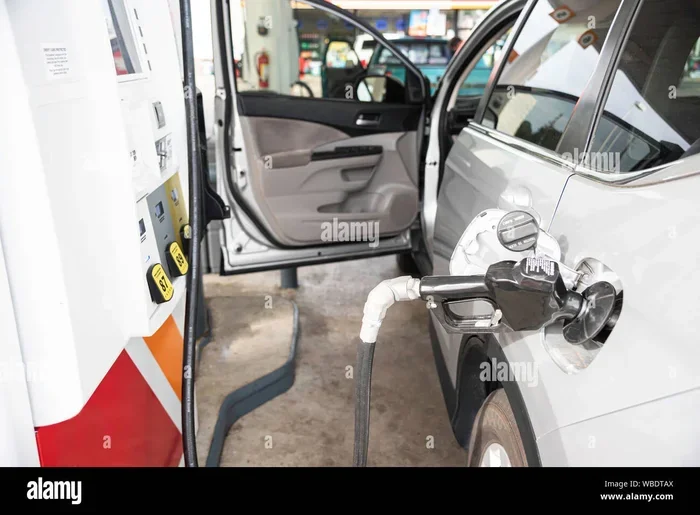
- Overfilling the tank. Topping off after the pump clicks off can cause fuel to expand and overflow. Modern cars have vapor recovery systems. Overfilling can damage these systems and cause fuel to leak onto the ground and your shoes.
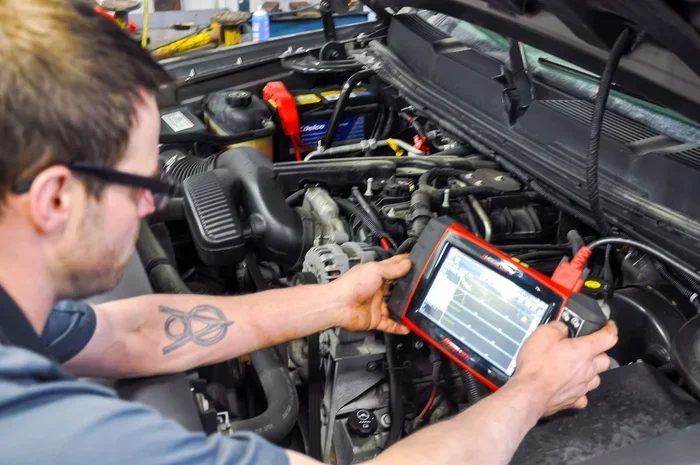
- Ignoring the check engine light. This light can signal fuel system problems, including issues with the oxygen sensor or fuel injectors. Address it promptly to avoid costly repairs down the road.
- Using the wrong fuel grade. Premium gas does not help engines designed for regular fuel. Check your owner’s manual for the recommended octane. Using a higher grade than needed is simply wasted money.
- Not tracking fuel purchases. Without records, you cannot spot declining fuel economy that signals a problem. A sudden drop in MPG could indicate a leaking fuel injector, dirty air filter, or other issue that needs attention.
Avoiding these mistakes is one of the easiest ways to get the most out of every gallon. It also helps you answer the question of how many gallons does it take to fill up a car more accurately over time, since you will have better data on your actual usage patterns.
Conclusion
So, how many gallons does it take to fill up a car? The answer varies by vehicle but now you have the tools to find your specific number. From compact sedans to full-size trucks, every car has a unique fuel tank capacity that shapes your refueling experience. Understanding this number is the first step toward smarter fuel management.
Knowing your gas tank size helps you budget, plan trips, and avoid running dry. Pair this knowledge with smart filling habits and you will save money every time you visit the pump. Track your MPG rating, stay aware of your fuel economy, and monitor your fuel consumption patterns. These simple practices pay off significantly over months and years of driving.
Take a moment today to check your owner’s manual. Find your car’s exact tank capacity. Use the tips in this guide to fill up smarter and drive more efficiently. Your wallet will thank you on every trip. And the next time someone asks you how many gallons does it take to fill up a car, you will have a confident, accurate answer ready.
Frequently Asked Questions
How many gallons does it take to fill up a sedan?
Most sedans have fuel tanks that hold between 14 and 18 gallons. The exact number depends on the make and model. Smaller sedans like the Honda Civic may hold around 12 gallons, while larger models like the Toyota Camry can hold up to 16 gallons. Check your owner’s manual for the precise fuel tank capacity of your specific sedan.
How much does it cost to fill up a car?
The cost depends on your tank size and the current price of gasoline. Multiply your tank capacity in gallons by the price per gallon. For example, a 16-gallon tank at $3.50 per gallon costs $56 to fill. Track local gas prices through apps like GasBuddy to get accurate estimates for your fuel cost calculations.
How many miles can you drive on a full tank?
Divide your tank capacity by your MPG rating to estimate your range. A car with a 15-gallon tank and 30 MPG can drive about 450 miles. Real-world numbers vary based on driving habits, traffic, and road conditions. Always plan fuel stops for long trips and do not rely solely on your fuel gauge for range estimates.
Why does my fuel gauge read differently after filling up?
Fuel gauges are not perfectly precise. The reading can vary based on temperature, fuel density, and the position of the float sensor inside the tank. Filling up at different speeds or angles can also cause slight variations. These differences are normal and do not indicate a problem with your car fuel tank.
Does the type of gas affect how much fuel the tank holds?
No, the tank holds the same volume regardless of fuel type. However, different fuel grades have different energy densities. Regular, mid-grade, and premium gasoline all contain the same number of gallons. The difference is in the octane rating, not the volume. Always use the grade recommended by your manufacturer for optimal fuel economy.
Is it bad to fill up your tank completely every time?
Filling up completely is generally fine and can even be beneficial. It gives you a consistent baseline for tracking your fuel consumption and MPG. However, avoid topping off past the pump’s automatic click-off. Overfilling can damage the vapor recovery system and cause fuel to spill. A full tank also reduces condensation buildup inside the tank, which is good for long-term fuel quality.