How Do You Pop a Hood Without a Latch Complete Guide
Knowing how to pop a hood without a latch is a crucial skill every driver should have. Whether your latch is broken, frozen, or jammed, several reliable methods can get your hood open safely. This guide walks you through step-by-step solutions, from emergency techniques to long-term repairs, so you are never stranded with a closed hood.
Ever found yourself standing in front of your car, staring at a hood that just will not open? It is one of those frustrating moments that can throw off your entire day. Maybe the latch broke after hitting a bump, or perhaps the cable snapped on a cold morning. Whatever the reason, popping a hood without a latch is something you can do with the right knowledge and a few basic tools.
This guide gives you everything you need to know. We will cover simple emergency tricks, step-by-step repair methods, and tips to prevent the problem from happening again. Whether you drive a sedan, truck, or SUV, the principles remain the same. Let us get into it.
Understanding how your hood latch works makes the whole process much easier. Most vehicles use a hood release cable connected to a lever inside the cabin. When you pull that lever, the cable tugs on the latch, releasing the hood. But when that system fails, you need a backup plan. The good news is that several reliable methods exist to get the job done.
Key Takeaways
- Multiple Methods Exist: You can use a hood release cable, pliers, or a latch key to open a hood without a working latch mechanism.
- Safety Comes First: Always secure the hood with a prop rod or support brace before working under the engine.
- Prevention Beats Repair: Regular maintenance of your hood latch system prevents most failures and extends the life of your vehicle components.
- Emergency Situations Need Quick Thinking: Knowing the secondary release location and having basic tools on hand can save you time and money.
- Professional Help Is Always an Option: If DIY methods fail, a mechanic can diagnose and fix complex latch issues affordably.
- Know Your Vehicle: Different cars have different hood release systems, so familiarizing yourself with your specific model helps in emergencies.
📑 Table of Contents
Why Hood Latches Fail
A hood latch might seem like a simple piece of hardware, but it endures a lot of stress over time. Understanding why latches fail helps you prevent problems before they start.
Common Causes of Hood Latch Failure
- Rust and corrosion: Exposure to moisture, road salt, and debris causes metal parts to weaken over time.
- Cable fraying or snapping: The release cable stretches or breaks with repeated use, especially in older vehicles.
- Broken spring mechanism: The spring that holds the latch closed can wear out or snap entirely.
- Impact damage: Driving over potholes or hitting debris can misalign or damage the latch assembly.
- Freezing temperatures: Moisture trapped in the latch mechanism can freeze, preventing the hood from opening.
- Worn latch pins: The pins and hinges that connect the latch to the hood can erode with mileage.
For drivers who have logged serious mileage, these issues become more likely. If your vehicle has seen a lot of use, it is worth paying attention to any early warning signs like a loose feel or unusual noise when releasing the hood.
Tools You Will Need
Before you start, gather the right tools. Having everything ready makes the process smoother and safer. You do not need anything fancy, but a few essential items will make a big difference.
- Flathead screwdriver: Useful for prying and manipulating latch components.
- Needle-nose pliers: Great for gripping cables and small parts inside the engine bay.
- Hood latch key: A specialized key that many vehicles accept for manual latch release.
- Wire or strong string: Can be used to pull the release cable from outside the car.
- Lubricant spray (WD-40 or similar): Helps free stuck mechanisms and corroded parts.
- Towel or glove: Protects your hands from sharp edges and hot surfaces.
- Flashlight: Essential for seeing inside the engine compartment, especially at night.
Keep these tools in your garage or trunk. Being prepared saves time and frustration when something goes wrong unexpectedly.
How to Pop a Hood Without a Latch
Now for the main event. Here are the most effective methods for opening a hood when the latch is not working. Each method works for different situations, so read through them and pick the one that fits your problem best.
Method 1: Use the Emergency Hood Release Cable
Most vehicles have an emergency release mechanism built into the hood latch system. This is often a cable or lever located inside the engine bay, near the front of the car. Here is how to find and use it.
- Open the front grille or splash guard if your vehicle has one.
- Look for a cable or lever near the latch assembly.
- Pull the cable or flip the lever with your hand or a pair of pliers.
- The hood should pop up slightly, giving you room to lift it fully.
This method works on most modern vehicles and is the least invasive option. Check your owner manual for the exact location of the emergency release on your specific model.
Method 2: Manipulate the Latch with a Screwdriver
If the emergency cable is not accessible or not working, you can try manually manipulating the latch mechanism. This requires a bit of patience and care.
- Open the hood as far as it will go (even if it is just a crack).
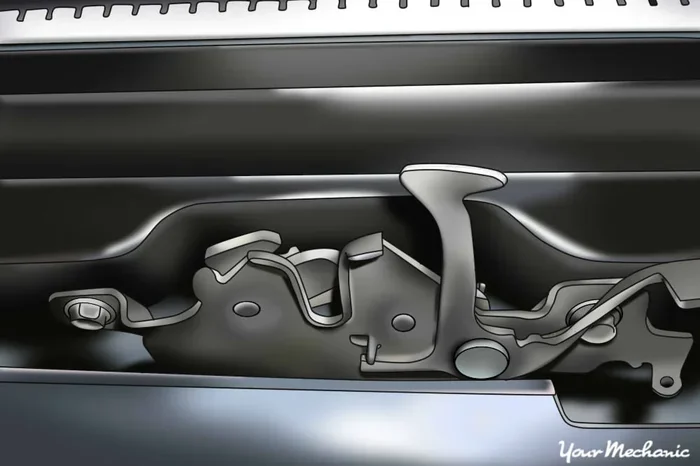
- Locate the latch assembly where the hood meets the front bumper.
- Insert a flathead screwdriver into the latch mechanism.
- Gently push or pry the latch pin to release it.
- Lift the hood and secure it with a prop rod.
Be careful not to scratch the hood or damage surrounding components. Go slowly and apply gentle pressure. Forcing the latch can cause additional damage that costs more to repair.
Method 3: Pull the Release Cable from Under the Vehicle
Some vehicles allow you to access the hood release cable from underneath the car. This method works well when the cable has snapped but the latch itself is still functional.
- Safely jack up the front of the vehicle and secure it with jack stands.
- Locate the hood release cable near the steering column or firewall.
- Follow the cable to where it connects to the latch.
- Use pliers to pull the cable end and release the latch.
This approach requires you to get under the car, so always prioritize safety. Never work under a vehicle supported only by a jack.
Method 4: Use a Hood Latch Key
Many vehicles come with a secondary hood latch key, usually stored in the owner’s manual or glove compartment. This key fits into a lock on the front grille or hood itself.
- Locate the keyhole on the front of the vehicle, often near the manufacturer’s logo.
- Insert the key and turn it to release the latch.
- The hood will pop up, allowing you to lift it open.
If you do not have the key, a locksmith can provide a replacement relatively quickly and affordably. Keep a spare key in a safe place to avoid this situation in the future.
Method 5: Apply Heat or Lubricant to Free a Frozen Latch
In cold weather, moisture inside the latch mechanism can freeze, making the hood impossible to open. This is a common issue in winter months and affects many drivers.
- Spray a penetrating lubricant like WD-40 directly onto the latch mechanism.
- Wait 5-10 minutes for the lubricant to work its way into the frozen parts.
- Try the release lever again. If it still sticks, apply gentle heat with a hair dryer or warm cloth.
- Never use an open flame or excessive heat near fuel lines or plastic components.
Once the latch frees up, open the hood and wipe away any excess moisture. Consider applying a silicone-based lubricant to prevent future freezing.
How Heavy Is a Car Hood and Why It Matters
One thing people often overlook is the weight of a car hood. A typical hood weighs between 20 and 50 pounds, depending on the vehicle size and material. That is significant weight resting on hinges and latches. When a latch fails, the entire weight of the hood shifts to whatever support you provide.
For those curious about vehicle weight and how it affects different components, check out our detailed breakdown of what counts as heavy for a car and how weight distribution impacts vehicle performance and maintenance.
The weight of the hood also explains why prop rods and support braces are so important. Never rely on a hood that is only held up by its hinges without a secondary support. A hood that falls unexpectedly can cause serious injury or damage to the engine bay components.
Preventing Hood Latch Problems
The best way to deal with a hood latch issue is to prevent one from happening in the first place. Regular maintenance goes a long way toward keeping your hood latch system in good working order.
Simple Maintenance Tips
- Lubricate the latch regularly: Apply a silicone-based spray every 6 months to keep the mechanism moving smoothly.
- Check the release cable: Inspect the cable for fraying or slack every time you change your oil.
- Clean the latch area: Remove dirt, debris, and salt buildup, especially after driving in winter conditions.
- Test the hood release: Occasionally pull the release lever to ensure it engages properly.
- Inspect the prop rod: Make sure the hood support is secure and not rusted or damaged.
For vehicles with higher mileage, these checks become even more important. Regular maintenance on your car not only keeps the hood latch working but also extends the life of many other critical systems. If you want to understand how mileage impacts vehicle health, our guide on what constitutes high mileage for a diesel engine offers valuable insights into vehicle longevity and maintenance schedules.
When to Replace the Entire Latch Assembly
Sometimes repair is not enough, and you need a full replacement. Signs that your latch assembly needs replacing include:
- The hood will not stay closed even when the latch engages.
- The release cable has no tension or feels loose no matter how you adjust it.
- Visible cracks or breaks in the latch housing.
- The hood latch does not align properly with the striker plate.
- Multiple repair attempts have not resolved the issue.
A new latch assembly typically costs between $50 and $150 for parts, plus labor if you hire a mechanic. Replacing the latch yourself is doable with basic mechanical skills and about 30 minutes of time.
Safety Tips When Working With a Hood
Working with a hood that has a compromised latch system requires extra caution. Safety should always be your top priority.
- Always use a prop rod or hood support: Never let a hood rest on its hinges alone when you have your head under it.
- Let the engine cool completely: Hot engine components can cause burns. Wait at least 30 minutes after driving before opening the hood.
- Wear gloves: Protect your hands from sharp metal edges and hot surfaces.
- Work on a flat surface: Park on level ground and engage the parking brake before starting any work.
- Keep tools organized: Placing tools near the work area prevents accidental drops into the engine bay.
Taking these precautions seriously prevents injuries and protects your vehicle from accidental damage. A few extra minutes of preparation can save you hours of trouble later.
When to Call a Professional
While many hood latch issues can be resolved with DIY methods, some situations call for professional help. If you have tried multiple approaches and the hood still will not open, it is time to consult a mechanic. Complex latch assemblies, electrical release systems, or structural damage to the hood frame often require specialized tools and expertise.
A professional mechanic can diagnose the root cause quickly and provide a lasting fix. Most hood latch repairs are affordable and can be completed in under an hour. Do not let pride or impatience lead to further damage. Knowing when to ask for help is a sign of smart car ownership.
In some cases, the issue may be related to broader vehicle problems such as frame alignment or electrical system failures. A thorough inspection by a qualified technician ensures that no underlying issues go unnoticed.
Key Takeaways
- Multiple Methods Exist: You can use an emergency release cable, a screwdriver, or a hood latch key to open a hood without a working latch mechanism.
- Safety Comes First: Always secure the hood with a prop rod or support brace before working under the engine.
- Prevention Beats Repair: Regular maintenance of your hood latch system prevents most failures and extends the life of your vehicle components.
- Emergency Situations Need Quick Thinking: Knowing the secondary release location and having basic tools on hand can save you time and money.
- Know Your Vehicle: Different cars have different hood release systems, so familiarizing yourself with your specific model helps in emergencies.
- Professional Help Is Always an Option: If DIY methods fail, a mechanic can diagnose and fix complex latch issues affordably.
Conclusion
Dealing with a hood that will not open is stressful, but it does not have to be a crisis. With the methods outlined in this guide, you now have several reliable options for popping a hood without a latch. From emergency cable releases to manual manipulation and lubrication tricks, you are well equipped to handle most situations on your own.
Remember that prevention is your best ally. Regular maintenance, lubrication, and inspections keep your hood latch system working smoothly for years. And when all else fails, a professional mechanic is just a phone call away. Stay prepared, stay safe, and never let a stubborn hood ruin your day.
Frequently Asked Questions
Can you drive with a broken hood latch?
It is not recommended. A broken latch may allow the hood to fly open while driving, which is extremely dangerous. If you must drive a short distance, secure the hood with additional straps or bungee cords and have it repaired immediately.
How much does it cost to replace a hood latch?
Parts typically cost between $50 and $150, with labor adding $50 to $100 if you hire a mechanic. DIY replacement saves on labor costs and is manageable for most car owners with basic tools.
What causes a hood latch to freeze in winter?
Moisture trapped inside the latch mechanism freezes at low temperatures, causing the latch to seize up. Regular application of a silicone lubricant and keeping the latch area clean helps prevent this common winter problem.
Is there a universal hood latch key?
No, hood latch keys vary by manufacturer and model. Check your owner manual for the correct key type. Many auto parts stores and locksmiths can provide a replacement if you have lost yours.
How often should I lubricate my hood latch?
Every 6 months is a good rule of thumb. Vehicles driven in harsh conditions, such as coastal areas or winter climates, may need lubrication more frequently to prevent rust and freezing.
What should I do if the hood release cable snaps?
You can try pulling the cable end directly from inside the engine bay using pliers. If the cable has retracted completely, you may need to access it from underneath the vehicle or use one of the alternative methods described in this guide.