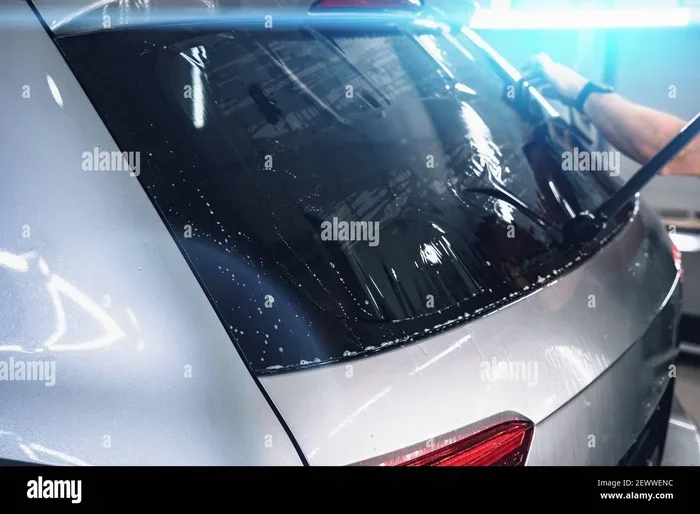
20 Percent Window Tint: A Complete Guide Worth Reading
20 percent window tint strikes the ideal balance between style, comfort, and protection. It blocks harmful UV rays, reduces heat, and adds privacy without going too dark. This guide breaks down everything you need to know about VLT, legal limits, and installation.
If you have ever sat in a hot car and felt the sun beating down on your dashboard, you know the struggle. A 20 percent window tint can change that experience completely. It darkens your windows just enough to add style, comfort, and protection without crossing into illegal territory. Whether you drive a daily commuter or a weekend cruiser, this shade level offers a sweet spot that many car owners love.
But what exactly does 20% tint mean? How does it compare to lighter or darker shades? And what should you look for when choosing a film? This guide answers all those questions and more. We will walk you through visible light transmission, heat rejection, UV protection, legal limits, and the best film types. By the end, you will know if a 20 percent window tint is the right move for your vehicle.
If you own one of the popular 20 to 25 lakh cars in India, you will appreciate how a 20% tint elevates both the look and the comfort of your ride. It gives your car a sleek, polished appearance while keeping the interior cooler. Let us dive into the details of this popular tint shade.
Key Takeaways
- Know Your VLT: 20% tint allows 20% of light in, offering a dark look while staying street legal in many regions.
- Heat and UV Protection: A quality 20% film can reject up to 70% of solar heat and block 99% of UV rays.
- Legal Limits Matter: Tint laws vary by state and window position. Always check local rules before tinting.
- Film Type Choices: Ceramic and carbon films offer the best performance for a 20% shade without signal interference.
- Professional Installation Wins: Expert fitting ensures a bubble-free, durable finish and helps you stay within legal limits.
- Maintenance Is Simple: Proper cleaning with ammonia-free products keeps your 20% tint looking great for years.
📑 Table of Contents
What Is 20 Percent Window Tint?
The term 20 percent window tint refers to the visible light transmission (VLT) of the film. VLT measures how much light the tint allows to pass through your glass. A 20% tint lets in 20% of the available light and blocks the remaining 80%. This results in a noticeably darker window that still allows safe driving during the day.
Understanding Visible Light Transmission
VLT is expressed as a percentage. The lower the number, the darker the tint. For example, a 5% tint is very dark and often illegal for front windows. A 50% tint is light and barely noticeable. A 20% tint sits in the middle, offering a bold look with practical benefits. Here is a quick breakdown of common VLT shades:
- 50% VLT: Light tint. Good for reducing glare but barely changes the look of the car.
- 35% VLT: Medium tint. Popular for a sporty appearance while maintaining good visibility.
- 20% VLT: Dark tint. Offers strong privacy, heat rejection, and UV protection.
- 5% VLT: Limo tint. Very dark. Usually restricted to rear windows only.
When you choose a 20 percent window tint, you are selecting a shade that balances aesthetics with function. It darkens the cabin enough to feel comfortable on sunny days, yet it does not make nighttime driving unsafe. This is why 20% remains one of the most requested tint levels.
Benefits of a 20 Percent Window Tint
A 20% window tint does more than make your car look cool. It provides real, measurable benefits that improve your daily driving experience. Let us explore the top advantages.
Heat Rejection and Comfort
One of the biggest reasons people tint their windows is to reduce heat. A quality 20 percent window tint can reject up to 70% of solar energy. That means your car stays cooler on hot summer days. You spend less time cranking the air conditioner, which can even improve fuel economy. If your vehicle weighs 000 lbs heavy for a car, the extra mass can trap heat inside. Tint helps fight that by blocking infrared radiation before it reaches your seats and dashboard.
UV Protection for You and Your Interior
Ultraviolet rays are harmful to your skin and can fade your upholstery, dashboard, and trim. A good 20% tint blocks up to 99% of UVA and UVB rays. This protection is especially important for families who spend a lot of time in the car. Children and pets benefit greatly from reduced UV exposure. Over time, you will notice your interior stays newer and crack-free longer.
Glare Reduction for Safer Driving
Sun glare and headlight glare can be dangerous, especially on long drives. A 20 percent window tint cuts down on this glare significantly. You will experience less eye strain and better visibility during sunrise, sunset, and night driving. For drivers who cover 000 miles a lot for a diesel, reducing glare on highway trips can make a big difference in comfort and safety.
Privacy and Security
Darker windows make it harder for people outside to see into your car. This adds a layer of privacy for you and your passengers. It also discourages thieves, as they cannot easily spot valuables left inside. A 20% tint gives you that privacy without making your car look like a private limousine.
Style and Appearance
Let us not forget the look. A 20 percent window tint gives your car a sleek, customized appearance. It ties the whole vehicle together and can make even an older model look modern. Many car enthusiasts choose this shade because it stands out without being overly aggressive.
Legal Limits for 20% Tint
Tint laws vary widely by country, state, and even city. Before you get a 20 percent window tint, you must know the rules that apply to your vehicle. Breaking tint laws can lead to fines, failed inspections, or orders to remove the film.
Front Side Window Rules
In many places, front side windows must allow more light than 20%. Some states require a minimum VLT of 35% or 50% for the driver and passenger windows. This means a 20% tint might be legal only on the rear side windows and the back windshield. Always check your local Department of Motor Vehicles guidelines or consult a professional installer.
Rear and Rear Windshield Rules
Rear windows and the rear windshield often have looser restrictions. In many regions, a 20% tint is perfectly legal on these windows. Some states allow any darkness on the rear windows as long as the car has side mirrors that provide adequate visibility. A few states require a dual side mirror setup if the rear window is tinted darker than a certain percentage.
Medical Exemptions
If you or a family member has a medical condition that makes you sensitive to sunlight, you may qualify for a tint exemption. These exemptions often allow darker tints than the standard legal limit. You will need a doctor’s note and possibly a special permit. The rules for medical exemptions differ by jurisdiction, so research the process in your area.
Penalties for Illegal Tint
Getting caught with illegal tint can result in a fix-it ticket, a fine, or both. In some cases, you must remove the tint before you can pass your vehicle inspection. To avoid these headaches, always choose a tint level that complies with local laws. A 20 percent window tint is a safe choice for rear windows in most areas, but the front windows may need a lighter shade.
Types of Window Tint Films for 20% Shade
Not all tint films are created equal. The material and technology used in the film affect performance, durability, and price. Here are the most common types available in a 20% shade.
Dyed Window Tint
Dyed film is the most affordable option. It uses layers of dye to absorb heat and reduce light transmission. A 20% dyed tint looks dark and rich. However, dyed films tend to fade over time and offer less heat rejection than advanced options. They are a good starting point if you are on a tight budget.
Metalized Window Tint
Metalized films contain tiny metallic particles that reflect heat away from the car. They are more durable than dyed films and do not fade easily. A 20% metalized tint offers excellent heat rejection and a shiny, mirror-like appearance. The downside is that metal can interfere with cell phone signals, GPS, and radio frequencies.
Carbon Window Tint
Carbon film does not contain metal, so it avoids signal interference. It provides a matte, non-reflective finish that many people prefer. Carbon tints offer strong heat rejection and UV protection. A 20% carbon tint is a popular choice for those who want performance without the metallic look.
Ceramic Window Tint
Ceramic film is the premium option. It uses nano-ceramic particles to block heat and UV rays without affecting visibility or signal strength. Ceramic tints offer the highest level of heat rejection and clarity. They are also the most expensive. If you want the best 20 percent window tint experience, ceramic is the way to go.
Comparison Table: Tint Film Types
| Film Type | Heat Rejection | UV Protection | Signal Interference | Durability | Price Range |
|---|---|---|---|---|---|
| Dyed | Moderate | Good | None | Low (fades over time) | Budget-friendly |
| Metalized | High | Very Good | Yes | High | Mid-range |
| Carbon | High | Excellent | No | Very High | Mid to High |
| Ceramic | Highest | Excellent | No | Highest | Premium |
As you can see, each film type has its strengths. For a 20% tint, ceramic and carbon films offer the best overall performance. Dyed films work well if you want a quick, affordable upgrade. Metalized films are great for heat rejection but watch out for signal issues.
Installation and Maintenance Tips
Proper installation and care make a huge difference in how long your 20 percent window tint lasts and how it looks. Here is what you need to know.
Professional vs. DIY Installation
While DIY tint kits exist, professional installation is highly recommended. Trained technicians ensure the film is applied bubble-free and perfectly aligned. They also know how to handle curved glass and avoid creases. A professional install often comes with a warranty that covers bubbling, peeling, or fading. For a 20% tint, which is quite dark, any flaws in application become more noticeable. It is worth paying for expert work.
Curing Time
After installation, your tint needs time to cure. This process can take anywhere from a few days to a few weeks, depending on the film type and weather. During curing, you may notice some haze or small bubbles. This is normal and usually clears up as the adhesive sets. Avoid rolling down your windows for at least 3 to 5 days to let the film bond properly.
Cleaning Do’s and Don’ts
Taking care of your 20% tint extends its lifespan. Follow these simple tips:
- Do use a microfiber cloth and a gentle, ammonia-free cleaner.
- Do wait at least a week before cleaning the tinted windows.
- Don’t use paper towels, rough fabrics, or abrasive scrubbers.
- Don’t spray cleaner directly onto the glass. Spray it onto the cloth instead.
- Don’t use high-pressure washers directly on the tinted edges.
Quick Tips for Longevity
- Park in the shade whenever possible to reduce heat buildup on the film.
- Use a sunshade on the windshield to protect the tint from extreme temperatures.
- Inspect the edges of the tint every few months for any lifting or peeling.
- Choose a ceramic or carbon film if you want the longest-lasting 20 percent window tint.
Common Mistakes to Avoid
Even with the best intentions, mistakes can happen when tinting your car. Here are some common errors you should avoid.
- Choosing the wrong VLT: Always confirm the legal VLT for your specific windows. A 20% tint on the front driver window might be illegal in your state.
- Skipping the warranty: A good tint comes with a warranty. Do not settle for a shop that does not offer one. It protects you against bubbling, peeling, and discoloration.
- Ignoring film quality: Cheap dyed films fade quickly and turn purple. Invest in a quality carbon or ceramic film for a 20% shade that lasts.
- Tinting in a dusty environment: Poor installation conditions lead to dust bubbles and poor adhesion. Always choose a clean, professional facility.
- Rolling windows too soon: Waiting a few days after installation prevents damage to the edges of the film. Patience pays off.
Expert Insights on 20% Tint
Professional installers and automotive detailers often recommend a 20 percent window tint as the go-to shade for most car owners. They point out that it offers a great balance of darkness, legality, and performance. Many experts suggest pairing a 20% rear tint with a lighter front tint to maintain a uniform look while staying compliant with local laws.
Experts also emphasize the importance of choosing the right film material. Ceramic and carbon films are frequently cited as the best options for a 20% shade because they provide superior heat rejection without signal issues. If you are unsure which film to choose, ask your installer for a recommendation based on your climate, driving habits, and budget.
Conclusion
A 20 percent window tint is one of the best upgrades you can make to your vehicle. It offers strong heat rejection, excellent UV protection, reduced glare, and added privacy. Whether you drive a compact car or a large SUV, this tint level delivers style and comfort in equal measure. Just remember to check your local laws, choose a quality film, and rely on professional installation for the best results.
With proper care, a 20% tint can last for many years, keeping your car cooler, safer, and looking great. Take the time to research your options, compare film types, and find a trusted installer. Your car and your driving experience will thank you.
Frequently Asked Questions
Is 20 percent window tint legal everywhere?
No, tint laws vary by location. In many states, a 20% tint is legal on rear windows but not on front side windows. Always check your local regulations before tinting to avoid fines or removal orders.
How much does a 20% window tint cost?
The cost depends on the film type, vehicle size, and installation quality. A basic dyed 20% tint may cost less, while a premium ceramic 20% tint can be significantly more. Expect to pay between $100 and $400 for a full car job.
Can I tint my front windows with 20% film?
It depends on your local laws. Some areas allow 20% on front windows, but many require a higher VLT for the driver and passenger side windows. Check your state or province rules to stay compliant.
Does 20% tint affect night driving visibility?
A 20% tint can reduce visibility slightly at night, especially on unlit roads. However, most drivers adapt quickly. If you do a lot of night driving, you may want to stick with a lighter tint on the front windows.
How long does a 20% window tint last?
With proper care and quality film, a 20% tint can last 5 to 10 years or more. Ceramic and carbon films tend to last longer than dyed films. Regular cleaning and avoiding harsh chemicals will help extend its life.
What is the difference between 20% tint and 35% tint?
The main difference is the amount of light allowed in. A 20% tint lets in 20% of light and looks darker, while a 35% tint lets in 35% and appears lighter. A 20% tint offers more privacy and heat rejection but may reduce visibility more than a 35% shade.