Are You Really Supposed to Hold the Push Start Button
You do not need to hold the push start button down to start your car. Simply press it briefly while pressing the brake pedal, and the engine will fire up. Holding the button too long can actually cause problems with your push start button system and drain your battery unnecessarily.
If you have ever stood in front of your car wondering whether you should hold down the push start button, you are not alone. This is one of the most common questions new car owners ask. The short answer is no. You do not need to hold the push start button. A simple press is all it takes. But there is more to it than that. Let us walk through everything you need to know about using your push start button the right way.
Modern cars with keyless ignition systems have changed the way we start our vehicles. Gone are the days of turning a traditional ignition switch. Instead, you press a button. But how does this system work? And what happens if you press it the wrong way? This guide will answer all your questions and give you practical tips you can use every day. Whether you drive a sedan, SUV, or hybrid vehicle, this article has you covered.
Key Takeaways
- No holding required: A quick press of the push start button while braking is all you need to start your engine.
- Brake pedal is essential: You must press the brake pedal before pushing the start button on most vehicles.
- Holding too long can cause issues: Prolonged pressing may strain the starter motor and drain your battery faster.
- Stop the engine the same way: A single press of the push start button shuts off the engine when the car is in park.
- Consult your owner’s manual: Different car brands have slightly different procedures for the push start button.
- Watch for warning lights: Dashboard indicators will tell you if something is wrong with your push start system.
- Keep your key fob charged: A weak key fob battery can prevent the push start button from working properly.
📑 Table of Contents
- What Is a Push Start Button?
- Are You Supposed to Hold the Push Start Button?
- How the Push Start System Actually Works
- Common Mistakes People Make with the Push Start Button
- When Holding the Button Really Matters
- Comparison: Traditional Ignition vs. Push Start Button
- Expert Tips for Push Start Button Users
- Common Mistakes Section
- Key Takeaways
- Conclusion
What Is a Push Start Button?
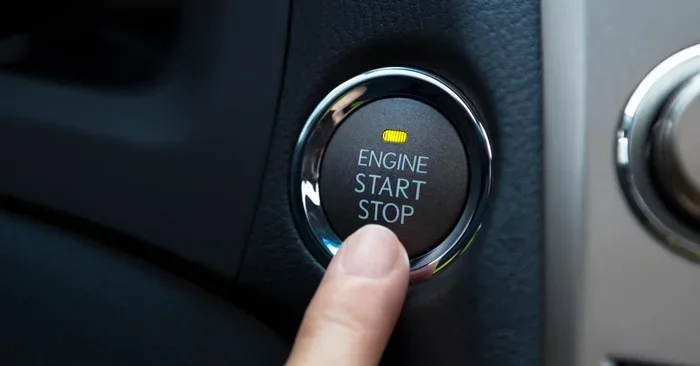
A push start button is part of a keyless ignition system found in most modern cars. It replaces the old traditional key and ignition switch. Instead of inserting a key and turning it, you simply press a button on the dashboard or center console. The car recognizes your smart key or key fob and allows the engine to start.
The push to start system was first introduced in luxury vehicles. Over time, it became standard across nearly all car brands. Today, you will find this feature in economy cars, trucks, and even sports cars. It is convenient, sleek, and easy to use. But convenience does not mean you should ignore how it works.
The system relies on a small signal between your key fob and the car’s computer. When the car detects the fob is nearby and you press the brake pedal, it allows the starter motor to engage. This is what turns the engine over. All of this happens in seconds. But the key to making it work is knowing the correct steps.
Are You Supposed to Hold the Push Start Button?
Here is the most important part of this article. No, you are not supposed to hold the push start button. You only need to press it briefly — just a quick tap. Think of it like pressing a doorbell. You do not hold the doorbell down for several seconds. You give it one press, and that is enough.
The Short Answer
When you want to start your car, follow these simple steps:
- Step 1: Make sure the car is in park or neutral.
- Step 2: Press the brake pedal firmly with your foot.
- Step 3: Press the push start button once and release it.
- Step 4: Wait for the dashboard lights to come on and the engine to start.
That is it. One press. No holding. No pressing and holding for five seconds. The push start button is designed for a quick tap. Holding it down does nothing extra to help the engine start. In fact, it can cause problems we will talk about later.
What the Owner’s Manual Says
Every car comes with an owner’s manual. If you have lost yours, you can usually find a digital copy on the manufacturer’s website. Most manuals clearly state that the start button should be pressed briefly while the brake pedal is applied. They do not recommend holding the button down at all.
Different car brands may have slightly different instructions. For example, some vehicles require the clutch pedal to be pressed instead of the brake pedal. This is common in manual transmission cars. Always check your specific vehicle’s guide to be sure. But the general rule remains the same across all push button start systems.
How the Push Start System Actually Works
Understanding how your car ignition system works can help you use it better. When you press the push start button, you are sending a signal to the car’s computer. The computer checks several things before it allows the engine to start.
The Role of the Brake Pedal
The brake pedal acts as a safety switch. The car will not start unless you press the brake first. This prevents the vehicle from lurching forward unexpectedly. It is a simple but important safety feature. If you try to press the push start button without pressing the brake, nothing will happen. The dashboard may show a warning light telling you to press the brake.
This is different from older cars where you could turn the ignition without pressing any pedal. The push start system adds an extra layer of safety. Always make it a habit to press the brake before pushing the button.
The Smart Key and Its Role
Your smart key or key fob sends a low-frequency signal to the car. The car’s antenna picks up this signal and verifies that the correct key is nearby. Only then will the system allow the engine to start. This is why you need to have your key fob inside the car when you try to start it.
If the key fob battery is low, the signal may be weak. In that case, the car might not recognize the key, and the push start button will not work. Most cars have a backup system for this. You can place the key fob against a specific spot on the steering column or dashboard to start the car manually. Check your owner’s manual for the exact location.
What Happens When You Press the Button
When you press the push start button, here is what happens inside the car:
- The car’s computer receives the signal from the key fob.
- The computer verifies the key is authentic and nearby.
- The brake pedal position sensor confirms the brake is pressed.
- The transmission must be in park or neutral.
- The starter motor engages and turns the engine over.
- The engine fires up, and the dashboard lights return to normal.
This entire process takes just a few seconds. It is fast, smooth, and designed for everyday convenience. You do not need to do anything extra to make it work.
Common Mistakes People Make with the Push Start Button
Even though the push start system is simple, people still make mistakes. Some of these mistakes can damage your car over time. Let us look at the most common errors and how to avoid them.
Holding the Button Too Long
This is the mistake we are addressing today. Some people think holding the push start button longer will make the engine start faster. This is not true. Holding the button for more than a few seconds can overwork the starter motor. It can also drain your car battery faster than normal.
If the engine does not start on the first try, wait a few seconds before trying again. Repeatedly pressing the button without pausing can heat up the starter motor. Over time, this can lead to expensive repairs. Give the system a moment to reset between attempts.
Forgetting to Press the Brake Pedal
This is another very common mistake. Without pressing the brake, the car will not start. Some people push the button several times and wonder why nothing happens. Always press the brake pedal first. This is a safety feature, not a flaw in the design.
If you are in a hurry, it is easy to forget this step. Make it a habit to press the brake every single time before pushing the button. It only takes one second and it will save you from frustration.
Trying to Start the Car in the Wrong Gear
The car must be in park or neutral to start. If the transmission is in drive or reverse, most cars will not allow the engine to start. This is another safety feature designed to prevent accidental movement. If your car does not start, check the gear shift first.
Ignoring Warning Lights on the Dashboard
Your dashboard has warning lights for a reason. If you see a light related to the push start system or the key fob, do not ignore it. These lights can indicate a weak key fob battery, a faulty sensor, or other issues that need attention.
- Always press the brake pedal before pushing the start button.
- Press the button once and release — do not hold it down.
- Wait 3-5 seconds between start attempts if the engine does not fire up.
- Keep your key fob away from metal objects that might block the signal.
- Replace the key fob battery at least once a year.
When Holding the Button Really Matters
While you should not hold the push start button to start the engine, there are a few situations where holding it is correct. Let us clear up this confusion.
Engine Start vs. Engine Stop
To stop the engine, you also just press the push start button once while the car is in park. No holding required. A single press turns the engine off. This is the same action as starting the car, just in reverse.
Some drivers mistakenly hold the button to turn off the engine. This is unnecessary and could potentially cause a system error. Just one press is all it takes to shut off the engine safely.
Emergency Situations
In rare emergency situations, such as when the car is malfunctioning and will not shut off, holding the push start button for several seconds may force the engine to turn off. However, this should only be done as a last resort. If your car is acting up, pull over safely and consult a professional mechanic.
Most modern cars also have an emergency shutdown procedure built into the system. Your owner’s manual will describe this in detail. Do not experiment with emergency procedures while driving. Always pull over to a safe location first.
What About Hybrid and Electric Vehicles?
Hybrid and electric vehicles use the same push start button system. The process is identical. Press the brake pedal and press the button once. The car will start silently, which is one of the nice benefits of driving a hybrid or electric vehicle.
Some hybrid vehicles have an additional step for certain modes. For example, you might need to press the button while the car is in a specific mode to engage certain features. Again, check your owner’s manual for model-specific instructions. But the basic rule remains the same — one press, no holding.
Comparison: Traditional Ignition vs. Push Start Button
| Feature | Traditional Ignition | Push Start Button |
|---|---|---|
| Starting Method | Turn a key | Press a button |
| Key Required | Yes, physical key | Key fob must be nearby |
| Brake Pedal Required | No | Yes |
| Holding Required | Turn and hold the key | No, just press once |
| Risk of Overworking | Low | Low if used correctly |
| Battery Drain Risk | Minimal | Low unless button is held too long |
| Convenience | Moderate | High |
As you can see from the table above, the push start button is simpler and more convenient than a traditional ignition. But it still requires proper use to avoid problems. The biggest difference is that you do not need to hold anything — not the button and not the key.
Expert Tips for Push Start Button Users
We asked automotive experts for their top tips on using the push start button correctly. Here is what they had to say.
Keep Your Key Fob Charged
A weak key fob battery is the number one reason push start systems fail. Most key fobs use a small coin-cell battery that lasts one to two years. When the battery gets low, the signal weakens, and the car may not recognize the key. Replace the battery as soon as you notice any issues with starting the car.
Do Not Press the Button Repeatedly
If the engine does not start on the first try, do not press the button five more times in a row. Wait at least 5 to 10 seconds between attempts. This gives the starter motor time to cool down and the car’s computer time to reset. Repeated rapid pressing is one of the fastest ways to wear out your starter motor prematurely.
Keep the Area Around the Button Clean
Dirt, debris, and spills can get around the push start button over time. Keep the area clean to ensure the button works reliably. If the button feels sticky or unresponsive, have a mechanic check it out before it becomes a bigger problem.
Understand Your Dashboard Indicators
Your dashboard communicates a lot of information through warning lights. A flashing key fob icon means the car cannot detect the smart key. A red engine light means something is wrong with the engine or emissions system. Learning what these lights mean can save you time and money at the repair shop.
Common Mistakes Section
Let us recap the most common mistakes people make with their push start button systems. Avoiding these will keep your car running smoothly for years.
- Holding the button down: This is unnecessary and can strain the starter motor.
- Skipping the brake pedal: The car will not start without the brake being pressed.
- Starting in drive: Always make sure the car is in park or neutral first.
- Ignoring warning lights: Dashboard lights are telling you something. Listen to them.
- Using a dead key fob: Replace the battery regularly to avoid being stranded.
- Pressing the button too many times in a row: Wait between attempts to protect the starter motor.
None of these mistakes will cause immediate catastrophic damage. But over time, they can lead to wear and tear on components. The push start button system is designed for ease of use. Treat it with basic care, and it will serve you well.
Key Takeaways
- You do not need to hold the push start button. A quick press is all it takes to start the engine.
- Always press the brake pedal first. This is a required safety step for the push start system to work.
- Holding the button too long can drain your battery and put extra strain on the starter motor.
- Press the button once to turn the engine off as well. No holding needed for shutdown either.
- Keep your key fob battery fresh. A weak battery is the most common reason the push start system fails.
- Check your owner’s manual for vehicle-specific instructions on using the push start button.
- Wait between start attempts. Give the system a few seconds to reset if the engine does not start right away.
Conclusion
The push start button is one of the best conveniences in modern driving. It is simple, fast, and reliable — as long as you use it correctly. Remember, you are not supposed to hold the push start button down. Just press it once while pressing the brake pedal, and your engine will start. That is all there is to it.
Avoid the common mistakes we covered in this guide, and your keyless ignition system will serve you well for years. Keep your key fob charged, press the brake every time, and never hold the button longer than a quick tap. These small habits make a big difference in the long run.
If you ever run into issues with your push start system, check the basics first. Is the brake pedal pressed? Is the gear in park? Is the key fob battery working? Nine times out of ten, the answer is one of these simple fixes. And if the problem persists, a trip to your trusted mechanic will set things right.
Now that you know the correct way to use your push start button, you can start your car with confidence every single time. Share this guide with a friend who might still be holding that button down, wondering if they are doing it right. A little knowledge goes a long way when it comes to taking care of your vehicle.
Frequently Asked Questions
Can holding the push start button damage my car?
Holding the button for a few extra seconds will not cause immediate damage. However, doing it repeatedly over time can put unnecessary strain on the starter motor and drain your battery faster. It is best to just press the button once and release it immediately.
What should I do if my push start button does not work?
First, check that your foot is on the brake pedal. Next, make sure the car is in park or neutral. Then, check if your key fob battery needs replacing. If all of these are fine and the button still does not work, have a mechanic inspect the ignition switch and related wiring.
Do I need to hold the push start button to turn off the engine?
No. Just like starting the engine, you only need to press the button once to turn off the engine. Make sure the car is in park, then press the button. The engine will shut off immediately.
Why does my car make a clicking sound when I press the push start button?
A clicking sound usually means the starter motor is trying to engage but something is preventing it from turning the engine. This could be a dead battery, a faulty starter motor, or a problem with the ignition coil. Have a professional diagnose the issue if you hear repeated clicking.
Can a weak key fob battery cause push start problems?
Yes, absolutely. The smart key system relies on a signal from the key fob. If the battery is weak, the signal may be too faint for the car to detect. Most cars have a backup startup method, such as placing the fob against a specific spot on the dashboard. Check your owner’s manual for details.
Is it normal for the push start button to feel different from a regular key ignition?
Yes, it is completely normal. The push button start system is designed to be different from a traditional key turn. You will feel a slight click or resistance when you press the button, and the engine will start within a second or two. If the button feels mushy, stuck, or unresponsive, that is when you should have it checked.