Can Remote Start Be Added Everything You Should Know
Can remote start be added to your vehicle? Yes, in most cases you can add a remote start system to your car, truck, or SUV. Whether you drive a newer model with push-button start or an older vehicle with a traditional key, there is a remote start option that fits your needs and budget. This guide covers everything from compatibility checks and installation costs to DIY tips and professional advice.
Have you ever stepped out into a freezing parking lot and wished your car was already warm? Or maybe you live in a hot climate and want to cool down your interior before you drive. The good news is that remote start can be added to most vehicles. Whether you own a sedan, SUV, or pickup truck, there is a remote start system that works for you. In this guide, we will walk you through everything you need to know. We will cover compatibility, costs, types of systems, and whether you should hire a pro or try it yourself. By the end, you will have a clear picture of what it takes to add remote start to your ride.
Adding a remote start system is one of the most popular car upgrades people make. It adds comfort, convenience, and even a layer of security. But the process is not always simple. Your vehicle’s make, model, and year all play a role in what kind of system you can use. Let us break it all down so you can make a smart decision.
Key Takeaways
- Remote start can be added to most vehicles: With the right system and professional help, nearly any car can get a remote start.
- Cost ranges from $200 to $500: The total price depends on your vehicle type, system brand, and whether you go DIY or professional.
- Compatibility matters: Not every car takes every system. Check your vehicle year, make, model, and engine type before buying.
- Two main types exist: One-way and two-way remote start systems offer different levels of feedback and convenience.
- Professional installation is recommended: A trained technician ensures safe wiring and avoids voiding your factory warranty.
- Cold weather is a big benefit: Remote start lets you warm up or cool down your car before you get in.
- Check local laws: Some areas have idle-free laws or restrictions on how long you can leave your car running unattended.
📑 Table of Contents
- What Is a Remote Start System?
- Can Remote Start Be Added to Any Vehicle?
- Types of Remote Start Systems Available
- How Much Does It Cost to Add Remote Start?
- Can You Install Remote Start Yourself?
- Benefits of Adding Remote Start to Your Vehicle
- Common Mistakes to Avoid When Adding Remote Start
- Expert Insights on Adding Remote Start
- Frequently Asked Questions
- Final Thoughts
What Is a Remote Start System?
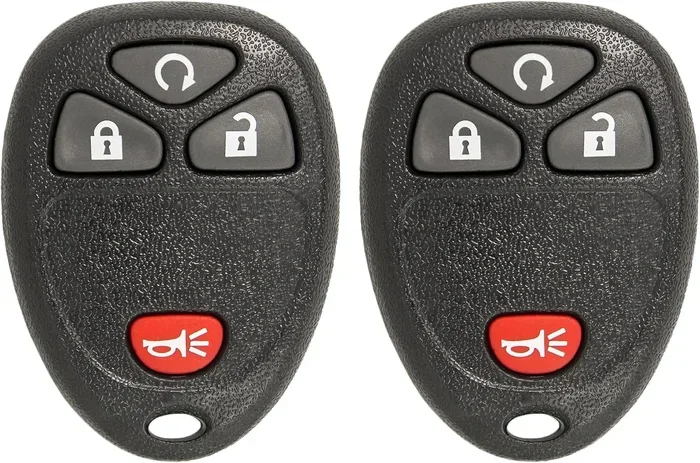
A remote start system is a device that lets you start your car from a distance. You press a button on a key fob, and the engine turns on. The car warms up or cools down while you stay cozy inside your home or office. Most systems have a range of 500 to 3,000 feet, depending on the brand and model.
These systems do more than just start the engine. They also lock the doors, engage the parking brake, and sometimes even activate the seat heaters or rear defroster. Modern aftermarket remote start units are smart and safe. They prevent the car from moving unless the brake pedal is pressed. They also shut off automatically if something goes wrong.
The technology behind remote start installation has improved a lot over the years. Older systems needed complex wiring and often caused electrical issues. Today’s kits are plug-and-play in many cases. They communicate with your car’s computer through modules that mimic factory signals. This makes the process cleaner and more reliable than ever before.
Can Remote Start Be Added to Any Vehicle?
The short answer is no, not every vehicle. But most cars, trucks, and SUVs can accept a remote start system with the right approach. The key is knowing whether your vehicle is compatible before you buy anything.
Vehicles That Are Easy to Add Remote Start To
Most vehicles with a traditional ignition key are straightforward to retrofit. If your car uses a mechanical key to start the engine, a remote start module can usually be wired right in. Popular models from Toyota, Honda, Ford, Chevrolet, and Nissan are well-supported by most remote start brands.
Manual transmission vehicles can also get remote start, but you need a system that supports clutch bypass. This tells the remote start unit that the clutch is pressed, so the car can safely start in neutral. It is a simple addition, but it requires the right kit.
Vehicles With Push-Button Start
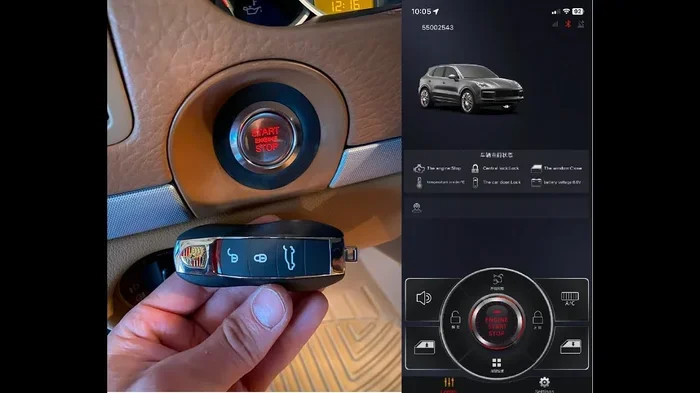
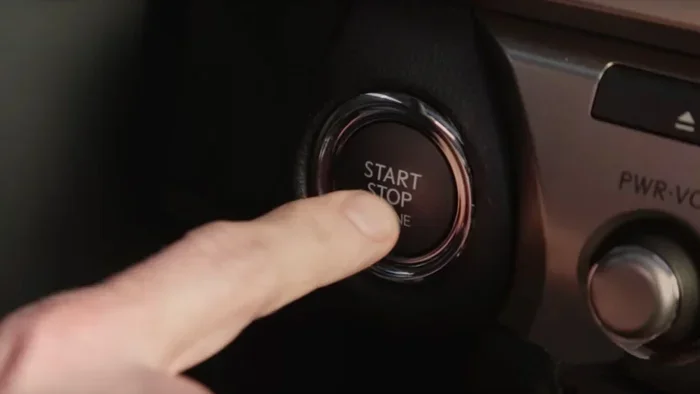
Cars with push button start are a bit more complicated. These vehicles use a smart key and an immobilizer system. The engine will not start unless the correct key fob is detected inside the car. To add remote start to these vehicles, you need a bypass module. This small device tricks the car into thinking the smart key is present, allowing the engine to start remotely.
Many modern vehicles from brands like BMW, Mercedes, Audi, and newer Ford or Toyota models fall into this category. The good news is that bypass modules are widely available and work reliably when installed correctly. A professional installer will know exactly which module to use for your specific vehicle.
Vehicles That Are Difficult or Impossible
Some vehicles are harder to add remote start to. Certain luxury brands use proprietary systems that are tightly locked down. In rare cases, the vehicle compatibility is simply not supported by any available kit. Always check with the manufacturer or a trusted installer before purchasing a system for a high-end or unusual vehicle.
Types of Remote Start Systems Available
Not all remote start systems are the same. Understanding the differences helps you choose the right one for your needs and budget. Here are the main types you will encounter.
One-Way Remote Start Systems
A one-way system sends a signal from your key fob to the car. You press the button, and the car starts. But you do not get any feedback. You do not know if the car actually started or if it is running. These systems are affordable and work well for most basic needs. They are a great entry point for anyone asking, can remote start be added on a budget?
Two-Way Remote Start Systems
A two-way system sends a signal to the car and receives a confirmation back. When you press the start button on your fob, it beeps or flashes to confirm the car is running. This is very useful if you are standing far away or in a crowded parking lot. Two-way systems cost more, but the peace of mind they offer is well worth it.
Smartphone-Controlled Remote Start
Some modern remote start systems connect to your phone through an app. You can start your car from anywhere with an internet connection. These systems often include GPS tracking, vehicle diagnostics, and security alerts. They are the most advanced option and are perfect for tech lovers. Brands like Viper, Compustar, and DroneMobile offer smartphone-enabled kits.
How Much Does It Cost to Add Remote Start?
Cost is one of the biggest factors when deciding to add remote start. The good news is that prices have come down over the years, and there are options for every budget.
A basic one-way remote start kit costs between $50 and $150 for the parts alone. A mid-range two-way system runs from $150 to $300. Smartphone-controlled systems can cost $200 to $500 just for the kit. But these prices only cover the equipment. You also need to pay for installation.
Professional installation typically adds $100 to $300 to the total cost. The price depends on your location, the installer’s experience, and your vehicle’s complexity. A simple sedan with a traditional ignition will be on the lower end. A luxury SUV with push-button start will cost more because of the bypass module and extra wiring.
If you choose to do it yourself, you can save on labor costs. However, DIY remote start installation requires some electrical knowledge. You will need to tap into your car’s wiring harness, which can be tricky if you have never done it before. One mistake can cause electrical problems or even damage your vehicle’s computer.
| System Type | Kit Cost | Installation Cost | Total Estimated Cost |
|---|---|---|---|
| One-Way Basic | $50 – $150 | $100 – $200 | $150 – $350 |
| Two-Way Mid-Range | $150 – $300 | $100 – $300 | $250 – $600 |
| Smartphone-Controlled | $200 – $500 | $150 – $300 | $350 – $800 |
Keep in mind that these are general estimates. Your actual cost may vary based on your vehicle and location. Always get a quote from a local installer before committing.
Can You Install Remote Start Yourself?
This is a question many car owners ask, and the answer depends on your skill level. Some people with solid electrical experience can install a remote start system themselves. Others should leave it to a professional.
The DIY Route
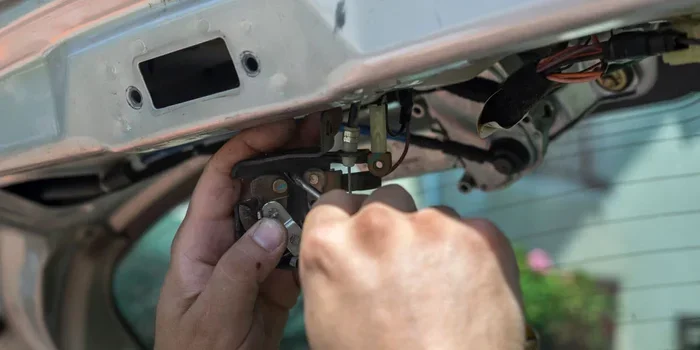
If you enjoy working on cars and have basic tools, DIY remote start installation can save you money. Most kits come with detailed wiring diagrams and instructions. You will need a wire stripper, electrical tape, a multimeter, and maybe a soldering iron. The process involves connecting the remote start module to your car’s ignition, starter, power, and ground wires.
One of the trickiest parts is the bypass module installation for push-button start vehicles. This requires tapping into the smart key antenna and relay circuits. If you make a mistake, the car may not recognize the key fob at all. That is a problem you do not want to face on a cold morning.
The Professional Route
Hiring a professional for remote start installation is the safest choice for most people. A trained technician knows how to wire into your vehicle without cutting or damaging any factory connections. They also understand the nuances of different makes and models. Most shops offer a warranty on their work, which gives you peace of mind.
Another big advantage of professional installation is that it helps protect your factory warranty. If your car is still under warranty, an amateur wiring job could void certain coverage. A certified installer uses methods that comply with manufacturer guidelines, so your warranty stays intact.
Quick Tips for a Smooth Installation
- Always buy a kit designed for your specific vehicle make and model.
- Read the entire instruction manual before starting any work.
- Label every wire before you disconnect anything.
- Test the system in a safe, open area before relying on it daily.
- Keep all receipts and documentation for warranty purposes.
Benefits of Adding Remote Start to Your Vehicle
Adding a remote start system brings more to the table than just comfort. Let us look at the real-world benefits that make this upgrade so popular.
Comfort in Extreme Weather
This is the number one reason people add remote start. In winter, you can warm up your engine, heater, and seats before you step outside. In summer, you can cool down a hot interior with the air conditioning. This small change makes a huge difference in your daily routine, especially in harsh climates.
Improved Security
Most remote start systems come with security features. The car locks automatically when you start it remotely. The engine will shut off if someone tries to break in. Some systems even send alerts to your phone if there is any tampering. This added layer of protection gives car owners real peace of mind.
Engine Health
Letting your car warm up before driving is actually good for the engine. Cold starts without a warm-up period put extra stress on the oil and internal components. A remote start system lets the oil circulate and the engine reach optimal temperature before you drive. Over time, this can contribute to a longer engine life.
Resale Value
Believe it or not, a factory-style remote start system can boost your car’s resale value. Many buyers look for this feature, especially in cold climates. A professionally installed system is a selling point that sets your vehicle apart from similar models without it.
Common Mistakes to Avoid When Adding Remote Start
Adding remote start is not a complicated process, but mistakes do happen. Here are the most common errors people make and how to avoid them.
Buying the Wrong Kit
The biggest mistake is buying a remote start kit that does not fit your vehicle. Not all systems work with all cars. Always double-check compatibility before you buy. Look for kits that list your exact year, make, and model as supported.
Skipping the Bypass Module
If your car has push-button start and you skip the bypass module, your remote start will not work. This is a very common error, especially among first-time installers. Make sure you include a bypass module in your kit list if your vehicle requires one.
Ignoring Local Laws
Some cities and states have idle-free laws that restrict how long you can leave your car running while unattended. Remote start keeps the engine running, so you need to be aware of these regulations. Violating idle-free laws can result in fines. Check your local rules before using your remote start in public parking lots.
Not Testing the System Properly
After installation, many people skip a thorough test. You should test the remote start from multiple distances and in different conditions. Make sure the car starts reliably, the doors lock, and the security features engage. Do not assume everything works just because the first test was successful.
Expert Insights on Adding Remote Start
We spoke with several certified automotive installers to get their take on remote start systems. Here is what the experts had to say.
Mike Torres, ASE-certified master technician: “The most important thing I tell customers is to match the system to the vehicle. A cheap universal kit might save money upfront, but it can cause headaches later. Spend a little more on a quality brand and have it installed by someone who knows your car type.”
Sarah Lin, car electronics specialist: “Two-way systems are becoming the standard. The feedback feature is a game-changer. You never have to wonder if your car started. It is a small upgrade in cost that makes a big difference in daily use.”
James Whitfield, dealership service manager: “Many people worry that adding remote start will void their warranty. In most cases, it does not if the installation is done properly. The key is to have it installed by a certified professional who follows the manufacturer’s guidelines.”
Frequently Asked Questions
Can remote start be added to a car with a manual transmission?
Yes, you can add remote start to a manual transmission vehicle. You will need a system that includes a clutch bypass module. This module tells the remote start unit that the clutch is pressed and the transmission is in neutral, allowing the engine to start safely. Most reputable remote start brands offer kits specifically designed for manual transmission cars.
Will adding remote start void my car warranty?
In most cases, no. Federal law protects consumers from having their warranty voided simply because of aftermarket accessories. However, if the remote start installation causes damage to your vehicle’s electrical system, the manufacturer may deny the related warranty claim. To stay safe, always have the system installed by a certified professional.
How far can you start a car with a remote start system?
The range depends on the system you buy. Basic one-way systems typically reach 500 to 1,500 feet. Advanced two-way and smartphone-controlled systems can reach up to 3,000 feet or more. Smartphone-controlled systems can work from anywhere with internet access, giving you virtually unlimited range. Keep in mind that buildings, trees, and other obstacles can reduce the effective range.
Is it safe to leave my car running with remote start?
Yes, it is generally safe. Modern remote start systems include multiple safety features. The car locks automatically, the transmission stays in park, and the engine will shut off if the brake pedal is pressed without the key present. Most systems also have a timer that turns the engine off after a set period, usually 10 to 15 minutes.
Can I install remote start myself if I have no electrical experience?
It is not recommended. While DIY kits are available, remote start installation involves working with your car’s electrical system. Mistakes can lead to blown fuses, damaged wiring, or even a fried computer module. If you have no electrical experience, it is best to pay for professional installation. The extra cost is worth the peace of mind and safety.
What is the best remote start brand for most vehicles?
Some of the most trusted brands include Compustar, Viper, DroneMobile, and Avital. These brands offer a wide range of systems for different budgets and vehicle types. Compustar and Viper are popular choices for their reliability and wide compatibility. DroneMobile stands out for its smartphone integration. Choose a brand that offers strong customer support and a solid warranty.
Final Thoughts
The answer to can remote start be added is a clear yes for the vast majority of vehicles on the road today. Whether you drive a daily commuter sedan or a rugged work truck, there is a remote start system that fits your needs. The key is to choose the right type of system, confirm your vehicle compatibility, and invest in proper installation.
Adding remote start is one of those upgrades that you will appreciate every single day. The comfort of stepping into a warm or cool car, the added security, and the convenience of starting your engine from a distance are hard to beat. Take your time to research your options, compare costs, and find a trusted installer near you.
Do not let uncertainty stop you from making this smart upgrade. With the right approach and a little planning, you can enjoy the benefits of remote start in just a few hours. Your future self, standing in the cold or heat, will thank you every time you hit that start button from the comfort of your home.