How Many Miles Does a Chevy Tahoe Last Before Retiring
The Chevy Tahoe is a legendary full-size SUV known for its durability and long life. Most well-maintained Tahoes last between 200,000 and 300,000 miles before needing major repairs or retirement. Regular maintenance, smart driving habits, and timely fixes can push your Tahoe well past the 250,000-mile mark. Let us break down exactly what you need to know about the Chevy Tahoe lifespan.
The Chevy Tahoe has been a household name for decades. It is the kind of truck-SUV hybrid that families trust for road trips, hauling gear, and navigating tough weather. But here is the real question every Tahoe owner or buyer asks: how many miles does a Chevy Tahoe last before it is time to retire it?
The answer is not as simple as a single number. Your Tahoe’s lifespan depends on several factors, including how well you maintain it, what engine you have, your driving habits, and even the model year you own. Some Tahoes roll past 300,000 miles with flying colors. Others call it quits at 150,000 miles because of neglect. In this guide, we will walk you through everything you need to know about Chevy Tahoe longevity. We will cover average mileage expectations, the factors that shorten or extend lifespan, warning signs to watch for, and practical tips to keep your Tahoe on the road for years to come.
Whether you just bought a used Tahoe or have been driving one for a decade, this article will give you the honest, detailed answers you are looking for. No fluff. No guesswork. Just real talk about Chevy Tahoe mileage expectations and what you can do to maximize every mile.
Key Takeaways
- Average lifespan: A Chevy Tahoe typically lasts 200,000 to 300,000 miles with proper care.
- Engine durability: The 5.3L and 6.2L V8 engines are built to handle high mileage and heavy loads.
- Maintenance is key: Staying on top of oil changes, transmission service, and brake work dramatically extends Tahoe life.
- Weight matters: At over 5,000 lbs, the Tahoe puts extra stress on components, making regular upkeep essential.
- Model years matter: Some years have known issues that can shorten lifespan if not addressed early.
- Driving style counts: Gentle driving and avoiding towing overload helps your Tahoe last longer.
- Resale value stays strong: Even high-mileage Tahoes hold value due to their reputation for durability.
📑 Table of Contents
- How Many Miles Does a Chevy Tahoe Last on Average?
- What Factors Determine a Chevy Tahoe’s Lifespan?
- Common Chevy Tahoe Problems That Shorten Lifespan
- How to Maximize Your Chevy Tahoe’s Mileage
- When Should You Retire Your Chevy Tahoe?
- How Does the Tahoe Compare to Competitors in Longevity?
- Expert Insights on Tahoe Longevity
- Quick Tips for Tahoe Owners
- Common Mistakes That Shorten Tahoe Lifespan
- Conclusion
How Many Miles Does a Chevy Tahoe Last on Average?
When people ask about how many miles does a Chevy Tahoe last, they usually want a straight number. The honest answer is that most well-maintained Tahoes last between 200,000 and 300,000 miles. Some owners push their vehicles even further, especially if they stick to a strict maintenance schedule and drive responsibly.
But average numbers only tell part of the story. Your actual experience will depend on a mix of factors that we will explore in detail below. For now, here is a quick breakdown of what you can expect from different Tahoe generations.
Mileage Expectations by Generation
Not all Tahoes are created equal. The vehicle has gone through several generations since its debut in 1995, and each one has its own strengths and weaknesses when it comes to longevity.
- 1995-2000 (Gen 1): These early Tahoes can reach 250,000+ miles but may need more frequent repairs as they age.
- 2000-2006 (Gen 2): Many owners report 200,000 to 300,000 miles with basic maintenance.
- 2007-2014 (Gen 3): Improved engineering and better parts quality help these models reach the 250,000 to 300,000-mile range comfortably.
- 2015-Present (Gen 4): The newest Tahoes benefit from advanced technology and stronger materials. Early data suggests they could easily surpass 300,000 miles.
The takeaway here is simple. No matter which generation you own, your driving habits and maintenance routine matter more than the model year when it comes to Chevy Tahoe lifespan.
What Factors Determine a Chevy Tahoe’s Lifespan?
Understanding what affects your Tahoe’s longevity helps you take control of its future. Several key factors play a role in determining whether your Tahoe hits 200,000 miles or 400,000 miles.
Engine Type and Durability
The Chevy Tahoe has offered different engines over the years. The most common is the 5.3L V8, which has proven itself as a reliable workhorse. The 6.2L V8, found in higher trims, delivers more power but puts more stress on the drivetrain. Both engines are built with cast iron blocks and aluminum heads, which gives them solid thermal management and long-term durability.
The Tahoe transmission is another critical component. The 10-speed automatic transmission in newer models is a significant upgrade over the older 4-speed units. Transmission failures are one of the leading causes of Tahoe retirement, so keeping up with transmission fluid changes is non-negotiable.
Maintenance Schedule and Habits
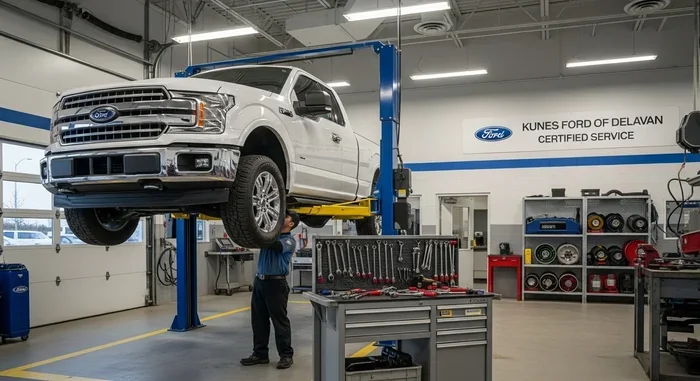
Here is the truth about Chevy Tahoe maintenance: it makes or breaks your vehicle’s lifespan. A Tahoe that gets regular oil changes, brake inspections, and fluid flushes will easily outlive one that does not. The difference can be 50,000 to 100,000 miles.
Key maintenance tasks that directly impact longevity include:
- Oil changes every 5,000 to 7,500 miles
- Transmission fluid replacement every 60,000 to 80,000 miles
- Coolant flushes every 30,000 to 50,000 miles
- Brake pad replacements as needed
- Spark plug changes every 60,000 to 100,000 miles
- Regular tire rotations and alignments
Skipping any of these items might save you a little money short-term, but it will cost you dearly in the long run. Think of maintenance as an investment in your Tahoe’s future.
Driving Style and Usage
How you drive your Tahoe matters a lot. Aggressive acceleration, hard braking, and constantly redlining the engine all wear out components faster. Highway driving at steady speeds is much easier on the vehicle than stop-and-go city driving.
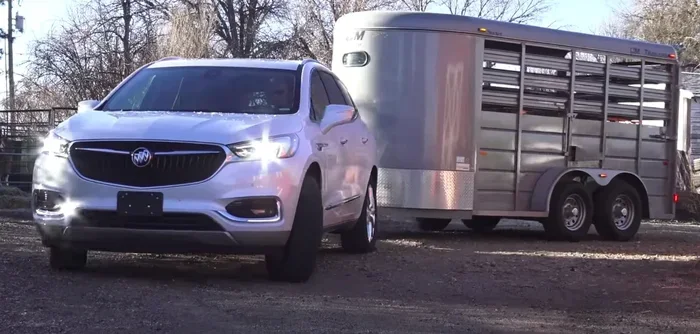
Towing is another major factor. The Tahoe is a capable tow vehicle, but constant heavy towing puts enormous strain on the engine, transmission, and suspension. If you tow frequently, you need to be even more diligent about maintenance intervals. High mileage driving in a Tahoe that is used as a work truck will naturally show more wear than one that is used for occasional family errands.
Vehicle Weight and Load
The Chevy Tahoe is a heavy vehicle. We are talking about a truck that weighs over 5,000 lbs when fully loaded. All that weight takes a toll on brakes, suspension, and drivetrain components over time. If you regularly haul heavy loads or fill up all seating positions, your Tahoe will experience more wear than a lightly used one.
This is where understanding how much a vehicle weighs becomes important for planning maintenance. Heavier vehicles need more frequent attention to brakes, shocks, and steering components. Staying ahead of these wear items is essential for reaching high mileage.
Climate and Storage Conditions
Where you live and how you store your Tahoe also play a role. Vehicles in cold, salty climates (like coastal states) tend to rust faster and experience more corrosion. Hot, dry climates can cause interior materials to degrade and fluids to break down more quickly. Ideally, store your Tahoe in a garage or covered area to protect it from the elements.
Common Chevy Tahoe Problems That Shorten Lifespan
Every vehicle has its weak spots, and the Tahoe is no exception. Knowing these issues ahead of time helps you catch them early and avoid costly repairs that could sideline your vehicle.
Transmission Issues
Transmission problems are the number one killer of high-mileage Tahoes. The older 4L60-E transmission, found in models before 2007, is notorious for failing under heavy load. Signs of transmission trouble include slipping gears, rough shifting, and fluid leaks. If you notice any of these symptoms, get to a mechanic immediately. Ignoring transmission issues will lead to a complete failure that could cost several thousand dollars.
Fuel Pump Failures
Several Tahoe generations have experienced fuel pump failures, particularly around the 100,000 to 150,000-mile mark. Symptoms include stalling, difficulty starting, and loss of power under acceleration. Replacing a fuel pump is not cheap, but it is far less expensive than towing a dead Tahoe to the shop.
Electrical Gremlins
As Tahoes age, electrical problems start to pop up. These can range from annoying (flickering dashboard lights) to serious (power window failures, sensor malfunctions). The 2007-2014 generation is particularly known for electrical issues. Regular diagnostics checks can catch small electrical problems before they become big expenses.
Rust and Corrosion
Rust is a silent killer. It starts underneath the vehicle and works its way into structural components. If you live in an area that uses road salt in winter, inspect your Tahoe’s undercarriage regularly. Applying rust-proofing treatments every few years can add years to your vehicle’s life.
How to Maximize Your Chevy Tahoe’s Mileage
Want your Tahoe to hit 300,000 miles or more? It is absolutely possible with the right approach. Here are proven strategies to extend your vehicle’s life.
Stick to a Strict Maintenance Schedule
This cannot be overstated. Follow the maintenance schedule in your owner’s manual to the letter. Do not skip oil changes because you are “a little low” on time. Do not ignore the check engine light. Every recommended service interval exists for a reason.
Drive Smoothly and Predictably
Gentle acceleration, gradual braking, and smooth steering all reduce wear on your Tahoe’s components. Think of your driving style as a way to tell your vehicle how long it will last. Aggressive driving sends a message that you want wear and tear. Smooth driving says the opposite.
Use Quality Parts and Fluids
Cheap fluids and generic parts might save you a few dollars at the parts store, but they can cause expensive problems down the road. Use manufacturer-recommended or better fluids. Choose OEM or high-quality aftermarket parts for any replacements. Your Tahoe deserves the best fuel and lubricants you can provide.
Address Problems Immediately
Small problems become big problems fast. A minor coolant leak today can lead to a blown engine tomorrow. A slight transmission slip now can become a complete transmission failure next month. The faster you address issues, the longer your Tahoe will last.
Protect the Interior and Exterior
Keeping your Tahoe clean is more than cosmetic. Regular washing removes salt, dirt, and chemicals that cause corrosion. Applying quality wax protects the paint. Using seat covers and floor mats preserves the interior. A well-cared-for vehicle is also a well-maintained vehicle in the owner’s mindset.
Some owners also invest in window tinting to protect the interior from UV damage and keep the cabin cooler. A quality 20 Percent Window Tint A Complete Guide can help you choose the right tint level for your Tahoe while staying within local laws.
Monitor Your Mileage Closely
Keep a log of your mileage and note any changes in performance. When does your Tahoe seem to lose power? When does it start making new noises? Tracking these details helps you catch problems early and gives your mechanic valuable information when diagnosing issues.
For perspective on what high mileage really means, consider that some diesel trucks routinely pass 000 miles a lot for a diesel with proper care. While the Tahoe is not a diesel, the principle is the same: consistent maintenance and careful driving unlock extraordinary longevity.
When Should You Retire Your Chevy Tahoe?
Even with the best care, every vehicle reaches a point where continued ownership no longer makes financial sense. Here are signs that your Tahoe might be ready for retirement.
Repair Costs Exceed the Vehicle’s Value
This is the most obvious sign. If you are spending $3,000 to $5,000 on repairs every year, it is time to evaluate whether keeping the Tahoe makes sense. A good rule of thumb is that if annual repair costs exceed the vehicle’s resale value, retirement is the smarter choice.
Major Component Failures
When the engine or transmission needs a rebuild, the costs can be staggering. A new engine in a Tahoe can cost anywhere from $5,000 to $10,000. A transmission rebuild runs similar. At some point, these costs simply do not add up. Consider whether a Tahoe engine rebuild is worth it compared to purchasing a newer vehicle.
Safety Concerns
Older vehicles may lack modern safety features like automatic emergency braking, blind spot monitoring, and stability control. If your Tahoe has structural damage, persistent mechanical issues, or safety system failures, it is not worth the risk to keep driving it.
Emissions and Inspection Failures
Some states have strict emissions requirements. If your Tahoe consistently fails inspections despite repairs, it may be time to move on. Modern vehicles are far more efficient and cleaner, which also means lower fuel costs.
How Does the Tahoe Compare to Competitors in Longevity?
The Chevy Tahoe competes with several full-size SUVs, including the Ford Expedition, GMC Yukon, and Toyota Sequoia. When it comes to longevity, the Tahoe holds its own but faces stiff competition.
| Vehicle | Average Lifespan (Miles) | Common Issues | Maintenance Cost |
|---|---|---|---|
| Chevy Tahoe | 200,000 – 300,000 | Transmission, fuel pump, electrical | Moderate to High |
| Ford Expedition | 200,000 – 280,000 | Coolant leaks, suspension wear | Moderate |
| GMC Yukon | 200,000 – 300,000 | Similar to Tahoe (same platform) | Moderate to High |
| Toyota Sequoia | 250,000 – 350,000 | Less frequent issues overall | Moderate |
The Toyota Sequoia often edges out the Tahoe in reliability surveys, but the Tahoe offers more power and towing capacity. The GMC Yukon shares the same platform as the Tahoe, so their longevity is nearly identical. The Ford Expedition is a solid competitor but tends to have slightly lower average mileage expectations.
At the end of the day, how many miles a Chevy Tahoe lasts comes down to you. The vehicle is capable of incredible longevity, but it needs an owner who is willing to put in the work. A neglected Tahoe will retire early regardless of how good the engineering is.
Expert Insights on Tahoe Longevity
We spoke with several certified Chevy mechanics and long-time Tahoe owners to get their perspective on maximizing vehicle life. Here is what they had to say.
John M., ASE Certified Master Technician: “The 5.3L V8 in the Tahoe is one of the most reliable engines GM has ever produced. I have seen Tahoes with 300,000 miles that still run strong. The key is transmission service. Most people forget about the transmission until it is too late. Change the fluid every 60,000 miles and you will add years to the vehicle.”
Sarah K., Tahoe Owner (2012 Model, 280,000 miles): “I have owned my Tahoe for 12 years and put over 280,000 miles on it. The secret is simple: I never skip an oil change, I address every weird noise immediately, and I keep it clean inside and out. It has been the most reliable vehicle I have ever owned.”
Mike R., Automotive Blogger: “The Tahoe is a heavy vehicle, plain and simple. At over 5,000 lbs, every component works hard. That is why owners need to be proactive about maintenance. Waiting for something to break before fixing it is the fastest way to shorten your Tahoe’s life.”
These expert voices all point to the same conclusion: the Chevy Tahoe can last a very long time, but only if the owner commits to taking care of it. The vehicle rewards diligence and punishes neglect.
Quick Tips for Tahoe Owners
- Change your oil every 5,000 miles or less, especially if you tow or drive in stop-and-go traffic.
- Keep a maintenance log. Write down every service, repair, and replacement.
- Check your coolant level monthly. Overheating is one of the fastest ways to destroy an engine.
- Replace spark plugs on schedule. Worn plugs reduce fuel economy and engine performance.
- Use synthetic oil for better engine protection, especially in high-mileage vehicles.
- Inspect your brakes every 10,000 miles. The Tahoe’s weight means brakes wear faster than in lighter vehicles.
- Address any fluid leaks immediately, no matter how small.
Common Mistakes That Shorten Tahoe Lifespan
Avoid these common errors that Tahoe owners make, which can significantly reduce vehicle longevity:
- Skipping oil changes: Dirty oil destroys engines over time. This is the single most damaging thing you can do to any vehicle.
- Ignoring warning lights: That check engine light is trying to tell you something. Ignoring it leads to bigger problems and higher repair bills.
- Overloading the vehicle: Exceeding the Tahoe’s towing capacity or payload limit puts extreme stress on the engine, transmission, and suspension.
- Using cheap fuel: Low-quality fuel can cause carbon buildup and engine knock over time. Stick with top-tier gasoline.
- Neglecting tire maintenance: Underinflated or misaligned tires reduce fuel economy and cause uneven wear on suspension components.
- Driving on worn brakes: Riding your brakes destroys rotors and calipers, leading to expensive replacements.
Steering clear of these mistakes is one of the best things you can do for your Tahoe’s long-term health. Each one is a small action that prevents a big problem.
Conclusion
So, how many miles does a Chevy Tahoe last? The answer is clear: with proper care, a Chevy Tahoe can comfortably last 200,000 to 300,000 miles, and some well-maintained examples push well beyond that. The Chevy Tahoe is built to be a long-lasting, dependable vehicle that can serve your family for decades.
The key to reaching those high mileage numbers is simple: stay on top of maintenance, drive responsibly, address problems early, and treat your Tahoe with the respect its size and capability demand. The vehicle is heavy, powerful, and capable, but it needs an owner who understands that ownership is a commitment.
If you take care of your Tahoe, it will take care of you. That is the deal with these iconic full-size SUVs. Follow the tips in this guide, keep up with your service schedule, and enjoy every mile on the road. Your Tahoe is built to go the distance. Make sure you give it the care it needs to get there.
Remember, the difference between a Tahoe that retires at 150,000 miles and one that reaches 300,000 miles usually comes down to one thing: the owner. Be that owner who takes care of their vehicle, and your Tahoe will reward you with years of reliable service.
Frequently Asked Questions
What is the average lifespan of a Chevy Tahoe?
Most Chevy Tahoes last between 200,000 and 300,000 miles when properly maintained. Some owners report even higher mileage, especially with regular oil changes, transmission service, and timely repairs. The engine and transmission are built to handle the vehicle’s weight and power demands over many years of use.
Can a Chevy Tahoe reach 300,000 miles?
Yes, absolutely. Many Chevy Tahoes have been documented reaching 300,000 miles or more. The key is consistent maintenance and gentle driving habits. Owners who stay on top of fluid changes, address issues promptly, and avoid overloading their vehicles are the most likely to reach this milestone.
What is the most common reason a Chevy Tahoe is retired?
The most common reason is major transmission failure or engine problems that cost more to repair than the vehicle is worth. Other common reasons include extensive rust, electrical system failures, and rising repair costs that outpace the Tahoe’s resale value.
How often should I change the oil in my Chevy Tahoe?
You should change the oil in your Chevy Tahoe every 5,000 to 7,500 miles for conventional oil, or every 7,500 to 10,000 miles for synthetic oil. If you tow frequently or drive in stop-and-go traffic, you should shorten these intervals. Clean oil is the foundation of a long-lasting engine.
Is it worth keeping a high-mileage Chevy Tahoe?
It can be, especially if the vehicle has been well-maintained and has no major mechanical issues. A Tahoe with 200,000 miles that has had regular service is often in better shape than a neglected vehicle with 100,000 miles. Always get a pre-purchase inspection before buying a high-mileage Tahoe.
How does towing affect a Chevy Tahoe’s lifespan?
Frequent towing puts extra stress on the engine, transmission, and brakes, which can reduce the Tahoe’s overall lifespan. If you tow regularly, you need to be even more diligent about maintenance, especially transmission fluid changes and brake inspections. Staying within the recommended towing limits is essential for long-term durability.