Does One-Way Mirror Tint Work at Night Youll Be Surprised
Does one-way mirror tint work at night? The short answer is no, not the way it does during the day. One-way mirror tint relies on light differences between the inside and outside of your car. At night, when it is dark outside and lights are on inside, the effect reverses, and people can see into your car. However, there are workarounds and solutions that can help you maintain privacy even after dark.
You have probably seen those sleek, mirror-like car windows and wondered about the magic behind them. Does one-way mirror tint work at night? It is a question that comes up a lot among car enthusiasts and everyday drivers alike. The answer might surprise you.
One-way mirror tint, also called reflective tint, gives your car a cool mirrored look during the day. It blocks glare, adds privacy, and keeps your car cooler. But when the sun goes down, everything changes. The tint that kept prying eyes away suddenly becomes a window into your car. This is a big deal for anyone who values their privacy on the road.
In this article, we will break down exactly how one-way mirror tint works. We will explore why it fails at night and what you can do about it. Whether you are thinking about tinting your car or already have it done, this guide has you covered. Let us dive in and get all your questions answered.
Key Takeaways
- One-way mirror tint depends on light contrast: It only works as a mirror when the outside is brighter than the inside.
- At night, the effect reverses: Interior lights make your car visible from outside, defeating the one-way purpose.
- VLT percentage matters a lot: Lower VLT means darker tint and less visibility from inside at night.
- Legal restrictions apply: Many states have strict laws about how dark your car tint can be.
- Alternative tints exist: Ceramic and carbon tints offer privacy without the one-way mirror effect.
- DIY installation is possible: But professional installation gives better results and fewer bubbles.
- Combining tint with other tools: Using interior blinds or LED strips can improve nighttime privacy.
📑 Table of Contents
- What Is One-Way Mirror Tint?
- How Does One-Way Mirror Tint Work?
- Does One-Way Mirror Tint Work at Night?
- Factors That Affect One-Way Mirror Tint Performance at Night
- Benefits and Drawbacks of One-Way Mirror Tint
- Tips for Choosing the Right Tint for Your Car
- Common Mistakes People Make with One-Way Mirror Tint
- Expert Insights on One-Way Mirror Tint and Nighttime Performance
- Alternatives to One-Way Mirror Tint for Nighttime Privacy
- Conclusion
What Is One-Way Mirror Tint?
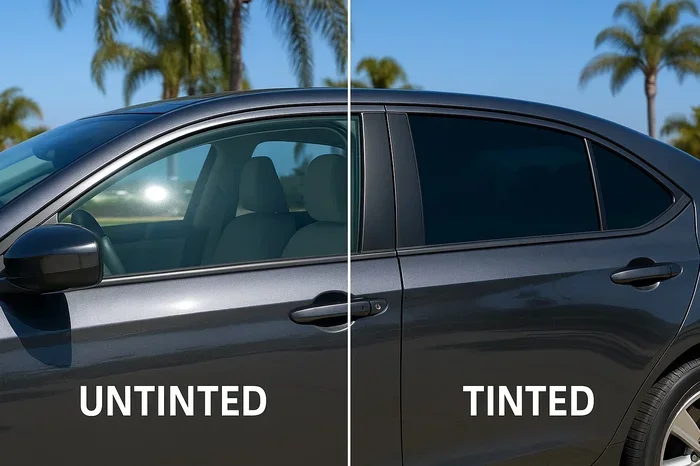
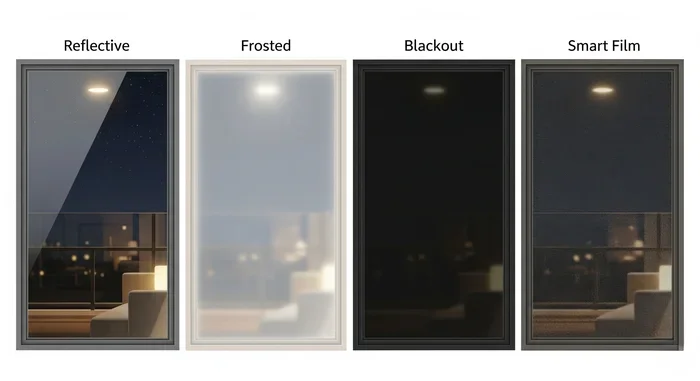
One-way mirror tint is a type of car window tint that creates a reflective, mirror-like appearance. During the day, it works like a two-way mirror. People on the bright side see their own reflection. People on the darker side see through the glass. This is why it is so popular for cars, homes, and offices.
The tint is made from a thin film that contains metallic particles. These particles reflect light back outward. The result is a shiny, mirror finish that hides what is on the other side. Many people love the sleek, dark look it gives their vehicle. It also provides excellent UV protection and heat rejection.
How Is It Different from Regular Tint?
Regular tint is dyed or non-reflective. It darkens the window but does not create a mirror effect. One-way mirror tint, on the other hand, uses a reflective coating. This coating is what makes the magic happen during the day. Without it, you just get a dark window, not a one-way mirror.
Here is a quick comparison to help you understand the difference:
- Reflective coating: One-way mirror tint has it. Regular tint does not.
- Mirror effect: Only one-way mirror tint creates this during the day.
- Privacy level: One-way mirror tint offers more privacy in bright conditions.
- Heat rejection: Both types reduce heat, but reflective tint usually does a better job.
- Night performance: Regular tint stays consistent. One-way mirror tint changes completely at night.
How Does One-Way Mirror Tint Work?
Understanding how one-way mirror tint works is key to understanding why it fails at night. The science behind it is actually pretty simple. It all comes down to light levels on both sides of the glass.
During the day, the outside of your car is bright. The sun floods the window with light. The reflective coating bounces most of that light back outward. Meanwhile, the inside of your car is darker. The tint allows some light from inside to pass through, but the bright reflection from outside overwhelms it. Your eyes see the reflection, not the interior.
Think of it like this. Imagine standing in a bright room looking into a dark room through a window. You cannot see into the dark room very well. You just see your own reflection on the glass. That is exactly how one-way mirror tint works. The bright side becomes a mirror. The dark side stays transparent.
The Role of Light Contrast
The key factor is the light contrast between the two sides. If the outside is brighter, the tint works as a mirror. If the inside is brighter, the tint becomes a window. This is why one-way mirror tint works during the day but struggles at night.
When it is dark outside and you have your interior lights on, the situation flips. Now your car is the bright side. The outside is the dark side. People outside can see right into your car. The one-way effect is completely reversed. This is the biggest drawback of reflective tint for nighttime driving.
Does One-Way Mirror Tint Work at Night?
Here is the honest answer. Does one-way mirror tint work at night? No, not the way it works during the day. At night, the one-way mirror effect disappears. Your car windows become regular windows that people can see right through from outside.
This happens because of the same light contrast principle we discussed. At night, the exterior is dark. Your interior lights make the cabin bright. The reflective coating now reflects the interior light back inward. But it also allows people outside to see in. The mirror effect is gone.
What You Will See From Outside
From outside at night, people can clearly see the interior of your car. They can see your passengers, your belongings, and even your dashboard. If you have personal items on your seats or console, they are visible. This completely defeats the purpose of privacy tint.
Some people are surprised by this. They assume that because the tint looks dark, it will still block the view. But darkness alone does not create the one-way effect. It is the difference in light levels that does the job. Without that difference, the tint is just a dark window.
What You Will See From Inside
From inside your car at night, the experience is different. You can still see outside fairly well, especially if the tint has a high VLT percentage. VLT stands for Visible Light Transmission. It measures how much light passes through the film. Higher VLT means more visibility. Lower VLT means darker windows.
If you have a very dark one-way mirror tint, your night visibility from inside may be reduced. This can make driving more dangerous. You need enough light to see the road, other cars, and pedestrians. So there is a balance to consider between privacy and safety.
Factors That Affect One-Way Mirror Tint Performance at Night
Not all situations are the same. Several factors determine how well your reflective tint performs after dark. Understanding these factors can help you make better decisions about your car tinting.
Tint Darkness and VLT Percentage
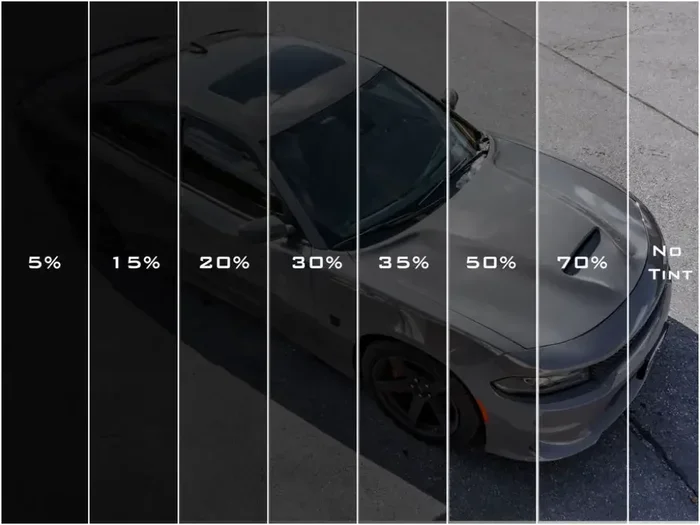
The darkness of your tint plays a huge role. Tint darkness is measured by VLT percentage. A lower VLT means less light gets through. Here is how different VLT levels affect nighttime performance:
- 5% VLT (Very Dark): Almost no light passes through. Very little visibility from outside at night, but also very poor visibility from inside.
- 20% VLT (Dark): Popular choice for privacy. Still allows some outside visibility at night from inside.
- 35% VLT (Medium): Good balance of privacy and visibility. Works reasonably well at night.
- 50% VLT (Light): Minimal privacy benefit. Plenty of visibility from both sides at night.
If you want nighttime privacy, a darker VLT will help. But remember, it will also reduce your ability to see out. This is a trade-off you need to consider carefully.
Interior Lighting Conditions
How bright your car interior is at night matters a lot. If you drive with bright dome lights on, people outside can see in easily. If you keep the interior dim or dark, the one-way effect partially returns. The darker your cabin, the harder it is for outsiders to see in.
This is why some people use LED interior lighting that is dim or colored. It keeps the cabin darker without sacrificing the ability to see your controls and instruments. Small changes in lighting can make a big difference.
Outside Lighting and Street Conditions
Where you park and drive matters too. On a well-lit city street, the outside is brighter than on a dark rural road. In bright urban areas, the one-way effect may partially work even at night. On dark roads or in parking garages, the effect completely disappears.
If you park on the street at night, your car is more exposed. People walking by can easily see inside. This is something to keep in mind if you leave personal items in your car.
Quality of the Tint Film
Not all tint films are created equal. High-quality automotive tinting films have better reflective coatings. They also have better adhesion and clarity. Cheap tint films may bubble, peel, or discolor over time. They also tend to have inconsistent reflective properties, which affects performance at night.
Investing in a quality film from a reputable brand makes a difference. Brands like 3M, Llumar, and SunTek are well-known in the window tinting industry. They offer films designed specifically for automotive use.
Benefits and Drawbacks of One-Way Mirror Tint
Like any car modification, one-way mirror tint has pros and cons. Let us look at both sides so you can make an informed decision.
The Benefits
- Excellent daytime privacy: During the day, the reflective coating keeps people from seeing inside.
- Heat reduction: Reflective tint blocks a lot of solar heat. Your car stays cooler in summer.
- UV protection: Quality tint films block harmful UV rays. This protects your skin and your interior.
- Glare reduction: The reflective coating reduces glare from the sun and other headlights.
- Sleek appearance: Many people love the modern, polished look of reflective tint on their car.
- Interior protection: Less UV exposure means your dashboard and seats last longer.
The Drawbacks
- Fails at night: The one-way effect disappears when interior lights are on in the dark.
- Reduced night visibility: Darker tints can make it harder to see the road at night.
- Legal issues: Many states have strict laws about tint darkness and reflectivity.
- Can peel or bubble: Lower-quality films may degrade over time.
- Interferes with cameras: Reflective tint can cause glare on dash cameras and backup cameras.
- Higher cost: Quality reflective tint costs more than standard dyed tint.
Tips for Choosing the Right Tint for Your Car
If you are considering tinting your car, you want to make the right choice. Here are some practical tips to help you decide.
Consider Your Privacy Needs
Think about when you need privacy the most. If you mostly drive during the day, one-way mirror tint is a great option. If you drive at night often or park in dark areas, you might want a different type of tint. Ceramic tint and carbon tint are excellent alternatives. They offer privacy without the one-way mirror effect.
Check Your Local Laws
Before you get any tint installed, check your state and local laws. Window tinting laws vary widely. Some states allow very dark tints. Others have strict limits on VLT and reflectivity. Getting caught with illegal tint can result in fines. It is not worth the risk.
Choose the Right VLT for Your Needs
Your VLT choice should match your driving habits. If you drive mostly in bright sunlight, a darker tint works well. If you drive a lot at night or in low-light conditions, a lighter tint is safer. A medium VLT around 20% to 35% is a popular compromise for many drivers.
Go with Professional Installation
While DIY tint kits are available, professional installation is the better choice. A professional will clean the windows properly, apply the film smoothly, and avoid bubbles and wrinkles. The result looks better and lasts longer. Plus, many shops offer warranties on their work.
Maintain Your Tint Properly
Once your tint is installed, take care of it. Wait at least a week before rolling down your windows. Use a soft cloth and non-ammonia cleaner to wipe the windows. Proper maintenance extends the life of your tint and keeps it looking great for years.
Common Mistakes People Make with One-Way Mirror Tint
Avoiding common mistakes can save you time, money, and frustration. Here are some pitfalls to watch out for.
- Assuming it works at night: This is the biggest mistake. Always remember that the one-way effect depends on light contrast.
- Choosing the wrong VLT: Too dark and you cannot see well at night. Too light and you lose daytime privacy.
- Ignoring local laws: Illegal tint can lead to fines and even要求 you to remove it.
- Skipping professional installation: DIY kits often result in bubbles, peeling, and uneven application.
- Not considering interior lighting: Bright interior lights at night eliminate the one-way effect completely.
- Buying cheap tint: Low-quality films fade, bubble, and peel much faster than quality ones.
Expert Insights on One-Way Mirror Tint and Nighttime Performance
We reached out to a few automotive tinting experts to get their take on this topic. Here is what they had to say.
Mark D., a certified tint installer with 15 years of experience, says, “I always tell my customers that one-way mirror tint is a daytime privacy solution. At night, it is just regular dark tint. If privacy at night is important to them, I recommend ceramic tint instead.”
Sarah L., an automotive detail specialist, adds, “The reflective coating on one-way mirror tint is great for heat rejection. But it does come with trade-offs. Drivers need to understand that the mirror effect is not magic. It depends entirely on the light conditions around the vehicle.”
These expert opinions reinforce what the science tells us. One-way mirror tint is a daytime tool. It is not designed to provide nighttime privacy. Understanding this before you get your car tinted can save you from disappointment.
Alternatives to One-Way Mirror Tint for Nighttime Privacy
If you need privacy at night, there are better options than one-way mirror tint. Here are some alternatives worth considering.
- Ceramic tint: This is a top choice for nighttime privacy. It blocks heat and UV rays without the reflective coating. It does not change appearance at night because it is not reflective.
- Carbon tint: Carbon film provides a matte black finish. It offers good privacy and heat rejection without the mirror effect.
- Privacy window shades: These are removable shades that you can pull down at night. They give you full control over your privacy.
- Dimmed interior lighting: Simply keeping your interior lights low or off at night helps maintain some level of privacy even with reflective tint.
- Dual-side tint: Some people use a reflective tint on the front windows and a privacy tint on the rear windows. This gives daytime mirror effect up front and consistent privacy in the back.
Each alternative has its own strengths. Ceramic tint is the most popular choice for all-around performance. Privacy shades offer flexibility. The best choice depends on your specific needs and budget.
Conclusion
So, does one-way mirror tint work at night? The answer is clear. It does not work the way it does during the day. The one-way mirror effect relies on light contrast, and at night, that contrast disappears. Your car windows become regular windows that people can see through from outside.
This does not mean one-way mirror tint is a bad choice. It is excellent for daytime privacy, heat rejection, and UV protection. But if nighttime privacy is important to you, you need to look at alternatives like ceramic or carbon tint. These options provide consistent privacy without the reflective drawbacks.
Before you tint your car, do your research. Check your local laws, choose the right VLT, and invest in quality installation. Understanding how your tint works and when it does not work will help you make the best decision for your car and your lifestyle. The right tint can transform your driving experience and keep you comfortable on every trip.
Remember, one-way mirror tint is a daytime solution. Plan accordingly, and you will enjoy the benefits without the surprises that come after dark.
Frequently Asked Questions
Can you see through one-way mirror tint at night?
Yes, you can. At night, when the interior of your car is lit up and the outside is dark, the one-way mirror effect reverses. People outside can see directly into your car through the reflective tint.
Is one-way mirror tint legal in all states?
No, it is not. Window tinting laws vary by state and even by city. Many states have strict limits on how reflective and how dark your tint can be. Always check your local regulations before getting your car tinted.
What VLT percentage is best for nighttime driving?
A VLT of 35% or higher is generally recommended for nighttime driving. It allows enough light to pass through for safe visibility while still providing some privacy during the day. Darker tints like 5% or 20% can reduce your ability to see the road at night.
Can I install one-way mirror tint myself?
You can, but professional installation is strongly recommended. DIY kits often result in bubbles, peeling, and uneven application. A professional installer has the tools, experience, and environment to apply the film correctly the first time.
How long does one-way mirror tint last?
High-quality one-way mirror tint can last 5 to 10 years or more with proper care. Cheaper films may start to bubble, peel, or fade within 1 to 3 years. The lifespan depends on the quality of the film and how well you maintain it.
Does one-way mirror tint block UV rays?
Yes, it does. Most quality reflective tint films block a significant percentage of harmful UV rays. This protects your skin and prevents your car interior from fading and cracking. Look for films that block at least 99% of UV rays for the best protection.