Can a Ford F-150 Pull a Fifth Wheel Full Answer Here
Yes, a Ford F-150 can pull a fifth wheel, but the answer depends on your specific model, engine, and towing package. Understanding your truck’s towing capacity and payload limits is essential before hitching up. This guide breaks down everything you need to know about fifth wheel towing with an F-150, from hitch types to real-world setups.
So, can a Ford F-150 pull a fifth wheel? The short answer is yes. But like most things in the truck world, the full answer is a bit more complicated. Whether you are planning a weekend camping trip or hauling a heavy travel trailer, knowing what your F-150 can handle is critical. Towing a fifth wheel is not the same as pulling a regular travel trailer. There are specific requirements, weight limits, and setups you need to get right. In this guide, we will walk you through everything you need to know. From engine options to hitch types, we have you covered.
The Ford F-150 is one of the best-selling trucks in America. It has earned a reputation for being strong, reliable, and capable. But capability varies a lot depending on the trim level, engine choice, and towing package you select. Not every F-150 is created equal when it comes to pulling power. Some models can handle a fifth wheel with ease, while others may struggle or simply lack the capacity. This is why understanding your specific truck matters so much. You do not want to find out the hard way that your setup is unsafe or overweight.
We will break down the towing numbers, explain how fifth wheel hitches work, and share practical tips from real-world experience. By the end of this article, you will know exactly whether your F-150 can handle a fifth wheel and what you need to do to do it safely. Let us dive in.
Key Takeaways
- Yes, an F-150 can pull a fifth wheel: but only with the right configuration and hitch setup.
- Engine and trim matter a lot: higher trims and diesel engines offer better towing numbers.
- Payload capacity is just as important as towing capacity: the weight in your truck bed affects everything.
- A proper fifth wheel hitch is non-negotiable: you cannot use a standard receiver hitch for this.
- Common mistakes can be dangerous: overloading and improper weight distribution are the top risks.
- Aftermarket upgrades help: things like towing mirrors and proper tinting improve safety and visibility.
📑 Table of Contents
Understanding Fifth Wheel Towing Basics
What Is a Fifth Wheel?
A fifth wheel trailer is a type of travel trailer that sits over the bed of your truck. It uses a special hitch mounted in the truck bed, right over the rear axle. This design gives the trailer more stability and a smoother ride compared to a standard bumper-pull trailer. Fifth wheels are popular among RV enthusiasts because they offer more living space and better towing dynamics.
The hitch itself looks like a large horseshoe-shaped plate. It connects to a kingpin on the trailer. This connection point is much higher than a standard trailer hitch, which is why you need a special setup in your truck bed. Fifth wheel towing requires more planning and preparation than pulling a conventional trailer. But many truck owners prefer the feel and security of a fifth wheel setup.
How Does a Fifth Wheel Hitch Work?
A fifth wheel hitch mounts directly into the truck bed. It sits on a platform that distributes the trailer’s weight across the truck’s rear axle. The hitch head pivots, which allows the trailer to turn smoothly without jackknifing. Weight distribution is the key advantage of a fifth wheel system. A large portion of the trailer’s tongue weight sits directly over the rear wheels of the truck. This improves balance and reduces sway.
There are different types of fifth wheel hitches too. Some are fixed mount, while others are sliding mount. A sliding mount hitch moves forward and backward on rail tracks in the truck bed. This is helpful because it gives you more room between the cab and the trailer. Choosing the right hitch type depends on your truck, your trailer, and how you plan to use it.
Ford F-150 Towing Capacity Explained
Towing Capacity by Engine Type
The Ford F-150 comes with several engine options, and each one has different towing numbers. The base 3.3-liter V6 can tow up to about 5,000 pounds. That is fine for a small boat or utility trailer, but it is not enough for a fifth wheel. The 5.0-liter V8 offers better towing, usually around 7,000 to 8,000 pounds depending on the configuration.
The 3.5-liter EcoBoost V6 is the real workhorse. It can tow up to 13,500 pounds in some configurations. And the new 3.5-liter PowerBoost hybrid delivers similar numbers. If you want to pull a fifth wheel with an F-150, you need one of these stronger engines. The base engines simply do not have enough power or the right towing package for fifth wheel duty.
Here is a quick look at the towing numbers by engine:
- 3.3L V6: Up to 5,000 lbs towing capacity
- 5.0L V8: Up to 8,000 lbs towing capacity
- 3.5L EcoBoost V6: Up to 13,500 lbs towing capacity
- 3.5L PowerBoost Hybrid: Up to 12,700 lbs towing capacity
Payload Capacity vs. Towing Capacity
People often confuse towing capacity with payload capacity. They are not the same thing. Towing capacity is how much weight your truck can pull behind it. Payload capacity is how much weight your truck can carry in itself, including passengers, cargo, and the truck bed.
When towing a fifth wheel, both numbers matter a lot. The trailer’s tongue weight counts toward your payload. A typical fifth wheel puts 15 to 25 percent of its total weight on the hitch. So if your trailer weighs 10,000 pounds, the tongue weight could be 1,500 to 2,500 pounds. That is a big chunk of your payload budget. Always check your truck’s payload rating before buying a fifth wheel trailer. Overloading your truck bed is dangerous and can damage your vehicle.
For reference, a standard half-ton F-150 usually has a payload capacity of around 1,500 to 2,300 pounds, depending on the trim and configuration. That may sound like a lot, but it goes fast once you add passengers, gear, and the tongue weight of a trailer. Some truck owners upgrade to a heavier-duty model for this exact reason.
Can a Ford F-150 Actually Pull a Fifth Wheel?
Half-Ton vs. Three-Quarter-Ton F-150
Here is where things get interesting. The standard F-150 is a half-ton truck. In the past, half-ton trucks were not recommended for fifth wheel towing. But modern F-150s are much more capable than older models. With the right engine and towing package, a half-ton F-150 can pull a lighter fifth wheel trailer.
That said, there are limits. A half-ton F-150 with the 3.5-liter EcoBoost engine can handle a fifth wheel in the 9,000 to 12,000 pound range. This covers many smaller travel trailers and toy haulers. But if you want to pull a large, heavy fifth wheel, you may need to look at a three-quarter-ton truck like the Ford F-250 or F-350. The F-250 and F-350 have higher payload and towing numbers that make them better suited for heavy fifth wheel setups.
Some people do successfully tow larger fifth wheels with an F-150. But they have to be very careful about weight distribution. They also often make upgrades like adding a weight distribution system or upgrading the suspension. It is possible, but it requires knowledge and preparation.
Real-World Fifth Wheel Setups on F-150s
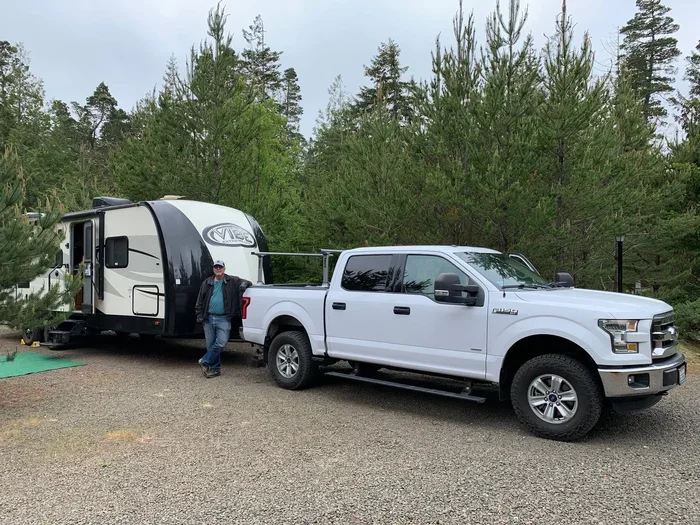
In the real world, many F-150 owners tow fifth wheel trailers every weekend. The most common setups involve smaller to mid-size fifth wheels, usually under 11,000 pounds. These include pop-up campers, smaller travel trailers, and compact toy haulers. Popular fifth wheel brands like Lance, Forest River, and Grand Design make trailers that work well with the F-150.
One thing to keep in mind is the weight of the truck itself. The F-150 is getting heavier with each new generation. More technology, more features, and more structural reinforcement all add weight. This reduces the available payload for towing. When you are shopping for an F-150 specifically for fifth wheel towing, look for the Max Trailer Tow Package or similar options. These packages often include a stronger cooling system, a wiring harness, and a weight-distributing hitch receiver.
Also, consider the truck’s rear suspension. The F-150 comes with different suspension options, from standard coils to heavy-duty leaf springs. If you plan to tow frequently, the heavy-duty suspension makes a real difference in ride quality and safety. It helps keep the truck level and prevents the rear from sagging under load.
What You Need for a Fifth Wheel Setup on an F-150
Choosing the Right Fifth Wheel Hitch
The hitch is the most important part of any fifth wheel setup. You cannot use a standard bumper hitch or a receiver hitch. You need a proper fifth wheel hitch that mounts in the truck bed. Popular brands include Reese, Curt, and Husky. Each offers different weight ratings and features.
When choosing a hitch, match it to your truck’s payload capacity and the trailer’s weight. A hitch rated for 20,000 pounds might seem great, but if your truck cannot handle that weight, it does not matter. Always follow the manufacturer’s recommendations for both the hitch and the truck. Installation matters too. A poorly installed hitch can lead to dangerous situations on the road.
Some hitches come with a slider rail system. This allows the hitch head to move forward and backward on the rail. This is useful because it gives you more clearance between the cab and the trailer walls. For F-150 owners with shorter beds, a sliding hitch is almost a must. It prevents the trailer from hitting the cab when making sharp turns.
Truck Bed Modifications and Accessories
Before you start towing, there are a few accessories you should consider. First, towing mirrors are essential. A fifth wheel trailer is wide, and standard side mirrors may not give you enough visibility. Extended towing mirrors help you see around the trailer and stay safe on the road.
Next, consider adding a tonneau cover or bed extender if needed. Some fifth wheel setups benefit from having the truck bed protected from weather and debris. A bed liner is also a good idea to prevent scratches and damage from the hitch and trailer movement. Small upgrades like these make a big difference in the long run.
You might also want to look into window tint for better visibility and glare reduction during long towing trips. A good 20 percent window tint can reduce eye strain and improve comfort on sunny days. Just make sure your tint complies with local laws. Finally, if you are considering a diesel F-150, keep in mind that diesel engines are built for heavy-duty work. Many owners wonder whether 000 miles is a lot for a diesel, and the answer depends on maintenance and usage.
Common Mistakes When Towing a Fifth Wheel with an F-150
One of the biggest mistakes is not checking the weight before hitting the road. People assume their trailer is within limits, but they never actually weigh it. Always weigh your fully loaded trailer at a truck scale. This includes everything inside, water tanks, fuel, and gear. Knowing the exact weight helps you stay within your truck’s limits.
Another common mistake is ignoring tongue weight. If the tongue weight is too light, the trailer will sway. If it is too heavy, it will overload the rear of your truck. Both situations are dangerous. Adjust the load inside the trailer to get the tongue weight into the proper range, usually around 15 to 25 percent of the total trailer weight.
Some owners also underestimate the importance of brake controllers. A fifth wheel trailer has its own brakes, and they need to be synced with your truck’s braking system. A good brake controller ensures both sets of brakes engage smoothly and at the right time. Do not skip this step, especially when towing heavier loads.
Finally, many people forget about the weight of passengers and cargo in the truck itself. If you have four adults, a full tank of fuel, camping gear, and a loaded fifth wheel, you may be right at the payload limit. Keep a running tally of all the weight your truck is carrying. It is better to know before you start driving than to find out on the highway.
Expert Tips for Safe Fifth Wheel Towing
Start with a test drive. Before you go on a long trip, take a short drive around your neighborhood or a quiet road. This lets you check how the truck and trailer handle together. Listen for any unusual sounds, and check that the trailer tracks straight behind the truck.
Practice turning and backing up. Fifth wheel towing changes the way your truck handles. Turning radius is different, and backing up requires a different technique. Find an empty parking lot and practice a few times before you need to do it in a tight campground spot. The more you practice, the more confident you will feel.
Check your tire pressure before every trip. Both the truck tires and the trailer tires need to be at the correct pressure. Underinflated tires are a leading cause of towing accidents. Invest in a good tire pressure monitoring system if your truck does not have one built in.
Keep your speed steady and within the limit. Towing a fifth wheel changes your truck’s center of gravity. Sudden lane changes, hard braking, and high speeds all increase the risk of problems. Drive smoothly and give yourself extra following distance. Patience is your best friend on the road.
Also, consider upgrading your truck’s cooling system if you plan to tow frequently. Towing puts extra stress on the engine and transmission. An upgraded radiator or transmission cooler can help prevent overheating, especially during hot summer days or when driving through mountain passes. Small upgrades can prevent big problems down the road.
Final Thoughts
So, can a Ford F-150 pull a fifth wheel? Yes, it absolutely can, as long as you have the right engine, the right hitch, and the right setup. The key is understanding your truck’s limits and staying within them. Always check your towing capacity and payload capacity before choosing a fifth wheel trailer. Invest in quality equipment, take the time to set things up correctly, and practice safe towing habits.
The Ford F-150 is a versatile and capable truck. With the proper configuration, it can handle a fifth wheel setup for camping, hauling, or weekend adventures. Just remember that every truck and trailer combination is different. What works for one person may not work for another. Do your research, know your numbers, and always prioritize safety.
Whether you are a first-time tower or a seasoned pro, taking the time to get your setup right makes all the difference. Happy towing, and enjoy the open road with your fifth wheel in tow.
Frequently Asked Questions
Can a base model Ford F-150 pull a fifth wheel?
It depends on the engine and towing package. Base models with the 3.3-liter V6 usually cannot handle a fifth wheel safely. You need at least the 5.0-liter V8 or the 3.5-liter EcoBoost engine with the proper towing package for fifth wheel towing.
What size fifth wheel can a Ford F-150 safely tow?
With the 3.5-liter EcoBoost engine, an F-150 can safely tow a fifth wheel in the 9,000 to 13,500 pound range. However, you must also consider payload capacity, tongue weight, and your specific truck’s configuration. Always check your owner’s manual for exact numbers.
Do I need a special hitch to tow a fifth wheel with an F-150?
Yes, you absolutely need a fifth wheel hitch. A standard receiver hitch or bumper hitch will not work. The fifth wheel hitch mounts in the truck bed and connects to the trailer’s kingpin. Choose a hitch rated for your trailer’s weight and your truck’s payload capacity.
Is it safe to tow a fifth wheel with a half-ton F-150?
It can be safe if you stay within the truck’s towing and payload limits. Many F-150 owners tow smaller fifth wheels successfully. The key is to not exceed your truck’s rated capacity and to distribute weight properly. Always weigh your loaded trailer before traveling.
What is the difference between a gooseneck hitch and a fifth wheel hitch?
A gooseneck hitch uses a ball mount in the truck bed, while a fifth wheel hitch uses a kingpin connection. Fifth wheel hitches generally offer a smoother ride and better stability for RV towing. Gooseneck hitches are more common for livestock and utility trailers. Both require a special mount in the truck bed.
How can I improve my F-150’s towing performance for a fifth wheel?
You can upgrade the suspension, add a weight distribution system, install a brake controller, and use towing mirrors. Keeping your tires properly inflated and choosing the right fifth wheel hitch also make a big difference. Regular maintenance on the engine and transmission helps too.
=== CONCLUSION ===
Can a Ford F-150 pull a fifth wheel? The answer is a clear yes, with the right setup. Your specific F-150 model, engine choice, and towing package all play a role in determining what you can safely tow. Always respect your truck’s towing capacity and payload limits. Invest in a quality fifth wheel hitch and the right accessories. And most importantly, take the time to set up your rig correctly before every trip. Safe towing starts with knowledge and preparation.