Do Chevy Rims Fit A Dodge?
Do Chevy Rims Fit a Dodge? is an essential topic that provides valuable insights.
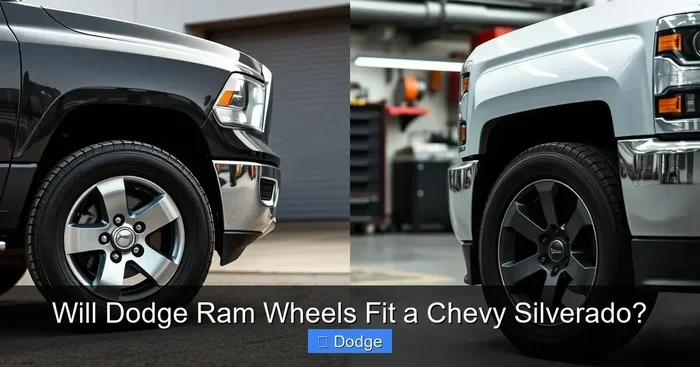
You just found a set of Chevy rims that look incredible. The price is right. The style matches your Dodge perfectly. But then the question hits you: do Chevy rims fit a Dodge?
This is one of the most common questions among car owners who mix and match parts. The truth is that rim fitment is not always straightforward. Different brands use different specifications, and those small differences can make a big impact. In this guide, we will walk you through everything you need to know. We will cover bolt patterns, offsets, hub bores, adapters, and more. By the end, you will have a clear answer and the confidence to make the right choice.
If you are also thinking about upgrading other parts of your vehicle, check out our guide on 20 percent window tint for great ideas on customizing your ride.
Key Takeaways
- Bolt pattern is the foundation: Chevy and Dodge use different lug patterns, so always verify before buying rims.
- Adapters can bridge the gap: Wheel adapters are a practical option for fitting Chevy rims on a Dodge.
- Offset and backspacing matter: Wrong measurements can cause rubbing, handling issues, or safety problems.
- Hub bore size counts: A proper hub bore ensures a secure and vibration-free fit.
- Test fit before mounting: Always check the fitment before committing to permanent installation.
- Consult a professional when unsure: Expert advice can save you time, money, and safety risks.
📑 Table of Contents
Understanding Rim Compatibility
Before you buy any rims, you need to understand what makes a wheel compatible with your vehicle. Rim compatibility is not just about looks. It is about engineering. Every vehicle has specific measurements that dictate which wheels will work safely and properly.
When people ask, “do Chevy rims fit a Dodge,” they are really asking about several technical factors at once. These factors work together to determine whether a wheel will mount correctly, sit properly, and perform safely on the road.
Let us break down the key elements of rim compatibility so you can shop with confidence.
What Makes a Rim Compatible?
Several measurements determine whether a rim will fit your vehicle. Here are the most important ones:
- Bolt pattern: The arrangement of lug holes on the wheel. This is the most critical factor.
- Offset: How far the mounting surface sits from the center of the rim.
- Backspacing: The distance from the mounting surface to the inner edge of the rim.
- Hub bore: The center hole size that fits over the vehicle’s hub.
- Wheel diameter: The overall size of the rim in inches.
- Wheel width: The width of the rim from edge to edge.
All of these specs must fall within acceptable ranges for your specific vehicle. Even one wrong measurement can cause problems. These problems range from poor handling to dangerous driving conditions.
For example, if the bolt pattern does not match, the wheel simply will not mount. If the offset is wrong, the wheel might rub against the fender or suspension. Each specification plays a vital role in safe and proper fitment.
Understanding these basics is the first step toward answering the question, “do Chevy rims fit a Dodge.” Without this knowledge, you are guessing, and guessing with wheels is never a good idea.
Why Bolt Pattern Is the Starting Point
The bolt pattern, also called the lug pattern, is always the first thing to check. This is the circular arrangement of lug nuts or bolts on the wheel. Chevy and Dodge vehicles often use different bolt patterns, which is the biggest hurdle in cross-brand fitment.
Here is a quick look at common bolt patterns:
- Chevy vehicles: Many Chevy cars and trucks use a 5×114.3mm or 5x127mm pattern.
- Dodge vehicles: Many Dodge cars use a 5×114.3mm pattern, while some trucks use 8-lug patterns.
- Overlap: Some models share the same bolt pattern, making fitment possible.
When the bolt patterns match, you have a starting point. When they do not match, you will need adapters or custom solutions. Always double-check your specific vehicle model before making any purchase. A quick search for your vehicle year, make, and model will give you the exact specifications you need.
The bolt pattern is the foundation of cross-brand wheel fitment. It determines whether the wheel can even mount to the hub. Getting this right is the single most important step in the entire process.
Chevy vs Dodge Rim Specifications
Now that you understand the basics, let us compare the typical specifications for Chevy and Dodge rims. This side-by-side look will help you see where the similarities and differences lie.
Common Chevy Rim Specifications
Chevrolet vehicles span a wide range, from compact cars to heavy-duty trucks. Because of this variety, Chevy rim specifications can vary quite a bit. However, some common patterns emerge across the lineup.
Most Chevy passenger cars use a 5-lug bolt pattern. The most common measurements are 5×114.3mm and 5x127mm. The hub bore for Chevy wheels is typically around 65mm to 73mm, depending on the model. Standard rim diameters range from 16 inches to 20 inches for most models, with some trucks offering larger sizes.
Chevy rims also tend to have a wide range of offset options. This gives buyers more flexibility when choosing wheels. The wheel widths commonly available for Chevy vehicles range from 6 inches to 10 inches, though wider options exist for trucks and performance cars.
If you own a Chevy and want to learn more about vehicle weight considerations, check out our article on what counts as heavy for a car to understand how rim weight affects your vehicle.
Common Dodge Rim Specifications
Dodge vehicles also cover a broad range. From the compact Dodge Dart to the powerful Dodge Ram, specifications vary significantly across the lineup.
Most Dodge cars use a 5-lug bolt pattern. The common measurement is 5×114.3mm, which overlaps with many Chevy models. Dodge trucks, especially the Ram series, often use an 8-lug pattern for heavier load capacity. The hub bore for Dodge wheels typically ranges from 65mm to 75mm, depending on the model.
Standard rim diameters for Dodge vehicles usually range from 17 inches to 22 inches. Wheel widths commonly fall between 7 inches and 11 inches. Dodge vehicles, especially performance models like the Challenger and Charger, often use wider rims to accommodate larger tires and improve handling.
The offset specifications for Dodge rims are also important. Many Dodge vehicles use a positive offset, meaning the mounting surface sits closer to the face of the wheel. This affects how the wheel sits in the wheel well and how the vehicle handles on the road.
For diesel Dodge truck owners interested in long-term maintenance, our guide on mileage expectations for diesel engines offers helpful insights into keeping your vehicle running strong.
Can You Make Chevy Rims Fit a Dodge?
This is the question everyone wants answered. The short answer is yes, in many cases. But the full answer requires some work and careful planning. Making Chevy rims fit a Dodge is possible, but it depends on your specific situation and how close the specifications are.
Let us explore the methods and considerations for achieving cross-brand fitment. Whether you are a DIY enthusiast or prefer professional installation, there is a path forward.
Using Wheel Adapters
Wheel adapters are the most common solution when bolt patterns do not match. These simple devices bolt to the vehicle’s hub and provide a new mounting surface with the correct bolt pattern for the rims you want to use.
Here is how wheel adapters work in practice:
- You measure the bolt pattern of both the vehicle and the rims.
- You purchase an adapter that converts from one pattern to the other.
- You bolt the adapter to the vehicle hub first.
- You then mount the Chevy rims onto the adapter.
Adapters are widely available and relatively affordable. However, they do add some considerations. Adapters change the effective offset of the wheel, which can affect handling and clearance. They also add an extra layer of hardware that needs to be maintained and checked regularly for safety.
Always buy adapters from reputable manufacturers. Cheap adapters can be dangerous. Look for adapters made from high-quality materials like aircraft-grade aluminum. The thickness and strength of the adapter matter, especially if you drive in demanding conditions or carry heavy loads.
If you are also thinking about other appearance upgrades for your Dodge, consider pairing your new rims with a 20 percent window tint for a sleek, customized look that turns heads.
The Role of Offset and Backspacing
Even when the bolt pattern matches, offset and backspacing can still cause fitment issues. These two measurements determine where the wheel sits in relation to the vehicle’s fender and suspension components.
Offset is the distance from the mounting surface to the center line of the rim. A positive offset means the mounting surface is closer to the face of the wheel. A negative offset pushes the wheel outward from the vehicle.
Backspacing is the distance from the mounting surface to the inner lip of the rim. More backspacing means the wheel sits deeper into the wheel well. Less backspacing means the wheel sticks out further.
When the offset or backspacing is wrong, several problems can occur:
- The wheel may rub against the fender or suspension components.
- The vehicle may handle poorly, especially during cornering.
- The wheels may protrude too far, creating safety hazards.
- Tire wear can become uneven and premature.
To avoid these issues, always compare the offset and backspacing of the Chevy rims to the specifications recommended for your Dodge model. You can find these specifications in your vehicle owner’s manual or by consulting a wheel fitment calculator online.
If you need to adjust the offset, spacers are an option. Wheel spacers slide onto the hub and push the wheel outward to achieve the correct position. However, like adapters, spacers should be used carefully and only with high-quality products.
Hub Bore and Center Bore Considerations
The hub bore is the center hole in the rim that fits over the vehicle’s hub. This measurement is critical for a proper and safe fit. When the hub bore is too large, the wheel will not seat properly on the hub. When it is too small, the wheel will not go on at all.
Chevy and Dodge vehicles sometimes have different hub bore sizes. When the sizes do not match, hub-centric rings can solve the problem. These are simple rings that fill the gap between the hub bore and the vehicle’s hub.
Hub-centric rings ensure that the wheel is centered correctly on the hub. This is important because it reduces vibration and ensures even tire wear. Without proper hub fitment, you may experience shaking at highway speeds or uneven wear on your tires and rims.
Always check the hub bore size before purchasing any rims. This is one of the easiest specifications to verify and one of the most important for safety. If the hub bore does not match, hub-centric rings are an inexpensive and effective solution.
Common Mistakes People Make When Swapping Rims
Swapping rims between brands is not as simple as bolting on a new set of wheels. Many people make mistakes that lead to poor performance, safety issues, or wasted money. Let us look at the most common errors and how to avoid them.
Ignoring Load Capacity
One of the biggest mistakes is ignoring the load capacity of the rims you are considering. Every rim has a weight rating, and this rating must match or exceed the demands of your vehicle. If you put heavy rims on a vehicle that does not support the weight, you risk serious problems.
Think about it this way. If your rims are too heavy for your car, you will notice it in the handling, braking, and fuel economy. Heavier rims put more unsprung weight on the vehicle. This means the suspension has to work harder, which affects ride quality and safety.
Always check the weight rating of any rims before purchasing. Compare this rating to your vehicle’s specifications. If you are unsure, ask a professional or contact the rim manufacturer directly. It is better to be safe than sorry when it comes to wheel weight.
Skipping the Test Fit
Another common mistake is skipping the test fit. Many people buy rims online, have them shipped, and then discover they do not fit. This wastes money and time. A test fit should always be done before you commit to permanent installation.
Here is what a proper test fit looks like:
- Mount the rim on the vehicle without fully tightening the lug nuts.
- Check for clearance between the rim and the fender.
- Check for clearance between the rim and the suspension components.
- Spin the wheel to ensure it does not rub against anything.
- Verify that the tire does not interfere with the brakes or steering components.
If any rubbing or interference occurs during the test fit, do not install the rims permanently. Adjust the offset, try spacers, or choose a different set of rims. A test fit takes just a few minutes but can save you from expensive mistakes.
Expert Tips for Choosing the Right Rims
Choosing the right rims for your Dodge when considering Chevy options does not have to be overwhelming. With the right approach, you can find wheels that look great and fit safely. Here are some expert tips to guide your decision.
Consider Your Driving Style
Your driving style should influence your rim choice. If you drive mostly on highways, you might prioritize comfort and low rolling resistance. If you drive in the city, you might focus on aesthetics and maneuverability. For off-road or performance driving, durability and width become more important.
Think about what you do with your vehicle every day. Do you commute long distances? Do you tow a trailer? Do you enjoy spirited driving on winding roads? Your answers to these questions will help you narrow down the right rim specifications.
For example, if you drive a lot of miles, lighter rims can improve fuel efficiency and reduce wear on your suspension. Heavier rims might look great but can negatively impact your daily driving experience. Consider the trade-offs before you buy.
Also think about the climate you drive in. If you live in an area with harsh winters, consider rims that are resistant to salt and corrosion. If you live in a hot climate, choose rims that can handle heat without warping. These practical considerations go a long way toward finding the right fit.
When to Consult a Professional
While many rim swaps are DIY-friendly, some situations call for professional help. If you are unsure about any of the specifications, it is worth consulting a wheel specialist or mechanic. They have the tools and experience to verify fitment quickly and accurately.
Professional installation also ensures that the rims are torqued to the correct specification. Improperly torqued lug nuts can loosen over time, which is a serious safety hazard. A professional will also check for proper hub bore fitment and offset alignment during installation.
If you have a diesel vehicle and want to understand more about long-term maintenance, check out our guide on what counts as a lot of miles for a diesel to keep your vehicle running at its best for years to come.
Many tire shops offer free fitment checks. Take advantage of this service before making a purchase. It costs nothing and gives you peace of mind that your new rims will work correctly. A quick visit to a professional can save you hundreds of dollars in returns and replacements.
Final Verdict
So, do Chevy rims fit a Dodge? The answer is yes, in many cases, but it requires careful attention to specifications. Bolt pattern, offset, backspacing, hub bore, and load capacity all play a role in determining compatibility.
When the specifications align, you can enjoy a great set of rims that enhance the look and performance of your Dodge. When they do not align, adapters, spacers, and hub-centric rings can often bridge the gap. The key is to do your homework before you buy.
Never rush into a rim purchase without verifying fitment. Take the time to measure, compare, and test. Your safety and driving experience depend on it. With the right approach and a little patience, you can find the perfect set of Chevy rims for your Dodge and enjoy the road ahead with confidence.
Frequently Asked Questions
Can I put Chevy rims on any Dodge vehicle?
Not necessarily. Bolt patterns, hub bores, and offsets vary across models. You must check the specific specifications of both your Chevy rims and your Dodge vehicle to confirm compatibility. Always verify before making a purchase.
Do wheel adapters affect safety?
When used correctly and from reputable manufacturers, wheel adapters are safe. However, cheap or poorly made adapters can be dangerous. Always choose high-quality adapters and have them inspected regularly for wear and tear.
What happens if the offset is wrong?
Wrong offset can cause the wheel to rub against the fender or suspension. It can also lead to poor handling, uneven tire wear, and safety issues. Always match the offset to your vehicle’s recommended specifications.
Are hub-centric rings necessary?
Hub-centric rings are necessary when the hub bore of the rim is larger than the vehicle’s hub. They ensure proper centering and reduce vibration. They are inexpensive and easy to install yourself.
How do I find my bolt pattern?
You can find your bolt pattern in your vehicle owner’s manual or by measuring the distance between lug holes. Many online resources also provide bolt pattern charts by vehicle make, model, and year.
Can I use Chevy rims and Dodge tires together?
Rims and tires are separate components. You can mix rim brands with tire brands as long as the tire size matches the rim specifications. Always verify that the tire fits the rim width and diameter correctly before driving.
=== CONCLUSION ===
The question “do Chevy rims fit a Dodge” does not have a simple yes or no answer. It depends on several factors working together. Bolt pattern, offset, backspacing, hub bore, and load capacity all need to align for a safe and proper fit.
Do Chevy Rims Fit A Dodge is a question that deserves careful research and attention to detail. With the right information and a methodical approach, you can find rims that work perfectly for your Dodge. Whether you use adapters, spacers, or find a direct match, the goal is the same: a safe, great-looking set of wheels that enhances your driving experience.
Take your time. Do the measurements. Check the specifications. And most importantly, test fit before you commit. Your wheels are the only part of your car that touches the road. Make sure they are right for the job, and you will enjoy miles of safe and stylish driving ahead.