Can You Wash Your Car Too Much And Ruin The Paint Job
Washing your car too often can strip away the protective clear coat and cause long-term paint damage. Many car owners don’t realize that over-washing removes wax, creates swirl marks, and leads to paint oxidation over time. In this guide, you will learn the safe car wash frequency, the risks of washing too much, and simple steps to keep your vehicle’s finish looking brand new.
You love your car. You want it to look shiny and clean every single day. But here is the big question: can you wash your car too much? It sounds like a silly question at first. After all, a clean car is a happy car, right?
Well, not exactly. There is such a thing as washing your car too often. And the truth is, over-washing can seriously harm your paint job. Many car owners do not even realize they are causing damage every time they grab a sponge and a bucket of soap.
In this article, we will break down everything you need to know about car wash frequency, the risks of washing too much, and how to keep your vehicle looking its best. Whether you hand wash at home or visit an automatic car wash, this guide has you covered. Let us dive in.
Key Takeaways
- Over-washing damages paint: Frequent washing strips the clear coat and protective wax layer, leading to dullness and paint deterioration.
- Wash frequency matters: Most cars need washing every two weeks, but driving conditions can change how often you should clean your vehicle.
- Hand washing is safer: Using proper tools like a microfiber cloth and gentle soap reduces the risk of swirl marks and micro scratches.
- Protect your paint between washes: Waxing, ceramic coatings, and paint sealants create a protective barrier that keeps your car cleaner longer.
- Know when more washing is okay: After off-road trips, bird droppings, or tree sap exposure, washing promptly actually prevents damage rather than causing it.
- Automatic car washes have trade-offs: Touchless washes are gentler, but brush-style washes can cause serious paint damage over time.
📑 Table of Contents
- How Often Should You Wash Your Car?
- What Happens When You Wash Your Car Too Much?
- The Right Way to Wash Your Car
- Automatic vs Hand Washing: Which Is Safer?
- How to Protect Your Car Paint Between Washes
- When More Washes Actually Make Sense
- Common Mistakes People Make When Washing Their Car
- How Often Should You Detail Your Car?
- Conclusion
How Often Should You Wash Your Car?
The answer to this question depends on several factors. There is no one-size-fits-all number. But most experts agree on a general guideline that works for the average driver.
Factors That Determine Wash Frequency
Your car wash frequency should match your driving habits and environment. Here are the key factors to consider:
- Where you live: Coastal areas with salt air need more frequent washing. So do places with heavy rain, snow, or road salt.
- Where you park: A garage-protected car stays cleaner longer than one parked under trees or on the street.
- How often you drive: A daily commuter car collects dirt faster than a weekend cruiser.
- Weather conditions: Bird droppings, tree sap, and pollen all speed up the need for a wash.
- Road conditions: Dirt roads, construction zones, and salted highways all grime up your vehicle quickly.
For most people, washing every two weeks is a solid baseline. But if you drive through dusty areas or notice bugs and grime building up, you might need to wash more often. The key is to wash when needed, not on a rigid schedule.
Seasonal Car Wash Tips
Each season brings different challenges for your car’s finish. In spring, pollen and bugs coat your front end. Summer heat baked-on tar and bird droppings become harder to remove. Fall leaves leave sap and stains. Winter salt and road grime are the worst offenders of all.
During winter months, you should wash your car more often, especially after driving on salted roads. Salt is one of the biggest enemies of paint protection. It eats through protective barriers and causes paint oxidation faster than almost anything else.
In summer, rinse your car after road trips or beach visits. Salt air and bug splatter can damage your finish faster than you think. A quick rinse with water between full washes goes a long way.
What Happens When You Wash Your Car Too Much?
Now let us get to the heart of the matter. What exactly goes wrong when you wash your car too much? The damage is real, and it happens gradually. Most people do not notice until the paint already looks dull and tired.
Clear Coat Wear and Damage
Your car’s paint has multiple layers. The top layer is called the clear coat. It is a transparent protective shield that gives your car that deep, glossy look. Every time you wash your car, you gently scrub this layer.
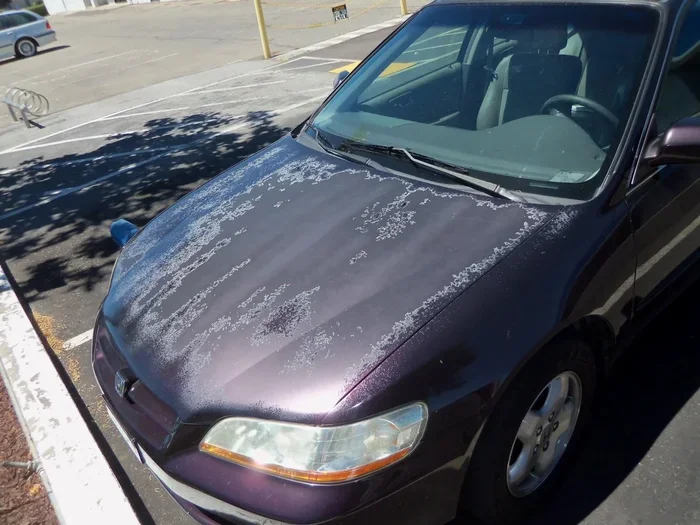
When you wash too often, you wear down the clear coat faster than it can recover. Over time, this leads to a faded, cloudy appearance. Once the clear coat is compromised, the damage is often permanent without expensive paint correction.
Washing too often also removes the natural oils in the paint. These oils keep the surface flexible and resilient. Without them, the paint becomes brittle and prone to cracking. Think of it like washing your hands too much. They get dry, cracked, and irritated. Your car’s paint works the same way.
Water Spots and Soap Residue
Every time water dries on your car, it leaves behind minerals. These create water spots that etch into the paint surface. The more you wash, the more water touches your car, and the more water spots you accumulate.
Soap residue is another hidden problem. If you do not rinse thoroughly, soap left on the surface can eat into the paint and wax layer. This is especially true with harsh detergents or dish soap, which strips away protective barriers instead of preserving them.
To avoid water spots, always dry your car with a clean microfiber cloth after washing. Never let your car air dry in direct sunlight. The heat speeds up mineral deposits and makes spots harder to remove.
Swirl Marks and Micro Scratches
Every time you wipe your car with a cloth or sponge, you create tiny friction points. If you use the wrong tools or dirty materials, these friction points turn into swirl marks and micro scratches.
Over time, these marks build up and create a dull, hazy look on your paint. No amount of waxing can fully fix deep swirl marks. You would need professional car detailing or even paint correction to restore the surface.
This is why the tools you use matter so much. A cheap sponge or an old towel can do more harm than good. Always use soft, clean microfiber cloths and wash mitts designed for automotive use.
The Right Way to Wash Your Car
Now that you know the risks, let us talk about how to wash your car the right way. Proper technique makes all the difference between cleaning and damaging your paint.
Choosing the Right Products
Not all car wash soaps are created equal. Many household cleaners are too harsh for automotive paint. Avoid dish soap, household cleaners, and anything with degreasers.
Instead, invest in a quality car wash soap designed specifically for vehicles. These products are pH-balanced and gentle on your paint. They clean effectively without stripping away waxing your car layers or paint sealants.
Here is what you need for a safe hand wash:
- A bucket filled with clean, cool water
- pH-balanced car wash soap
- Two microfiber wash mitts (one for the body, one for the wheels)
- A separate bucket for rinsing your mitt
- Clean microfiber drying towels
- A gentle spray detailer for touch-ups
Step-by-Step Hand Washing Guide
Follow these steps to wash your car safely and effectively:
- Rinse first: Use a hose to rinse off loose dirt and debris. This prevents scratching when you start soaping up.
- Wash top to bottom: Start at the roof and work your way down. The lower panels are the dirtiest, so washing them last keeps your soap cleaner longer.
- Use the two-bucket method: One bucket has soapy water. The other has clean rinse water. Dip your mitt in the soap bucket, wash a section, then rinse the mitt in the clean bucket before dipping again.
- Gentle pressure only: Let the soap do the work. Do not press hard or scrub aggressively. Let the wash mitt glide across the surface.
- Rinse thoroughly: Make sure every bit of soap is rinsed off. Soap residue attracts dirt and can damage your finish.
- Dry immediately: Use a clean microfiber towel to dry the car completely. Pat dry rather than rubbing back and forth.
This method takes a little more time, but it protects your paint and keeps your protective barrier intact. A proper hand wash should take about 20 to 30 minutes.
Quick Tips for Safe Washing
- Wash in the shade. Direct sunlight causes soap and water to dry too fast, leading to spots and residue.
- Wash your microfiber cloths regularly. Dirty cloths carry grit that scratches your paint.
- Never wash on a windy day. Wind blows dust and sand particles onto your wet paint.
- Replace worn wash mitts. Frayed fabric creates more friction and more swirl marks.
- Use a rinse-less wash product for light cleaning between full washes. It saves water and reduces the frequency of full washes.
Automatic vs Hand Washing: Which Is Safer?
This is one of the most debated topics in car maintenance. Both methods have pros and cons. The answer depends on the type of automatic wash you use and how carefully you hand wash.
Touchless Car Wash Options
Touchless automatic car wash facilities use high-pressure water jets and specialized chemicals. They do not use brushes or physical contact. This makes them much gentler on your paint than brush-style washes.
However, touchless washes can still leave soap residue if the chemicals are not properly rinsed. And the high pressure can push water into seals and gaps where it does not belong. Over time, this can lead to rust inside door panels and other hidden areas.
If you use a touchless wash, make sure to dry your car thoroughly afterward. Use compressed air or a clean towel to get water out of crevices and seams.
Brush-Style Car Wash Risks
Brush-style automatic car washes use large rotating brushes covered in fabric or bristles. These brushes drag across your paint, picking up dirt and debris from previous cars. The result is a high risk of swirl marks and fine scratches.
Even if the brushes look clean, they carry microscopic grit from hundreds of previous vehicles. Every pass of that brush grinds this grit into your clear coat. Over months and years of regular use, the cumulative damage is significant.
If you must use a brush-style car wash, limit it to once a month at most. Between visits, hand wash your car with proper technique to minimize paint wear.
| Factor | Touchless Automatic | Brush Automatic | Hand Wash |
|---|---|---|---|
| Paint Safety | Good | Poor | Excellent |
| Convenience | High | High | Low |
| Cost per Wash | Moderate | Low | Low (at home) |
| Risk of Swirl Marks | Low | High | Very Low |
| Water Spot Risk | Moderate | Moderate | Low (if dried properly) |
| Deep Cleaning Ability | Moderate | Good | Excellent |
How to Protect Your Car Paint Between Washes
The best way to avoid over-washing is to protect your paint so it stays cleaner longer. A strong protective barrier repels dirt, water, and contaminants. This means fewer washes and better paint protection.
Waxing and Paint Sealants
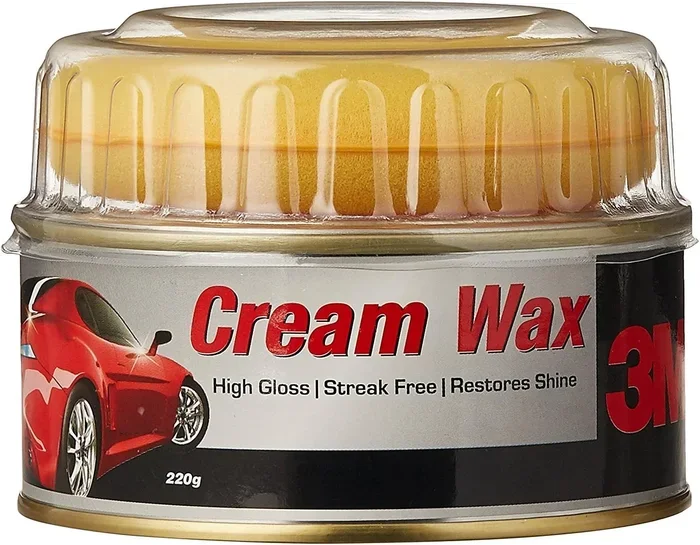
Waxing your car is one of the oldest and most effective methods of paint protection. A quality wax creates a sacrificial layer on top of your clear coat. Dirt and grime stick to the wax instead of your paint, making washing easier and safer.
Apply a natural carnauba wax every two to three months. For longer-lasting protection, consider a synthetic paint sealant. These products can last up to six months and offer superior resistance to UV rays and environmental contaminants.
When you wax properly, your car stays cleaner between washes. You can go longer without a full wash, which means less wear on your paint. It is a win-win situation.
Ceramic Coating Benefits
Ceramic coating takes paint protection to the next level. This liquid polymer bonds chemically with your clear coat to create a semi-permanent protective layer. It is hydrophobic, meaning water beads up and rolls off instead of soaking into the paint.
With a ceramic coating, your car becomes much easier to clean. Dirt slides right off with a rinse or a quick wipe. You can go weeks between washes without any buildup or damage.
The downside is cost. Professional ceramic coating applications range from $500 to $2,000 depending on your vehicle size and the quality of the coating. But for many car owners, the long-term paint protection and reduced car maintenance time make it well worth the investment.
Parking and Storage Tips
Where you park has a huge impact on how dirty your car gets. Here are some simple tips:
- Park in a garage or carport whenever possible.
- Avoid parking under trees. Sap, bird droppings, and falling leaves all damage paint.
- Use a breathable car cover if you must park outside for extended periods.
- Keep a UV-protective windshield sun shade in your car during summer months.
- Rinse your car with water after any exposure to salt, pollen, or industrial fallout.
These small habits add up over time. They reduce the need for frequent washing and keep your paint in better condition for years.
When More Washes Actually Make Sense
Here is something important to understand: sometimes washing your car more often is the right call. The key is knowing the difference between routine washing and necessary washing.
After Off-Road or Construction Exposure
If you have been driving on dirt roads, construction sites, or through muddy trails, wash your car as soon as possible. Mud and dust contain abrasive particles that scratch your paint if left to dry and harden. A prompt rinse or wash prevents this damage.
In this case, more frequent washing actually protects your paint. The dirt itself is the enemy, not the water and soap.
Bird Droppings and Tree Sap
Bird droppings are highly acidic. They can eat through your clear coat in as little as 48 hours if left untreated. Tree sap contains chemicals that bond to paint and cause staining and etching.
When you notice bird droppings or tree sap on your car, remove them quickly. A gentle wash with a dedicated bug and tar remover is far better than letting the contaminants sit and damage your paint permanently.
In these situations, washing more often is not over-washing. It is smart car care.
Common Mistakes People Make When Washing Their Car
Even well-meaning car owners make mistakes that cause unnecessary paint damage. Here are the most common errors and how to avoid them.
Using the Wrong Soap
Dish soap and household cleaners strip away wax and protective barriers too aggressively. They are designed to cut through grease on dishes, not to be gentle on automotive paint. Always use a dedicated car wash product.
Washing in Direct Sunlight
Sunlight causes water and soap to dry too quickly. This leads to water spots, soap residue, and streaks. Always choose a shaded spot or wash during cooler parts of the day.
Using a Single Bucket
The single-bucket method reintroduces dirt into your wash mitt with every dip. This grinds grime back into your paint. The two-bucket method keeps your cleaning tools fresh and your paint safe.
Ignoring the Wheels
Your wheels carry the most brake dust and road grime. When you wash your car, use a separate mitt for the wheels. Brake dust contains metallic particles that scratch paint if spread across your body panels.
Letting Your Car Air Dry
Air drying leaves water spots that etch into the clear coat over time. Always dry your car with a plush microfiber towel. Pat gently rather than dragging the towel across the surface.
How Often Should You Detail Your Car?
Car detailing goes beyond a regular wash. It involves deep cleaning, polishing, and applying protective barriers to restore and maintain your paint’s condition.
Most car owners benefit from a full detail every three to six months. This includes washing, clay barring, polishing, waxing, and interior cleaning. Regular detailing catches small paint issues before they become big problems.
If you notice your paint looking dull despite regular washing, it may be time for a professional detail. A detailer can assess whether your clear coat needs paint correction or if a fresh layer of wax will do the trick.
Conclusion
So, can you wash your car too much? The answer is yes. But the good news is that with the right knowledge and technique, you can keep your car clean without damaging the paint. The key is balance.
Wash your car when it needs it, not on autopilot. Use gentle products and proper tools. Protect your paint between washes with wax, sealants, or ceramic coatings. And know when extra washing is actually the smart choice, like after off-road exposure or when dealing with bird droppings and tree sap.
Your car’s paint job is a significant investment. Taking care of it the right way means your vehicle will look great for years to come. Wash smart, wash safe, and enjoy the ride.
Frequently Asked Questions
How often is too often to wash your car?
For most drivers, washing more than once a week is considered too frequent. The average car needs washing every one to two weeks depending on driving conditions. If you wash your car weekly or more and notice dullness or swirl marks, you are likely over-washing.
Does washing your car remove wax?
Yes, every wash removes some wax from your car’s surface. This is why regular reapplication of wax or sealant is important. Using a pH-balanced car wash soap minimizes wax removal compared to harsh household cleaners.
Can over-washing cause rust?
Indirectly, yes. Over-washing strips away protective coatings and allows moisture to reach bare metal. This is especially true if water gets trapped in door seams, trim gaps, or undercarriage areas during frequent washes.
Is a touchless car wash safe for paint?
Touchless car washes are generally safe because they use no physical contact. However, the high-pressure water can force moisture into seals and gaps. Always dry your car thoroughly after any automatic wash to prevent water spot buildup.
What is the best way to wash a car without damaging paint?
The best method is a gentle hand wash using the two-bucket method, pH-balanced car soap, soft microfiber wash mitts, and clean drying towels. Wash in the shade, rinse thoroughly, and dry immediately to avoid water spots and swirl marks.
Does washing your car in winter cause more damage?
Winter washing is essential to remove road salt, but it does carry extra risk. Salt is highly corrosive and accelerates paint oxidation. The key is to wash winter salt off promptly and dry your car completely. Apply a fresh coat of wax before winter to add an extra layer of paint protection.