Here Is How To Turn On Forward Collision Avoidance Assist
Forward collision avoidance assist is a smart safety feature that helps prevent crashes before they happen. In this guide, you will learn exactly how to turn on forward collision avoidance assist in your vehicle, no matter the brand or model. We will walk you through every step, from finding the right button to troubleshooting common issues. By the end, you will feel confident using this active safety system every time you drive.
Key Takeaways
- Easy Activation: Turning on forward collision avoidance assist is usually simple and can be done through your dashboard, steering wheel controls, or infotainment screen.
- Brand-Specific Steps: Different vehicle brands like Toyota, Ford, Honda, and BMW have unique methods to activate this feature.
- Sensors Matter: Your radar sensor and forward-facing camera must be clean and unobstructed for the system to work properly.
- Automatic Activation: Many newer vehicles turn on collision mitigation features automatically when you start the engine.
- Regular Maintenance: Keeping sensors clean and your software updated ensures your crash prevention system stays reliable.
- Know When It Activates: Understanding when your system engages helps you trust it more and drive with greater confidence.
📑 Table of Contents
- What Is Forward Collision Avoidance Assist?
- How to Turn On Forward Collision Avoidance Assist
- Common Reasons Your Forward Collision Avoidance Assist Might Not Turn On
- Tips to Get the Most From Forward Collision Avoidance Assist
- When Does Forward Collision Avoidance Assist Activate Automatically?
- Is Forward Collision Avoidance Assist Worth Having?
- Final Thoughts on Turning On Forward Collision Avoidance Assist
What Is Forward Collision Avoidance Assist?
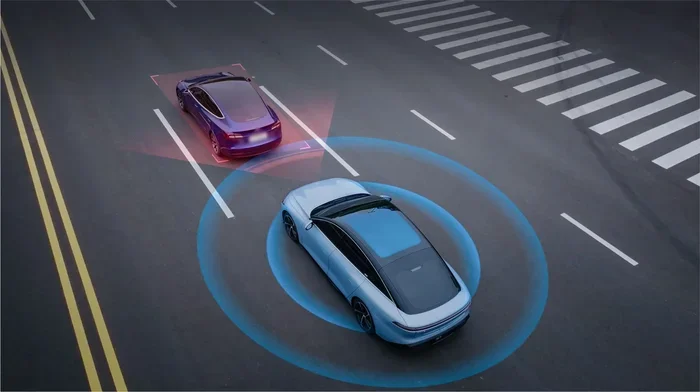
Forward collision avoidance assist is a smart vehicle safety technology designed to help you avoid front-end crashes. It uses sensors, cameras, and radar to watch the road ahead. When it detects a potential collision, it warns you and can even apply the brakes automatically.
This feature goes by many names depending on your car maker. You might hear it called forward collision warning, automatic emergency braking, or collision mitigation. No matter the name, the goal is the same: keep you safe.
These systems have become standard in many new vehicles. They are part of a broader group of driver assistance technology features. Other related systems include adaptive cruise control, blind spot monitoring, and lane-keeping assist. Together, these features create a safer driving experience for everyone on the road.
The technology behind forward collision avoidance assist has improved a lot over the years. Early systems only gave audio warnings. Today’s versions can apply partial or full braking force. Some can even detect pedestrians and cyclists in your path. This makes crash prevention more effective than ever before.
How the Sensors Work
Most systems use a combination of radar sensors and forward-facing cameras. The radar sits behind the front grille and measures distance to the vehicle ahead. The camera, usually mounted near the rearview mirror, reads road signs and detects objects. Together, they create a detailed picture of what is happening in front of your car.
When the sensors spot a potential danger, they send data to the car’s computer. The computer processes this information in milliseconds. If it determines a crash is likely, it triggers an alert. If you do not respond, the system can step in and apply the brakes. This entire process happens faster than any human reaction time.
How to Turn On Forward Collision Avoidance Assist
Turning on forward collision avoidance assist is different for every vehicle brand. Some cars have a dedicated button on the steering wheel. Others require you to go through the infotainment screen. A few vehicles activate the feature automatically when you start the engine. Below, we cover the steps for the most popular car brands.
How to Turn It On in Toyota Vehicles
Toyota calls its system Toyota Safety Sense. To turn on forward collision avoidance assist in most Toyota models, follow these steps:
- Start your vehicle and sit in the driver seat.
- Look for the Safety Sense menu on the infotainment display.
- Navigate to the forward collision warning settings.
- Toggle the system on or adjust the sensitivity level.
- Some Toyota models also have a steering wheel button with a car and dash icon. Press it to toggle the feature quickly.
If you cannot find the setting, check your owner’s manual. Toyota has placed the controls in slightly different locations across its lineup. The feature is available on most models built after 2017.
How to Turn It On in Ford Vehicles
Ford uses the name Ford Co-Pilot360 for its safety suite. Here is how to activate forward collision avoidance assist in Ford vehicles:
- Press the Start button to power on your vehicle.
- Use the steering wheel controls to scroll through the dashboard options.
- Look for the vehicle safety icon or go to the Settings menu.
- Select Driver Assistance and then find the collision warning option.
- Switch it on and choose your preferred alert level.
Ford also offers a quick-access button on some models. Look for a button with a car and exclamation mark on the left side of the steering wheel. Pressing it toggles the collision avoidance system on and off instantly.
How to Turn It On in Honda Vehicles
Honda’s safety system is called Honda Sensing. To turn on forward collision avoidance assist in Honda cars:
- Turn the ignition to the ON position.
- Press the Honda Sensing button on the steering wheel. It has an icon that looks like a car with lines in front.
- A message will appear on the dashboard confirming the system is active.
- You can also adjust the sensitivity through the infotainment screen under the Honda Sensing settings menu.
Honda Sensing comes standard on most new Honda models. If the system is off, you may see a warning light on the dashboard. Simply pressing the steering wheel button will reactivate it.
How to Turn It On in BMW and Mercedes-Benz
Luxury brands like BMW and Mercedes-Benz offer advanced versions of this technology. In BMW vehicles:
- Go to the iDrive infotainment system.
- Navigate to Settings, then Vehicle, then Driving Aids.
- Find the forward collision warning option and enable it.
- BMW also lets you adjust the reaction time and braking intensity.
In Mercedes-Benz vehicles:
- Use the MBUX touchscreen or steering wheel controls.
- Go to Settings, then Assistance Systems.
- Select PRE-SAFE or Active Brake Assist.
- Toggle the system on and customize your preferences.
Both brands offer very responsive braking assist systems. These can detect sudden slowdowns in traffic and apply the brakes faster than a human ever could.
Common Reasons Your Forward Collision Avoidance Assist Might Not Turn On
Sometimes you try to turn on forward collision avoidance assist and it will not activate. This can be frustrating, but there are usually simple explanations. Here are the most common reasons this happens and how to fix them.
Dirty or Obstructed Sensors
The radar sensor and forward-facing camera need a clear view of the road. If they are covered in mud, snow, ice, or debris, the system may not work. This is the number one reason drivers report their safety alert system failing to activate.
To fix this, simply clean the front of your vehicle. Wipe the area near the grille and the windshield behind the rearview mirror. Most sensor locations are clearly marked in your owner’s manual. A quick wipe-down after a snowstorm or muddy drive can make a big difference.
Software Needs an Update
Modern vehicles rely on software to run their active safety system. Sometimes the software needs updating to function properly. If your system is glitching or will not turn on, check with your dealer for available updates. Many manufacturers now offer over-the-air updates that you can install from your infotainment screen.
Electrical or Wiring Issues
In rare cases, a wiring problem or electrical fault can disable the collision avoidance system. If you have checked the sensors and software but the feature still will not turn on, it is time to visit a qualified mechanic. They can run diagnostic tests and identify any underlying issues with your vehicle’s electrical system.
Manual Override Was Activated
Some drivers accidentally turn off forward collision avoidance assist and forget about it. If the system was manually disabled, you will need to re-enable it. Check your dashboard for a safety feature icon that indicates the system is off. Refer to the activation steps in the section above for your specific vehicle brand.
Tips to Get the Most From Forward Collision Avoidance Assist
Once you know how to turn on forward collision avoidance assist, you want to make sure you are using it correctly. Here are some practical tips to help you get the best performance from this driver assistance technology.
Keep Your Sensors Clean
Make it a habit to clean the front sensors regularly. A dirty sensor is like a dirty pair of glasses. It cannot see the road clearly. After washing your car, take a moment to wipe down the sensor areas. This small step can prevent many braking assist issues down the road.
Adjust the Sensitivity to Your Driving Style
Many vehicles let you adjust how sensitive the collision mitigation system is. If you drive in heavy traffic, you may want a higher sensitivity level. If you drive on open highways, a standard setting may work fine. Experiment with the settings to find what feels right for you. The goal is a system that helps you without causing false alarms.
Understand the Alerts
Your forward collision warning system uses both visual and audio alerts. A flashing light on the dashboard means the system is active. A beeping sound means a potential collision has been detected. Learning to recognize these alerts takes just a few drives. Once you know what they sound and look like, you will respond faster and more confidently.
Do Not Rely on It Completely
While automatic emergency braking is a powerful tool, it is not a replacement for attentive driving. Always keep your eyes on the road and your hands on the wheel. The crash prevention system is designed to assist you, not replace your judgment. Think of it as a safety net, not a substitute for safe driving habits.
Keep Your Software Updated
Automakers constantly improve their vehicle safety technology through software updates. These updates can make the system faster, more accurate, and more reliable. Check for updates at least once a month. If your car supports over-the-air updates, you will get notifications right on your dashboard.
When Does Forward Collision Avoidance Assist Activate Automatically?
Many modern vehicles turn on forward collision avoidance assist automatically when you start the engine. This is especially common in newer models from 2020 and beyond. The system defaults to the “on” position so that every drive starts with maximum protection.
However, not all vehicles behave this way. Some require you to manually activate the feature each time. This is why it is important to know your specific vehicle’s behavior. Check your owner’s manual or ask your dealer to confirm whether your system auto-activates.
In vehicles that do auto-activate, you will usually see a green or white icon on the dashboard when the system is on. If the icon is gray or off, the feature has been turned off either manually or due to a sensor issue. Understanding these indicators helps you stay aware of your safety alert status at all times.
Does It Work at All Speeds?
Most forward collision avoidance assist systems work at low speeds in stop-and-go traffic. Many also work at highway speeds, though the activation distance may vary. Some systems are designed primarily for city driving, while others are optimized for highway use. Check your vehicle’s manual to understand the specific speed range and conditions where your system is most effective.
What About Pedestrian Detection?
Many collision avoidance systems now include pedestrian detection. This feature uses the same cameras and radar to identify people walking or running near your vehicle. If a pedestrian steps into your path, the system can warn you and apply the brakes. This is especially helpful in urban areas where foot traffic is heavy. Pedestrian detection significantly boosts the crash prevention capabilities of your vehicle.
Is Forward Collision Avoidance Assist Worth Having?
The short answer is yes. Forward collision avoidance assist is one of the most valuable safety features you can have in your vehicle. Studies have shown that vehicles equipped with automatic emergency braking have fewer rear-end collisions. Insurance companies also offer discounts for cars with these systems. So not only does it keep you safe, it can also save you money.
If your vehicle does not come with this feature, you may be able to add it through an aftermarket system. Several companies offer driver assistance technology kits that can be installed on older vehicles. While these are not as seamless as factory-installed systems, they still provide meaningful protection on the road.
When shopping for a new or used vehicle, always ask about the available safety features. Forward collision avoidance assist should be near the top of your checklist. It is a feature that can make a real difference in an emergency situation, and that is worth more than any convenience feature.
Quick Tips for Every Driver
- Always check that your forward collision avoidance assist is on before you start driving.
- Clean your sensors after driving through rain, snow, or dusty conditions.
- Keep your braking assist software up to date for the best performance.
- Test your alerts in a safe, empty parking lot so you know what they sound like.
- Never ignore dashboard warning lights related to your active safety system.
Final Thoughts on Turning On Forward Collision Avoidance Assist
Knowing how to turn on forward collision avoidance assist is an essential skill for every modern driver. Whether you drive a Toyota, Ford, Honda, BMW, or any other brand, the steps are straightforward once you know where to look. The system is designed to protect you and your passengers, and it works best when you understand how to use it properly.
Take a few minutes today to locate the controls in your vehicle. Test the system to make sure it is working. Clean your sensors regularly and keep your software updated. These small habits add up to a much safer driving experience every time you get behind the wheel.
Forward collision avoidance assist is not just a fancy tech feature. It is a life-saving tool. Use it, trust it, and let it help you stay safe on every journey. Your future self will thank you for taking the time to understand and activate this important safety feature.
Frequently Asked Questions
Can I turn off forward collision avoidance assist if I find it annoying?
Yes, most vehicles allow you to temporarily turn off the forward collision avoidance assist system. However, it is not recommended to keep it disabled. The system is designed to help prevent serious accidents, and turning it off removes an important layer of protection. If the alerts are too frequent, try adjusting the sensitivity instead of disabling it entirely.
Does forward collision avoidance assist work in bad weather?
Collision avoidance systems can be affected by heavy rain, snow, fog, and ice. Sensors may become less accurate in poor conditions. That said, modern systems are designed to still function in most weather situations. Always drive cautiously and do not rely solely on automatic emergency braking in hazardous conditions.
Can I add forward collision avoidance assist to an older vehicle?
Yes, aftermarket driver assistance technology kits are available for many older vehicles. These kits include cameras and sensors that can be mounted on the front of your car. While they may not be as integrated as factory systems, they still provide valuable crash prevention support. Check with your local auto shop for compatible options.
How do I know if my forward collision avoidance assist is working?
Look for the safety alert icon on your dashboard. When the system is active, you will see a green or white indicator light. Most vehicles also produce a brief test sequence when you start the engine. If you do not see the icon or hear the test tone, check your sensor connections and refer to your owner’s manual for troubleshooting steps.
Does forward collision avoidance assist replace the need for safe driving?
Absolutely not. Forward collision avoidance assist is a supplementary safety tool, not a replacement for attentive driving. You should always stay focused on the road, keep your hands on the wheel, and follow traffic laws. The system is designed to assist you in emergencies, not to drive the car for you.
What is the difference between forward collision warning and forward collision avoidance assist?
Forward collision warning alerts you to a potential crash using sounds or visual signals. Forward collision avoidance assist goes a step further by actively applying the brakes if you do not respond. Together, these features create a comprehensive collision mitigation system that significantly reduces the risk of front-end accidents.