Can You Really Go Two Years Without Changing Synthetic Oil
Most drivers can go 10,000 to 15,000 miles between synthetic oil changes, but two full years is a different story. While modern synthetic oils last longer than conventional options, leaving oil unchanged for 24 months can cause engine wear, oil degradation, and reduced engine protection. Always check your owner’s manual and oil life monitor before skipping an interval.
Can you go two years without changing synthetic oil? This is a question that a lot of car owners ask, especially those who don’t drive very often. The short answer is: it depends. But the longer answer is much more interesting, and it could save you a lot of money and headaches.
Synthetic oil has come a long way over the past few decades. It is designed to last longer, perform better, and protect your engine more effectively than older conventional oils. But does that mean you can just forget about oil changes for two whole years? Not exactly. Let’s dig into the details and find out what really happens when you stretch your oil change way past the recommended oil change interval.
In this article, we will cover everything you need to know about synthetic oil life spans, what your car manufacturer really expects, and the hidden risks of going too long between changes. Whether you drive a lot or just a little, this guide will help you make the best decision for your engine.
Key Takeaways
- Synthetic oil lasts longer than conventional oil, but two years is usually too long for most vehicles.
- Manufacturer recommendations vary, so always check your owner’s manual for the correct oil change schedule.
- Oil degradation happens over time even if you don’t drive many miles.
- Driving habits and conditions play a big role in how long your oil stays good.
- Ignoring oil changes can lead to costly engine repairs down the road.
- Oil life monitors help track oil health, but they aren’t perfect.
- Regular oil changes are one of the cheapest ways to protect your engine.
📑 Table of Contents
- The Short Answer: Can You Really Skip Oil Changes?
- How Synthetic Oil Differs From Conventional Oil
- What Manufacturers Actually Recommend
- Signs Your Synthetic Oil Needs Changing
- Factors That Affect How Long Synthetic Oil Lasts
- The Risks Of Going Too Long Between Oil Changes
- Expert Tips For Maximizing Oil Life
- Conclusion
The Short Answer: Can You Really Skip Oil Changes?
Here is the honest truth. Most car manufacturers recommend changing synthetic oil every 7,500 to 15,000 miles or every 6 to 12 months, whichever comes first. Going two full years without an oil change is generally not recommended, even with the best synthetic oil on the market.
Some newer vehicles with oil life monitoring systems can extend intervals up to 10,000 or even 15,000 miles. But time still matters. Oil breaks down over time, even when your car sits parked in the garage. Two years is pushing the limits for almost any type of engine oil.
If you only drive a few hundred miles per year, the low mileage might trick you into thinking your oil is fine. But time-based degradation is real. Oil oxidation, moisture buildup, and additive depletion all happen with age, not just with miles driven.
Why Time Matters More Than Miles for Some Drivers
Here is something many people do not realize. If you drive 3,000 miles a year, your oil change schedule is based on time, not mileage. Most manufacturers use a 6-month or 12-month window for a reason. The oil is constantly exposed to air, temperature changes, and condensation, even when the car is not running.
Think of it like milk in the fridge. You might not use it every day, but it still goes bad after a certain amount of time. Engine oil works in a similar way. The additives that protect your engine wear out, and the oil itself starts to break down chemically.
How Synthetic Oil Differs From Conventional Oil
To understand whether two years is too long, you need to know what makes synthetic oil different. Synthetic oil is man-made in a lab. It is engineered to have uniform molecules, which gives it better performance in extreme temperatures and under heavy stress.
Conventional oil, on the other hand, is refined from crude oil. It has more impurities and less consistent molecular structure. This is why conventional oil typically needs to be changed every 3,000 to 5,000 miles, while synthetic oil can go much further.
What Makes Synthetic Oil Last Longer
There are a few key reasons synthetic oil outlasts conventional options:
- Better thermal stability — Synthetic oil resists breaking down at high temperatures.
- Lower evaporation rate — Less oil is lost to evaporation over time.
- Superior additive packages — Detergents, dispersants, and anti-wear agents last longer.
- Fewer impurities — The refining process removes more contaminants.
- Better cold-flow properties — It flows more easily in cold weather, protecting the engine faster.
Despite all these advantages, synthetic oil is not immortal. The additives that keep your engine clean and protected slowly lose their effectiveness over time. After about 12 months, most experts agree that the oil is starting to lose its edge, even if the mileage interval has not been reached yet.
Synthetic Blend vs Full Synthetic
It is also worth noting that not all synthetic oils are created equal. A synthetic blend mixes synthetic and conventional base oils. It offers some of the benefits of full synthetic but does not last quite as long. If you use a synthetic blend, you should stick closer to the 6-month or 7,500-mile mark.
Full synthetic oil gives you the best chance of reaching those extended intervals. But even full synthetic has limits. Two full years is beyond what almost any full synthetic oil is designed to handle.
What Manufacturers Actually Recommend
Every car maker has its own oil change recommendations. These guidelines are based on extensive testing and engineering. Ignoring them can void your warranty and cause premature engine wear.
Common Manufacturer Intervals for Synthetic Oil
Here is a quick look at what some major brands recommend for synthetic oil changes:
- Toyota: 10,000 miles or 12 months, whichever comes first.
- Honda: 7,500 to 10,000 miles or 12 months.
- Ford: 10,000 miles or 12 months for most newer models.
- Chevrolet: 7,500 to 10,000 miles or 12 months.
- BMW: 10,000 to 15,000 miles or 12 months.
- Mercedes-Benz: 10,000 miles or 12 months.
Notice the pattern? Almost every manufacturer caps the interval at 12 months, regardless of mileage. This is a clear signal that time matters just as much as distance. If you want to go two years without an oil change, you would be going against nearly every manufacturer recommendation on the market.
Why Manufacturers Set a 12-Month Cap
Automakers build in a 12-month safety margin for a reason. They want to protect the engine and reduce the risk of warranty claims. Oil additives degrade over time. Moisture can accumulate in the crankcase. Acids can form. All of these factors contribute to engine wear and reduced oil quality.
The 12-month cap is a conservative estimate that accounts for worst-case driving conditions. It gives you a safe buffer, even if you are not pushing your car hard.
Signs Your Synthetic Oil Needs Changing
Even if you track your mileage and time, it is important to know the warning signs that your oil is no longer doing its job. Catching these signs early can prevent serious engine damage.
Visual Clues
The easiest way to check your oil is with the dipstick. Pull it out and look at the color and texture. Fresh synthetic oil is amber or golden brown. As it ages, it turns darker brown or black. If your oil looks very dark and gritty, it is definitely time for a change.
Another thing to look for is the oil level. If you notice your oil is consistently low, even though you are not leaking, the oil may be burning off or breaking down. This is a sign of oil degradation.
Performance Warning Signs
Your car will often tell you when the oil is not performing well. Watch for these symptoms:
- Engine noise: Increased ticking or knocking sounds, especially on startup.
- Reduced fuel economy: Your miles per gallon may drop as old oil increases engine friction.
- Check engine light: In some cases, poor oil quality can trigger warning lights.
- Smell of burning oil: This could indicate oil breakdown or leaks.
- Sluggish performance: A rough idle or hesitation can be linked to poor lubrication.
If you notice any of these signs, do not wait. Get your oil checked right away. Ignoring these warnings can lead to serious engine protection issues and expensive repairs.
The Role of Your Oil Life Monitor
Many modern vehicles come equipped with an oil life monitor. This system tracks your driving habits, engine temperature, and mileage to estimate when the oil needs to be replaced. It is a helpful tool, but it is not perfect.
Oil life monitors are calibrated for average driving conditions. If you drive in extreme heat, cold, stop-and-go traffic, or tow heavy loads, your oil may degrade faster than the monitor suggests. You should not rely solely on the monitor. Use it as a guide, but also follow the time-based recommendations from your manufacturer.
If you are unsure about what your monitor is telling you, you can always get a free diagnostic at most auto parts stores. They can check your oil condition and give you professional advice.
Factors That Affect How Long Synthetic Oil Lasts
The lifespan of synthetic oil is not one-size-fits-all. Several factors can shorten or extend how long your oil stays good. Understanding these factors will help you make smarter decisions about your car maintenance schedule.
Driving Conditions
Where and how you drive matters a lot. Here are some conditions that can shorten oil life:
- Stop-and-go traffic: Frequent idling and low speeds cause oil to heat up and break down faster.
- Extreme heat: High temperatures accelerate oil oxidation and evaporation.
- Extreme cold: Cold starts cause condensation inside the engine, which contaminates the oil.
- Towing or hauling: Heavy loads put more stress on the engine and the oil.
- Dusty or dirty roads: More particles can enter the engine and contaminate the oil faster.
If you regularly drive in any of these conditions, you should change your oil more frequently. Two years is definitely too long under these circumstances.
Vehicle Age and Type
Older vehicles with higher mileage tend to burn oil faster and produce more contaminants. A car with over 100,000 miles may need oil changes more often than a newer model, even with synthetic oil.
Turbocharged engines also have different needs. The high temperatures inside a turbo can cause oil to degrade faster. If your car has a turbocharger, follow the manufacturer’s guidelines closely and consider shorter intervals.
Oil Filter Quality and Replacement
Changing your oil is only half the battle. The oil filter plays a critical role in keeping your oil clean. A clogged or low-quality filter can allow contaminants to circulate through the engine, reducing the effectiveness of even the best synthetic oil.
Always replace the oil filter every time you change the oil. Use a high-quality filter that meets or exceeds OEM specifications. This simple step can make a big difference in how long your oil stays clean.
The Risks Of Going Too Long Between Oil Changes
So what actually happens if you push past the recommended interval? What are the real risks of going two years without changing your synthetic oil? Let us break it down.
Engine Wear and Tear
The primary job of engine oil is to lubricate moving parts. As oil ages, it loses its ability to form a protective film between metal surfaces. This leads to increased friction, heat, and wear. Over time, this can cause significant damage to your engine’s bearings, camshaft, and cylinder walls.
Engine repairs are among the most expensive car maintenance costs. A full engine rebuild can cost thousands of dollars. Regular oil changes are a fraction of that cost and are one of the easiest ways to protect your investment.
Sludge and Deposit Buildup
Old oil can form sludge and deposits inside the engine. Sludge is a thick, gooey substance that clogs oil passages and restricts flow. This means critical engine components may not get the lubrication they need.
Sludge buildup is one of the leading causes of engine failure in vehicles that skip oil changes. It is especially common in engines that sit unused for long periods, because the oil does not get hot enough to burn off contaminants.
Reduced Fuel Efficiency
Fresh oil flows smoothly and reduces engine friction. Old, degraded oil is thicker and less efficient. This means your engine has to work harder, which burns more fuel. Over time, skipping oil changes can cost you more at the pump.
Voided Warranty
If your vehicle is still under warranty, skipping oil changes can void that warranty. Manufacturers require proof of regular maintenance, and failing to follow the recommended oil change schedule can give them grounds to deny a claim.
This is especially important to keep in mind if you have a newer car. The cost of an oil change is nothing compared to the cost of an uncovered engine repair.
Can You Still Drive With Bad Oil?
Technically, yes, you can still drive with old oil for a while. But it is not safe for your engine. If you are past the two-year mark and your oil has not been changed, you should get it changed as soon as possible. Continuing to drive on degraded oil increases the risk of engine wear and sudden breakdowns.
Some drivers wonder if they can still drive safely if the check engine light or oil pressure warning comes on. The answer is no. If your car is warning you about oil pressure or oil quality, stop driving and get it checked immediately.
Expert Tips For Maximizing Oil Life
If you want to get the most out of your synthetic oil without going overboard, follow these expert-backed tips. They will help you stay on track and protect your engine.
1. Follow the 12-Month Rule
Even if you have not hit the mileage cap, change your oil at least once a year. This is the safest approach for most drivers. It ensures that your oil is always fresh and full of protective additives.
2. Keep a Maintenance Log
Track every oil change in a log or app. Write down the date, mileage, oil type, and filter used. This makes it easy to stay on schedule and provides proof of maintenance if you ever need to make a warranty claim.
3. Check Your Oil Monthly
Get in the habit of checking your oil level and condition every month. A quick dipstick check takes less than a minute and can catch problems early. If the oil looks very dark or smells burnt, it is time for a change.
4. Store Your Car Properly
If your car sits unused for long periods, take steps to protect the engine. Start the car and let it run for at least 10 to 15 minutes every couple of weeks. This circulates fresh oil and helps burn off moisture and contaminants.
Also, consider parking your car in a climate-controlled garage if possible. Extreme temperature swings accelerate oil degradation.
5. Do Not Forget the Oil Filter
A new oil filter is cheap insurance for your engine. Always replace it with every oil change. A clogged filter can negate the benefits of fresh oil by allowing dirty oil to circulate.
6. Use the Right Oil Grade
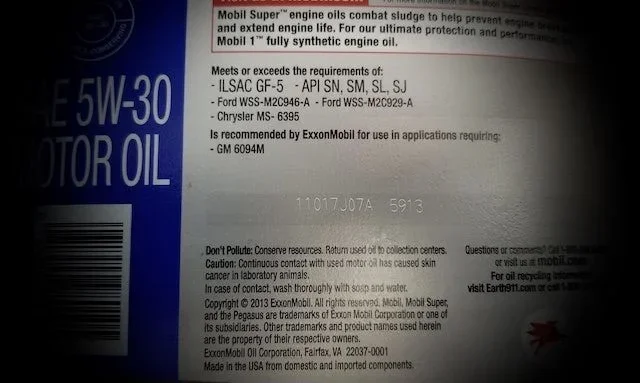
Always use the oil viscosity grade recommended by your manufacturer. Using the wrong grade can reduce engine protection and affect performance. Check your owner’s manual or look for the oil cap codes under the hood.
7. When in Doubt, Change It
If you are unsure whether your oil is still good, err on the side of caution and get it changed. An oil change is one of the most affordable and effective ways to maintain your vehicle. It is always better to be safe than sorry.
And while you are at it, make sure you are also staying on top of other vehicle maintenance tasks. Regular washing, tire rotations, and brake inspections all contribute to a long-lasting, reliable car. If you have ever wondered, can you wash your car too much, the answer might surprise you.
Conclusion
So, can you go two years without changing synthetic oil? The short answer is no. While synthetic oil is far superior to conventional oil and can last longer between changes, two full years is too long for almost any vehicle.
The risks of going that long include engine wear, sludge buildup, reduced fuel efficiency, and potential warranty issues. Most manufacturers recommend changing synthetic oil every 7,500 to 15,000 miles or every 6 to 12 months, whichever comes first. Sticking to this schedule is one of the simplest and most cost-effective things you can do for your car.
If you are someone who drives very few miles each year, pay extra attention to the time-based interval. Oil degrades with age, even when the car is not being driven. Set a calendar reminder, keep a maintenance log, and never let two years go by without at least checking your oil.
Taking care of your car does not have to be complicated. A regular oil change schedule keeps your engine running smoothly and can prevent expensive repairs down the road. Your future self will thank you every time you turn the key and hear that engine start up perfectly.
Frequently Asked Questions
Can I really go 10,000 miles without changing synthetic oil?
Some vehicles can go 10,000 miles between synthetic oil changes, but this depends on your driving conditions and the manufacturer’s recommendations. Always check your owner’s manual and follow the oil life monitor if your car has one. When in doubt, change it sooner rather than later.
What happens if you don’t change synthetic oil for 2 years?
Not changing synthetic oil for two years can lead to oil degradation, sludge buildup, and reduced engine protection. The additives in the oil break down over time, even if you drive very few miles. This increases the risk of engine wear and costly repairs.
Does synthetic oil really last longer than conventional oil?
Yes, synthetic oil lasts longer than conventional oil because it is engineered with uniform molecules and superior additive packages. It resists heat breakdown and evaporation better than conventional options. However, it still needs to be changed regularly based on time and mileage.
How can I tell if my synthetic oil is bad?
Check the oil’s color and texture on the dipstick. Dark, gritty oil is a sign of degradation. Listen for increased engine noise, watch for reduced fuel economy, and pay attention to any warning lights on your dashboard. These are all signs that your oil needs to be changed.
Is it okay to change synthetic oil once a year?
Yes, changing synthetic oil once a year is a safe and recommended practice for most drivers. Even if you have not reached the mileage interval, time-based degradation means the oil loses effectiveness after 12 months. Sticking to a yearly schedule is a great way to protect your engine.
Can low mileage mean I don’t need to change my oil as often?
No, low mileage does not mean you can skip oil changes. Time-based degradation affects oil regardless of how many miles you drive. Moisture, oxidation, and additive depletion all happen with age. Always follow both the mileage and time-based recommendations from your manufacturer.