Can You Use Goof Off on Car Paint Without Ruining the Finish
Using Goof Off on car paint can be risky if you are not careful. This powerful adhesive remover works well on sticky messes, but it may damage your vehicle’s clear coat and paint job. Learn how to use it safely, what risks to avoid, and the best alternatives to protect your car’s finish.
Have you ever had that moment where a sticker, a bumper sticker residue, or some stubborn glue just refuses to budge from your car’s paint? We have all been there. And when that happens, the first thing many of us reach for is a product like Goof Off. But here is the big question: can you use Goof Off on car paint without causing serious harm? The answer is not as simple as yes or no. It depends on several factors, including your paint type, how long the product sits on the surface, and the technique you use.
Goof Off on car paint is a topic that comes up often in car detailing forums and among vehicle owners who want a quick fix. This adhesive remover is powerful, and it gets the job done in many situations. However, it is also a solvent-based cleaner that can strip away protective layers if you are not careful. In this article, we will walk you through everything you need to know. We will cover the risks, the safe methods, the best alternatives, and what to do if things go wrong. By the end, you will feel confident about making the right choice for your vehicle.
Key Takeaways
- Goof Off is a strong solvent-based cleaner that can remove adhesive residue but may harm automotive paint if misused.
- Always test Goof Off on a hidden spot before applying it to any visible paint surface on your vehicle.
- Quick action and proper technique can prevent long-term automotive paint damage when using Goof Off.
- Safer alternatives exist, including Goo Gone and dedicated car detailing chemicals that are gentler on car paint safety.
- Paint restoration is possible if you act quickly after accidental Goof Off contact with your vehicle’s surface.
- Understanding your car paint finish types helps you choose the right removal method without causing lacquer damage.
📑 Table of Contents
- What Is Goof Off and How Does It Work?
- Can You Use Goof Off on Car Paint? The Real Answer
- Risks of Using Goof Off on Automotive Paint
- How to Safely Use Goof Off on Car Paint (If You Must)
- Best Alternatives to Goof Off for Car Paint
- How to Restore Paint Damage Caused by Goof Off
- Expert Insights on Using Goof Off on Car Paint
- Key Takeaways
- Conclusion
What Is Goof Off and How Does It Work?
The Science Behind Goof Off
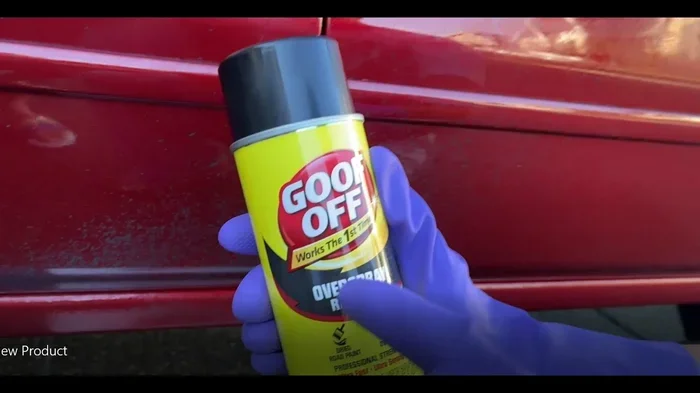
Goof Off is a household adhesive remover that has been around for decades. It is designed to break down the chemical bonds in sticky substances like glue, tape residue, sticker goo, and label adhesive. The active ingredients in Goof Off are petroleum-based solvents. These solvents dissolve the adhesive, making it easy to wipe away. This makes it incredibly effective for household tasks and even some automotive applications.
But here is the catch. Those same solvents that dissolve adhesive can also dissolve your car’s protective layers. Vehicle paint is not just one layer. It consists of multiple layers, including the base coat, the clear coat, and sometimes a primer. Each layer serves a specific purpose. The clear coat, for example, provides clear coat protection against UV rays, road debris, and environmental contaminants. When a strong solvent like Goof Off touches these layers, it can cause a chemical paint reaction that weakens or removes them entirely.
Different Types of Automotive Paint
Not all car paint is the same. Understanding your automotive paint types is essential before you try any removal method. Most modern vehicles use clear coat paint systems. These are durable and offer excellent car paint finish types protection. However, older vehicles may have lacquer-based paint, which is far more sensitive to solvents. If you own a classic car or a vintage model, you need to be extra cautious. Using Goof Off on lacquer paint can cause severe lacquer damage that may be impossible to reverse without professional automotive paint repair.
Even among clear coat systems, there are differences. Some manufacturers use harder enamel clear coats, while others use softer polyurethane finishes. The softer the finish, the more vulnerable it is to harsh chemicals. This is why car paint safety should always come first when you are dealing with any kind of adhesive removal product.
Can You Use Goof Off on Car Paint? The Real Answer
The Short Answer
Yes, you can use Goof Off on car paint, but only under very specific conditions. The key word here is carefully. Goof Off is not designed for automotive use. It is a general-purpose adhesive remover meant for hard, non-porous surfaces. When used on car paint, it requires precision, timing, and caution. If you follow the right steps, you can remove stubborn residue without ruining your finish. If you do not, you risk permanent damage.
When It Is Safe to Use Goof Off
There are situations where using Goof Off on your vehicle is relatively low-risk. For example, if you need to remove a small amount of adhesive from a bumper and trim area made of hard plastic, Goof Off can work well. These surfaces do not have the same delicate clear coat as your painted panels. Similarly, if you are dealing with a fresh adhesive spot that has not yet fully bonded, a quick application followed by immediate wiping is generally safe.
Another safe scenario is when you are working on a surface residue removal task on a non-painted area. Think about chrome trim pieces, glass surfaces, or rubber seals. Goof Off performs admirably on these surfaces without the risk of automotive paint damage. Always identify the surface type before you spray anything on your car.
When It Is NOT Safe to Use Goof Off
There are also situations where you should absolutely avoid Goof Off. If the adhesive has been on your paint for weeks or months, it has likely bonded deeply with the clear coat. Using Goof Off in this scenario increases the risk of paint stripping and visible damage. Similarly, if your vehicle has a fresh paint job or a recent paint correction treatment, avoid Goof Off entirely. The solvents can compromise the new finish and undo your hard work.
Another red flag is when the paint is already damaged or oxidized. Compromised paint is more susceptible to chemical reactions. Goof Off can penetrate deeper into an already weakened surface, causing discoloration, etching, or peeling. In these cases, professional paint restoration may be your only option.
Risks of Using Goof Off on Automotive Paint
Clear Coat Damage
The most common risk of using Goof Off on car paint is clear coat damage. The clear coat is the outermost layer of your vehicle’s paint. It is what gives your car that glossy, deep shine. When Goof Off dissolves this layer, your paint loses its protection and its visual appeal. Once the clear coat is damaged, it cannot repair itself. You will need professional automotive paint repair or a full repaint to restore the affected area.
Discoloration and Staining
Even if Goof Off does not completely strip your clear coat, it can cause discoloration. The solvents can leave behind a cloudy or hazy appearance on the paint surface. This is especially common on darker-colored vehicles where any surface imperfection is highly visible. These stains may look like water spots but are actually chemical marks from the solvent. Removing them often requires paint correction techniques like polishing and buffing.
Wax and Sealant Removal
Your vehicle likely has a layer of wax or paint sealant protecting the paint. Goof Off does not discriminate. It will strip away this protective barrier along with the adhesive. Without the wax barrier, your paint becomes vulnerable to environmental damage, UV rays, and oxidation. This means you will need to reapply a paint protection film or a fresh coat of wax after any Goof Off application to restore protection.
Paint Dulling and Loss of Gloss
Over time, repeated exposure to strong solvents can dull your paint’s finish. What was once a glossy, mirror-like surface can become matte and lifeless. This is a gradual process that often goes unnoticed until the damage is significant. If you have used Goof Off on your paint before, check the affected areas under good lighting. If the shine is gone, you may need surface residue removal followed by polishing and sealing to bring back the gloss.
How to Safely Use Goof Off on Car Paint (If You Must)
If you have tried gentler methods and they have not worked, and you still need to use Goof Off, follow these steps carefully to minimize the risk of automotive paint damage.
- Read the product label carefully. Goof Off has different formulations. Some are stronger than others. Choose the least aggressive version available.
- Wash your vehicle first. Remove any loose dirt or debris from the surface. This prevents scratching when you are wiping away the adhesive.
- Find a hidden test spot. Apply a small amount of Goof Off to an inconspicuous area. Wait five minutes, then wipe it off. Check for any discoloration, dulling, or damage.
- Work in a shaded area. Never apply Goof Off in direct sunlight. The heat accelerates the chemical reaction, increasing the risk of damage.
- Apply sparingly. Use a soft cloth or microfiber towel to apply a small amount of Goof Off directly to the adhesive. Do not spray it broadly across the paint.
- Limit contact time. Leave the product on for no more than one to two minutes. The longer it sits, the deeper it penetrates into the paint layers.
- Wipe gently and immediately. Use a clean, soft cloth to remove the adhesive and the Goof Off residue together. Do not scrub aggressively.
- Rinse and dry the area. After removal, rinse the area with water and dry it thoroughly with a clean microfiber towel.
- Reapply wax or sealant. Restore the protective layer by applying a fresh coat of wax or paint sealant to the treated area.
Quick Tip: Keep a spray bottle of water nearby. If you notice any streaking or discoloration during the process, rinse the area immediately with water. Speed is your best friend when using Goof Off near paint.
Quick Tips for Minimizing Risk
- Always use the least amount of product needed to get the job done.
- Never let Goof Off sit on painted surfaces for more than two minutes.
- Use only soft, lint-free cloths. Avoid paper towels or rough fabrics.
- Work in small sections rather than covering a large area at once.
- Have a bucket of soapy water ready to rinse the area immediately after treatment.
Common Mistakes to Avoid
Many people make avoidable mistakes when using Goof Off on their vehicles. One of the biggest errors is leaving the product on too long. Some users spray it and walk away, assuming it will work better with more dwell time. This is the opposite of what you want. The longer Goof Off sits on paint, the deeper it penetrates and the more damage it causes. Another common mistake is using Goof Off on hot surfaces. Heat opens the pores of the paint and allows solvents to penetrate faster. Always work on a cool surface in a shaded area.
Some people also make the mistake of using Goof Off on matte or satin finishes. These paint types have a special texture that can be permanently destroyed by harsh solvents. If your vehicle has a matte wrap or matte paint, avoid Goof Off entirely and seek a product specifically formulated for that finish type.
Best Alternatives to Goof Off for Car Paint
If the risks of using Goof Off on car paint concern you, you are not alone. Many vehicle owners prefer safer alternatives that are specifically designed for automotive use. Here are some of the best options available.
Goo Gone
Goo Gone is one of the most popular alternatives to Goof Off. It is formulated to be gentler on surfaces while still effectively removing adhesive residue. Goo Gone is widely used in the car detailing chemicals community because it is less aggressive than Goof Off. It works well on fresh adhesive and is generally safe for most automotive paint types when used as directed.
WD-40
WD-40 is another household name that doubles as an adhesive remover. It is a lubricant and solvent that can loosen sticker residue and glue without being as harsh as Goof Off. Many car enthusiasts keep WD-40 in their toolkit for surface residue removal tasks. It is particularly useful on hard plastic trim pieces and glass surfaces.
Rubbing Alcohol
Isopropyl alcohol is a mild solvent that works well on adhesive residue. It is much gentler on car paint safety than petroleum-based products like Goof Off. Diluted rubbing alcohol (around 70%) can remove fresh adhesive without damaging the clear coat. Always test on a hidden area first, and use it sparingly.
Dedicated Automotive Adhesive Removers
There are products on the market specifically designed for automotive adhesive removal. These are formulated to be safe for vehicle paint and clear coat systems. Brands like 3M and Meguiar’s offer adhesive removers that are part of their professional car detailing chemicals lineups. These products are more expensive than Goof Off, but they offer peace of mind and superior car paint safety.
Heat Gun or Hair Dryer Method
Sometimes the best way to remove adhesive is with heat. A heat gun or even a household hair dryer can soften adhesive without any chemicals at all. This method is completely safe for your paint because it does not involve any solvents. Simply apply gentle heat to the adhesive, then peel or wipe it away with a soft cloth. This works especially well for bumper stickers and vinyl decals.
| Product | Paint Safety | Effectiveness | Ease of Use |
|---|---|---|---|
| Goof Off | Low to Moderate | High | Easy |
| Goo Gone | Moderate to High | High | Easy |
| WD-40 | Moderate | Moderate | Easy |
| Rubbing Alcohol | High | Moderate | Easy |
| Automotive Adhesive Remover | Very High | High | Easy |
| Heat Method | Very High | Moderate | Moderate |
How to Restore Paint Damage Caused by Goof Off
If you have already used Goof Off on your car paint and noticed damage, do not panic. There are steps you can take to restore your finish, depending on the severity of the damage.
Minor Discoloration
If the paint looks slightly hazy or dull, a good-quality compound polish can often restore the shine. Apply a small amount of polish to a microfiber applicator pad and work it into the affected area using circular motions. This removes the thin layer of damaged paint and reveals a fresh, glossy surface underneath. Follow up with a coat of paint sealant or wax to protect the restored area.
Moderate Damage
For more significant damage, such as visible etching or deeper dulling, you may need to perform a full paint correction process. This involves multiple stages of polishing with progressively finer compounds. While some enthusiasts do this at home, it is often best left to professionals. A certified detailer has the tools and expertise to restore your paint without causing further damage.
Severe Damage
If Goof Off has completely stripped the clear coat or caused deep chemical burns in the paint, professional automotive paint repair is likely necessary. This could involve spot repainting, clear coat reapplication, or even a full panel repaint in extreme cases. The cost varies depending on the extent of the damage and your vehicle’s make and model. The best prevention is always to avoid the problem in the first place by using safer removal methods.
Protecting Your Paint Going Forward
Once your paint is restored, take steps to protect it going forward. Apply a high-quality ceramic coating, paint protection film, or a robust wax layer. These barriers add an extra level of defense against chemicals, UV rays, and physical contaminants. They also make future surface residue removal tasks much easier because the adhesive has a harder time bonding to a well-protected surface.
Expert Insights on Using Goof Off on Car Paint
Professional detailers and automotive paint specialists consistently advise caution when using any strong solvent on vehicle paint. The general consensus is clear: Goof Off is not a car-safe product. While it can be used in a pinch, it should never be the first choice for adhesive removal on painted surfaces. Many experts recommend starting with the least aggressive method and only escalating if necessary.
According to several automotive paint specialists, the most common cause of Goof Off-related paint damage is user error. People apply too much, leave it on too long, or use it on the wrong surface type. Education and patience are your best tools. Take the time to understand your vehicle’s paint system, choose the right product for the job, and always test first.
Key Takeaways
- Goof Off can remove adhesive effectively but carries real risks for automotive paint if used improperly.
- Always test on a hidden area first and limit contact time to under two minutes.
- Safer alternatives like Goo Gone, WD-40, and dedicated automotive removers should be your first choice for car paint cleaning tasks.
- Understanding your car paint finish types helps you choose the safest removal method for your specific vehicle.
- Immediate action and proper aftercare can minimize damage if you must use Goof Off on a painted surface.
- Paint restoration is possible for minor damage, but severe damage may require professional automotive paint repair.
- Prevention through paint protection like wax, sealant, or PPF makes future adhesive removal much safer and easier.
Conclusion
So, can you use Goof Off on car paint? The honest answer is yes, but with significant caveats. Goof Off on car paint is a task that demands caution, precision, and knowledge of your vehicle’s paint system. The product is powerful, and while it gets adhesive residue off effectively, it can also cause lasting damage to your car’s finish if you are not careful. The risks of clear coat damage, discoloration, and paint stripping are real and should not be taken lightly.
The best approach is always to start with the safest method available. Try soap and water first. Then move to gentler adhesive removers like Goo Gone or WD-40. Only consider Goof Off as a last resort, and only when you follow the safety steps outlined in this guide. Your vehicle’s paint is a significant investment, and protecting it should always be a priority. With the right approach, you can handle even the most stubborn adhesive messes without compromising your car’s beautiful finish.
Remember, car paint safety comes down to knowledge and patience. Take your time, choose the right product, and your vehicle will thank you for years to come.
Frequently Asked Questions
Is Goof Off safe for all car paint colors?
Goof Off is not safe for all car paint colors, but the risk level is similar across colors. Dark-colored cars may show discoloration more easily than lighter ones. Regardless of your paint color, always test Goof Off on a hidden spot first and limit the contact time to minimize any risk of damage.
How long can you leave Goof Off on car paint before it causes damage?
You should never leave Goof Off on car paint for more than one to two minutes. The solvents in Goof Off begin penetrating the clear coat almost immediately. Leaving it on longer increases the risk of clear coat damage, discoloration, and paint stripping. Always wipe it off promptly after the adhesive has dissolved.
Can Goof Off damage a car’s clear coat?
Yes, Goof Off can damage a car’s clear coat. It is a strong solvent-based cleaner that dissolves the protective clear coat layer over time. This can lead to a dull, hazy, or discolored appearance. Once the clear coat is damaged, it cannot repair itself and will require professional paint correction or restoration.
What is the safest way to remove adhesive from car paint?
The safest way to remove adhesive from car paint is to start with warm soapy water and a soft cloth. If that does not work, try a dedicated automotive adhesive remover or a gentler product like Goo Gone. Heat from a hair dryer can also soften adhesive without any chemicals. Always test any product on a hidden area first.
Will Goof Off remove a car’s wax or sealant?
Yes, Goof Off will strip away wax and sealant along with adhesive residue. It does not differentiate between adhesive and protective coatings on your paint. After using Goof Off, you should always reapply a fresh layer of wax or paint sealant to restore protection to the treated area.
Can I use Goof Off on a car with a paint protection film installed?
No, you should not use Goof Off on a car with paint protection film (PPF). PPF is a clear, adhesive-backed film that protects your paint. Goof Off’s solvents can degrade the PPF material and compromise its adhesive bond, leading to peeling or discoloration. Use only products recommended by your PPF installer for cleaning and maintenance.