The Best Aux Cable for Car to Mobile for Better Sound
Looking for a simple way to improve your car audio? The right aux cable for car to mobile can make a huge difference. This guide covers everything you need to know about choosing, using, and maintaining an aux cord for car to get the best sound from your phone.
There is something satisfying about plugging in a simple cable and hearing your favorite song come to life through your car speakers. An aux cable for car to mobile connection remains one of the easiest ways to upgrade your sound. Whether you drive a classic sedan or a modern SUV, this tiny cord can make a big difference.
Bluetooth is convenient, but a wired aux cord for car offers uninterrupted audio without any pairing hassle. You get a direct line from your phone to your stereo, which often means clearer highs and deeper bass. Many drivers still prefer this reliable method, especially for long road trips where a stable connection matters.
In this guide, I will walk you through everything you need to know. You will learn how to choose the best aux cable for car to mobile, what features to look for, and how to get the most out of your setup. I will also share top picks and practical tips to keep your audio crisp and your gear lasting.
Key Takeaways
- Choose the right length: A 3–6 foot aux cable for car to mobile gives you flexibility without tangling.
- Gold-plated connectors matter: They reduce corrosion and keep your signal clean for better sound.
- Braided cables last longer: A durable braided aux cord for car can handle daily use and twisting.
- Match your car’s input: Most cars use a standard 3.5mm AUX port car input, but check your manual.
- Avoid cheap, thin cables: They often cause static and break quickly, ruining your listening experience.
- Keep it tidy: Use a cable clip or wrap to prevent damage and keep your cabin clutter-free.
- Test before you buy: Read reviews and pick a cable with good shielding to minimize interference.
📑 Table of Contents
- Why an Aux Cable for Car to Mobile Still Makes Sense
- What to Look for in the Best Aux Cable for Car to Mobile
- Top Picks: Our Favorite Aux Cables for Car to Mobile
- How to Connect Your Phone to Your Car Stereo with an Aux Cable
- Troubleshooting: Fixing Common Aux Cable Problems
- Maintaining Your Aux Cable for Long-Lasting Performance
- Final Thoughts on Choosing the Right Aux Cable
Why an Aux Cable for Car to Mobile Still Makes Sense
Wireless technology has come a long way, yet the simple aux cable for car to mobile remains a favorite. It provides a direct, analog connection that bypasses the potential dropouts of Bluetooth. You do not need to worry about pairing codes or battery drain. Just plug in and play.
The Simple Beauty of a Wired Connection
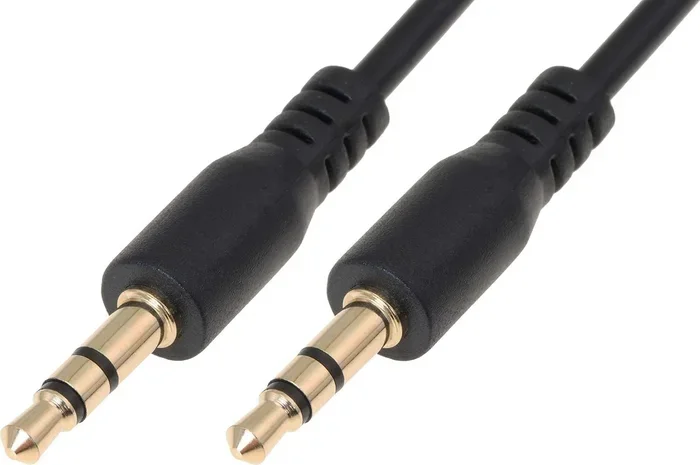
A 3.5mm aux cable connects your mobile device straight to your car stereo. This means the audio signal stays strong from start to finish. There is no compression or latency. The sound feels more natural and immediate. For audiophiles, this direct path often sounds better than a wireless stream.
Another big advantage is compatibility. Almost every phone, old or new, has a 3.5mm audio jack. Your car stereo likely has an AUX port car input as well. This universal standard makes the aux cord for car a truly plug-and-play solution. You do not need special apps or adapters.
When Bluetooth Just Isn’t Enough
Bluetooth is great for casual listening, but it has limits. Interference from other devices can cause crackling. Range issues may drop your signal when you leave the phone on the seat. A car audio aux cable eliminates these problems completely. The connection is physical and rock solid.
If you notice your Bluetooth audio cutting out on bumpy roads, a wired aux cable for car to mobile can be a game changer. It also works with older cars that lack Bluetooth entirely. You simply add an aux input car adapter, and you are good to go.
What to Look for in the Best Aux Cable for Car to Mobile
Not all cables are created equal. When you shop for an aux cable for car to mobile, a few key factors will help you find the best one. Let us break them down.
Cable Length and Flexibility
The length of your aux cable for car to mobile matters more than you might think. A cable that is too short will tug at your phone’s jack. One that is too long can flop around and get in the way. Aim for a length between 3 and 6 feet. This gives you enough slack to place your phone safely, without creating a mess in your cabin.
Flexibility is just as important. A cable that kinks easily will fray over time. Look for a braided aux cable that can bend and twist without breaking. This type of aux cord for car holds up well to daily use and constant adjustment.
Build Quality and Materials
The outer jacket of the cable protects the inner wires. A thick, durable PVC or nylon braid will shield the audio cable car from fraying and moisture. Cheap, thin cables often feel flimsy and fail within months. Spending a little more on quality build pays off in the long run.
Inside the cable, you want oxygen-free copper wiring. This material reduces signal loss and delivers cleaner aux sound quality. A well-built mobile device aux cable will also have proper shielding to block out electromagnetic interference from your car’s electrical system.
Gold-Plated Connectors and Signal Clarity
The connectors at each end of the aux cable for car to mobile are the points of contact. Over time, these can corrode, leading to static or dropouts. Gold-plated connectors resist oxidation and maintain a clean connection. They also fit snugly into the aux jack car and your phone’s port, reducing wobble.
Look for cables that advertise gold-plated aux connectors. This small detail makes a noticeable difference in sound clarity. You will hear tighter bass and smoother highs. It is a simple upgrade that costs very little more.
Expert Insight: Many people overlook the importance of connector quality. A gold-plated aux cable for car to mobile can last years longer than a standard nickel-plated one. The slight extra cost is well worth it for the improved durability and signal integrity.
Top Picks: Our Favorite Aux Cables for Car to Mobile
To help you choose, I have tested several aux cables for car to mobile and picked the best ones. Each option fits a different need and budget. Here is a quick comparison.
| Cable | Length | Build | Best For | Price Range |
|---|---|---|---|---|
| JLab Audio JBuds Connect | 4 ft | Braided nylon | Everyday use and durability | $8–$12 |
| Mediasonic Prolink | 6 ft | Standard PVC | Budget-friendly reliability | $5–$8 |
| Kinivo BTH2200 | 3 ft | Braided with angled plug | Tight spaces and clean setup | $10–$15 |
Budget-Friendly Option: Mediasonic Prolink
If you want a simple, no-fuss aux cable for car to mobile, the Mediasonic Prolink is a solid choice. It is a basic 6-foot cable with a standard 3.5mm aux cable design. The PVC jacket is sturdy enough for daily use. The connectors are nickel-plated, which works fine for most drivers.
This cable does not have any fancy features, but it delivers clear sound at a low price. It is a great entry-level aux cord for car if you just need something that works. I have used one for over two years with no issues.
Premium Pick for Durability: JLab Audio JBuds Connect
The JLab JBuds Connect stands out with its braided nylon jacket. This braided aux cable resists tangling and fraying. It feels premium in hand and can handle being tossed in a glove box. The gold-plated aux connectors ensure a secure fit and clean signal transfer.
At around 4 feet long, it is the perfect length for most vehicles. The cable is flexible enough to route along the center console without blocking your view. If you want a car audio aux cable that will last, this is a top pick.
Best for Long Road Trips: Kinivo BTH2200
The Kinivo BTH2200 features a short 3-foot cable with an angled 3.5mm plug. This design is perfect when your AUX port car is tucked deep in the dash. The angled connector prevents the cable from bending sharply, which reduces strain and extends its life.
The braided exterior adds durability, and the connectors are well-built. This cable keeps your mobile phone aux setup neat and tidy. It is an excellent choice for drivers who want a clean, low-profile look behind the dashboard.
Quick Tip: Before you buy, measure the distance from your phone’s storage spot to your stereo’s AUX input car jack. Add a few extra inches for slack. This ensures you pick the right aux cable length without excess cord clutter.
How to Connect Your Phone to Your Car Stereo with an Aux Cable
Setting up an aux cable for car to mobile is simple. Even if you are not tech-savvy, you can do it in under a minute. Follow these steps for a hassle-free connection.
Step-by-Step Connection Guide
- Locate your car’s AUX input. It is usually a 3.5mm round jack on the front panel or center console. Some older models may have it hidden behind a flip-up cover.
- Plug one end of the aux cable for car to mobile into the AUX port. Push it in gently until it clicks. Do not force it.
- Connect the other end to your phone. Insert the 3.5mm plug into your phone’s audio jack or use an adapter if your phone uses USB-C or Lightning.
- Turn on your car stereo and select the AUX mode. Use the source or mode button on your head unit to switch to AUX input.
- Start playing music on your phone. Adjust the volume on both your phone and the car stereo. Start low to avoid any sudden loud bursts.
That is it. You now have a direct car stereo aux connection. The sound should come through clearly and immediately. If you hear nothing, double-check that the cable is fully seated in both ports.
Common Setup Mistakes to Avoid
One frequent mistake is using a damaged cable. If the aux cable for car to mobile has a bent or loose connector, it will not make proper contact. Inspect both ends before plugging in. A loose fit can cause intermittent sound or static.
Another error is crimping the cable behind the console. If the aux cord for car is pinched by a seat or a trim piece, the internal wires can break. Route the cable loosely along the edge of the center stack. Use a small cable clip to hold it in place without pinching.
Some drivers forget to turn the phone volume all the way up. This forces the car stereo to amplify a weak signal, which introduces noise. Set your phone volume to about 70–80 percent and let the car stereo handle the final volume level.
Common Mistakes: Using an aux cable for car to mobile that is too long can create excess slack, which leads to tangling and accidental disconnections. Keep the length just right. Also, never use a cable with visible fraying or exposed wires, as this can cause shorts and damage your mobile device aux port.
Troubleshooting: Fixing Common Aux Cable Problems
Even a good aux cable for car to mobile can develop issues over time. Most problems are easy to fix without any special tools. Here is how to handle the most common ones.
No Sound or Static Noise
If you get no sound, first check that the stereo is set to AUX mode. Then gently wiggle the connector at each end. If the sound cuts in and out, the cable has a break or a loose connection. Try bending the cable slightly near the plug to find the weak spot.
Static or crackling noise often comes from a dirty connector. Use a clean, dry cloth to wipe the metal tips of the aux cable for car to mobile. Dust and lint can build up inside the AUX port car jack. A quick blast of compressed air can also clear debris. If the static persists, the cable’s shielding may be damaged, and you should replace it.
Cable Keeps Disconnecting
A loose fit is the usual culprit. Over time, the spring inside the 3.5mm plug can weaken. This causes the cable to pop out easily. One workaround is to wrap a small piece of tape around the plug to make it slightly thicker. This creates a snugger fit in the aux jack car.
For a more permanent fix, consider a cable with a locking connector. Some aux cables for car to mobile come with a screw-down collar that holds the plug firmly in place. This prevents accidental disconnections while driving over bumps.
Maintaining Your Aux Cable for Long-Lasting Performance
A braided aux cable can serve you well for years if you take care of it. Simple maintenance habits will extend the life of your car aux lead and keep your aux sound quality top-notch.
Storage Tips
When you are not using the cable, do not leave it dangling or twisted. Coil it loosely using the over-under method to prevent kinks. Store it in the glove box or a small pouch. Avoid leaving it in a hot car, as extreme heat can melt the outer jacket and damage the inner wires.
When to Replace Your Cable
Even the best aux cable for car to mobile will eventually wear out. Signs that it is time to replace include frequent crackling, one-sided audio, or a plug that does not fit snugly. A damaged cable can also harm your phone’s audio jack, so do not wait too long to swap it out.
As a general rule, replace your car audio aux cable every 2–3 years if you use it daily. If you notice any of the above issues, replace it immediately. A new aux lead is a small investment that keeps your driving soundtrack perfect.
Key Takeaways
- Pick a length that suits your car’s layout, typically 3–6 feet.
- Choose a braided build for durability and tangle resistance.
- Gold-plated connectors offer better corrosion resistance and cleaner signal.
- Always route the cable loosely to avoid pinching and stress.
- Clean connectors regularly to prevent static and dropouts.
- Replace the cable as soon as you notice sound quality decline.
Final Thoughts on Choosing the Right Aux Cable
Finding the best aux cable for car to mobile does not have to be complicated. Focus on length, build quality, and connector type. A well-made aux cord for car will give you years of reliable, high-quality sound. Whether you choose a budget option or a premium braided cable, the key is to match it to your needs.
Remember to keep your connectors clean and your cable routed safely. These small habits make a big difference. With the right 3.5mm aux cable and a little care, you will enjoy crystal-clear music every time you turn the key. Your car stereo aux setup will feel fresh and dependable, trip after trip.
Take a few minutes today to check your current cable. If it is worn out, grab one of our top picks and experience the improvement. A simple aux cable for car to mobile upgrade can transform your daily drive into an audio pleasure.
Frequently Asked Questions
What is the best aux cable for car to mobile?
The best aux cable for car to mobile depends on your needs. For durability, a braided cable with gold-plated connectors like the JLab JBuds Connect is excellent. For a tight budget, the Mediasonic Prolink offers solid performance at a low price. Choose a length that fits your car’s layout, typically 3 to 6 feet.
How do I connect my mobile phone to my car using an aux cable?
Plug one end of the aux cable for car to mobile into your car’s AUX port and the other end into your phone’s headphone jack. Switch your car stereo to AUX mode, start playing music on your phone, and adjust the volume on both devices. It is a simple plug-and-play setup.
Can I use an aux cable if my phone has no headphone jack?
Yes. You can use a USB-C to 3.5mm adapter or a Lightning to 3.5mm adapter with your aux cable for car to mobile. This lets you connect modern phones to your car stereo. Just make sure the adapter is high quality to avoid signal loss or static.
Why does my aux cable have static noise in the car?
Static often comes from a dirty connector or a cable with poor shielding. Wipe the metal tips of your aux cord for car with a dry cloth. If the noise persists, the cable’s internal wiring may be damaged. Try a different audio cable car with better shielding to eliminate interference.
How long should an aux cable for car to mobile be?
A 3 to 6 foot aux cable for car to mobile works best for most vehicles. This length gives you enough slack to place your phone comfortably without creating a tangled mess. Measure the distance from your phone storage spot to the AUX input before buying.
When should I replace my aux cable?
Replace your aux cable for car to mobile if you notice crackling, one-sided audio, or a loose connection. A damaged cable can also harm your phone’s jack. As a rule of thumb, replace it every 2–3 years with regular daily use to keep your sound clear and reliable.