Can Bad Spark Plugs Cause a Car to Shake While Driving
Can bad spark plugs cause a car to shake? Yes, worn or fouled spark plugs are one of the most common reasons your car vibrates, especially during acceleration or idle. When spark plugs fail to ignite fuel properly, your engine runs rough, misfires, and shakes. This guide covers the warning signs, replacement costs, and step-by-step fixes to get your car running smooth again.
There’s nothing more unsettling than pressing the gas pedal and feeling your car shudder or vibrate instead of accelerating smoothly. You wonder, can bad spark plugs cause a car to shake? The short answer is absolutely yes. Spark plugs are small, inexpensive parts, but when they go bad, they can turn a smooth ride into a rattling, shaking nightmare.
Your engine depends on precise timing and powerful sparks to ignite the air-fuel mixture in each cylinder. When a spark plug wears out, gets fouled, or develops a gap issue, it can’t fire correctly. The result? An engine that runs rough, shakes at idle, and struggles under load. In this article, we’ll break down exactly why this happens, how to spot the warning signs, and what you can do to fix it.
Whether you’re dealing with a slight vibration at a red light or a violent shake when you hit the highway, this guide will help you understand the root cause. We’ll also cover other reasons your car might shake, so you don’t jump to conclusions and end up replacing parts you don’t need. Let’s dive in.
Key Takeaways
- Bad spark plugs directly cause engine misfires: Worn electrodes fail to create the spark needed for clean combustion, leading to noticeable shaking.
- Early detection saves money: Replacing spark plugs early prevents costly damage to ignition coils, catalytic converters, and engine mounts.
- Watch for these warning signs: Rough idle, engine hesitation, poor fuel economy, and a flashing check engine light all point to spark plug trouble.
- Replacement is affordable and straightforward: Most cars need new spark plugs every 30,000 to 100,000 miles, and DIY replacement is possible with basic tools.
- Other issues mimic bad spark plugs: Fuel injector problems, vacuum leaks, and engine mounts can also cause shaking, so proper diagnosis matters.
- Use OEM or manufacturer-recommended plugs: Cheap aftermarket plugs may wear faster and cause more problems than they solve.
- Regular maintenance prevents shaking: Following your car’s service schedule keeps spark plugs in top shape and your ride smooth.
📑 Table of Contents
- How Spark Plugs Work and Why They Matter
- Can Bad Spark Plugs Cause a Car to Shake While Driving?
- Other Common Causes of Car Shaking
- How to Replace Spark Plugs Yourself
- When to See a Mechanic
- Prevention: Keeping Your Spark Plugs in Good Shape
- How Bad Spark Plugs Affect Fuel Economy
- Comparison: Spark Plug Types and Their Lifespan
- Common Mistakes When Diagnosing Car Shaking
- Final Thoughts
How Spark Plugs Work and Why They Matter
Spark plugs might be tiny, but they play a huge role in your engine’s performance. Each cylinder in your engine has its own spark plug. When the ignition system sends voltage to the plug, it creates a spark that ignites the compressed air-fuel mixture. This tiny explosion is what powers your engine.
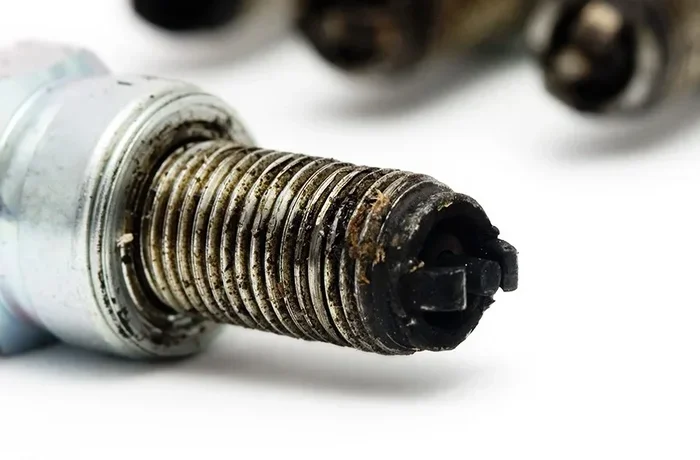
Over time, spark plugs degrade. The electrode wears down, carbon builds up on the tip, and the gap between the electrodes widens. When any of these things happen, the spark becomes weak or inconsistent. A weak spark means incomplete combustion. And incomplete combustion means your engine runs unevenly.
The Ignition Process Explained Simply
Think of your spark plugs like the match that lights a candle. If the match is damp or broken, it won’t light the candle properly. Similarly, a worn spark plug can’t create a reliable spark. Your engine has dozens of these mini-explosions happening every second. If even one cylinder misfires, you’ll feel it. The shaking is your engine trying to compensate for the power loss in that cylinder.
Most modern cars use iridium or platinum spark plugs that last between 60,000 and 100,000 miles. Older vehicles with copper-core plugs typically need replacement every 30,000 miles. Check your owner’s manual to find the spark plug replacement interval for your specific vehicle.
Why Spark Plug Condition Affects Engine Smoothness
Your engine runs best when every cylinder fires with equal power. This is called balanced combustion. When one or more spark plugs start to fail, that balance breaks down. The affected cylinder produces less power, and the engine mounts absorb the uneven force. That’s when you feel the vibration through the steering wheel, seat, or floorboard.
Engine misfire is the technical term for this condition. A misfire doesn’t just cause shaking. It can also damage other parts of your car over time. Unburned fuel can wash past the piston rings and contaminate your engine oil. It can also harm your catalytic converter, which is an expensive component to replace.
Can Bad Spark Plugs Cause a Car to Shake While Driving?
Yes, and the shaking can show up in several different ways depending on how bad the spark plugs are. Let’s look at the specific symptoms you might notice.
Rough Idle and Vibrations at Standstill
The most common sign of bad spark plugs is a rough idle. When you stop at a traffic light or sit in a parking lot, your engine should run smoothly and quietly. If it sounds bouncy, uneven, or like it’s about to stall, your spark plugs might be the culprit. You may also notice the vibration through the steering wheel or the entire vehicle chassis.
At idle, your engine is running at its lowest RPM. This means each cylinder needs a strong, reliable spark to keep things steady. A weak spark from a worn plug causes the engine to stumble and shake. It’s especially noticeable when your car shakes at idle but seems okay once you start moving.
Shaking During Acceleration
Do you feel a shudder or jerk when you press the gas pedal? This is another classic sign of spark plug problems. Under acceleration, your engine demands more power from each cylinder. Worn spark plugs can’t deliver the consistent spark needed for that extra power. The result is a hesitation or shake that gets worse the harder you press the accelerator.
You might also experience engine hesitation when climbing hills or towing a load. These situations put extra demand on the engine, and weak spark plugs simply can’t keep up.
Shaking at Highway Speeds
Some drivers notice shaking only at higher speeds. This can happen when multiple spark plugs are worn and the misfires become more frequent at higher RPMs. The vibration may feel like the whole car is trembling, or you might feel it specifically through the steering wheel.
If you notice shaking that gets worse as you speed up, don’t ignore it. Continuing to drive with bad spark plugs can cause additional damage to your ignition coil and other expensive components.
Check Engine Light and Error Codes
Modern cars are equipped with sensors that detect misfires. When a spark plug fails to ignite the fuel properly, the oxygen sensor or crankshaft position sensor picks up the irregularity. Your dashboard check engine light will turn on, and a diagnostic tool will read a misfire code.
Common codes include P0300 (random misfire), P0301 through P0308 (misfire in a specific cylinder), and P0171 (system too lean). If you see any of these codes, checking your spark plugs should be one of the first things you do. Many auto parts stores offer free diagnostics that can confirm whether misfires are happening.
Other Common Causes of Car Shaking
While bad spark plugs are a leading cause of car shaking, they’re not the only one. Before you spend money on new plugs, it’s worth understanding what else could be causing the problem.
Worn Engine Mounts
Engine mounts are rubber cushions that hold your engine in place and absorb vibrations. When they wear out or tear, the engine shifts and vibrates more than normal. The symptoms can look very similar to bad spark plugs. A mechanic can check your engine mounts quickly and inexpensively.
Fuel Injector Problems
Clogged or failing fuel injectors don’t deliver the right amount of fuel to each cylinder. This creates an imbalance that causes shaking and rough running. If your spark plugs check out fine, the fuel injectors are the next thing to inspect.
Vacuum Leaks
Your engine relies on a sealed intake system to maintain the correct air-fuel ratio. When a vacuum hose cracks or comes loose, unmetered air enters the engine. This leans out the mixture and can cause misfires and shaking. Vacuum leaks are common in older vehicles and after certain repairs.
Dirty Air Filter
A clogged air filter restricts airflow to the engine. Without enough air, the combustion process becomes incomplete. This can lead to rough running and vibrations. Replacing your air filter is one of the cheapest and easiest maintenance tasks you can do.
Ignition Coil Failure
The ignition coil converts your battery’s low voltage into the high voltage needed to create a spark. When a coil fails, the corresponding cylinder misfires. Since ignition coils work directly with spark plugs, a failing coil can mimic the symptoms of bad plugs. In many cases, both components should be inspected together.
How to Replace Spark Plugs Yourself
If you’re handy and comfortable working on your car, replacing spark plugs is one of the most straightforward maintenance jobs you can do. Here’s how to go about it.
What You’ll Need
- A spark plug socket (usually 5/8 inch or 13/16 inch)
- A ratchet and extension
- A torque wrench
- Anti-seize compound (if not pre-applied on new plugs)
- A gap tool to check electrode spacing
- A clean cloth and compressed air
Step-by-Step Replacement Process
First, make sure your engine is cool. Remove the engine cover and locate the spark plug wires or ignition coils. Disconnect the electrical connector on each coil or pull off each wire carefully. Use the spark plug socket and ratchet to remove each old plug. Compare the old plugs to the new ones to make sure they match.
Before installing the new plugs, use compressed air to blow any debris out of the plug wells. This prevents dirt from falling into the cylinder. Check the gap on each new plug with a gap tool and adjust it to the manufacturer’s specification. You can find this information in your owner’s manual or on a sticker under the hood.
Thread each new plug in by hand first to avoid cross-threading. Then use the torque wrench to tighten to the correct specification. Over-tightening can strip the threads in the engine block, which is an expensive repair. Reinstall the coils or wires, and you’re done.
Quick Tips for Spark Plug Replacement
- Replace all plugs at once, even if only one seems bad. This ensures even performance across all cylinders.
- Work on one plug at a time to avoid mixing up the wires or coils.
- Apply a small amount of dielectric grease inside the ignition coil boot for easier removal next time.
- Never use an impact wrench on spark plugs. The torque is nearly impossible to control.
- Keep a record of your replacement date and mileage for future reference.
When to See a Mechanic
Replacing spark plugs is a great DIY job for many car owners. But there are times when professional help is the better choice. If you notice persistent shaking even after replacing your plugs, something else is going on.
Also, if your engine has coil-on-plug ignition systems, accessing the plugs can be more complicated. Some engines have plugs buried deep under intake manifolds or other components. In these cases, a mechanic has the right tools and experience to get the job done safely.
Another reason to see a pro is if your check engine light is flashing. A flashing light indicates a severe misfire that can damage your catalytic converter quickly. Driving with a flashing check engine light is risky and should be addressed immediately.
If you’re not sure whether your shaking is caused by spark plugs or something else, a diagnostic visit is worth the money. Many shops charge a flat fee for diagnostics and can pinpoint the exact cause. If you’re seeing a P0171 code along with shaking, it could point to lean fuel conditions that need professional attention.
Prevention: Keeping Your Spark Plugs in Good Shape
The best way to avoid shaking and misfires is to stay on top of your spark plug maintenance. Here are some simple steps that help.
- Follow your manufacturer’s replacement schedule. Don’t wait until you have symptoms. Proactive replacement prevents problems before they start.
- Use the right spark plugs for your vehicle. Check your owner’s manual for the correct type, heat range, and gap specification.
- Inspect your plugs during oil changes. A quick visual check can reveal early signs of wear, fouling, or electrode erosion.
- Address engine problems promptly. Running rich or lean fuel mixtures, coolant leaks, and oil consumption all shorten spark plug life.
- Keep your engine clean. Dirt and debris around the plug wells can contaminate the plugs and cause misfires.
Regular maintenance also includes checking related components like ignition coils, spark plug wires, and the air filter. When all these parts work together, your engine runs smoothly and efficiently. A worn key can cause starting problems too, so it’s worth considering the full picture of your ignition system health.
How Bad Spark Plugs Affect Fuel Economy
Shaking isn’t the only consequence of worn spark plugs. Your fuel economy takes a hit too. When a cylinder misfires, the fuel in that cylinder doesn’t burn completely. The unburned fuel exits through the exhaust, and your engine compensates by using more fuel overall.
Drivers with bad spark plugs often notice they need to fill up more frequently. The decrease in fuel economy can be gradual, so it’s easy to overlook at first. But if you’ve been filling up more often without changing your driving habits, it’s time to check your plugs.
Replacing worn spark plugs can improve fuel economy by several percentage points. Over the life of a set of plugs, the savings at the pump can offset the cost of replacement many times over. It’s one of the best returns on investment you’ll find in car maintenance.
Comparison: Spark Plug Types and Their Lifespan
| Spark Plug Type | Average Lifespan | Best For | Cost Range |
|---|---|---|---|
| Copper-Core | 30,000 miles | Older vehicles, high-performance engines | $2-$5 per plug |
| Single Platinum | 60,000 miles | Modern standard engines | $5-$12 per plug |
| Iridium | 80,000-100,000 miles | Long-life applications, premium vehicles | $10-$20 per plug |
| Double Platinum | 60,000-100,000 miles | Waste-spark ignition systems | $8-$15 per plug |
Choosing the right type matters. Using a cheaper copper plug in a vehicle designed for iridium means more frequent replacements and potential performance issues. Always match your spark plugs to your manufacturer’s recommendation.
It’s also worth noting that aftermarket spark plugs vary widely in quality. Some budget brands use inferior materials that wear out quickly or produce inconsistent sparks. Stick with reputable brands or go with the OEM plugs recommended by your car’s manufacturer. Extreme heat can also affect engine components, including spark plugs, so keeping your cooling system in good shape helps too.
Common Mistakes When Diagnosing Car Shaking
Many car owners assume shaking is always caused by spark plugs. While they’re a common culprit, jumping to that conclusion can lead to wasted money and missed repairs. Here are some mistakes to avoid.
- Replacing plugs without diagnosing the real cause. If the plugs are fine but you still have shaking, you need to look elsewhere.
- Ignoring the check engine light. The codes stored in your car’s computer provide valuable clues about what’s actually wrong.
- Replacing all ignition parts at once unnecessarily. A mechanic should test each component individually before recommending a full replacement.
- Using the wrong spark plugs. Plugs with the wrong heat range or gap specification can cause more problems than they solve.
- Driving on worn plugs for too long. This can damage the catalytic converter, turning a $20 repair into a $500+ job.
Taking a methodical approach to diagnosis saves time and money. Start with the simplest and most common causes, like spark plugs, and work your way outward from there.
Also, remember that bad fuel can trigger lean condition codes that mimic spark plug symptoms. If you’ve recently filled up with questionable fuel, that could be contributing to your shaking problem. Always consider the full picture before replacing parts.
Final Thoughts
So, can bad spark plugs cause a car to shake? Without a doubt. Worn, fouled, or improperly gapped spark plugs are one of the most frequent reasons cars vibrate and run rough. The good news is that fixing them is usually simple, affordable, and well within the reach of most car owners.
Whether you handle the replacement yourself or take your car to a trusted mechanic, the key is not to ignore the symptoms. Shaking and rough running are your car’s way of telling you something needs attention. Address it early, and you’ll save money, protect your engine, and enjoy a smoother, safer ride.
Keep up with your maintenance schedule, use the right parts, and don’t let small problems become big ones. Your car will thank you with years of reliable, smooth performance.
Frequently Asked Questions
How do I know if my spark plugs are causing my car to shake?
Look for symptoms like rough idle, engine hesitation during acceleration, reduced fuel economy, and a check engine light. You can also pull out each spark plug and inspect it for wear, carbon buildup, or damaged electrodes. If the plugs look worn or you see misfire codes, your spark plugs are likely the cause.
Can I drive my car with bad spark plugs?
You can drive short distances with bad spark plugs, but it’s not recommended. Continued driving with misfiring plugs can damage your catalytic converter and ignition coils. It also reduces fuel efficiency and engine power. Replace them as soon as possible to avoid costly repairs.
How much does it cost to replace spark plugs?
The parts themselves typically cost between $20 and $100 for a full set, depending on your vehicle and plug type. If you pay a mechanic for labor, add $50 to $150. Overall, a spark plug replacement usually costs between $70 and $250 total, making it one of the most affordable maintenance jobs.
How often should I replace my spark plugs?
Replacement intervals vary by plug type and vehicle. Copper-core plugs need replacement every 30,000 miles. Platinum plugs last about 60,000 miles, and iridium plugs can go 80,000 to 100,000 miles. Always check your owner’s manual for the manufacturer’s specific recommendation.
Can bad spark plugs cause a car to shake at idle only?
Yes, rough idle is one of the earliest and most common symptoms of bad spark plugs. When your engine is at low RPM, each cylinder needs a strong spark to maintain smooth operation. A weak or inconsistent spark causes the engine to stumble and vibrate, especially noticeable when stopped.
What happens if I don’t replace bad spark plugs?
Ignoring bad spark plugs leads to worsening engine performance, increased fuel consumption, and potential damage to other components like the catalytic converter and ignition coils. Over time, the misfires can cause unburned fuel to contaminate your engine oil. Eventually, your car may not start or run reliably at all.
=== CONCLUSION ===
Can bad spark plugs cause a car to shake while driving? Yes, and the problem is more common than most drivers realize. Worn or fouled spark plugs disrupt the precise combustion your engine needs to run smoothly. The result is shaking, misfires, reduced fuel economy, and potential damage to expensive components.
The good news is that spark plug replacement is affordable, straightforward, and one of the easiest ways to keep your car running its best. Whether you do it yourself or visit a mechanic, staying on top of your spark plug maintenance schedule pays off in smooth performance and peace of mind.
Don’t wait until the shaking becomes unbearable. If you notice rough idle, hesitation, or a check engine light, inspect your spark plugs right away. A small investment today can save you from a much bigger headache tomorrow. Keep your plugs in good shape, and your car will reward you with a smooth, reliable ride for miles to come.