Can You Get a Free Diagnostic on Your Car Without Paying
Yes, you can get a free diagnostic on your car without spending a dime at many auto parts stores and dealerships. A free car diagnostic helps you uncover hidden problems behind your check engine light and other warning signs. This guide walks you through every option, from OBD scanners to free vehicle inspections at trusted shops. You will learn exactly where to go, what to expect, and how to avoid surprise charges.
Have you ever stared at your dashboard and seen a little orange light stare back? That check engine light can send anyone into a panic. Your first thought might be about the bill. But here is the good news. You do not always have to pay for a car diagnostic test. In fact, you can get a free diagnostic on your car in several ways. This guide will show you exactly how.
Knowing your options saves money and time. Whether you want to troubleshoot at home or visit a shop, understanding the process puts you in control. Let us dive into everything you need to know about scoring a free vehicle inspection and getting answers without opening your wallet.
Key Takeaways
- Free diagnostics exist: Many auto parts stores and dealerships offer free car diagnostic tests with no strings attached.
- OBD-II scanners are your friend: You can buy or borrow an OBD-II scanner to read fault codes yourself at home.
- Know what to expect: A typical diagnostic fee ranges from $50 to $150, but free options are widely available.
- Always ask questions: Before any work begins, confirm whether the diagnostic cost is waived or deducted from repairs.
- Check engine light matters: The check engine light is the most common reason drivers seek a car diagnostic test.
- Compare shops: Not all auto repair shops charge the same, and many compete on free or low-cost diagnostics.
📑 Table of Contents
- What Is a Car Diagnostic Test?
- Where Can You Get a Free Diagnostic on Your Car?
- What Happens During a Free Car Diagnostic?
- How to Avoid Surprise Diagnostic Charges
- DIY Free Diagnostic: Tools You Can Use at Home
- When Should You Get a Diagnostic?
- Expert Insights on Free Car Diagnostics
- Quick Tips for Getting the Most Out of Your Free Diagnostic
- Common Mistakes People Make with Car Diagnostics
- How Free Diagnostics Compare to Paid Diagnostics
- Final Thoughts on Getting a Free Diagnostic on Your Car
What Is a Car Diagnostic Test?
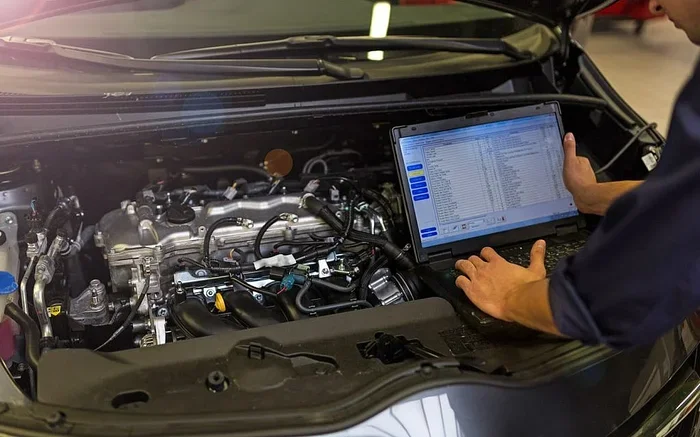
A car diagnostic test is a quick check of your vehicle’s computer system. Modern cars have onboard computers that monitor everything from engine performance to emissions. When something goes wrong, the computer stores a fault code. A mechanic or device reads these codes to find the root cause.
The process is simpler than most people think. A technician plugs a tool into your car’s OBD-II port. This port is usually located under your steering column. Within seconds, the tool pulls trouble codes from your vehicle’s memory. These codes point to specific problems. For example, a code might indicate a faulty oxygen sensor or a loose gas cap.
Onboard diagnostics systems have been standard in cars since the mid-1990s. This means almost every car made after 1996 can be tested this way. The engine code reader or OBD scanner translates these codes into plain language. You do not need to be a mechanic to understand the results.
Why Do Cars Need Diagnostics?
Cars today are complex machines. They rely on dozens of sensors and computer modules working together. When one sensor fails, it can affect performance, fuel economy, or safety. A vehicle health check catches these issues early. Catching problems early often means cheaper repairs down the road.
Regular car maintenance includes checking for trouble codes. Even if your car feels fine, a hidden issue could be brewing. Diagnostics give you a clear picture of what is happening under the hood. This is why many drivers seek out a free engine check even when nothing seems wrong.
Where Can You Get a Free Diagnostic on Your Car?
The big question is where to find a free diagnostic on your car. The good news is that several options exist. You just need to know where to look.
Auto Parts Stores
Many auto parts stores offer free car diagnostic tests. Chains like AutoZone, O’Reilly, and Advance Auto Parts often provide this service. They want you to buy parts from them, so they waive the diagnostic fee as a way to build trust.
Here is how it usually works. You drive into the store and ask for a diagnostic. A staff member plugs an OBD scanner into your car. They pull the fault codes and share the results with you. Sometimes they will even print out a report. This costs you nothing.
Keep in mind that these stores may not perform repairs. Their job is to read codes and point you in the right direction. If you need fixes, they can suggest the parts you need. But the actual diagnosis comes at no charge.
Dealerships
Some car dealerships offer free diagnostics, especially for newer vehicles. If your car is still under warranty, the dealership may cover the full diagnostic cost. Even if your warranty has expired, some dealers run promotions that include a free vehicle inspection.
It is always worth calling ahead and asking. Dealerships want your business. They know you might take your car elsewhere for repairs. A free diagnostic is a great way to win your trust. Just be clear that you are not obligated to do the work there.
Independent Repair Shops
Not all independent repair shops offer free diagnostics. But many do, especially in competitive markets. Local shops often compete with big chains by offering perks like waived diagnostic fees. A quick phone call can save you a lot of money.
When you call, ask directly. Say, “Do you offer a free car diagnostic?” Most shops will tell you honestly. If they charge, ask if the fee is deducted from any repair work. Many shops will credit the diagnostic cost toward the final bill.
Mobile Mechanic Services
Mobile mechanics are a growing trend. These professionals come to your home or office. Some offer a free engine check as part of their service. This is incredibly convenient because you do not need to drive a broken car anywhere.
Search online for mobile mechanics in your area. Read reviews and compare prices. A mobile diagnostic can be just as accurate as one done in a shop. The main difference is that the mechanic comes to you.
DIY with an OBD Scanner
Want the most free option of all? Do it yourself. You can buy a basic OBD-II scanner for under $50. Some models connect to your smartphone via Bluetooth. You plug the scanner into your car’s OBD-II port and follow the on-screen prompts.
This method gives you full control. You read the trouble codes yourself and look them up online. Many websites and apps explain what each code means. You do not need to visit a shop at all. This is a great way to learn about your vehicle and avoid any diagnostic fee entirely.
What Happens During a Free Car Diagnostic?
Understanding the process helps you feel more confident. Here is what typically happens during a free car diagnostic:
- You arrive at the shop or store. A service advisor greets you and asks about any symptoms.
- They connect the scanner. The technician plugs an OBD scanner into your car’s OBD-II port.
- The scanner reads codes. Within a few minutes, fault codes appear on the screen.
- You receive the results. The technician explains what each code means in plain language.
- You get recommendations. They tell you what needs attention and what can wait.
The whole process usually takes 10 to 20 minutes. It is quick and painless. You walk away with valuable information about your car’s health. No obligation to buy anything or do any repairs.
Common Codes You Might See
Not all check engine light causes are serious. Here are some common codes you might encounter:
- P0420: Catalytic converter efficiency below threshold. This is common and often not urgent.
- P0300: Random misfire detected. Could be spark plugs, fuel injectors, or a vacuum leak.
- P0401: Insufficient EGR flow. A relatively simple fix in most cases.
- P0171: System too lean on bank one. Often caused by a vacuum leak or dirty mass airflow sensor.
- P0455: Evaporative emission control system leak. Sometimes just a loose gas cap.
Remember, a code tells you where to look. It does not always mean a expensive repair. Sometimes it is something simple like a loose gas cap or a worn spark plug.
How to Avoid Surprise Diagnostic Charges
Not every shop offers free diagnostics. And even at shops that do, there are a few things to watch for. Being upfront saves you from unexpected bills.
Ask Before You Sit Down
The simplest rule is to ask before any work begins. Call ahead or ask at the front desk. Say, “Is the diagnostic fee waived, or is it deducted from repairs?” Get the answer in writing if possible. This protects you from any surprises.
Understand the Difference Between Diagnosis and Repair
A car diagnostic test is not the same as a repair. Diagnosis is finding the problem. Repair is fixing it. Some shops waive the diagnostic fee but charge for the repair. Others charge for both. Knowing this distinction helps you make informed decisions.
Get a Written Estimate
Before any repair work starts, ask for a repair estimate. A good shop will give you a clear breakdown of costs. This includes labor, parts, and any diagnostic fees. If the estimate seems high, you have every right to ask questions or seek a second opinion.
Check Reviews and Reputation
Not all auto repair shops are created equal. Read online reviews before visiting. Look for mentions of transparency, fair pricing, and honest diagnostics. A shop with a strong reputation is less likely to overcharge you.
DIY Free Diagnostic: Tools You Can Use at Home
If you prefer the hands-on approach, a home diagnostic setup is easier than you think. Here are the tools you need:
- OBD-II Bluetooth Scanner: Costs around $20 to $40. Plugs into your car and connects to your phone.
- Diagnostic App: Apps like Torque or OBD Fusion read codes from your scanner and explain them.
- Car Owner’s Manual: Your manual tells you exactly where the OBD-II port is located.
- Internet Access: Websites like OBD-Codes.com explain what each code means in detail.
Once you have these tools, the process is simple. Plug the scanner in, turn the ignition on, and let the app do the work. Within minutes, you will see your car’s trouble codes. You can then research each code and decide your next step.
This method is not just free. It also teaches you a lot about your vehicle. Over time, you become more confident in understanding what your car needs. You might even catch small issues before they become big problems.
When Should You Get a Diagnostic?
Not every car problem requires a full diagnostic. But certain signs should never be ignored. Here are the top reasons to get a vehicle health check:
- Your check engine light turns on and stays on.
- You notice unusual sounds from the engine or exhaust.
- Your fuel economy drops without explanation.
- The car shakes or vibrates while idling.
- You smell something unusual, like burning or exhaust fumes.
- Your dashboard displays a warning light other than the check engine light.
- Your car fails an emissions test.
Ignoring these signs can lead to bigger and more expensive problems. A quick free engine check can catch issues early. It is always better to know than to guess.
Expert Insights on Free Car Diagnostics
We spoke with several experienced mechanics about the state of free diagnostics in the industry. Here is what they had to say.
Mike R., ASE Certified Mechanic: “Most of the time, a free diagnostic on your car is a way for shops to earn your business. They read the codes, give you the results, and hope you trust them with the repair. It is a fair exchange. Just make sure you understand what the codes mean before you commit to anything.”
Sarah L., Auto Shop Owner: “I always tell my customers to ask if the diagnostic cost is refundable. At our shop, any diagnostic fee is fully credited toward repairs. This builds trust and keeps customers coming back. Transparency is everything in this business.”
Tom H., DIY Car Enthusiast: “I bought an OBD-II scanner three years ago, and it has saved me hundreds of dollars. I do my own car troubleshooting at home now. I only visit a shop when I need a part replaced that requires special tools.”
These insights show that free diagnostics are real and widely available. The key is knowing where to look and asking the right questions.
Quick Tips for Getting the Most Out of Your Free Diagnostic
- Write down your symptoms before you go. Note when the problem happens and under what conditions.
- Ask the technician to explain each code in simple terms.
- Request a printed copy of the diagnostic report for your records.
- Do not feel pressured to authorize repairs on the spot.
- Get a second opinion if the repair estimate seems high.
- Ask if the diagnostic fee will be waived or deducted from the final bill.
- Keep up with regular car maintenance to reduce the need for diagnostics in the first place.
Common Mistakes People Make with Car Diagnostics
Avoid these common pitfalls to get the best results from your free car diagnostic:
- Ignoring the check engine light: Many people assume the light will go away on its own. It rarely does, and the underlying problem usually gets worse.
- Assuming the worst: A trouble code does not always mean a major repair. Sometimes it is a simple fix like a loose gas cap.
- Not asking questions: If you do not understand something, ask. A good technician will explain everything clearly.
- Skipping the diagnostic altogether: Some people try to guess the problem instead of getting a proper car diagnostic test. This often leads to wasted money on the wrong parts.
- Choosing the cheapest shop without checking reviews: Price matters, but reputation matters more. A poorly run shop might miss real problems.
How Free Diagnostics Compare to Paid Diagnostics
Curious about the difference between free and paid options? Here is a quick comparison:
- Free diagnostics are offered at many auto parts stores and some dealerships. They read your fault codes and explain them. You usually pay nothing upfront.
- Paid diagnostics at independent shops typically cost $50 to $150. These often include a more thorough inspection and a detailed repair estimate.
- Dealership diagnostics may be free under warranty or cost $100 or more for out-of-warranty vehicles. They use manufacturer-specific tools that read deeper into your car’s systems.
- DIY diagnostics cost nothing if you already own an OBD scanner. They give you the same basic trouble codes but require some research on your part.
Each option has its place. Free diagnostics are perfect for a quick check. Paid diagnostics make sense for complex issues that need expert attention. The best choice depends on your situation and budget.
Final Thoughts on Getting a Free Diagnostic on Your Car
The truth is simple. You absolutely can get a free diagnostic on your car without paying a single dollar. Whether you visit an auto parts store, a dealership, or use your own OBD-II scanner, options are everywhere. The key is knowing where to look and what to ask.
Do not let the fear of a surprise bill keep you from finding out what is wrong with your car. A free vehicle inspection can give you peace of mind and save you from bigger problems later. Take advantage of the many free car diagnostic services available in your area. Your wallet will thank you.
Next time your check engine light comes on, do not panic. Grab your phone, drive to a nearby parts store, or plug in your own scanner. Get the answers you need. Knowledge is power, and a free diagnostic on your car puts that power right in your hands.
Frequently Asked Questions
Is a free car diagnostic really completely free?
Yes, most auto parts stores and some dealerships offer a truly free car diagnostic test. There are no hidden charges or obligations. Just confirm before you sit down that no fee applies. This is a common marketing strategy to attract customers.
How long does a free car diagnostic take?
A typical free diagnostic on your car takes only 10 to 20 minutes. The technician plugs in an OBD scanner and reads the fault codes. You will then receive a clear explanation of the results and any recommended next steps.
Can I get a free diagnostic if my check engine light is not on?
Yes, you can. Many shops will perform a vehicle health check even if your check engine light is off. They can still read trouble codes stored in your car’s computer. This is a great way to catch hidden issues before they become visible warnings.
Will a free diagnostic include a repair estimate?
It depends on the shop. Some auto repair shops will include a rough repair estimate with the diagnostic results. Others will only share the codes and let you decide next steps. Always ask upfront what the free diagnostic includes.
What is an OBD-II port and where is it located?
An OBD-II port is a standardized connector found in all cars made after 1996. It is usually located under your steering column, near the driver’s side knee area. Plugging an OBD scanner into this port allows you to read your car’s trouble codes directly.
Should I trust the results of a free diagnostic?
Yes, you can trust the results. OBD scanners read the same fault codes regardless of whether the service is free or paid. However, free diagnostics typically do not include a physical inspection of parts. For complex issues, you may want a paid diagnostic for a more thorough assessment.
=== CONCLUSION ===
Getting a free diagnostic on your car is easier than most people think. You have multiple paths to choose from. Auto parts stores, dealerships, independent shops, and even DIY options all offer ways to check your car without paying upfront. The check engine light does not have to be a source of stress or surprise bills anymore.
Use the tips in this guide to find the right option for you. Ask questions, compare shops, and always get a clear explanation of your car’s trouble codes. With a little knowledge and the right approach, you can keep your vehicle healthy and your wallet happy. Start your free car diagnostic today and drive with confidence.