Can I Still Drive With a P0171 Code and Keep Moving
Yes, you can drive with a P0171 code, but only for a short distance and with caution. This code signals a lean fuel condition in your engine, meaning there is too much air and not enough fuel. Ignoring it for too long can cause engine damage, catalytic converter failure, and poor fuel economy. In this guide, we explain exactly what the P0171 code means, whether it is safe to keep driving, and how to fix it step by step.
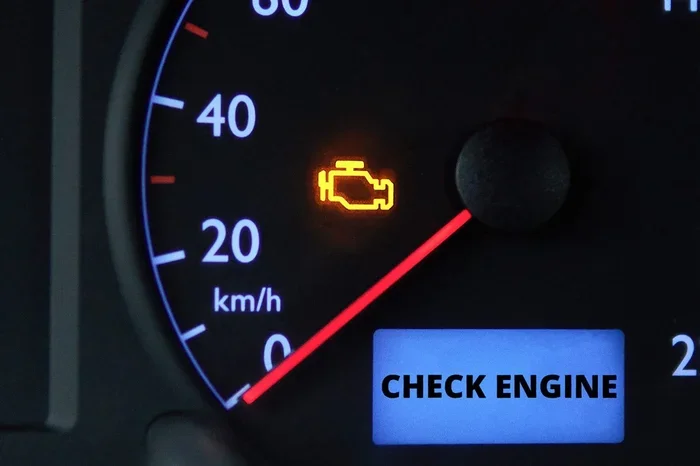
You are driving along, and suddenly your dashboard flashes a yellow warning light. You glance at it and see the check engine light. A quick scan with your OBD-II scanner reveals a P0171 code. Your heart sinks. Can I still drive with a P0171 code? The short answer is yes, but with important caveats. This article will walk you through everything you need to know about the P0171 lean condition, why it happens, and how to get it fixed without breaking the bank.
Dealing with an engine code can feel overwhelming, especially if you are not a mechanic. The good news is that a P0171 code is one of the most common OBD-II trouble codes out there. It affects many vehicles, from compact cars to SUVs. Understanding what it means and how serious it is puts you in a much better position. You will know exactly when to pull over, when to keep going, and when to call for help.
Key Takeaways
- Short-Term Driving Is Possible: You can drive a few miles with a P0171 code, but do not ignore it for long.
- Lean Condition Is the Core Issue: The code means your engine runs with too much air and too little fuel.
- Multiple Causes Exist: Vacuum leaks, bad sensors, and fuel system problems can all trigger this code.
- Driving Too Long Can Cause Expensive Damage: The catalytic converter and engine internals can suffer over time.
- DIY Diagnosis Is Doable: With an OBD-II scanner and basic tools, you can start diagnosing the problem at home.
- Professional Help May Be Needed: Some causes require a mechanic with specialized diagnostic equipment.
- Prevention Is Simple: Regular maintenance and timely repairs keep this code from returning.
📑 Table of Contents
- What Is a P0171 Code?
- Can You Really Drive With a P0171 Code?
- What Causes a P0171 Code?
- How to Diagnose a P0171 Code
- Fixing a P0171 Code: Step-by-Step Solutions
- Comparison Table: Common P0171 Causes and Repair Costs
- How to Prevent a P0171 Code From Coming Back
- Common Mistakes People Make With a P0171 Code
- When to See a Professional Mechanic
- Key Takeaways
- Conclusion
What Is a P0171 Code?
A P0171 code is a diagnostic trouble code that means “System Too Lean (Bank 1).” In simple terms, your engine’s air-fuel ratio has too much air and not enough fuel. Modern engines rely on a precise balance between air and fuel to run smoothly. When that balance tips too far toward air, the engine runs lean. This can cause a range of problems, from rough idling to serious engine damage over time.
The powertrain control module (PCM) monitors the oxygen sensor readings to keep the air-fuel ratio in check. When the PCM detects that the fuel mixture is too lean for too long, it triggers the P0171 code. This is part of the fuel trim system, which adjusts the amount of fuel injected into the engine based on sensor feedback.
How the Air-Fuel Ratio Works
Your engine needs the right mix of air and fuel to combust efficiently. The ideal ratio is about 14.7 parts air to 1 part fuel. This is called the stoichiometric ratio. When the mass airflow sensor or oxygen sensor detects a deviation from this ratio, the PCM adjusts fuel delivery accordingly. If the system cannot add enough fuel to correct the lean condition, the P0171 code appears.
Think of it like baking a cake. If you add too much flour and not enough water, the mixture is too dry. Similarly, too much air and too little fuel makes your engine run poorly. The short-term fuel trim and long-term fuel trim values on your scanner can give you a clear picture of how hard your engine is working to compensate.
Can You Really Drive With a P0171 Code?
The honest answer is yes, but only for a short distance and under specific conditions. Driving a few miles to a safe location or a nearby repair shop is generally okay. However, pushing it for long distances or ignoring the code for weeks is a risky move. Here is what you need to know about driving with this code.
Short-Distance Driving: What to Expect
When you first get a P0171 code, your car might still feel relatively normal. Some drivers report no noticeable change in performance at all. Others may experience slight roughness at idle, a minor drop in power, or reduced fuel efficiency. The check engine light will stay on, and your scanner will keep showing the lean condition.
During short trips, the engine control module may try to compensate by enriching the fuel mixture. This can mask the problem temporarily. However, this compensation puts extra strain on other components. You might notice your fuel consumption creeping up, or the engine feeling sluggish during acceleration.
Long-Distance Driving: The Risks
Driving long distances with a P0171 code is not recommended. Here is why:
- Engine Knock: A lean mixture can cause pre-ignition or detonation, which damages pistons and connecting rods over time.
- Catalytic Converter Damage: Running lean creates excess heat in the exhaust system. This can melt or clog your catalytic converter, which is an expensive repair.
- Increased Emissions: A lean engine produces higher levels of nitrogen oxides, which can cause your vehicle to fail emissions testing.
- Engine Overheating: A lean fuel mixture burns hotter, which can lead to overheating and internal engine damage.
- Poor Performance: You may experience hesitation, stalling, or a complete loss of power while driving.
Quick Tip: If you must drive with a P0171 code, keep your trips under 10 miles and avoid highway speeds. Head straight to a mechanic or auto parts store for a proper diagnosis.
What Causes a P0171 Code?
Understanding the root cause of a P0171 code is essential for fixing it correctly. There are many possible culprits, ranging from simple to complex. Let us break them down.
Vacuum Leaks
A vacuum leak is one of the most common causes of a P0171 code. Vacuum leaks allow unmetered air to enter the engine, throwing off the air-fuel ratio. Common sources include:
- Cracked or loose intake manifold gaskets
- Damaged vacuum hoses
- Faulty PCV valve or hose
- Leaking brake booster diaphragm
- Cracked throttle body gasket
Vacuum leaks can be tricky to find because they are not always visible. A smoke test performed by a mechanic can pinpoint the exact location of the leak. If you have a can of carburetor cleaner at home, you can sometimes find a vacuum leak by spraying small amounts around intake components while the engine is running. A change in idle speed indicates a leak in that area.
Mass Airflow Sensor Issues
The mass airflow sensor (MAF) measures the amount of air entering the engine. If this sensor is dirty or failing, it sends incorrect data to the PCM. The result is the wrong amount of fuel being injected. A contaminated MAF sensor is a common cause of a lean condition.
Dirt, oil, and debris can coat the sensor element over time. This is especially common in vehicles that use oiled air filters or have had aftermarket air intake systems installed. Cleaning the MAF sensor with a dedicated cleaner often resolves the issue without needing a replacement.
Oxygen Sensor Problems
The oxygen sensor (O2 sensor) measures the amount of oxygen in the exhaust gases. If the upstream oxygen sensor on Bank 1 fails or sends incorrect readings, the PCM cannot properly adjust the fuel mixture. A faulty O2 sensor is a frequent cause of P0171 codes, especially in vehicles with higher mileage.
Oxygen sensors have a limited lifespan, typically around 60,000 to 100,000 miles. As they age, they become less responsive. Replacing an aging O2 sensor is often a straightforward and affordable fix.
Fuel System Problems
Sometimes the problem is not too much air but too little fuel. Several fuel system components can cause a lean condition:
- Clogged fuel filter: Restricts fuel flow to the engine
- Weak fuel pump: Fails to deliver adequate fuel pressure
- Faulty fuel pressure regulator: Cannot maintain proper fuel pressure
- Dirty fuel injectors: Restrict fuel delivery to the combustion chamber
- Low fuel level: In rare cases, a nearly empty tank can cause lean readings
If your fuel pump is failing, you might notice symptoms like difficulty starting, stalling under load, or a whining noise from the fuel tank. A fuel pressure test with a gauge can quickly reveal whether the pump and regulator are working correctly.
Exhaust Leaks
An exhaust leak before the oxygen sensor can allow outside air to enter the exhaust system. This extra air gets measured by the O2 sensor, making the PCM think the engine is running lean. Exhaust leaks are common near the exhaust manifold and flex pipe. You may hear a ticking or hissing sound from the exhaust, especially when the engine is cold.
How to Diagnose a P0171 Code
Diagnosing a P0171 code involves a systematic approach. You do not want to throw parts at the car blindly. Here is a step-by-step process you can follow.
Step 1: Check for Other Codes
Start by connecting your OBD-II scanner and checking for any additional trouble codes. Codes like P0174 (System Too Lean Bank 2), P0300 (Random Misfire), or P0420 (Catalyst Efficiency) can provide valuable clues. Multiple codes together often point to a single root cause.
Step 2: Inspect for Vacuum Leaks
Visually inspect all vacuum hoses and intake connections. Look for cracked, brittle, or disconnected hoses. Pay special attention to the PCV valve and hose, brake booster line, and the intake manifold gasket. A smoke test is the most reliable way to find hidden leaks.
Step 3: Check Fuel Pressure
Attach a fuel pressure gauge to the fuel rail and compare the reading to your vehicle’s specifications. Low fuel pressure points to a weak pump, clogged filter, or faulty regulator. Most vehicles specify fuel pressure between 30 and 65 PSI, but this varies widely by make and model.
Step 4: Inspect the MAF Sensor
Remove the MAF sensor and inspect it for dirt or contamination. Use a dedicated MAF cleaner spray. Do not touch the sensor element with your fingers. If cleaning does not help, the sensor may need replacement.
Step 5: Check the Oxygen Sensor Data
Use your scanner to view the live data from the upstream O2 sensor. At a healthy idle, the sensor should fluctuate between 0.1 and 0.9 volts. If the voltage stays low (below 0.3 volts) consistently, the sensor may be reading a lean condition that does not match reality, or the engine truly is running lean.
Step 6: Perform a Smoke Test
If you have checked all the common causes and still cannot find the problem, a smoke test is your best friend. A smoke machine fills the intake and vacuum system with harmless smoke. Any leaks become visible as smoke escapes. This method finds even the tiniest vacuum leaks that are invisible to the naked eye.
Expert Insight: Many DIY mechanics skip the smoke test and end up replacing parts that were not the problem. A smoke test costs little at a repair shop and can save you hundreds of dollars in unnecessary parts. Always rule out vacuum leaks before replacing sensors or fuel components.
Fixing a P0171 Code: Step-by-Step Solutions
Once you have identified the cause, fixing a P0171 code is usually straightforward. Here are the most common repairs and what to expect.
Repairing Vacuum Leaks
If a vacuum leak is the cause, replacing the damaged hose or gasket is the fix. Vacuum hose replacement is inexpensive and easy to do at home. Intake manifold gasket replacement is a bit more involved but still within reach for most DIYers. Here is what you will need:
- New vacuum hose or gasket (match the part number from your vehicle’s manual)
- A set of basic hand tools (wrenches, screwdrivers)
- Dielectric grease for hose connections
- Your OBD-II scanner to clear the code after repair
After replacing the part, clear the code with your scanner and take a short test drive. If the P0171 code does not return, the repair was successful.
Cleaning or Replacing the MAF Sensor
Cleaning the MAF sensor takes just a few minutes. Spray the sensor element with MAF cleaner and let it air dry. Do not touch it with cloths or your fingers. If cleaning does not resolve the lean code, the sensor needs replacement. A new MAF sensor typically costs between $100 and $300 for parts and labor.
Replacing the Oxygen Sensor
Replacing an O2 sensor is one of the most common repairs for a P0171 code. The upstream sensor is usually accessible from the top of the engine. Use an O2 sensor socket for removal. After installation, clear the code and monitor the sensor data to ensure it is reading correctly.
Fixing Fuel System Issues
Fuel system repairs vary in cost and complexity:
- Fuel filter replacement: Inexpensive and easy. Most filters cost under $30 and take about 20 minutes.
- Fuel pump replacement: More expensive, ranging from $200 to $600 depending on the vehicle. The pump is often located inside the fuel tank.
- Fuel pressure regulator: Typically $50 to $150 for parts. Replacement involves removing the regulator from the fuel rail.
- Fuel injector cleaning or replacement: Cleaning costs are low, but replacing a single injector can run $150 to $300.
Repairing Exhaust Leaks
Exhaust manifold leaks are often fixed by replacing the gasket. Flex pipe leaks may require replacing the entire pipe. Welding is sometimes an option for small cracks. The cost ranges from $100 for a simple gasket replacement to $400 or more for a flex pipe replacement.
Comparison Table: Common P0171 Causes and Repair Costs
| Cause | Severity | Typical Repair Cost | DIY Friendly? |
|---|---|---|---|
| Vacuum Leak | Moderate | $20 – $150 | Yes |
| Dirty MAF Sensor | Low | $0 – $20 (cleaner) | Yes |
| Faulty O2 Sensor | Moderate | $100 – $300 | Yes |
| Clogged Fuel Filter | Low | $15 – $30 | Yes |
| Weak Fuel Pump | High | $200 – $600 | No |
| Exhaust Leak | Moderate | $100 – $400 | Depends |
| Intake Manifold Gasket | Moderate | $100 – $300 | Yes (intermediate) |
How to Prevent a P0171 Code From Coming Back
Once you have fixed a P0171 code, you do not want it to come back. Prevention is all about regular maintenance and paying attention to early warning signs.
Follow Your Maintenance Schedule
Stick to the manufacturer’s recommended maintenance intervals. Regularly replacing your air filter, fuel filter, and spark plugs keeps the engine running efficiently. A clean air filter ensures the MAF sensor reads accurately, and fresh spark plugs promote complete combustion.
Use Quality Fuel
Using top-tier gasoline from reputable stations can reduce carbon buildup in your fuel system. Poor-quality fuel can leave deposits on your fuel injectors and intake valves, contributing to lean conditions over time. If you notice rough running or a drop in fuel economy, consider using a fuel system cleaner.
Address Warning Signs Early
Do not ignore the check engine light. If your scanner shows a P0171 code, address it promptly. The longer you wait, the more damage a lean condition can cause. Early intervention saves money and prevents more serious repairs down the road.
Inspect Vacuum Hoses Regularly
Vacuum hoses degrade over time, especially in hot engine compartments. During routine oil changes or under-hood inspections, take a moment to look at your vacuum lines. Cracking or swelling hoses should be replaced immediately. This simple habit can prevent many P0171 codes from ever appearing.
Common Mistakes People Make With a P0171 Code
When dealing with a P0171 code, many people make avoidable mistakes. Here are the most common ones.
- Ignoring the code entirely: Some drivers clear the code and hope it does not come back. This is a gamble that can lead to serious engine damage.
- Replacing parts without diagnosing: Throwing an O2 sensor at the problem without checking for vacuum leaks wastes money and time.
- Using the wrong cleaner: Never use regular carburetor cleaner on a MAF sensor. Use a dedicated MAF sensor cleaner to avoid damaging the delicate element.
- Clearing the code without fixing the cause: If the underlying problem is not resolved, the code will return. Always fix the root cause first.
- Assuming it is always the sensor: A lean code is not always a sensor problem. Vacuum leaks and fuel delivery issues are often the real culprits.
Quick Tip: Before replacing any part, perform a visual inspection and check for vacuum leaks. This simple step solves the majority of P0171 cases and saves you from unnecessary part purchases.
When to See a Professional Mechanic
While many P0171 causes can be diagnosed and repaired at home, some situations call for professional help. If you have checked for vacuum leaks, cleaned the MAF sensor, and verified fuel pressure, but the code persists, it is time to visit a mechanic. Complex issues like internal engine problems, wiring harness faults, or PCM failures require specialized diagnostic tools and expertise.
A professional mechanic can perform a comprehensive diagnostic scan, smoke test, and compression test to rule out serious internal engine damage. If you are unsure about any step in the diagnosis process, it is always safer to consult an expert. A few hundred dollars for a professional diagnosis can save thousands in potential engine repairs.
Also, if your vehicle is under warranty, attempting DIY repairs could void the warranty. In that case, take it to an authorized dealer or certified mechanic. They have access to manufacturer-specific diagnostic software and genuine replacement parts.
Key Takeaways
- A P0171 code means a lean fuel condition: Too much air and not enough fuel in the engine.
- Short-distance driving is possible: You can drive a few miles carefully, but avoid long trips.
- Vacuum leaks and sensor failures are the top causes: Check these first before replacing expensive parts.
- Fuel system problems can also trigger the code: A weak fuel pump or clogged filter can cause lean conditions.
- Diagnose before you replace: Use a systematic approach with an OBD-II scanner and basic tools.
- Prevention through regular maintenance: Clean air filters, quality fuel, and timely inspections keep P0171 codes away.
- Do not ignore the check engine light: Addressing a P0171 code early prevents costly damage to your engine and catalytic converter.
Conclusion
So, can you still drive with a P0171 code? Yes, but you should treat it as a warning that demands attention. A P0171 lean condition is your engine’s way of telling you something is wrong with the air-fuel mixture. Ignoring it can lead to expensive repairs and unsafe driving conditions. The good news is that most causes are fixable with basic tools and a bit of patience. Whether it is a simple vacuum leak, a dirty MAF sensor, or a failing O2 sensor, understanding the root cause puts you in control.
Remember to drive cautiously if you need to get somewhere with this code active. Keep trips short and avoid heavy loads. Use your OBD-II scanner to monitor fuel trim values and sensor data. And most importantly, do not let the check engine light become a blind spot. Your engine depends on the right balance of air and fuel to run smoothly. Address the P0171 code promptly, and you will keep your vehicle healthy and reliable for miles to come.
Take action today. Scan your car, find the cause, and fix it. Your wallet and your engine will thank you. Do not let a P0171 code keep you from the road or lead to a bigger repair bill.
Frequently Asked Questions
What does the P0171 code mean?
The P0171 code means “System Too Lean (Bank 1).” It indicates that your engine’s air-fuel mixture has too much air and not enough fuel. This lean condition can cause poor performance, reduced fuel economy, and potential engine damage if left unaddressed.
Can I drive 50 miles with a P0171 code?
Driving 50 miles with a P0171 code is not recommended. While short trips of a few miles are generally safe, longer distances put extra stress on your engine and catalytic converter. Head to a repair shop as soon as possible if you notice this code.
How serious is a P0171 code?
A P0171 code ranges from moderate to serious depending on the cause. A small vacuum leak is relatively minor, but ignoring the code can lead to catalytic converter failure and internal engine damage. Always treat this code with urgency.
Can a bad oxygen sensor cause a P0171 code?
Yes, a faulty upstream oxygen sensor is one of the most common causes of a P0171 code. When the sensor sends incorrect readings to the PCM, the fuel mixture cannot be properly adjusted, resulting in a lean condition.
How much does it cost to fix a P0171 code?
Repair costs vary widely depending on the cause. A vacuum leak repair might cost $20 to $150, while a fuel pump replacement can run $200 to $600. Diagnosing the exact cause first helps you avoid unnecessary expenses.
Will a P0171 code clear itself?
A P0171 code will not clear itself until the root cause is fixed. Even if the check engine light temporarily goes off, the underlying problem remains. Clearing the code with a scanner without fixing the issue will only result in the code returning.