Can a Car Overheat on a Hot Day and How to Prevent It
Yes, a car can absolutely overheat on a hot day. High temperatures put extra stress on your engine, and combined with other factors, overheating can happen fast. Understanding the cooling system and recognizing early overheating symptoms can save you from a breakdown. This guide covers overheating causes, prevention tips, and simple car maintenance tips for summer driving.
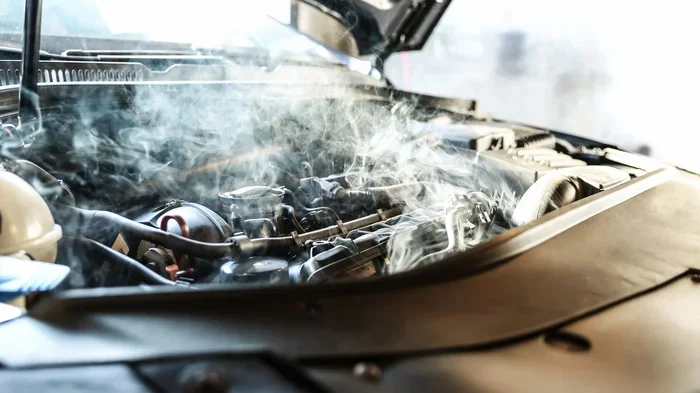
There is nothing worse than pulling over on a sweltering summer day with steam billowing from under your hood. You wonder, can a car overheat on a hot day? The short answer is yes, and it happens more often than you might think. Every year, thousands of drivers face this exact situation during heat waves and long road trips. Understanding why it happens and what you can do about it is the best way to stay safe and avoid expensive repairs.
Your car’s engine cooling system works hard every single day. It fights friction, heat, and now add scorching outdoor temperatures to the mix. When all of these forces line up, things can go wrong fast. But here is the good news. Most overheating situations are preventable with a little knowledge and regular car maintenance. This guide breaks everything down for you in plain, simple language.
Whether you are dealing with a coolant leak, a broken thermostat, or just want to be prepared for the next heat wave, you are in the right place. We will walk you through the causes, the warning signs, and the practical steps you can take today. Let us dive in and keep your engine cool.
Key Takeaways
- Hot weather alone can trigger overheating: When ambient temperatures soar, your engine works harder to stay cool, especially if your cooling system is not in top shape.
- Low coolant is the number one culprit: A coolant leak or low fluid level can cause rapid temperature spikes in minutes.
- Know the warning signs early: A rising temperature gauge, steam from the hood, or a sweet smell all signal trouble.
- Simple prevention steps work wonders: Regular checks, shade parking, and smart driving habits go a long way in overheating prevention.
- Never ignore an overheating engine: Continuing to drive can cause severe damage like a blown head gasket or warped engine parts.
- Summer car care is essential: A little prep before heat waves keeps your vehicle running smoothly all season long.
📑 Table of Contents
Why Do Cars Overheat on Hot Days?
Your engine generates enormous amounts of heat. Under normal conditions, the cooling system handles it effortlessly. But on a scorching day, the system faces extra challenges. When the outside temperature climbs above 90 degrees Fahrenheit, your radiator has a harder job releasing heat. Add stop-and-go traffic or towing a trailer, and the strain doubles.
Several components work together to keep your engine at a safe engine temperature. If even one part fails, the whole system suffers. Let us look at the main reasons cars overheat during hot weather.
Low Coolant Levels
Coolant is the lifeblood of your cooling system. It flows through the engine, absorbs heat, and carries it to the radiator where it cools down. When coolant levels drop too low, there is not enough fluid to do this job. A small coolant leak can drain your reservoir over time without you noticing. One hot afternoon, the temperature gauge starts climbing, and suddenly you are stuck on the side of the road.
Check your coolant reservoir at least once a month during summer. Look for puddles under your car. A bright green, orange, or pinkish spot on your driveway is a telltale sign of a leak. Catching this early saves you from a much bigger headache.
Faulty Thermostat
The thermostat is a small valve that controls coolant flow. It opens when the engine gets warm and closes when it needs to heat up. When a thermostat gets stuck closed, coolant cannot reach the radiator. Heat builds up fast, and your engine starts to overheat. This is a common issue in older vehicles and during extreme heat.
Replacing a thermostat is inexpensive and straightforward. Most mechanics can do it in under an hour. Do not let a stuck thermostat turn a simple fix into a major repair bill.
Broken Radiator Fan
Your radiator fan pulls air through the radiator when your car moves slowly or sits idle. On a hot day, this fan becomes critical, especially in traffic. When the cooling fan fails, the radiator cannot cool the fluid efficiently. Your engine temperature climbs even when you are not going fast.
You might hear a clicking sound or notice your car running hotter than usual when idling. These are signs your fan needs attention. A working cooling fan is one of the simplest ways to prevent overheating in summer.
Clogged Radiator
Over time, dirt, bugs, and debris can block airflow through the radiator. Old coolant can also leave deposits inside the radiator tubes. When flow is restricted, heat does not escape properly. A clogged radiator is sneaky because it worsens gradually. You might not notice the problem until a particularly hot day pushes things over the edge.
Flushing your radiator every two years keeps it clean and efficient. During summer, rinse the front of the radiator with a hose to remove bugs and grime. This small habit makes a real difference.
Water Pump Failure
The water pump circulates coolant through the engine block and hoses. Without it, the coolant just sits still and heat builds up. Water pump failure can happen from normal wear or from a damaged radiator hose that puts extra strain on the pump. When the pump goes, the engine temperature rises quickly.
Listen for whining noises near the front of the engine. Check for coolant leaks around the pump area. Catching water pump issues early prevents a cascading failure that can damage your entire cooling system.
Head Gasket Problems
A blown head gasket is one of the most serious causes of engine overheating. The head gasket seals the joint between the engine block and cylinder head. When it fails, coolant can leak into the cylinders or oil passages. This causes overheating, white smoke from the exhaust, and sometimes a milky residue on your oil cap.
A head gasket repair is costly and labor-intensive. The best approach is prevention. Keep your coolant levels topped off and address overheating immediately. Never push a hot engine hard.
How to Prevent Your Car From Overheating
The best way to deal with overheating is to stop it before it starts. Overheating prevention is easier than most people think. A few simple habits and checks can keep your engine running smoothly all summer long.
Check Your Coolant Regularly
Open your hood and locate the coolant reservoir. The fluid level should sit between the minimum and maximum marks. If it is low, top it off with the correct type of coolant for your vehicle. Always let the engine cool before opening the radiator cap. A burst of hot coolant can cause serious burns.
Use a 50/50 mix of coolant and distilled water for the best protection. This mixture resists boiling in summer and freezing in winter. It also has anti-corrosion properties that protect your cooling system from the inside.
Inspect Hoses and Belts
Your radiator hoses carry coolant between the engine and the radiator. These rubber hoses degrade over time. They can crack, swell, or develop soft spots. A hose that bursts on the highway is a nightmare scenario.
Grab each hose and give it a gentle squeeze. It should feel firm but slightly flexible. If it feels hard, brittle, or spongy, replace it. Also check the belts that drive the water pump and fan. A squealing noise from the engine bay often means a belt is wearing out.
Monitor Your Temperature Gauge
Your dashboard temperature gauge is your best friend on a hot day. Keep an eye on it, especially during long drives or in heavy traffic. Normal operating temperature usually sits in the middle of the gauge. If it starts creeping toward the hot zone, pull over safely and let the engine cool.
Do not ignore the gauge even for a few minutes. Continuing to drive with an overheating engine can warp metal parts, crack the block, or destroy the head gasket. The cost of a tow is always less than the cost of a rebuilt engine.
Park Smart in the Heat
Where you park matters more than you think. Direct sunlight heats your engine bay and radiator faster than you would expect. Whenever possible, park in the shade or use a windshield sunshade. This keeps the interior cooler and reduces the initial heat load on your cooling system when you start driving.
If you park on asphalt, the heat radiates up through the undercarriage. Concrete or gravel surfaces stay cooler. A little thought about parking can reduce your engine’s starting temperature by several degrees.
Drive Smart in Hot Weather
Your driving habits affect engine heat. Stop-and-go traffic is the worst scenario for engine temperature. The car barely moves, and the cooling fan has to work overtime. On highways, airflow through the radiator keeps things cooler.
If you are stuck in traffic on a hot day, shift into neutral at red lights. This reduces engine load slightly and lets the cooling system catch up. Avoid heavy acceleration and towing when temperatures peak. Give your engine some breathing room.
Keep Your Radiator Clean
A clean radiator works efficiently. Bugs, leaves, and dirt block airflow through the fins. Use a gentle stream of water from a garden hose to rinse the front of the radiator. Do not use a pressure washer, as it can bend the delicate fins and reduce airflow.
Do this once a month during summer, especially if you drive on dirt roads or through areas with lots of bugs. Clean fins mean better heat exchange and lower engine temperature.
What to Do When Your Car Overheats
Despite your best efforts, overheating can still happen. Knowing what to do in the moment can protect you and your vehicle. Here is a step-by-step guide.
Step 1: Turn Off the AC and Turn the Heat On
This sounds counterintuitive, but it works. Turning off the air conditioning reduces the load on the engine. Cranking the heater to full blast pulls heat away from the engine block. It is not comfortable, but it can buy you precious minutes to find a safe place to stop.
Step 2: Pull Over Safely
Find a flat, safe spot away from traffic. Turn off the engine and let the car sit. Do not open the hood immediately. Pressurized steam and hot coolant can cause burns. Wait at least 15 to 20 minutes for things to cool down.
Step 3: Check the Coolant Level
Once the engine is cool, open the hood and check the coolant reservoir. If the level is low, you may have a coolant leak. Top it off if you have spare coolant in your trunk. If you do not, call for roadside assistance. Driving with low coolant causes more damage.
Step 4: Call for Help if Needed
If the temperature gauge stays in the hot zone even after cooling down, do not keep driving. Call a tow truck and have the car taken to a mechanic. Continuing to drive with an overheating engine can turn a small repair into a total engine replacement.
Common Mistakes Drivers Make in Summer
Many drivers unknowingly put extra stress on their engines during summer. Here are the mistakes to avoid.
Ignoring the Temperature Gauge
Some drivers glance at the gauge for a split second and then look away. The gauge tells you exactly what your engine is feeling. A steady rise means something is wrong. Ignoring it is the fastest way to turn a minor issue into a major one.
Using the Wrong Coolant
Not all coolant is the same. Different vehicles require different types, and mixing them can cause chemical reactions that damage the cooling system. Always check your owner manual and use the recommended type. When in doubt, ask your mechanic.
Skipping Summer Maintenance
Winter gets all the attention when it comes to car care. But summer heat is just as hard on your vehicle. Skipping a pre-summer checkup means you might miss a worn hose, low coolant, or a failing thermostat. Schedule a summer car care inspection before the hottest months arrive.
Overloading the Vehicle
Carrying heavy loads makes the engine work harder and generate more heat. If you are hauling camping gear or moving boxes on a hot day, your engine temperature will rise faster. Try to travel during cooler parts of the day and make frequent stops to let the engine cool down.
Quick Tips for Summer Driving
Here are some fast, easy tips to keep in mind all summer long:
- Check coolant levels every two weeks during hot weather.
- Inspect hoses and belts for cracks or wear at least once a month.
- Keep your radiator clean and free of debris.
- Park in the shade whenever possible to reduce initial engine heat.
- Carry extra coolant in your trunk for emergencies.
- Watch the temperature gauge constantly during long drives.
- Replace old coolant every two years or as recommended by your manufacturer.
- Listen for unusual sounds like whining, bubbling, or hissing near the engine bay.
Comparison: Common Overheating Causes and Fixes
| Cause | Symptoms | Fix | Cost Range |
|---|---|---|---|
| Low Coolant | Rising temperature gauge, steam from hood | Top off coolant, find and repair leak | $10-$100 |
| Faulty Thermostat | Engine runs hot at idle, cold air from heater | Replace thermostat | $100-$300 |
| Broken Radiator Fan | Overheating in traffic, no fan sound at idle | Replace fan motor or fuse | $150-$400 |
| Clogged Radiator | Gradual temperature rise, poor heater output | Flush or replace radiator | $100-$500 |
| Water Pump Failure | Coolant leaks, whining noise, overheating | Replace water pump | $300-$750 |
| Blown Head Gasket | White smoke, milky oil, bubbles in coolant | Replace head gasket | $1,000-$2,500 |
As you can see, the cost of fixing overheating problems varies widely. The earlier you catch the issue, the less it costs. A simple coolant top-off costs almost nothing. A head gasket replacement can cost thousands. Prevention is always cheaper than repair.
Expert Insight: What Mechanics Wish You Knew
Experienced mechanics see overheating cars every summer. Here is what they want you to know.
Do not wait for the warning light. By the time the temperature warning light comes on, your engine is already too hot. The temperature gauge gives you an early heads-up. Trust it and act on it.
Regular flushes matter. Old coolant loses its ability to transfer heat and protect against corrosion. Flushing the system and replacing the coolant every two years keeps everything flowing smoothly.
Heat waves are not just an inconvenience. They are a real threat to your vehicle. During extended hot spells, give your car extra attention. Check fluids more often and listen for anything that sounds off under the hood.
Key Takeaways
- Hot weather alone can trigger overheating: When ambient temperatures soar, your engine works harder to stay cool, especially if your cooling system is not in top shape.
- Low coolant is the number one culprit: A coolant leak or low fluid level can cause rapid temperature spikes in minutes.
- Know the warning signs early: A rising temperature gauge, steam from the hood, or a sweet smell all signal trouble.
- Simple prevention steps work wonders: Regular checks, shade parking, and smart driving habits go a long way in overheating prevention.
- Never ignore an overheating engine: Continuing to drive can cause severe damage like a blown head gasket or warped engine parts.
- Summer car care is essential: A little prep before heat waves keeps your vehicle running smoothly all season long.
Conclusion
So, can a car overheat on a hot day? Absolutely. But now you know why it happens and, more importantly, how to stop it. Your engine cooling system is designed to handle a lot, but it needs your help. Regular checks of your coolant levels, clean radiator fins, and smart driving habits make all the difference.
Do not wait until you see steam coming from under your hood. Take action now. Inspect your hoses, check your thermostat, and make sure your water pump and cooling fan are working properly. These small efforts add up to a summer of worry-free driving.
Remember, your car depends on you to keep it in good shape. A little attention today prevents a roadside breakdown tomorrow. Stay cool, stay prepared, and enjoy the summer safely.
Frequently Asked Questions
How long can you drive a car that is overheating?
You should not drive an overheating car at all. If the temperature gauge starts climbing, pull over as soon as it is safe. Continuing to drive, even for a few minutes, can cause permanent damage to the engine block, head gasket, or cylinder head. Turn off the engine and let it cool before checking anything.
What temperature is too hot for a car engine?
Most engines operate normally between 195 and 220 degrees Fahrenheit. When the engine temperature exceeds 230 degrees, you are in the danger zone. Above 245 degrees, serious damage can occur. Keep an eye on your temperature gauge and act quickly if it climbs into the red.
Can low oil cause a car to overheat?
Yes, low oil can contribute to overheating. Oil lubricates engine parts and reduces friction, which generates heat. When oil levels are low, friction increases and heat builds up. While oil is not part of the cooling system directly, it plays a supporting role in managing engine temperature. Check your oil regularly, especially in summer.
How do I know if my car has a coolant leak?
Look for puddles of bright green, orange, or pinkish fluid under your car. You might also notice a sweet smell inside or outside the vehicle. A drop in coolant level on the reservoir is another sign. If you suspect a coolant leak, have a mechanic inspect the radiator hoses, water pump, and radiator for cracks or loose connections.
Is it safe to add coolant while the engine is hot?
No, it is not safe. Opening the radiator cap on a hot engine can release pressurized steam and boiling coolant, which can cause severe burns. Always let the engine cool completely before checking or adding coolant. If you must add fluid in an emergency, use a thick cloth to slowly twist the cap open and release pressure gradually.
Does a car overheat more easily in high humidity?
Yes, high humidity can make overheating worse. When the air is already saturated with moisture, the radiator has a harder time releasing heat through evaporation. The cooling system becomes less efficient on humid days. On hot and humid days, be extra vigilant about your temperature gauge and give your engine extra rest stops in traffic.