Can a Worn-Out Key Prevent a Car From Starting Heres Why
Can a worn-out key prevent a car from starting? Absolutely. A worn key can cause a no-start condition by failing to align the ignition wafers correctly. This guide covers the signs, fixes, and prevention tips to keep you moving.
Have you ever turned the key in the ignition and heard nothing but a click? Or maybe the engine cranks slowly, then dies. It is a frustrating moment that can ruin your morning. One of the most common reasons this happens is a worn-out key. Many drivers ignore the early signs until they are stranded. This article explains exactly how a worn-out key can prevent your car from starting. You will learn the warning signs, the damage it can cause, and the best ways to fix it. Let us get you back on the road.
Your car key is not just a piece of metal. It is a precision tool that works with the ignition lock cylinder. When you insert the key, the ridges on the blade lift tiny wafers inside the cylinder. If those wafers reach the correct height, the cylinder turns and starts the engine. A worn-out key has flat spots and rounded edges. It cannot lift the wafers properly. The result is a no-start condition. This can happen with both traditional metal keys and modern transponder keys. The physical wear matters just as much as the electronic chip.
Key Takeaways
- Point 1: A worn-out key can indeed stop your car from starting by failing to lift the ignition wafers to the right height.
- Point 2: Physical signs like a shiny blade or rounded edges are early warnings of key wear.
- Point 3: A worn key can also damage the ignition lock cylinder, leading to costly repairs.
- Point 4: Simple fixes include jiggling the key, using a spare, or getting a new key cut.
- Point 5: Preventive habits like gentle key insertion and regular spare key copies extend key life.
- Point 6: If the ignition cylinder is damaged, a professional replacement is often the best solution.
📑 Table of Contents
Why Does a Worn Key Stop Your Car from Starting?
The ignition system is a simple but precise mechanism. Inside the lock cylinder, there are small spring-loaded wafers. Each wafer sits at a different height. When you insert the correct key, the ridges push the wafers up. They align perfectly with the shear line. This allows the cylinder to rotate. The rotation activates the starter motor and fuel pump. A worn-out key fails to push the wafers to the right height. The wafers remain misaligned. The cylinder cannot turn. You hear a rapid clicking or nothing at all.
Think of it like a lock and key puzzle. The key must have the exact shape. Over time, the metal wears down. The grooves become shallow. The ridges flatten. Even a few thousandths of an inch of wear can cause a problem. This is especially true for cars with tight tolerances. A worn-out key often starts with intermittent issues. You might get the car to start on a good day. On a cold morning, it fails completely. That inconsistency is a red flag.
Quick Tip: The Wiggle Test
If your car starts when you wiggle the key, the key is likely worn. Try gently turning the key back and forth while applying slight pressure. If it catches, do not ignore it. Get the key inspected or duplicated soon. Forcing the key can make the problem worse.
Common Signs Your Car Key Is Worn Out
Catching key wear early can save you from a no-start situation. Look for these clear signs. Most are easy to spot with a quick visual check.
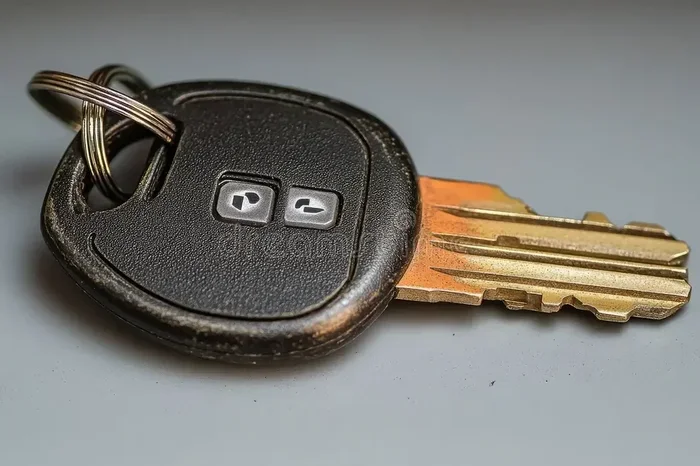
- Shiny blade edges: A healthy key has a matte metal finish. A worn key develops shiny, polished spots. These are areas where the metal has been rubbed away.
- Rounded or flat ridges: Run your finger along the key blade. The ridges should be sharp and distinct. If they feel smooth or flat, the key is worn.
- Difficulty turning the key: You may need to apply extra force to turn the ignition. The key might feel stiff or jammed.
- Intermittent starting: The car starts some times and not others. This often happens when the key is slightly worn and only aligns properly in certain positions.
- Key gets stuck: A worn key can jam inside the ignition cylinder. You might have to wiggle it violently to get it out.
- Steering wheel lock engagement: If the key cannot release the steering lock, the key may not be turning the cylinder fully.
Common Mistake: Forcing a Stuck Key
Many drivers push the key harder when it sticks. This puts uneven pressure on the already worn ridges. It can snap the key off inside the ignition. A broken key inside the cylinder is a much bigger problem. It requires a locksmith or a full cylinder replacement. Always stop if the key resists. Pull it out gently and inspect it.
Can a Worn Key Damage the Ignition Lock Cylinder?
The short answer is yes. A worn-out key does not just fail to start the car. It can also cause damage to the ignition lock cylinder itself. The cylinder is a precision part. It is designed to work with a key that has the correct cuts. When a worn key is inserted, the metal ridges grind against the cylinder walls. This creates metal shavings and debris. Over time, the debris builds up. It interferes with the wafers and the cylinder rotation.
The damage gets worse with continued use. The cylinder may start to feel loose. The key might turn with too much play. In severe cases, the cylinder lockups completely. Replacing an ignition lock cylinder is not cheap. The cost includes parts and labor. A locksmith or dealer will need to remove the steering column covers. They must program a new cylinder if your car has an anti-theft immobilizer. The best way to avoid this is to replace a worn-out key at the first sign of wear.
Worn Key vs. New Key: What Changes?
| Feature | Worn Key | New Key |
|---|---|---|
| Key blade ridges | Flat, shiny, rounded edges | Sharp, distinct grooves |
| Wafer alignment | Misaligned, intermittent contact | Precise, consistent lift |
| Starting reliability | Unpredictable, often fails | Reliable, smooth turn |
| Risk to ignition cylinder | High, causes debris and wear | Low, clean operation |
| Cost of replacement | Low for key, high if cylinder damaged | Low, prevents future repairs |
As you can see, a new key protects the entire ignition system. A worn-out key is a slow-moving threat. It damages the cylinder while it struggles to start the car. This is why proactive key replacement is so smart.
How to Fix a Car That Won’t Start Due to a Worn Key
If your car will not start and you suspect a worn key, there are several steps you can take. Start with the simplest fixes and move to professional help if needed.
- Try a spare key. If you have a spare, use it immediately. A spare key that is not worn will start the car. This confirms the problem is the key, not the ignition cylinder.
- Jiggle the key gently. While turning the key, apply slight wiggling pressure. This can temporarily align the worn ridges with the wafers. Do not force it. This is a temporary fix only.
- Check the key for damage. Look at the blade under good light. If it is shiny or bent, the key is the issue.
- Get a new key cut. Visit a locksmith or automotive store. They can duplicate your current key or cut a new one from your vehicle identification number (VIN). A fresh key restores proper wafer alignment.
- Reprogram a transponder key. If your car uses a transponder key or key fob, the new key must be programmed. A locksmith can handle this. The physical key cut and the electronic chip must both match.
- Replace the ignition cylinder. If the cylinder is already damaged, a new key alone will not fix it. A professional must replace the lock cylinder and reprogram the immobilizer.
Quick Tip: Keep a Spare Key in a Safe Place
Always have a spare key cut and stored somewhere safe. A spare key is your best friend when the primary key wears out. Many drivers lose their only key and face a costly emergency replacement. A spare key costs a fraction of the price.
Common Mistake: Using the Key as a Tool
Some people use their car key to open packages, scratch an itch, or pry things open. This is a fast way to wear down the key blade. The key is designed only to turn the ignition. Treat it gently. Keep it in your pocket or a key pouch. Avoid hanging heavy keychains on it. The extra weight puts stress on the key shaft and can cause metal fatigue.
Preventing Key Wear and Future No-Start Issues
Prevention is always easier and cheaper than repair. A few simple habits can extend the life of your worn-out key replacement and keep your ignition healthy.
- Insert the key gently. Do not slam the key into the ignition. Align it properly before pushing it in. Force is the enemy of both the key and the cylinder.
- Keep the key clean. Dirt and grime can work into the grooves. Wipe the key with a soft cloth regularly. A clean key slides in smoothly.
- Avoid heavy keychains. A keychain with many heavy items adds weight to the key. It puts constant stress on the key shaft when it hangs in the ignition. This can cause the key to bend or wear unevenly.
- Get a spare key early. Have a spare key made while your current key is still in good condition. You can use the spare for daily driving and keep the original as a backup.
- Store the key properly. Do not leave the key in hot places like a dashboard in summer. Heat can weaken the metal over time. Keep it in a cool, dry spot.
- Schedule key inspections. If your car is older, have a locksmith inspect the key and ignition cylinder every few years. They can spot wear before it becomes a no-start problem.
Expert Insight: The Hidden Cost of Ignoring Key Wear
Many drivers wait until the car will not start before they do anything. By then, the ignition lock cylinder may already be damaged. The repair cost jumps from a simple key replacement to a cylinder swap and reprogramming. A locksmith once told me, “A worn key is like a slow-motion wreck for your ignition cylinder. It happens gradually, but the damage adds up.” That advice stuck with me. I now replace my keys proactively every few years.
Final Thoughts
A worn-out key is a small problem that can cause big headaches. It can prevent your car from starting, damage the ignition cylinder, and leave you stranded. The good news is that it is easy to prevent and fix. Pay attention to the signs. Keep a spare key. Treat your key gently. If the key is worn, get it replaced before it causes more damage. Your ignition system will thank you. A little attention today saves a lot of trouble tomorrow. Do not wait for the moment when the key will not turn. Act now and keep your car starting reliably.
Remember, the key is the first link in the starting chain. A healthy key means a healthy ignition. It means smooth mornings and worry-free drives. Take care of your worn-out key and it will take care of your car.
Frequently Asked Questions
How do I know if my key is worn out?
Look for shiny spots on the blade, rounded ridges, or difficulty turning the key. If the car starts intermittently, the key may be the cause. A locksmith can inspect the key and cylinder for wear.
Can a worn key cause a car to stall while driving?
Yes, a severely worn key can cause stalling if the key shifts slightly while driving. The wafers may lose contact, cutting power to the engine. This is rare but possible, especially with older vehicles.
Is it safe to keep using a worn key?
It is not safe for long. A worn key can damage the ignition lock cylinder. The repair cost will be much higher than replacing the key. Get a new key as soon as you notice wear.
How much does it cost to replace a worn key?
A basic key duplicate costs $10 to $30. A transponder key or smart key replacement can cost $50 to $200. Ignition cylinder replacement ranges from $200 to $500, depending on the car model.
Can I fix a worn key myself?
You cannot repair a worn key. The metal is permanently reshaped. The only fix is to get a new key cut. A locksmith can make a fresh key from your current key or your VIN.
What should I do if my key breaks in the ignition?
Do not try to remove it with tweezers or pliers. You may push it deeper. Call a locksmith or tow your car to a repair shop. They have special tools to extract the broken key and replace the cylinder if needed.