Everything You Need to Know About 6v Battery for Toy Car
A 6v battery for toy car is the essential power source that keeps small ride-on toys running smoothly. Understanding how to choose, charge, and maintain this battery ensures your kid’s toy car delivers hours of fun. This guide covers everything from battery types and replacement to common mistakes that shorten battery life.
If your kid’s toy car has been slowing down or dying out way too fast, the problem might be the 6v battery for toy car. These small but mighty power packs are what make those little ride-on vehicles zoom around the driveway. And just like any battery, they need proper care to keep working well.
Whether you just bought a new toy car or you are trying to revive an old favorite, understanding how the 6v battery for toy car works will save you time, money, and frustration. In this guide, we walk through everything you need to know — from the different battery types to practical maintenance tips that actually make a difference.
Let us be honest. Most parents do not think about the battery until the toy stops working. But a little knowledge goes a long way. By the end of this article, you will know exactly how to pick the right battery, charge it safely, and make it last as long as possible.
Key Takeaways
- Know Your Battery: A 6v battery for toy car typically comes in sealed lead-acid or NiMH formats, each with distinct advantages.
- Proper Charging Matters: Using the wrong charger or overcharging can drastically reduce battery life and even cause safety issues.
- Maintenance Extends Life: Simple habits like storing the battery correctly and cleaning terminals can add years of use.
- Replacement Is Straightforward: Most toy car batteries are easy to swap out without professional help.
- Match Voltage Correctly: Always use a 6v battery unless the manufacturer specifies otherwise — using a 12v battery can damage the motor.
- Watch for Warning Signs: Slow speed, short runtime, and swelling are clear signs your battery needs attention.
📑 Table of Contents
What Is a 6v Battery for Toy Car?
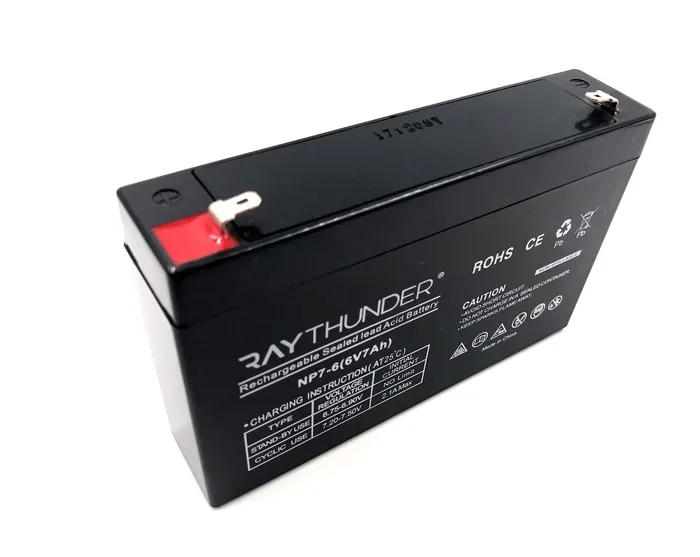
A 6v battery for toy car is a small rechargeable battery that provides 6 volts of power to ride-on toy vehicles. These batteries are typically found in smaller electric toy cars designed for toddlers and young children. They are compact, lightweight, and built for low-speed, short-duration play sessions.
Most toy cars use one of two main battery types:
- Sealed Lead-Acid (SLA): These are the most common. They are affordable, reliable, and hold up well to regular use. However, they are heavier than other options.
- Nickel-Metal Hydride (NiMH): These are lighter and more environmentally friendly. They also tend to have a longer lifespan, but they cost a bit more upfront.
Both types work well for toy cars. The key difference is in weight, cost, and how long they last. If you are replacing a battery, always check the voltage requirement on the toy’s manual or the old battery label. Using the wrong voltage can damage the toy car motor or other electrical parts.
How Does the Battery Connect to the Toy Car?
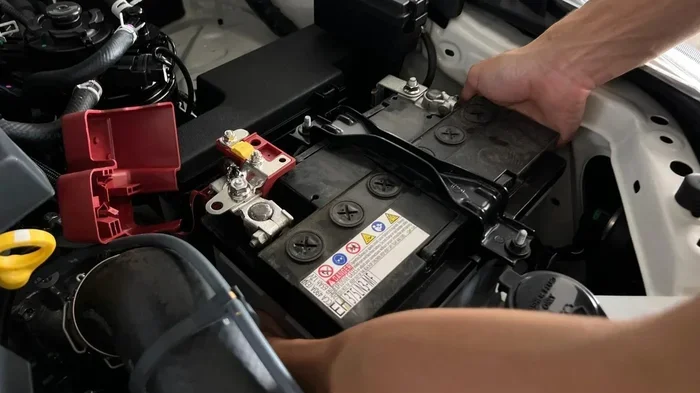
The 6v battery for toy car usually sits in a compartment under the seat or behind the hood. It connects to the car’s electrical system through a set of wires and a connector plug. The battery terminal is where the positive and negative wires attach. Keeping these terminals clean ensures a strong connection and prevents power loss.
If you notice your toy car is not running as smoothly as it used to, a loose or corroded connection could be the culprit. A quick check of the battery connector and terminals can often solve the problem without any replacement at all.
Types of 6v Batteries for Toy Cars
Not all 6v batteries for toy car units are the same. Knowing the differences helps you make a smart buying decision. Here is a closer look at the most common types you will encounter.
Sealed Lead-Acid (SLA) Batteries
SLA batteries are the workhorses of the toy car world. They have been used for decades and remain popular because they are cheap and widely available. These batteries use a lead-acid chemistry that is sealed inside a plastic case, which means you do not need to add water or perform regular maintenance.
Here are some key traits of SLA batteries:
- Typical capacity ranges from 4.5Ah to 7Ah
- They weigh more than NiMH alternatives
- They cost between $15 and $30 for most toy car models
- They last roughly 1 to 3 years with proper care
- They are tolerant of overcharging to a degree
One thing to watch out for is battery drain. If a toy car sits unused for weeks, an SLA battery can lose its charge and eventually fail. Storing the battery at full charge during off-seasons helps prevent this.
Nickel-Metal Hydride (NiMH) Batteries
NiMH batteries are a newer option that offers several advantages over traditional SLA units. They are lighter, which means better performance and longer playtime on a single charge. They also have a higher energy density, so they pack more power into a smaller footprint.
Benefits of NiMH batteries include:
- Lighter weight for improved toy car speed and handling
- Higher cycle life — often 500 to 1000 charge cycles
- More environmentally friendly — less toxic material
- Better performance in cold weather
- No memory effect, so partial charges are fine
The downside is cost. NiMH 6v batteries for toy car models can run $25 to $50 depending on capacity. But if you want the best performance and longevity, they are worth the investment.
Lithium-Ion (Li-ion) Options
Some higher-end toy cars now use lithium-ion batteries. These are the lightest and most powerful option available. They charge faster, last longer, and hold their charge better during storage. However, they are more expensive and require a compatible charger.
If you are buying a new toy car, consider whether a lithium-ion upgrade is worth the extra cost. For most casual play, a standard SLA or NiMH battery works perfectly fine.
How to Choose the Right 6v Battery
Picking the right 6v battery for toy car is simpler than you might think. You just need to match a few key specifications. Here is what to look for before you buy.
Check the Voltage
Always confirm the toy requires 6 volts. Some larger ride-on cars use 12v or even 24v batteries. Putting a 12v battery into a 6v toy car will overload the toy car motor and could cause permanent damage. Check the manual or the old battery label to be sure.
Match the Connector Type
Batteries come with different connector styles. The most common are faston tabs, Anderson connectors, and proprietary plugs. Make sure the replacement battery has the right connector to fit your toy car’s battery compartment. If it does not match, you may need to solder or use an adapter.
Consider Capacity (Ah Rating)
The capacity rating, measured in amp-hours (Ah), determines how long the battery lasts on a single charge. A higher Ah rating means longer playtime. Most toy car batteries range from 4.5Ah to 7Ah. If your child plays for long stretches, a 7Ah battery is a great choice.
Brand and Quality
Stick with reputable brands when buying a replacement 6v battery for toy car. Cheap off-brand batteries may seem like a deal, but they often have lower-quality cells that degrade quickly. A reliable battery from a trusted brand will perform better and last longer.
How to Maintain Your 6v Toy Car Battery
Proper maintenance is the single best way to extend the life of your 6v battery for toy car. A few simple habits can double or even triple the battery’s lifespan. Here is what you should do on a regular basis.
Charge After Every Use
One of the biggest mistakes parents make is letting the battery sit completely drained. Always recharge the battery after each play session. Even if the car still has some charge left, topping it off keeps the cells healthy and prevents deep discharge damage.
Set a charging routine. For example, every time the car comes back from the driveway, plug it in. This small habit makes a huge difference over months and years of use.
Do Not Overcharge
While modern smart chargers are designed to stop charging automatically, older or cheaper chargers may not. Leaving a battery on the charger for days can cause overheating and reduce capacity. Always unplug the charger once the indicator light shows the battery is full.
If you are unsure whether your charger has an auto-shutoff feature, set a timer. Most 6v toy car batteries take 8 to 12 hours to charge fully. Unplug after that window.
Store the Battery Properly
If the toy car will not be used for an extended period — say, over the winter — store the battery in a cool, dry place. Ideally, keep it at around 50% charge. Storing a fully charged battery for months can cause sulfation in SLA units, which reduces capacity.
Also, store the battery away from direct sunlight and heat sources. High temperatures accelerate chemical degradation inside the battery cells. A garage or closet at room temperature is the best storage spot.
Clean the Terminals Regularly
Over time, battery terminals can develop a white or greenish buildup called corrosion. This residue blocks the electrical connection and causes power loss. Clean the terminals with a mixture of baking soda and water, using a soft brush or cloth.
After cleaning, dry the terminals thoroughly before reconnecting. This simple step keeps the electrical connection strong and prevents intermittent power issues.
Inspect the Battery Case
Regularly check the battery case for cracks, swelling, or leaks. A damaged battery case is a safety hazard. If you notice any bulging or leaking fluid, remove the battery immediately and dispose of it properly at a recycling center. Do not continue using a damaged 6v battery for toy car. It poses a risk of short circuit or even fire.
When and How to Replace the Battery
Eventually, every 6v battery for toy car will need to be replaced. Knowing the signs of a dying battery helps you act before your child’s fun comes to a halt. Here are the most common indicators that replacement time has arrived.
Signs Your Battery Needs Replacing
- Short playtime: The car dies after only a few minutes of use, even after a full charge.
- Slow speed: The toy car moves much slower than it used to, even on a full charge.
- Swelling: The battery case looks puffy or bloated. This is a serious safety concern.
- Failure to charge: The battery does not hold a charge at all, even after overnight charging.
- Strange smell: A rotten egg or chemical odor coming from the battery compartment.
If you notice any of these signs, it is time for a replacement. The good news is swapping out a 6v battery for toy car is one of the easiest repairs you can do at home.
Step-by-Step Battery Replacement
Follow these simple steps to replace the battery safely:
- Turn off the toy car and remove the key if applicable.
- Locate the battery compartment — usually under the seat or behind a panel on the hood.
- Disconnect the negative terminal first (usually the black wire) to prevent short circuits.
- Then disconnect the positive terminal (usually the red wire).
- Remove the old battery carefully and note its orientation for the new one.
- Place the new battery in the compartment, matching the positive and negative terminals.
- Connect the positive terminal first, then the negative.
- Close the compartment and test the car.
Always use a compatible replacement battery with the same voltage and connector type. If you are unsure, check the old battery label or the toy car manual for specifications. And never mix battery types — do not replace an SLA battery with a NiMH battery unless the toy is designed for both.
Common Mistakes to Avoid
Even well-meaning parents can make mistakes that shorten the life of a 6v battery for toy car. Here are the most common errors and how to avoid them.
- Using the wrong charger: Always use the charger that came with the toy or one specifically rated for 6v batteries. A 12v charger will destroy a 6v battery.
- Ignoring corrosion: Dirty terminals cause poor connections and reduced performance. Clean them regularly.
- Letting the battery drain completely: Deep discharge damages the internal cells. Recharge before the car stops running.
- Overcharging overnight: Set a timer and unplug after the recommended charging time.
- Storing in extreme temperatures: Both heat and cold degrade battery performance. Store at room temperature.
Avoiding these simple mistakes keeps your child’s toy car running strong season after season. And it saves you the hassle and cost of frequent replacements.
Expert Tips for Maximizing Battery Life
Want to get the most out of your 6v battery for toy car? Here are some expert-backed tips that go beyond the basics.
- Break in a new battery: Charge it fully and then let it run down completely. Repeat this cycle two or three times before regular use. This helps the cells reach full capacity.
- Do not run the car continuously for hours: Give the battery short breaks during extended play sessions. This prevents overheating and reduces stress on the cells.
- Check the toy car motor too: Sometimes slow performance is not the battery’s fault. A stuck or worn motor draws more power and drains the battery faster. If the battery is new but performance is poor, inspect the motor.
- Keep spare batteries on hand: If you use the toy car frequently, having a second 6v battery ready means no downtime. While one charges, the other keeps the fun going.
- Consider an electric car maintenance schedule: Just like a real car, a little regular care goes a long way. A quick weekly check of the battery, terminals, and connectors keeps everything in top shape.
These tips may seem small, but they add up. A well-maintained battery can last 3 to 5 years instead of burning out in a single season.
Where to Buy a Replacement 6v Battery
Replacement 6v batteries for toy car units are widely available. You can find them at most toy stores, hardware stores, and online retailers. Popular online marketplaces like Amazon and eBay carry a wide selection of compatible batteries at competitive prices.
When buying online, always double-check the voltage, capacity, and connector type. Reading customer reviews helps you identify reliable brands and avoid cheap knockoffs. If you are unsure about compatibility, many sellers offer customer support to help you find the right match.
For the best results, buy from a reputable retailer that specializes in toy car parts or battery replacement accessories. This ensures you get a genuine product that meets safety standards.
Conclusion
The 6v battery for toy car is a small component that makes a big difference. It powers the adventures, the races, and the countless hours of joy your child experiences with their favorite ride-on toy. Taking care of this battery — through proper charging, regular maintenance, and timely replacement — keeps the fun going for years.
Remember the basics: charge after every use, avoid overcharging, store properly, and clean the terminals. These simple steps protect your investment and keep your child’s toy car running at full speed. And when the time comes for a replacement, you will know exactly what to look for and how to do it safely.
A little attention goes a long way. Your child will not even notice the battery maintenance — they will just notice that their favorite electric car keeps zooming around the yard. And that is exactly what matters most.
Frequently Asked Questions
How long does a 6v battery for toy car last on a single charge?
Most 6v batteries for toy car units provide 1 to 3 hours of continuous play on a full charge. The actual runtime depends on the battery capacity, the weight of the child, and the terrain. Heavier riders and uneven surfaces drain the battery faster.
Can I use a 12v battery instead of a 6v battery in my toy car?
No. Using a 12v battery in a 6v toy car will overload the toy car motor and electrical components, which can cause permanent damage. Always match the battery voltage to the manufacturer’s specifications for safe and proper operation.
How do I know if my 6v toy car battery is dying?
Common signs include significantly shorter playtime, reduced speed, the car failing to start even after charging, and visible swelling of the battery case. If you notice any of these symptoms, it is time to consider a replacement battery.
Can I leave the 6v battery on the charger overnight?
It is not recommended. Even with an auto-shutoff charger, leaving a 6v battery for toy car on the charger for extended periods can cause overcharging, overheating, and reduced battery life. Unplug the charger after 8 to 12 hours or when the indicator shows the battery is full.
What is the best way to store a 6v toy car battery during the off-season?
Store the battery in a cool, dry place at around 50% charge. Avoid storing it in direct sunlight or in areas with extreme temperatures. Check the charge level every few months and top it off if it drops below 30% to prevent deep discharge damage.
How often should I replace my 6v toy car battery?
With proper maintenance, a 6v battery for toy car typically lasts 1 to 3 years for sealed lead-acid models and up to 5 years for NiMH or lithium-ion options. Replace the battery when you notice significant drops in performance, short runtime, or physical damage to the battery case.