Can Bad Spark Plugs Cause Overheating in Your Car Engine
Yes, bad spark plugs can absolutely cause your car engine to overheat. When spark plugs wear out or fail, they disrupt the combustion process, which leads to excess heat buildup inside the engine. Understanding the connection between spark plug health and engine temperature can save you from expensive repairs and keep your car running smoothly.
Your car engine runs on tiny explosions. Every time a spark plug fires, it ignites the air-fuel mixture inside the cylinder. That explosion pushes the piston down and creates the power that moves your car. It is a simple process, but it depends on everything working exactly right. When something goes wrong with a spark plug, the entire combustion cycle suffers. One of the biggest consequences? Engine overheating. Many drivers do not realize that bad spark plugs cause overheating until the damage is already done. This guide breaks down exactly how that happens, what signs to look for, and what you can do about it.
If you have ever noticed your temperature gauge climbing on a normal drive, the problem might not be your radiator or coolant. It could be your spark plugs. Can bad spark plugs cause overheating? The short answer is yes. The longer answer is that worn, fouled, or damaged spark plugs create a chain reaction inside your engine. That chain reaction leads to incomplete combustion, excess heat, and eventually, serious engine problems. Let us dive into the details so you can catch the issue early and fix it before it gets expensive.
Key Takeaways
- Bad spark plugs disrupt combustion: Worn or fouled spark plugs cause incomplete burning of fuel, which generates extra heat in the engine.
- Overheating signs are easy to spot: Watch for a rising temperature gauge, rough idling, and reduced fuel economy.
- Ignoring the problem makes it worse: Driving with bad spark plugs can lead to catalytic converter damage, engine misfires, and costly repairs.
- Regular maintenance prevents overheating: Simple spark plug checks and timely replacements go a long way in keeping your engine cool.
- Replacement is affordable and straightforward: Most spark plug replacements cost between $50 and $150, far less than engine repair bills.
- Not all spark plugs last the same: Copper, platinum, and iridium plugs have different lifespans, so check your owner’s manual.
📑 Table of Contents
What Spark Plugs Do and Why They Matter
The Ignition Process Explained
Every car engine has cylinders. Inside each cylinder, a spark plug creates a tiny electrical arc that ignites the compressed air and fuel mixture. This ignition pushes the piston down with controlled force. The piston connects to the crankshaft, which turns and powers your wheels. It all happens thousands of times per minute. For this process to work efficiently, the spark plug must fire at exactly the right moment with the right intensity.
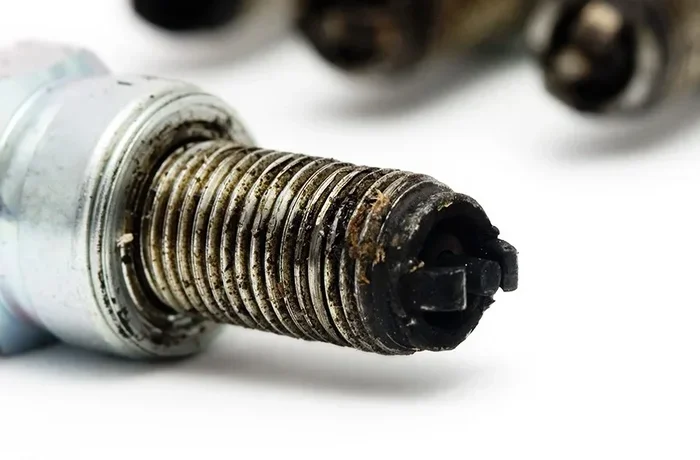
A healthy spark plug delivers a strong, consistent spark. But over time, spark plugs wear down. The electrode erodes. Carbon builds up on the tip. The gap between the electrodes widens. Each of these issues weakens the spark. A weak spark means the fuel does not burn completely. And incomplete combustion is where the overheating trouble begins.
How Spark Plugs Affect Engine Performance
Spark plugs are small parts, but they have an outsized impact on how your engine runs. When spark plugs are in good shape, your engine starts easily, idles smoothly, and accelerates without hesitation. When they go bad, you may notice rough idling, stalling, or hesitation when you press the gas pedal. These are early warning signs that your engine performance is suffering. Ignoring them can lead to bigger problems, including engine overheating.
Think of it this way. A spark plug is like a match in a fireplace. If the match is damp or broken, the wood does not catch properly. The fire burns unevenly and produces excess smoke. In your car, the “smoke” is unburned fuel and excess heat. Over time, that heat builds up and stresses every component in the engine bay.
Can Bad Spark Plugs Cause Overheating?
The Connection Between Spark Plugs and Engine Heat
The short answer to can bad spark plugs cause overheating is a firm yes. Here is how it works. When a spark plug fails to ignite the fuel-air mixture properly, that mixture does not burn completely. Unburned fuel enters the exhaust system and can damage the catalytic converter. But more importantly, the incomplete combustion releases extra heat into the combustion chamber. The engine was not designed to handle that extra heat.
Normal combustion produces a controlled amount of heat. The cooling system is built to handle that heat. But when spark plugs misfire, the combustion process becomes erratic. Hot spots develop inside the cylinders. Those hot spots can cause pre-ignition, which is when the fuel ignites before the spark plug fires. Pre-ignition creates even more heat and pressure. Left unchecked, it can warp pistons, crack cylinder heads, and blow head gaskets.
While issues like a car overheating on a hot day are common and often harmless, overheating caused by bad spark plugs is a different beast. It happens regardless of the weather. Whether it is freezing outside or blazing hot, faulty spark plugs will create the same heat problems inside your engine.
How Misfiring Sparks Lead to Heat Buildup
When a spark plug misfires, that cylinder does not fire properly. The fuel in that cylinder either does not ignite at all or ignites unevenly. Both scenarios cause problems. Unburned fuel washes past the piston and into the oil system, contaminating the engine oil. Uneven ignition sends excess heat into the exhaust manifold. Over time, this heat builds up and overwhelms the cooling system.
Here is a simple way to understand it. Imagine your car engine is a team of workers, and each spark plug is a worker doing their job. If one worker calls in sick, the rest of the team has to pick up the slack. They get tired, they make mistakes, and eventually the whole operation slows down or breaks. That is exactly what happens when a spark plug misfires. The other cylinders work harder, generate more heat, and push the engine temperature higher.
Also, keep in mind that electric cars overheat for completely different reasons since they do not use spark plugs at all. This issue is specific to internal combustion engines. If you drive a gas-powered or diesel vehicle, your spark plugs are critical to keeping your engine temperature in check.
Warning Signs That Your Spark Plugs Are Causing Problems
Physical Symptoms to Watch For
Your car will tell you when something is wrong. The trick is knowing what to listen for and what to look for. Here are the most common warning signs that your spark plugs may be causing overheating:
- Temperature gauge reading higher than normal: This is the most obvious sign. If your temperature needle is climbing into the red zone, do not ignore it.
- Rough or uneven idling: A healthy engine idles smoothly. If your car shakes or vibrates while sitting at a stoplight, your spark plugs may be misfiring.
- Reduced fuel economy: Bad spark plugs waste fuel because the combustion is incomplete. You may notice you are filling up more often.
- Difficulty starting the car: Worn spark plugs struggle to create a strong enough spark, especially in cold weather.
- Engine surging or hesitation: If your car jerks or surges when you accelerate, unburned fuel from misfiring cylinders could be the cause.
- Strange smells from the engine bay: Unburned fuel and overheating components can produce a sharp, acrid smell.
If you notice any of these symptoms, get your car checked as soon as possible. Ignoring them can lead to more serious issues. Just like a worn-out key can prevent a car from starting, bad spark plugs can cause a cascade of engine problems you do not want to deal with.
Dashboard Warning Lights and What They Mean
Modern cars are packed with sensors that monitor engine health. When something goes wrong, your dashboard will try to tell you. The check engine light is the most common warning. But there are other lights to watch for too. The temperature warning light, which looks like a thermometer, means your engine is running hot. The misfire indicator, often shaped like an engine with a wavy line, signals that one or more cylinders are not firing correctly.
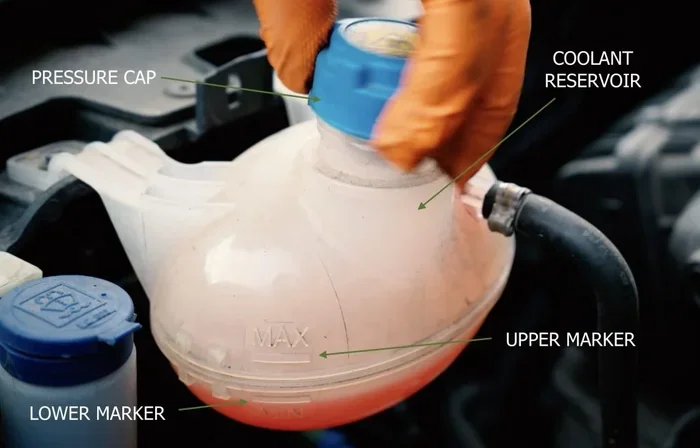
If you see any of these lights, do not panic. But do not ignore them either. Pull over safely and let the engine cool down. Then, check your coolant level and inspect your spark plugs if you are comfortable doing so. Sometimes the fix is as simple as replacing a spark plug. Other times, it may be a bigger issue that needs professional attention.
Can Bad Spark Plugs Cause Long-Term Engine Damage?
The Domino Effect of Ignoring Spark Plug Issues
The answer to this question is a resounding yes. When you let bad spark plugs go too long, the damage spreads. It starts small. A single misfiring cylinder produces a little extra heat. But that heat affects the surrounding components. The exhaust valves get hotter. The catalytic converter works harder. The engine oil breaks down faster because of the excess heat.
Over weeks and months, these small issues compound. The catalytic converter can clog or melt entirely, which is an expensive repair. The engine oil loses its lubricating properties, which increases friction and wear on internal parts. The head gasket can fail, allowing coolant to leak into the cylinders. All of this can happen because of a simple spark plug that was not replaced on time.
Think of it like brushing your teeth. Skipping one day is no big deal. But skip it for months, and you end up with cavities, root canals, and big dental bills. The same principle applies to your car. A little maintenance now saves you from major repairs later.
Comparing Repair Costs
Let us talk numbers because they matter. A set of spark plugs costs between $20 and $100, depending on your vehicle and the type of plug. Labor to replace them usually runs $50 to $150. So a full spark plug replacement might cost you $70 to $250 total.
Now compare that to the cost of ignoring the problem. A new catalytic converter can cost $500 to $2,500. A head gasket repair runs $1,000 to $2,000. A complete engine overhaul can cost $4,000 or more. The math is clear. Replacing spark plugs early is one of the cheapest and most effective maintenance tasks you can do.
Also, remember that driving with overheating issues can void your warranty in some cases. If your engine suffers damage because you ignored spark plug maintenance, you might be stuck paying for everything out of pocket. That is a risk no one should take.
How to Prevent Spark Plug-Related Overheating
Maintenance Tips for Healthy Spark Plugs
Prevention is always better than cure, and this is especially true for spark plugs. Here are practical steps you can take to keep your spark plugs in good shape and prevent overheating:
- Follow your owner’s manual: Every vehicle has a recommended spark plug replacement interval. It is usually between 30,000 and 100,000 miles depending on the plug type. Stick to the schedule.
- Inspect your spark plugs regularly: Every few months, pull out a spark plug and check it. Look for carbon buildup, oil fouling, or a widened gap. These are signs it is time for a replacement.
- Use the right spark plugs: Not all spark plugs are the same. Your car needs a specific type, heat range, and gap setting. Check your owner’s manual or ask your mechanic.
- Keep your cooling system in good shape: Spark plugs and the cooling system work together. If your radiator, water pump, or thermostat is failing, your engine will overheat regardless of your spark plug condition.
- Avoid short trips when possible: Short trips do not give your engine enough time to reach full operating temperature. This leads to carbon buildup on spark plugs and other components.
- Do not ignore warning signs: If your car is running rough, losing power, or using more fuel than usual, get it checked. Early intervention prevents bigger problems.
Just like you should not wash your car too much because it can strip protective coatings, you should also not neglect regular spark plug maintenance. Both under-maintenance and over-maintenance can cause problems. The key is finding the right balance.
Quick Tips for Car Owners
Here are some quick, easy tips you can follow right now to protect your engine:
- Keep a maintenance log: Write down when you last replaced your spark plugs. This helps you stay on track.
- Stock up on spare spark plugs: Keeping a set in your trunk means you can handle a roadside emergency.
- Use dielectric grease: A small amount on the spark plug boot prevents corrosion and makes future removal easier.
- Check for oil leaks: Oil leaking onto spark plugs causes fouling. If you see oil around the spark plug wells, get it fixed promptly.
- Drive gently during warm-up: Avoid revving the engine hard when it is cold. Let it warm up gradually to reduce stress on the spark plugs and other components.
When to Replace Your Spark Plugs
Signs Your Spark Plugs Need Replacement
Knowing when to replace your spark plugs is one of the most important skills a car owner can develop. Here are the clearest signs that it is time:
- Your owner’s manual recommends it: This is the most reliable guide. Follow the manufacturer’s replacement schedule to the letter.
- You have driven past the recommended interval: Even if your car seems fine, worn spark plugs reduce efficiency and increase the risk of overheating.
- You notice a rough idle or misfire: If the engine shakes at a stoplight or stumbles when accelerating, the spark plugs are likely the culprit.
- Your fuel economy has dropped: A sudden decrease in miles per gallon often points to incomplete combustion caused by bad spark plugs.
- You see visible damage: Cracked porcelain, melted electrodes, or heavy carbon buildup are all clear signs the plugs need to go.
Choosing the Right Spark Plugs
Not all spark plugs are created equal. There are three main types, and each has its own lifespan and performance characteristics:
- Copper spark plugs: These are the most common and affordable. They typically last about 30,000 miles. They provide a strong spark but wear out faster than other types.
- Platinum spark plugs: These last longer, usually around 60,000 miles. They have a platinum tip that resists wear and corrosion better than copper.
- Iridium spark plugs: These are the premium option. They can last 100,000 miles or more. They offer the best performance and durability, but they cost more upfront.
When choosing spark plugs, always match the type and specifications to your vehicle. Using the wrong spark plugs can cause misfires, poor fuel economy, and yes, engine overheating. When in doubt, consult your owner’s manual or ask a trusted mechanic for advice.
Conclusion
So, can bad spark plugs cause overheating? Absolutely. The connection between your spark plugs and engine temperature is real and direct. When spark plugs wear out, misfire, or foul up, they disrupt the combustion process. That disruption creates excess heat, which builds up and stresses your engine. Over time, it can cause serious and expensive damage.
The good news is that this is one of the most preventable problems in car ownership. Regular maintenance, timely replacements, and paying attention to warning signs can keep your engine cool and running strong. A simple spark plug check costs almost nothing but can save you hundreds or even thousands of dollars in repairs.
Take care of your spark plugs, and they will take care of your engine. Your car will start easier, run smoother, and last longer. That is a deal everyone can benefit from. Do not wait until the temperature gauge is in the red. Check your spark plugs today and keep your engine healthy for miles to come.
Frequently Asked Questions
Can bad spark plugs cause your car to overheat?
Yes, bad spark plugs can cause your car to overheat. When spark plugs misfire or fail, the combustion process becomes incomplete. This releases extra heat into the engine, which can overwhelm the cooling system and lead to overheating.
How do I know if my spark plugs are causing engine overheating?
Look for warning signs like a rising temperature gauge, rough idling, reduced fuel economy, and engine surging. If you notice these symptoms along with a check engine light, your spark plugs may be the cause. A visual inspection of the spark plugs can also reveal carbon buildup, oil fouling, or electrode damage.
How often should I replace my spark plugs to prevent overheating?
Replacement intervals vary by spark plug type and vehicle. Copper plugs typically last 30,000 miles, platinum plugs around 60,000 miles, and iridium plugs up to 100,000 miles. Always check your owner’s manual for the manufacturer’s recommended schedule and stick to it.
Can driving with bad spark plugs damage the engine?
Yes, driving with bad spark plugs can cause long-term engine damage. Unburned fuel can contaminate the oil, excess heat can warp pistons and crack cylinder heads, and misfires can damage the catalytic converter. The longer you drive with faulty spark plugs, the worse the damage becomes.
Is spark plug replacement expensive?
No, spark plug replacement is one of the most affordable maintenance tasks. A full set of spark plugs costs $20 to $100, and labor typically runs $50 to $150. Compare that to the cost of repairing engine damage caused by overheating, and the value is clear.
Can I replace spark plugs myself?
Yes, many car owners can replace spark plugs at home with basic tools. You need a spark plug socket, a ratchet, and a gap tool. However, if you are not comfortable working on your engine, a mechanic can do it quickly and affordably. Either way, staying on top of replacement is the most important step.