Here Is What to Do If Your Car Is Stuck in Anti-Theft Mode
Finding your car stuck in anti-theft mode is frustrating and stressful. This guide walks you through every step to reset your vehicle’s security system and get you back on the road. You will learn the common causes, quick fixes, and proven methods to deactivate anti-theft mode safely. Whether your key fob battery died or the system is acting up, we have practical solutions that work. Keep reading to discover exactly what to do when your car refuses to start due to its security system.
There are few moments more frustrating than turning your key or pressing the start button and hearing nothing happen. Your dashboard lights up, the radio stays silent, and the security light blinks angrily on the dash. Your car is stuck in anti-theft mode, and you have somewhere to be.
This happens more often than most drivers realize. Modern vehicles come packed with sophisticated security features designed to keep thieves away. But sometimes those same features turn against the owner. A dead key fob battery, a faulty transponder key, or even a random electrical glitch can lock your car out of its normal running state.
The good news is that you do not need to be a mechanic to fix this. Most of the time, a few simple steps will get your car running again. This guide covers everything you need to know. We will walk you through the causes, the fixes, and the prevention tips that keep anti-theft mode from ruining your day again.
Key Takeaways
- Know the signs: Flashing security lights and a car that won’t start are clear indicators of anti-theft mode activation.
- Try simple fixes first: A key fob battery swap or ignition cycle often resolves the issue in minutes.
- Check the fuse box: A blown fuse or loose connection can trigger the anti-theft system unexpectedly.
- Reset the ECU when needed: Sometimes the onboard computer needs a full reset to clear the security lockout.
- Call a professional if stuck: Persistent issues may point to a faulty transponder key or ignition lock cylinder.
- Prevention is key: Regular maintenance of your key fob and battery helps avoid future anti-theft mode lockouts.
📑 Table of Contents
Understanding Anti-Theft Mode
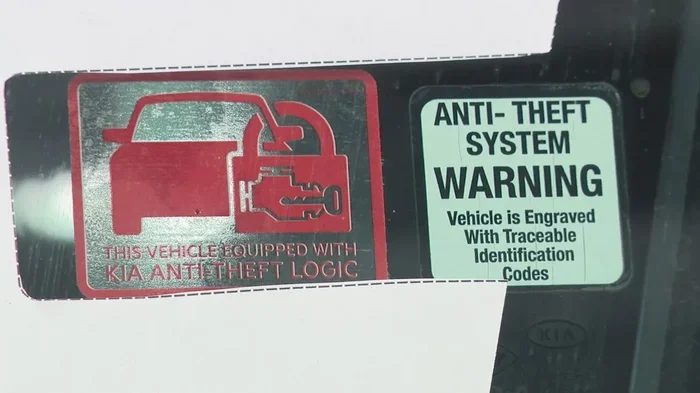
Anti-theft mode is a security feature built into your vehicle. It works alongside the immobilizer system to prevent unauthorized access. When activated, the system disables the engine, fuel injection, or ignition circuit. This makes it impossible for someone without the correct key to start the car.
How the System Works
Most modern cars use a transponder key or a smart key fob. These contain a small chip that communicates with the onboard computer. When you turn the ignition, the car checks the code. If the code matches, the engine starts. If it does not match, the anti-theft mode activates and blocks the engine.
The security light on the dashboard usually flashes when this mode is active. Some vehicles also lock the doors or disable the fuel pump. Understanding how this system works helps you troubleshoot faster. You will know whether the problem is with the key, the sensor, or the car’s computer.
The anti-lockout feature is designed to protect your vehicle. But when it activates incorrectly, it becomes a major inconvenience. Knowing the difference between a real security threat and a false alarm is the first step to solving the problem.
Common Signs Your Car Is Stuck in Anti-Theft Mode
Spotting the signs early saves you time and stress. The symptoms are usually obvious once you know what to look for. Here are the most common indicators that your car has entered anti-theft mode.
- Flashing security light: The key or lock icon on the dashboard blinks steadily. This is the most recognizable sign.
- Car won’t start: You turn the key or press the button, but the engine cranks without firing up.
- Dashboard warning message: Some vehicles display a text warning about the security system.
- Locking and unlocking issues: The doors may lock and unlock randomly or refuse to respond to the key fob.
- Engine cuts out after starting: The car starts briefly and then shuts down within seconds.
- Key fob not recognized: The system fails to detect your key fob even when it is right next to the ignition.
Warning Lights to Watch For
The security indicator light is your best friend when diagnosing this problem. On most vehicles, it looks like a car with a key inside or a padlock icon. If this light stays on or flashes rapidly after you turn the ignition, the anti-theft system is engaged.
Do not ignore this light. Even if the car starts, a persistent security warning means something is wrong with the system. Addressing it early prevents more serious electrical problems down the road.
Top Reasons Why Your Car Gets Stuck in Anti-Theft Mode
Several factors can trigger the anti-theft system incorrectly. Understanding the root cause helps you choose the right fix. Here are the most common reasons your car might lock itself into security mode.
Dead Key Fob Battery
This is the number one cause of false anti-theft mode activation. When the key fob battery dies, it cannot send the correct signal to the car’s receiver. The system does not recognize the key and locks the engine out.
Replacing the battery is usually quick and easy. Most key fobs use a small CR2025 or CR2032 coin cell battery. Keep a spare battery in your glove box so you are always prepared.
Faulty Transponder Key
The transponder chip inside your key can wear out or become damaged. Water damage, impact, or simply old age can cause the chip to fail. When the chip stops working, the car’s immobilizer does not recognize the key and activates anti-theft mode.
If you recently had your key replaced or reprogrammed, the new key may not be properly paired with the car’s system. This is a common issue after key replacement.
Electrical Glitches and Wiring Issues
Loose connections, corroded wiring, or a blown fuse can disrupt communication between the key fob and the car’s computer. The security system interprets this disruption as a threat and activates the lockout.
Check the wiring harness under the steering column if you suspect an electrical issue. Corrosion on the battery terminals can also cause intermittent security system problems. A simple cleaning of the battery terminals might solve the issue.
Faulty Door Lock Actuator
The door lock actuator sends signals to the car’s computer about whether the doors are locked. If an actuator fails, it can send incorrect signals that trigger the anti-theft system. This is a less common cause but worth checking if other fixes do not work.
Ignition Switch Problems
A worn-out ignition switch can fail to read the transponder key correctly. Over time, the internal contacts of the ignition switch degrade. This leads to intermittent or permanent anti-theft mode activation.
If you notice stiffness or roughness when turning the key, the ignition switch may be failing. Replacing it early prevents both lockout issues and potential safety hazards.
Step-by-Step Fixes to Get Your Car Running Again
Now that you understand the causes, let us get into the solutions. Try these fixes in order, starting with the simplest methods. Most of the time, you will solve the problem within minutes.
Method 1: The Key Fob Battery Reset
Start with the easiest fix. Replace the battery in your key fob. Open the fob using a small flathead screwdriver or by pressing the release button. Swap the old battery for a new one of the same type.
After replacing the battery, hold the fob close to the start button or ignition cylinder. Press the start button and see if the car recognizes the key. This fixes the problem in the majority of cases.
Quick Tip: If you do not have a spare battery on hand, try holding the key fob directly against the start button. On many vehicles, this creates a backup reading that bypasses the weak battery signal.
Method 2: The Ignition Cycle Trick
This method works well when the transponder key is not being read correctly. Follow these steps:
- Insert the key into the ignition cylinder.
- Turn the key to the “On” position without starting the engine.
- Wait for about 10 to 15 minutes.
- Check the security light on the dashboard.
- Once the light stops flashing, turn the key back to “Off.”
- Wait 30 seconds and try starting the car again.
This cycle allows the onboard computer to relearn the key’s signal. It is one of the most effective DIY fixes for anti-theft mode lockouts.
Method 3: The Fuse Box Reset
Sometimes a simple electrical reset clears the security lockout. Locate your fuse box, which is usually under the dashboard on the driver’s side or in the engine bay.
Find the fuse labeled “security,” “immobilizer,” or “ECM.” Pull it out carefully using a fuse puller or a pair of needle-nose pliers. Wait about 30 seconds, then reinsert the fuse. This resets the car’s computer and often clears the anti-theft mode.
Check the fuse for signs of damage or burning. Replace it with a new fuse of the same amperage if it looks blown. A blown fuse is a common hidden cause of security system errors.
Method 4: The ECU Reset
If the simpler methods do not work, you may need to reset the engine control unit. The ECU controls many functions in your car, including the security system. Resetting it clears error codes and resets the anti-theft lockout.
To perform an ECU reset, disconnect the negative battery terminal. Wait at least 15 minutes. Reconnect the terminal and turn the ignition to the “On” position. Wait for the dashboard lights to cycle through their normal startup sequence. Then try starting the car.
Keep in mind that an ECU reset may also erase radio presets and other personalized settings. Make sure you have your radio code handy before attempting this fix.
Comparison of Fix Methods
| Method | Difficulty | Cost | Time | Best For |
|---|---|---|---|---|
| Key Fob Battery Reset | Easy | Free to $5 | 2 minutes | Dead key fob battery |
| Ignition Cycle Trick | Easy | Free | 15 minutes | Transponder key reading error |
| Fuse Box Reset | Medium | $5 to $10 | 15 minutes | Electrical glitch or blown fuse |
| ECU Reset | Medium | Free | 20 minutes | Computer error or persistent lockout |
| Professional Diagnosis | Varies | $100 to $300 | Varies | Wiring, actuator, or ignition switch failure |
Start with the methods at the top of the table and work your way down. Most car owners resolve the issue with the first two methods alone.
When to Call a Professional Mechanic
Not every anti-theft mode problem can be solved with a DIY fix. If you have tried all the methods above and the security light still flashes, it is time to seek professional help.
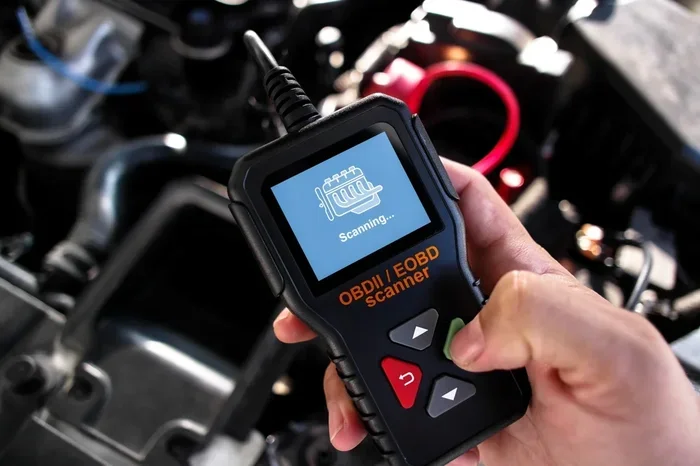
A certified mechanic has specialized diagnostic tools that can read the error codes stored in your car’s computer. These tools pinpoint the exact component that has failed. Without them, you are guessing, and guessing can lead to unnecessary part replacements and wasted money.
Expert Insights
Experienced automotive technicians recommend paying attention to when the problem started. Did it happen after a battery change? After a recent key replacement? After driving through heavy rain? These details help the mechanic narrow down the cause quickly.
Common professional repairs for persistent anti-theft mode issues include replacing the ignition lock cylinder, installing a new transponder key, or repairing the door lock actuator. These are straightforward fixes that a skilled mechanic handles routinely.
Do not delay professional help if the problem persists. Driving with the anti-theft system partially engaged can cause additional damage to the electrical system over time. It is always better to address the issue fully the first time.
How to Prevent Anti-Theft Mode from Activating Again
Once you have resolved the issue, you want to make sure it does not happen again. Prevention is simple and saves you from the stress of dealing with a car that will not start.
Quick Tips
- Replace your key fob battery every 1 to 2 years: Do not wait until it dies completely.
- Keep a spare key fob in a safe place: A backup saves you from being stranded.
- Avoid exposing your key fob to water or extreme heat: Moisture and heat damage the internal electronics.
- Check your battery terminals regularly: Clean corrosion with a baking soda and water mixture.
- Have your ignition switch inspected during routine maintenance: Early detection prevents unexpected failures.
Common Mistakes to Avoid
Many drivers make avoidable mistakes that trigger anti-theft mode. One common error is using a duplicate key that has not been properly programmed. Always get replacement keys programmed by a qualified locksmith or dealer.
Another mistake is ignoring the security warning light. Some drivers see the flashing light and assume it will go away on its own. It rarely does. Addressing the warning early prevents the problem from escalating into a full lockout.
Do not attempt to bypass the anti-theft system with aftermarket devices unless you fully understand the risks. Improper bypass methods can damage the wiring harness and void your vehicle warranty. Stick to the manufacturer-recommended solutions.
Conclusion
A car stuck in anti-theft mode is a solvable problem. In most cases, the fix is quick, free, and something you can do yourself. Start with the simplest solutions like replacing the key fob battery or trying the ignition cycle trick. These methods resolve the issue for the majority of drivers.
If the problem persists, move on to the fuse box reset or ECU reset. These slightly more advanced methods handle deeper electrical issues. And when all else fails, a professional mechanic with the right diagnostic tools can pinpoint and fix the problem fast.
Prevention is your best long-term strategy. Keep your key fob battery fresh, maintain your battery terminals, and address warning lights promptly. These small habits keep the anti-theft system working as intended without causing unexpected lockouts.
Now you have the knowledge and tools to handle anti-theft mode confidently. The next time your car locks you out, you will know exactly what to do. Stay calm, follow the steps, and you will be back on the road in no time.
Frequently Asked Questions
How long does anti-theft mode last on a car?
Anti-theft mode typically stays active until the underlying issue is resolved. In most cases, the system releases after you complete a reset cycle or replace the key fob battery. Persistent issues may require a professional diagnostic scan to clear the lockout completely.
Can a dead car battery trigger anti-theft mode?
Yes, a dead or weak car battery can cause the anti-theft system to activate. When the voltage drops, the onboard computer may lose its memory of the key’s transponder code. Replacing the battery and resetting the system usually resolves this issue quickly.
How much does it cost to fix a car stuck in anti-theft mode?
The cost depends on the cause. A key fob battery replacement costs under $10. A fuse reset is free. However, if the problem requires a new transponder key, the cost ranges from $50 to $200. Professional diagnostics typically cost between $100 and $300.
Is it safe to drive with anti-theft mode activated?
No, it is not safe. Anti-theft mode disables the engine or fuel system, which can cause the car to stall unexpectedly while driving. If your security light comes on while you are on the road, pull over safely and attempt the ignition cycle reset before continuing.
Can water damage cause anti-theft mode to activate?
Yes, water damage to the key fob or the ignition lock cylinder can trigger the anti-theft system. Moisture can short out the transponder chip or corrode the wiring harness. If your car has been exposed to heavy water, inspect both the key fob and the electrical connections before attempting to start the vehicle.
Do all cars have anti-theft mode?
Most modern vehicles manufactured after the mid-1990s include some form of anti-theft technology. This includes immobilizer systems, transponder keys, and smart key fobs. Older vehicles may not have electronic anti-theft systems but may still use mechanical steering wheel locks as a security measure.