Are Toyota 86 Reliable Cars Worth Your Hard Earned Money
The Toyota 86 reliable reputation holds up well over time, with owners praising its sporty handling and fun driving experience. While it has a few known issues like any car, proper maintenance keeps it running strong for years. Overall, this rear wheel drive sports car delivers solid value for enthusiasts who want an affordable thrill.
Key Takeaways
- Solid Reliability: The Toyota 86 has a strong track record for dependability, especially with regular maintenance.
- Affordable Maintenance: Compared to other sports cars, the Toyota 86 maintenance cost is quite reasonable.
- Common Issues Exist: Some owners report problems with the clutch, suspension, and electrical components over time.
- Great Daily Driver: Despite being a sports car, the Toyota 86 is comfortable enough for everyday use.
- Good Resale Value: Toyota 86 depreciation is slower than many competitors, making it a smart used car buy.
- Fun Factor: The boxer engine and rear wheel drive setup make every drive enjoyable and engaging.
- Worth the Money: For enthusiasts on a budget, the Toyota 86 offers reliability and fun in one package.
📑 Table of Contents
- What Is the Toyota 86 and Why Does Reliability Matter?
- Common Toyota 86 Problems You Should Know About
- Toyota 86 Maintenance Costs and Ownership Expenses
- Toyota 86 Engine, Performance, and Daily Driving
- Toyota 86 vs Competitors: Which Sports Car Is More Reliable?
- Final Verdict: Is the Toyota 86 Worth Your Money?
What Is the Toyota 86 and Why Does Reliability Matter?
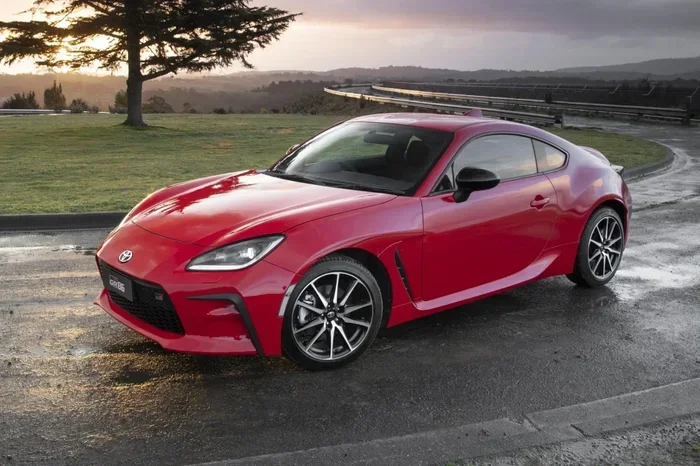
The Toyota 86 is a sporty, lightweight car built for driving enthusiasts who love the open road. It first hit the market in 2012 and quickly gained a loyal fan base. The car goes by different names in different markets. In some regions, you will find it labeled as the Subaru BRZ or the Toyota GT 86. But no matter what you call it, the core experience stays the same: pure, unfiltered driving joy.
So why does reliability matter so much with this car? Well, buying any sports car is a big decision. You are investing your hard earned cash into something you want to enjoy for years. A Toyota 86 reliable car means fewer surprises at the mechanic and more time on the road. When you research Toyota 86 reliability, you are really asking one question: will this car stick around and keep running without draining your wallet?
The good news is that Toyota has built a reputation for making cars that last. The 86 carries that legacy forward. It uses a boxer engine design, which is known for being low to the ground and stable. This layout helps with handling and gives the car its unique character. When you combine that with Toyota’s proven engineering, you get a car that is built to be Toyota 86 reliable for the long haul.
Many buyers also look at the Toyota 86 vs Subaru BRZ comparison before making a choice. Both cars share the same platform and engine, so their reliability is very similar. The differences come down to styling, branding, and small tweaks in suspension tuning. Either way, both cars offer a fun and dependable driving experience.
If you are in the market for a used sports car, the Toyota 86 is one of the best options out there. It has Toyota 86 depreciation that is slower than many rival models, which means you lose less money over time. That is a huge win for anyone watching their budget.
Common Toyota 86 Problems You Should Know About
No car is perfect, and the Toyota 86 is no exception. Before you buy one, it is smart to know what issues other owners have faced. Understanding Toyota 86 common issues helps you make a smarter purchase and avoid expensive surprises down the road.
Clutch and Transmission Concerns
The Toyota 86 comes with a manual transmission in most trims, and that is part of its charm. However, some owners have reported clutch wear earlier than expected. This is especially true for drivers who live in heavy traffic or like to push the car hard on weekends. The clutch can feel grabby at times, and replacing it is not cheap.
Here are a few tips to extend the life of your clutch:
- Avoid riding the clutch on hills or in stop and go traffic.
- Use the handbrake when parking on inclines instead of holding the car with the clutch.
- Shift gears smoothly and avoid half clutch situations whenever possible.
Suspension and Handling Issues
The Toyota 86 is a rear wheel drive sports car, and its suspension is tuned for sporty driving. Over time, some owners notice worn suspension components. Struts, bushings, and sway bar links can degrade, especially if you drive on rough roads frequently.
The good news is that these parts are relatively affordable compared to other sports cars. Regular inspections can catch wear early and save you from bigger repairs later. If you are buying a used model, always ask for a full suspension check before finalizing the deal.
Electrical Gremlins
Like many modern cars, the Toyota 86 can develop electrical quirks as it ages. Some owners have reported issues with the infotainment system, power windows, and sensor alerts. These problems are usually minor and easy to fix, but they can be annoying if they pop up frequently.
One thing to keep in mind is that older models may have simpler electrical systems, which can actually be a plus. If you are looking at a used Toyota 86, focus on models with clean electrical histories and full service records.
Oil Consumption
A small number of Toyota 86 owners have noticed higher than normal oil consumption. This is not a widespread problem, but it is worth keeping an eye on. Regular oil checks between changes can help you catch any issues early. Using the recommended oil grade also plays a big role in keeping the engine healthy.
Toyota 86 Maintenance Costs and Ownership Expenses
One of the biggest advantages of owning a Toyota 86 is the manageable Toyota 86 maintenance cost. Compared to German sports cars or high performance machines, keeping a Toyota 86 running smoothly costs significantly less. Let us break down what you can expect.
Routine Maintenance Schedule
Toyota recommends standard maintenance intervals for the 86. Here is a quick overview of what regular service looks like:
- Oil Change: Every 5,000 to 7,500 miles, depending on driving conditions.
- Tire Rotation: Every 5,000 to 7,500 miles to ensure even wear.
- Brake Inspection: Checked during every oil change.
- Air Filter Replacement: Every 15,000 to 30,000 miles.
- Spark Plugs: Replaced around 60,000 miles.
- Transmission Fluid: Changed every 60,000 miles.
Sticking to this schedule is one of the best ways to ensure long term Toyota 86 reliability. Skipping services can lead to bigger problems and higher bills later on.
Insurance and Fuel Costs
The Toyota 86 insurance cost is generally reasonable for a sports car. Insurance companies view Toyotas as low risk, which helps keep premiums lower. Of course, your personal driving record and location will also play a role in your final rate.
Fuel economy is another area where the Toyota 86 shines. It delivers decent mileage for a sports car, especially if you drive gently. The Toyota 86 fuel economy averages around 24 to 25 miles per gallon in combined driving. That is impressive for a car that feels so lively on the road.
If you are worried about Toyota 86 ownership cost, the numbers are quite encouraging. Annual maintenance costs average lower than most competitors in the sports car segment. And because parts are widely available, repairs are usually straightforward and affordable.
Toyota 86 Engine, Performance, and Daily Driving
The heart of the Toyota 86 is its naturally aspirated boxer engine. This 2.0 liter flat four engine produces around 200 horsepower and 151 pound feet of torque. That might not sound like a lot compared to turbocharged rivals, but the Toyota 86 makes up for it with balance, responsiveness, and driver engagement.
The Toyota 86 performance is all about the driving experience. The car feels planted and predictable, even when you push it hard through corners. The low center of gravity, thanks to the boxer engine layout, gives the car excellent grip and stability. Every twist of the steering wheel feels connected and meaningful.
But can you use this car as a daily driver? Absolutely. The Toyota 86 is surprisingly comfortable for everyday use. The seats are supportive, the ride is firm but not harsh, and the cabin is surprisingly practical. You get enough cargo space for groceries or weekend luggage, which is more than you would expect from a sports car.
One thing to keep in mind is that the Toyota 86 has a push start button. If you are new to this feature, make sure you understand how it works properly. Holding the push start button the right way can prevent unnecessary wear on the starter system and ensure the engine starts smoothly every time.
When it comes to security, sports cars can be attractive targets for thieves. Consider investing in a good steering wheel lock for extra peace of mind. These simple devices are easy to install and remove, and they add a visible layer of protection that most thieves will think twice about bypassing.
Toyota 86 vs Competitors: Which Sports Car Is More Reliable?
The sports car market is crowded with options, and choosing the right one can be tough. Let us compare the Toyota 86 with a few popular rivals and see how it stacks up in terms of reliability and value.
Toyota 86 vs Mazda MX 5 Miata
The Mazda MX 5 Miata is the Toyota 86’s most natural rival. Both cars are lightweight, fun to drive, and affordable. The Miata has a slight edge in reliability ratings according to some consumer reports, but the Toyota 86 offers more power and a more modern interior. Both cars have low maintenance costs and strong resale values.
Toyota 86 vs Honda Civic Si
The Honda Civic Si is a front wheel drive sports sedan, while the Toyota 86 is a rear wheel drive coupe. The Civic Si is more practical and has better fuel economy, but the 86 delivers a more engaging driving experience. In terms of Toyota 86 reliability, both Honda and Toyota are excellent, so you really cannot go wrong with either choice.
Toyota 86 vs Dodge Challenger
The Dodge Challenger is a completely different animal. It is a muscle car with serious power and a more comfortable ride. However, Dodge Challengers tend to have higher maintenance costs and lower fuel economy. The Toyota 86 wins on running costs and reliability, while the Challenger wins on raw power and presence. It really comes down to what you value more.
Toyota 86 vs Subaru BRZ
As mentioned earlier, the Toyota 86 and Subaru BRZ are essentially twins. They share the same platform, engine, and transmission. The main differences are in exterior styling, interior design, and minor tuning tweaks. When it comes to Toyota 86 reliability versus BRZ reliability, the answer is essentially the same. Both are excellent choices for anyone seeking a fun and dependable sports car.
Quick Comparison Table
| Model | Horsepower | Fuel Economy (MPG) | Reliability Rating | Avg. Annual Maintenance Cost |
|---|---|---|---|---|
| Toyota 86 | 200 hp | 24-25 | Excellent | $400-$600 |
| Mazda MX 5 Miata | 181 hp | 26-29 | Excellent | $350-$550 |
| Honda Civic Si | 205 hp | 30-32 | Very Good | $350-$500 |
| Dodge Challenger | 305+ hp | 18-22 | Good | $700-$1,000 |
| Subaru BRZ | 228 hp | 23-24 | Excellent | $400-$600 |
As you can see, the Toyota 86 holds its own against all competitors. Its combination of reliability, performance, and low ownership costs makes it one of the best values in the sports car world.
Final Verdict: Is the Toyota 86 Worth Your Money?
So, is the Toyota 86 a Toyota 86 reliable car that deserves a spot in your driveway? Based on our research and owner feedback, the answer is a strong yes.
The Toyota 86 delivers on almost every front. It is fun to drive, affordable to maintain, and dependable over the long term. The boxer engine provides a unique driving feel, and the rear wheel drive setup makes every outing an event. Whether you are cruising on the highway or carving through mountain roads, this car puts a smile on your face.
Yes, there are a few common issues to watch out for, like clutch wear and suspension components. But these are manageable and well within the expected cost range for a sports car. The Toyota 86 maintenance cost is reasonable, and the car holds its value better than many competitors.
If you are considering a used Toyota 86, do your homework. Check the service history, get a pre purchase inspection, and test drive the car thoroughly. A well maintained Toyota 86 can provide years of driving enjoyment and remain a Toyota 86 reliable companion on all your adventures.
For those who love the thrill of driving but do not want to break the bank, the Toyota 86 is hard to beat. It is a car that rewards you behind the wheel and treats you right when the check engine light stays off. If you have been on the fence about buying one, this is your sign to take the leap.
The bottom line is simple: the Toyota 86 is a Toyota 86 reliable sports car that offers genuine value, fun, and peace of mind. Your hard earned money will be well spent on this one.
Frequently Asked Questions
Is the Toyota 86 a reliable car for daily driving?
Yes, the Toyota 86 is a reliable car for daily driving. It has a comfortable ride, practical cabin space, and Toyota’s proven engineering. Regular maintenance keeps it running smoothly for years, making it one of the best sports cars for everyday use.
What are the most common Toyota 86 problems?
The most common issues include clutch wear, suspension component degradation, and occasional electrical quirks. These problems are not severe and are typically easy to fix. Staying on top of routine maintenance helps prevent most of these issues from becoming serious.
How much does it cost to maintain a Toyota 86?
The Toyota 86 maintenance cost is quite affordable compared to other sports cars. Annual maintenance typically ranges from $400 to $600, depending on driving habits and local labor rates. Routine services like oil changes and brake inspections are reasonably priced.
Is the Toyota 86 a good used car buy?
Absolutely. The Toyota 86 has slow depreciation, strong reliability, and fun driving dynamics. A used model with a clean service history can provide excellent value. Just make sure to get a pre purchase inspection before buying.
How does the Toyota 86 boxer engine contribute to reliability?
The boxer engine design is inherently balanced and low to the ground, which reduces stress on engine mounts and suspension components. This design has been proven over decades by Subaru and Toyota, contributing to the overall durability and reliability of the Toyota 86.
Does the Toyota 86 have good fuel economy for a sports car?
Yes, the Toyota 86 fuel economy is impressive for a sports car. It averages around 24 to 25 miles per gallon in combined driving. This makes it a practical choice for enthusiasts who do not want to spend a fortune at the gas pump.