How to Turn Off Service Engine Light to Pass Inspection
The service engine light can be a stressful sight before an inspection, but it is manageable with the right approach. This guide walks you through the exact steps to turn off the service engine light and understand why it appeared in the first place. You will learn about common triggers, diagnostic tools, and whether simply resetting the light is enough to pass your inspection safely.
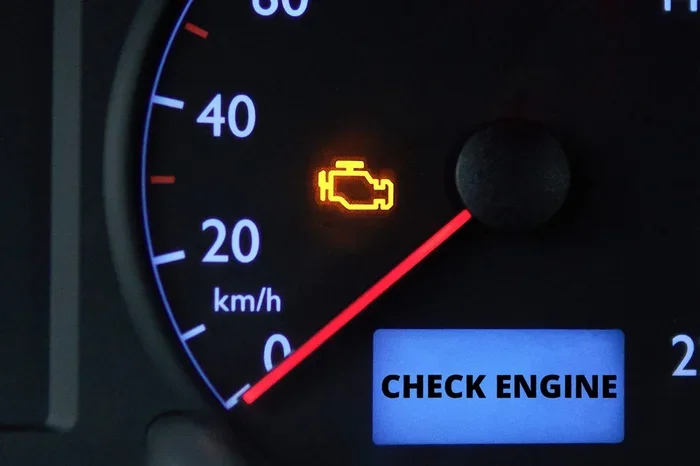
That little yellow or orange engine icon on your dashboard can send a wave of panic through any driver. You are about to go in for your vehicle inspection, and suddenly, the service engine light is staring back at you. What do you do? Can you just turn it off and hope for the best?
The truth is, the service engine light is your car’s way of telling you something needs attention. It is also known as the check engine light, and it is part of your vehicle’s onboard diagnostics system. This system monitors everything from your oxygen sensor to your catalytic converter. When something is off, it triggers a diagnostic trouble code and lights up your dashboard.
In this article, you will learn exactly how to turn off the service engine light to pass inspection. We will cover the reasons the light comes on, the tools you need, step-by-step solutions, and whether simply resetting the light is enough. By the end, you will feel confident and prepared for your inspection.
Key Takeaways
- Know the cause first: Always diagnose the real problem before trying to turn off the light.
- Use an OBD scanner: This tool reads diagnostic trouble codes and helps you address the root issue.
- A loose gas cap is a common culprit: Something as simple as tightening your fuel cap can trigger and resolve the warning.
- Turning off the light does not fix the problem: You must repair the underlying issue or the light will return.
- Passing inspection depends on the repair: Simply resetting the light may not help you pass if the fault is still present.
- Prevention saves time and money: Regular maintenance keeps your vehicle healthy and your dashboard warning-free.
📑 Table of Contents
- What the Service Engine Light Really Means
- Common Reasons the Service Engine Light Comes On
- How to Diagnose the Problem Before the Inspection
- Steps to Turn Off the Service Engine Light
- Can You Turn Off the Light and Still Pass Inspection?
- Preventing the Service Engine Light from Coming Back
- Expert Insights on Passing Inspection
- Key Takeaways
- Conclusion
What the Service Engine Light Really Means
The service engine light is not just a decoration on your dashboard. It is a critical part of your vehicle’s emissions system and overall health monitoring. When this light comes on, it means the engine control unit (ECU) has detected a problem that could affect performance, fuel economy, or emissions.
Many drivers ignore this light for weeks or even months. That is a mistake. A dashboard warning like this should never be taken lightly. Even if your car seems to drive fine, the underlying issue could be getting worse.
The Difference Between a Solid Light and a Flashing Light
It matters whether the light is solid or flashing. A solid service engine light usually means a less urgent issue. You should get it checked soon, but it is not an immediate emergency. A flashing light, on the other hand, signals a serious problem. It often means your catalytic converter is overheating or failing. If your light is flashing, pull over safely and get your vehicle towed to a repair shop.
Understanding this distinction is important when you are trying to figure out how to turn off the service engine light to pass inspection. The nature of the light tells you how urgent the repair is.
Common Reasons the Service Engine Light Comes On
Before you can fix the problem, you need to know what caused it. There are many reasons the check engine light might activate. Here are the most common ones:
- Loose or damaged gas cap: A loose fuel cap can let fuel vapors escape, triggering the emissions system warning. This is one of the simplest fixes.
- Faulty oxygen sensor: The oxygen sensor measures unburned oxygen in your exhaust. When it fails, your engine runs less efficiently.
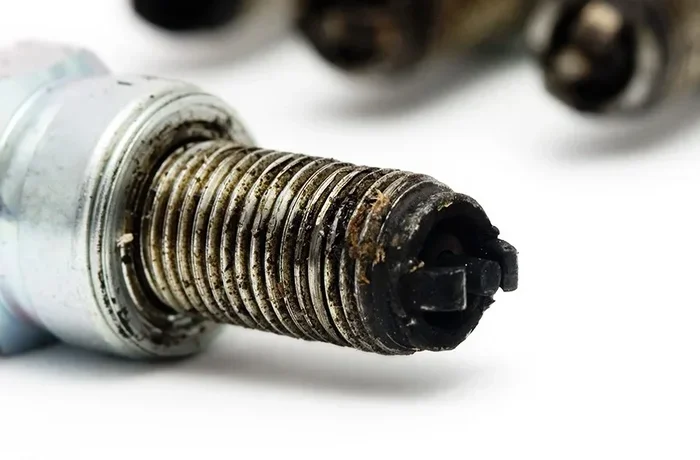
- Worn spark plugs or ignition coils: These components help ignite the fuel-air mixture. When they fail, your engine misfires, and the light comes on.
- Failing catalytic converter: This part reduces harmful emissions. A failing one will trigger the light and could cause your vehicle to fail inspection.
- Mass airflow sensor issues: This sensor measures the air entering your engine. A faulty reading can cause poor performance and trigger the warning.
- Vacuum leaks: Small leaks in the vacuum system can disrupt your engine’s air-fuel balance.
Each of these issues requires a different fix. That is why diagnosing the problem is the first step in learning how to turn off the service engine light to pass inspection.
How to Diagnose the Problem Before the Inspection
You cannot just guess what is wrong. You need to read the diagnostic trouble codes stored in your vehicle’s computer. This is where an OBD scanner comes in handy.
What Is an OBD Scanner?
An OBD scanner (On-Board Diagnostics scanner) is a device that plugs into your vehicle’s diagnostic port. This port is usually located under your steering column. Once connected, the scanner reads the engine codes that triggered the service engine light.
You can buy a basic OBD scanner for under $50 at most auto parts stores. Some scanners plug in wirelessly and connect to your phone through an app. They give you a clear description of the problem, not just a code number.
Step-by-Step Diagnosis
- Locate your vehicle’s diagnostic port under the steering column.
- Plug in the OBD scanner with the ignition turned on.
- Wait for the scanner to read the fault codes.
- Write down or photograph the codes for reference.
- Look up each code in your scanner’s database or online.
- Determine whether the issue is minor or needs professional repair.
Knowing the exact engine codes puts you in a much better position. You will know whether you can fix the issue yourself or need to visit a repair shop. This step is essential before you attempt to reset the check engine light.
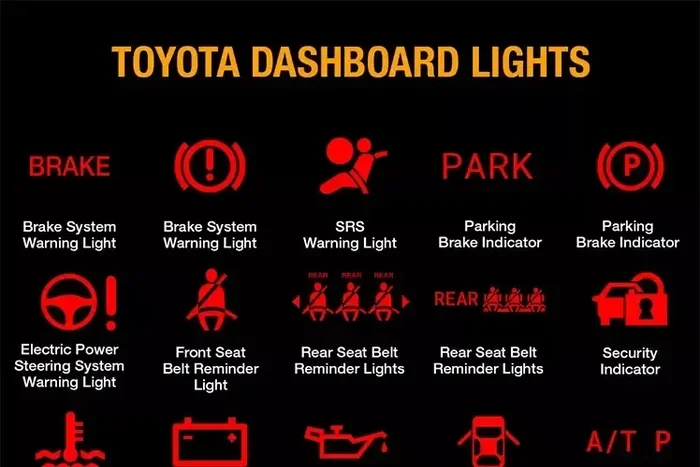
Also, keep in mind that some dashboard warning lights can be related to other systems. For example, if you have a VSC light on, that is a separate system but can sometimes overlap with engine issues. If you are wondering about other lights, you might find it helpful to read about whether you can pass emissions with a VSC light on. Understanding these connections helps you handle inspection day with confidence.
Steps to Turn Off the Service Engine Light
Once you have diagnosed the problem and made the necessary repair, you can turn off the service engine light. Here are the most common methods:
Method 1: Fix the Underlying Issue
This is the best and most reliable method. If a loose gas cap caused the light, simply tighten it until it clicks. Drive your vehicle for a few cycles, and the light should turn off on its own. If a faulty oxygen sensor caused the problem, replace the sensor. Once the repair is complete, the engine control unit will clear the code and turn off the light.
This method ensures the problem is truly resolved. It also means your vehicle has a better chance of passing inspection because the actual fault has been fixed.
Method 2: Use the OBD Scanner to Clear Codes
After repairing the issue, you can use your OBD scanner to manually clear the diagnostic trouble codes. Most scanners have a clear or reset function. Here is how it works:
- Plug the scanner back into the diagnostic port.
- Navigate to the clear codes option.
- Select the codes you want to erase.
- Confirm the reset.
- Turn off the ignition and wait a few minutes.
After clearing the codes, drive your vehicle for a few days. The service engine light should stay off if the repair was successful. If it comes back, the problem is not fully fixed.
Method 3: Disconnect the Battery
Some people choose to reset the check engine light by disconnecting the car battery. This method works by clearing the ECU’s memory. Here is how to do it:
- Turn off your vehicle and remove the key.
- Locate the negative battery terminal.
- Use a wrench to loosen the cable clamp.
- Remove the cable and wait at least 15 minutes.
- Reconnect the cable and tighten it securely.
- Start your vehicle and check if the light is off.
Keep in mind that disconnecting the battery can also reset other settings in your vehicle, like your radio presets and clock. Use this method only if you do not have access to an OBD scanner.
Method 4: Drive It Off
Sometimes the service engine light turns off on its own after you drive a certain number of miles. If the issue was minor, such as a temporary sensor glitch, the engine control unit may recognize that everything is normal and shut off the light automatically. This usually takes several driving cycles over a few days.
However, do not rely on this method if the underlying problem is still present. Your vehicle will likely fail inspection if the fault has not been properly repaired.
Can You Turn Off the Light and Still Pass Inspection?
This is the question most drivers want answered. The short answer is: it depends on the situation.
If you have genuinely repaired the problem and cleared the codes, your vehicle should pass inspection. The service engine light being off is one requirement, but inspectors also check for emissions levels and overall vehicle health. If the repair fixed the root cause, you should be fine.
However, if you simply turned off the light without fixing the problem, you are taking a risk. Many inspection stations use their own OBD scanners to check for fault codes. If codes are still present, your vehicle will fail inspection. Some stations also check the readiness monitors, which are tests the ECU runs to verify that all systems are working properly.
If you are dealing with other warning lights or vehicle issues, you might also want to check whether certain features can be turned off. For instance, if you are concerned about lane departure warning systems interfering with your focus, you can read about whether lane departure warning can be turned off to better understand your vehicle’s safety features.
What Inspectors Actually Check
Inspection stations typically check the following:
- Check engine light status: The light must be off during inspection.
- Readiness monitors: All monitors should be set to “ready.”
- Emissions test: Your vehicle must meet local emission standards.
- Visual inspection: Inspectors look at the exhaust system, fuel cap, and other visible components.
Understanding what inspectors look for helps you prepare properly. It also shows why simply turning off the light without making repairs is not a smart strategy.
Preventing the Service Engine Light from Coming Back
Once you have successfully turned off the service engine light, you do not want it to come back. Here are some tips to keep your vehicle healthy and your dashboard clear:
Perform Regular Maintenance
Follow your vehicle manufacturer’s recommended maintenance schedule. This includes regular oil changes, spark plug replacements, and air filter changes. Keeping up with maintenance prevents many of the issues that trigger the check engine light.
Check Your Gas Cap Regularly
Make it a habit to tighten your fuel cap every time you fill up. A loose gas cap is one of the most common reasons the service engine light comes on. It is a simple step that can save you a trip to the repair shop.
Address Warning Signs Early
Do not wait for the light to come on to pay attention to your vehicle. If you notice rough idling, poor fuel economy, or unusual sounds, get your vehicle checked right away. Catching problems early prevents them from becoming bigger and more expensive issues.
Use Quality Fuel and Parts
Using low-quality fuel or aftermarket parts can sometimes cause problems that trigger the service engine light. Stick with reputable fuel stations and OEM or high-quality replacement parts whenever possible.
If your vehicle has been giving you trouble and you are considering selling it, you might wonder about other options. For example, some people ask whether they can drive a totaled car to save money, but that is a risky move that could lead to bigger problems down the road. It is always better to address issues head-on.
Expert Insights on Passing Inspection
Experienced mechanics agree that the best way to turn off the service engine light and pass inspection is to fix the root cause. Resetting the light without repair is a temporary fix at best and can lead to bigger problems over time.
One mechanic shared that the most common mistake drivers make is ignoring a steady service engine light for too long. By the time they bring the vehicle in, the problem has worsened, and the repair costs are much higher. Another expert pointed out that a simple loose gas cap accounts for a surprising number of inspection failures each year.
Here are some expert tips to keep in mind:
- Do not panic: A steady light is usually not an emergency.
- Get a diagnosis first: Never reset the light without knowing what caused it.
- Allow time for repairs: Do not wait until the day before your inspection to address the light.
- Drive it out: After clearing codes, drive for several days to let the readiness monitors complete.
- Keep records: Save receipts and repair documentation in case the inspector asks questions.
If you are also dealing with other vehicle concerns, such as whether you can use certain cleaning products on your car, you might find it helpful to read about whether you can use Clorox wipes on your car interior. Taking good care of your vehicle inside and out helps it run better and last longer.
Key Takeaways
Learning how to turn off the service engine light to pass inspection is a valuable skill for any car owner. Here is a quick recap of what you should remember:
- Diagnose before you reset: Always use an OBD scanner to find the root cause.
- Repair the actual problem: Simply turning off the light without fixing the issue will not help you pass inspection.
- Common causes are often simple: A loose gas cap, worn spark plugs, or a faulty oxygen sensor are frequent culprits.
- Use the right reset method: Whether you use a scanner, disconnect the battery, or drive it off, make sure the repair is complete first.
- Prevention is key: Regular maintenance and prompt attention to warning signs keep your vehicle inspection-ready.
- Know what inspectors check: The light must be off, readiness monitors must be set, and emissions must be within limits.
The service engine light is your vehicle’s way of communicating with you. Listen to it, address the problem, and you will be well on your way to passing your inspection with confidence.
Conclusion
Dealing with the service engine light before an inspection can feel overwhelming, but it does not have to be. With the right knowledge and tools, you can diagnose the problem, make the necessary repair, and turn off the service engine light to pass inspection successfully. The key is to never skip the diagnosis step. Know what caused the light to come on, fix the issue properly, and then clear the codes using an OBD scanner or by driving your vehicle through a few cycles.
Remember, the check engine light exists to protect your vehicle and the environment. Treating it seriously not only helps you pass inspection but also keeps your car running smoothly for years to come. Take action early, stay on top of regular maintenance, and you will avoid the stress of a glowing warning light when it matters most.
If you have tried everything and the light keeps coming back, it may be time to visit a trusted repair shop. Sometimes engine codes point to complex issues that need professional attention. Do not hesitate to ask for help. A qualified mechanic can read the fault codes, explain what is wrong, and get your vehicle back on the road and inspection-ready.
Finally, keep in mind that every vehicle is different. The steps to reset the check engine light may vary slightly depending on your make, model, and year. Always refer to your owner’s manual for specific guidance. With patience and the right approach, you will conquer that service engine light and sail through your next inspection.
Frequently Asked Questions
Can I pass inspection with the service engine light on?
In most states, a lit service engine light will cause your vehicle to fail inspection. Inspectors use OBD scanners to check for fault codes, and an active light means there is an unresolved issue that needs to be repaired first.
How long after fixing the problem will the service engine light turn off?
It depends on the severity of the issue. For minor problems like a loose gas cap, the light may turn off after a few driving cycles, usually within a few days. For more serious repairs, you may need to manually clear the codes with an OBD scanner.
Will disconnecting the battery reset the service engine light?
Yes, disconnecting the battery can clear the ECU memory and turn off the light. However, this method does not fix the underlying problem, and the light will likely return if the issue has not been properly repaired.
What is the most common reason the service engine light comes on?
A loose or damaged gas cap is the most common trigger. It allows fuel vapors to escape, which disrupts the emissions system. Before assuming the worst, always check that your fuel cap is tightened properly.
Is it safe to drive with the service engine light on?
If the light is solid and not flashing, it is usually safe to drive for a short distance. However, you should get the vehicle diagnosed and repaired as soon as possible. A flashing light means you should stop driving and seek immediate assistance.
Can I use an OBD scanner to turn off the service engine light without fixing the problem?
You can clear the codes and turn off the light, but the problem will remain. The light will likely return once the ECU detects the same fault again. Always repair the root cause before clearing codes to ensure your vehicle passes inspection.