Can You Pass Emissions With VSC Light On Your Vehicle
Can You Pass Emissions With VSC Light On? The short answer is: it depends. Your VSC light is a warning that something is off with your vehicle’s stability system, and it can sometimes cause you to fail an emissions test. In this guide, you will learn exactly what the VSC light means, how it connects to your car’s emission inspection, and the steps you can take to fix the issue before your next vehicle inspection.
You are heading to your emissions test, and you glance at the dashboard. There it is. The VSC light is glowing on your dashboard warning lights. Your stomach drops a little. Can you still pass? The honest answer is: it depends on a few things. But do not panic just yet. Many drivers face this exact situation every day, and most of them find a way through.
The Vehicle Stability Control system is a smart safety feature. It helps you keep control on wet roads, sharp turns, and tricky driving conditions. But when that little light comes on, it tells you something needs attention. And here is the big question: does a VSC light on mean you will automatically fail your emission inspection? Not always. Let us break it all down so you know exactly what to expect and what to do.
This guide covers everything you need to know. We will look at what the VSC light means, how it connects to your car’s tailpipe emissions, the most common reasons it turns on, and the exact steps you can take to fix the problem. By the end, you will feel confident walking into your vehicle inspection no matter what your dashboard is telling you.
Key Takeaways
- VSC light on does not automatically fail your emissions test: in many cases, you can still pass if the underlying issue is minor.
- The VSC system is linked to other safety systems: problems with ABS sensors or wheel speed sensors can trigger both the VSC and check engine lights.
- Readiness monitors matter: if your vehicle’s emission readiness monitors are not set, you will likely fail regardless of the VSC light.
- Fix the root cause first: simply clearing the code without fixing the problem will not help you pass.
- State regulations vary: some states are stricter about dashboard warning lights during emissions testing.
- An OBD-II scan is your first step: it reveals the exact diagnostic trouble codes causing the VSC light.
- Professional help may be needed: complex issues like ABS module problems or fuel system faults often require a mechanic.
📑 Table of Contents
What Does the VSC Light Actually Mean?
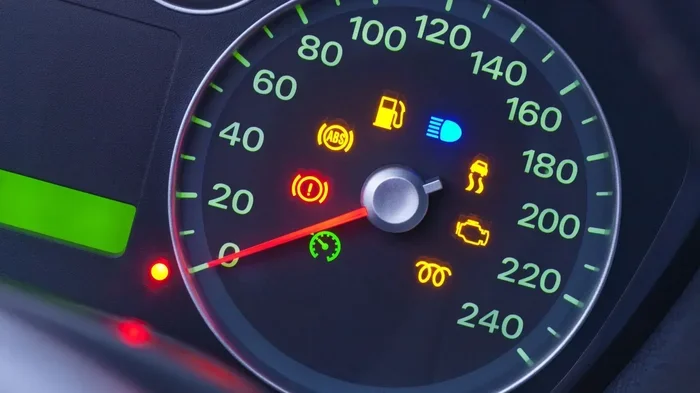
The VSC light stands for Vehicle Stability Control. It is part of your car’s safety system. When the light turns on, it means the computer has detected a problem with the stability or traction control system. The light can look different depending on your car. Some show a car with squiggly lines underneath. Others simply say VSC or TRAC.
How the VSC System Works
The VSC system uses sensors all around your car. It watches your speed, steering angle, and how each wheel is turning. If the car starts to slide or lose grip, the system kicks in. It slows down individual wheels and adjusts engine power. This helps you stay on track. The whole process happens in fractions of a second.
When a sensor gives bad data or a component fails, the system shuts itself off for safety. That is when the VSC light comes on. Your car will still drive, but you lose that extra layer of stability. And more importantly for our topic, the light can affect your emissions test results.
Why the VSC Light Turns On
There are many reasons the VSC light might appear. Some are simple. Others need a mechanic. Here are the most common causes:
- Faulty wheel speed sensors: these small sensors monitor how fast each wheel spins. When one fails, the VSC system gets confused.
- Low brake fluid: the VSC system relies on your brakes. Low fluid triggers the light.
- Worn brake pads: thin pads can send signals that something is wrong.
- ABS system problems: the VSC and ABS systems share components. A fault in one often affects the other.
- Faulty steering angle sensor: this sensor tracks your steering input. If it is off, the VSC system cannot work properly.
- Check engine light is also on: many drivers see both lights at the same time. This is a common combo that raises concerns about emissions testing.
How Does the VSC System Affect Your Emissions Test?
Here is where things get interesting. The VSC system and your car’s emission control systems are connected through the same computer. When the VSC light is on, it often means there is a diagnostic trouble code stored in your car’s memory. And those codes can directly impact your emission inspection.
The Connection Between Stability Control and Emissions
Your car’s OBD-II system (On-Board Diagnostics) monitors everything from the catalytic converter to the oxygen sensor. When a problem is found, it stores a code and often turns on a warning light. The VSC light is one of those warning lights. If the issue is related to the fuel system, ignition system, or EVAP system, it can directly affect your tailpipe emissions.
During an emissions test, the inspector connects an OBD-II scanner to your car. This tool reads all the stored codes. If the scanner finds an active code related to emissions, your car may fail. The VSC light itself is not an emissions code. But the root cause of the light often is.
What Happens During an Emissions Inspection
Here is what typically happens at an emission inspection station:
- The inspector hooks up an OBD-II scanner to read your car’s computer.
- The scanner checks the readiness monitors. These are tests your car runs to make sure all emission systems are working.
- If any readiness monitor is not ready, or if there is an active emissions-related code, your car may fail.
- The inspector also checks your dashboard warning lights. A glowing VSC light or check engine light can raise a red flag.
- Finally, your car may go on a smog test machine that measures tailpipe emissions directly.
The key takeaway is this: the VSC light alone does not always mean failure. But the problem causing the light might. That is why it is so important to understand what is behind the warning.
| VSC Light Status | Check Engine Light | Can You Pass Emissions? | Likelihood |
|---|---|---|---|
| On | Off | Usually yes, if no emissions codes | High |
| On | On | Depends on the stored codes | Medium |
| On | On | Emissions-related code present | Low |
| Off | Off | Yes, all systems normal | Very High |
| On | Off | Readiness monitors not ready | Low |
Common Reasons the VSC Light Comes On
Understanding why your VSC light is on helps you figure out if it will affect your emissions test. Let us look at the most common culprits in detail.
Faulty Wheel Speed Sensors
This is the number one reason the VSC light comes on. Each wheel has a wheel speed sensor that tells the computer how fast the wheel is spinning. When one sensor gets dirty, damaged, or wears out, it sends wrong data. The VSC system cannot do its job, and the light turns on.
Good news: a bad wheel speed sensor usually does not affect your tailpipe emissions directly. But it can trigger the check engine light, which does. If both lights are on, you need to get the codes read to know for sure.
Problems with the ABS System
The ABS system and the VSC system share many components. If your ABS module has a problem, the VSC light will likely come on too. ABS issues can range from a simple sensor failure to a more complex module problem.
Some ABS problems can indirectly affect emissions. For example, if the ABS system causes your brakes to drag, your wheels may not rotate properly during the emissions test. This can cause inaccurate readings on the smog test machine.
Low Brake Fluid or Worn Brake Pads
This one is simple but often overlooked. Low brake fluid can trigger the VSC light because the system relies on hydraulic pressure. If the fluid is low, the system detects a potential problem and shuts down.
Worn brake pads can also cause issues. Some cars have pad wear sensors that communicate with the VSC system. When pads are thin, the light comes on. Fixing this is usually quick and affordable, and it should not affect your emission inspection.
Steering Angle Sensor Calibration Issues
The steering angle sensor tells the VSC system where your wheels are pointed. After a steering wheel replacement or a battery disconnect, this sensor may need recalibration. If it is off, the VSC light turns on.
This type of issue rarely affects tailpipe emissions. But it can keep the check engine light on if the calibration error triggers a broader system fault code.
Can You Pass Emissions With VSC Light On?
Now for the question you have been waiting for. Can you pass emissions with VSC light on? The answer is not a simple yes or no. It depends on your state, the reason for the light, and what else is going on with your vehicle.
It Depends on Your State and Local Regulations
Every state has its own rules for emissions testing. Some states are very strict about any dashboard warning light being on. In California, for example, a glowing check engine light will almost always cause an automatic fail. Other states may be more lenient if the light is only for VSC and not for emissions.
Here are a few things to keep in mind about regional rules:
- California: any active check engine light means automatic failure. The VSC light alone may not fail you, but if it triggers the check engine light, you are in trouble.
- Texas: the emission inspection focuses on OBD-II codes and tailpipe results. A VSC light without an emissions code may not stop you.
- New York: inspectors check all warning lights. A VSC light could raise questions, even if it is not directly emissions-related.
- Other states: rules vary widely. Always check your local requirements before heading to the inspection station.
When the VSC Light Means Automatic Failure
There are certain situations where a VSC light on will almost certainly cause you to fail your emissions test:
- The check engine light is also on and the stored code is emissions-related. Codes P0420 (catalytic converter efficiency), P0171 (fuel system too lean), or P0401 (EVAP insufficient flow) will cause a fail.
- Your readiness monitors are not ready. During an OBD-II scan, if the inspector sees that your emission readiness monitors have not completed their self-tests, you will fail.
- The VSC light is caused by a major emissions component failure. For example, a failing oxygen sensor or a damaged catalytic converter can trigger both the VSC and check engine lights.
When You Might Still Pass
There are also situations where you can still pass even with the VSC light on:
- The VSC light is on due to a minor sensor issue that does not affect emissions. A dirty wheel speed sensor, for example, will trigger the VSC light but not an emissions code.
- The check engine light is off. If only the VSC light is glowing and no emissions codes are stored, many inspection stations will pass you.
- Your state does not check for non-emissions warning lights. Some inspection stations only look at OBD-II codes and tailpipe results.
Quick Tip: Before your inspection, use an OBD-II scanner to check for codes yourself. This gives you a head start and lets you fix any issues before you arrive.
How to Fix the VSC Light Before Your Emissions Test
So the VSC light is on and you need to pass your emission inspection. What do you do? Here is a step-by-step plan to get your car ready.
Step 1: Run a Diagnostic Check
The first thing you should do is pull the diagnostic trouble codes from your car’s computer. You can do this yourself with a cheap OBD-II scanner from any auto parts store. Or you can visit a mechanic who will hook up a professional scanner.
The codes will tell you exactly what is wrong. If the code is related to a wheel speed sensor or ABS sensor, you are in luck. These are usually not emissions-related. If the code points to the catalytic converter, oxygen sensor, or fuel system, you need to fix it before your inspection.
Step 2: Address the Root Cause
Do not just clear the code and hope for the best. That is a common mistake many drivers make. If you clear the code without fixing the problem, the light will come back on, and you will still fail.
Here are some common fixes based on the cause:
- Bad wheel speed sensor: replace the sensor. This usually costs between $100 and $250 per sensor.
- Low brake fluid: top off the fluid reservoir and check for leaks.
- Worn brake pads: replace the pads. This is a routine maintenance item.
- Faulty ABS module: this requires professional repair. Costs can range from $300 to over $1,000 depending on the vehicle.
- Steering angle sensor: recalibration is often needed after a battery disconnect or steering repair.
Step 3: Reset the System and Clear Codes
Once you have fixed the problem, clear the codes with your OBD-II scanner. Then drive your car for 50 to 100 miles. This gives the readiness monitors time to run their self-tests. If the monitors are all set, you are in good shape for your emissions test.
Expert Insight: Do not take your car to the inspection right after clearing codes. The monitors need time to complete. Driving on the highway for 20 to 30 minutes is a great way to kick-start the readiness process.
Expert Tips for a Successful Emissions Test
Even after you fix the VSC light, there are smart steps you can take to make sure your emissions test goes smoothly. These tips come from experienced mechanics and inspectors.
Prepare Your Vehicle the Night Before
Do a quick check the night before your inspection. Make sure your tire pressure is correct. Low tire pressure can affect the results of the smog test machine. Check your fluid levels, especially engine oil and coolant. A well-maintained engine runs cleaner and produces lower tailpipe emissions.
Also, make sure the gas cap is tight. A loose or damaged gas cap can trigger the check engine light and cause an EVAP system code. This is one of the easiest fixes and one of the most common reasons for a failed inspection.
Drive Smart on Test Day
On the day of your emission inspection, drive your car gently for at least 20 minutes beforehand. This warms up the engine and gets the readiness monitors active. Avoid aggressive acceleration or heavy braking right before the test.
If your car has been sitting for a few days, take it for a short drive first. A cold engine produces higher emissions and may not pass the smog test as easily.
When to Seek Professional Help
Some VSC issues are beyond a DIY fix. If the light is caused by a problem with the ABS module, traction control system, or a complex wiring issue, it is best to see a professional mechanic. Trying to guess and fix complex problems on your own can waste time and money.
A mechanic can also make sure your emission control systems are in top shape before the inspection. They can check the catalytic converter, oxygen sensor, and EVAP system to make sure everything is working correctly.
Common Mistakes to Avoid
Here are mistakes that can cost you a failed inspection:
- Ignoring the VSC light: even if it seems minor, it could be connected to an emissions problem.
- Clearing codes without fixing the issue: the light will come back, and you will know you have a problem.
- Skipping the readiness monitor check: if monitors are not ready, you will fail even if your tailpipe emissions are fine.
- Driving with a loose gas cap: this simple mistake triggers EVAP codes that can cause a fail.
- Not checking state-specific rules: every state has different requirements. Know yours before you go.
By avoiding these mistakes and following the steps in this guide, you give yourself the best chance of passing your emissions test even with the VSC light on.
Conclusion
So, can you pass emissions with VSC light on? The answer is yes, in many cases. But it is not guaranteed. The key is understanding why the light is on and fixing the root cause before your inspection. A simple sensor issue may not affect your emission inspection at all. But a problem tied to your fuel system, catalytic converter, or oxygen sensor can cause a failure.
Use an OBD-II scanner to read your codes. Know your state’s rules. Fix what needs fixing. And give your readiness monitors time to complete before test day. These steps put you in the best position to pass.
Remember, the VSC light is your car’s way of telling you something needs attention. Listen to it. Fix the problem. And you will not just pass your emissions test – you will also drive a safer, better-performing vehicle. Take action today, and you will walk into your inspection with confidence.
Frequently Asked Questions
Will a VSC light alone cause me to fail my emissions test?
In most cases, the VSC light by itself will not cause an automatic fail. The inspection focuses on emissions-related codes and readiness monitors. However, if your state checks all dashboard lights, a glowing VSC light could raise concerns. Always check your local inspection rules to be sure.
What is the difference between VSC and check engine light?
The VSC light relates to your vehicle’s stability and traction control system. The check engine light relates to the engine and emissions systems. They are connected through the same computer, so a problem in one system can trigger both lights. The check engine light is more directly tied to emissions testing outcomes.
Can I clear the VSC light and pass my emissions test?
You can clear the light with an OBD-II scanner, but if the underlying problem is not fixed, the light will return. More importantly, if the root cause is an emissions-related issue, clearing the code will not fix the actual problem. The inspector will see the code again once the readiness monitors detect the fault.
How long should I drive before an emissions test after fixing the VSC light?
Drive your car for at least 50 to 100 miles after clearing the codes. This gives the readiness monitors time to run their self-tests. If the monitors are not ready when the inspector connects the scanner, you will likely fail the test even if the repair was successful.
Does the VSC light affect the smog test machine readings?
The VSC light itself does not directly affect the smog machine readings. The smog test measures tailpipe emissions. However, if the VSC light is caused by a problem with the engine or fuel system, those problems can increase your tailpipe emissions and cause a fail on the smog test.
Is it safe to drive with the VSC light on?
Yes, it is generally safe to drive short distances with the VSC light on. Your car will still brake and steer normally. However, you do lose the stability and traction control features that help you in slippery conditions. It is best to get the issue diagnosed and repaired as soon as possible for safety reasons.