Can You Drive a Totaled Car and Still Get Away With It
Can you drive a totaled car? The short answer is yes in some cases, but it comes with serious risks and legal hurdles. A totaled vehicle means your insurance company has decided the repair costs exceed the car’s value. Before you even think about getting behind the wheel, you need to understand salvage titles, rebuilt title requirements, and the potential legal consequences of driving a damaged car on public roads.
You just got the call from your insurance adjuster. The words hit you like a truck. “Your car is a total loss.” Your mind immediately races to one question: can you drive a totaled car and just… keep going? It feels like something out of a movie. You sneak the car out of the impound lot, fix a few things, and drive off into the sunset. But real life is not a movie. And the consequences of trying to drive a damaged car on public roads can be severe. Let us break down everything you need to know about totaled vehicles, the law, and what your real options are.
When a car gets badly damaged in an accident, the insurance claim process kicks in. The insurer sends an insurance adjuster to evaluate the car damage assessment. If the cost to repair the vehicle goes beyond a certain percentage of its value, the car gets branded as a total loss vehicle. At that point, most people assume the car is dead in the water. But is it really? Can you still get behind the wheel? The answer depends on your state laws, your insurance policy, and what you plan to do with the vehicle. Let us walk through it step by step.
Key Takeaways
- Definition of a Totaled Car: A vehicle is totaled when repair costs exceed its actual cash value, typically at a total loss threshold set by your state.
- Legal Status Matters: Driving a totaled car without proper title status and inspections can lead to fines, license suspension, or worse.
- Salvage and Rebuilt Titles: You can legally drive a totaled car again only after it receives a rebuilt title and passes a safety inspection.
- Insurance Complications: Insuring a total loss vehicle is difficult and expensive, and most standard policies will not cover it.
- Financial Risks: Even if you can drive it, a totaled car may have hidden damage that makes it unsafe or worthless in the long run.
- Alternatives Exist: Selling to a salvage yard, keeping parts, or negotiating with your insurer are often smarter options than trying to drive it.
📑 Table of Contents
- What Does It Mean When a Car Is Totaled?
- Can You Legally Drive a Totaled Car?
- What Happens If You Drive a Totaled Car Illegally?
- How to Legally Drive a Totaled Car Again
- Hidden Dangers of Driving a Totaled Car
- Better Alternatives to Driving a Totaled Car
- Expert Insights on Totaled Vehicles
- Key Takeaways
- Conclusion
What Does It Mean When a Car Is Totaled?
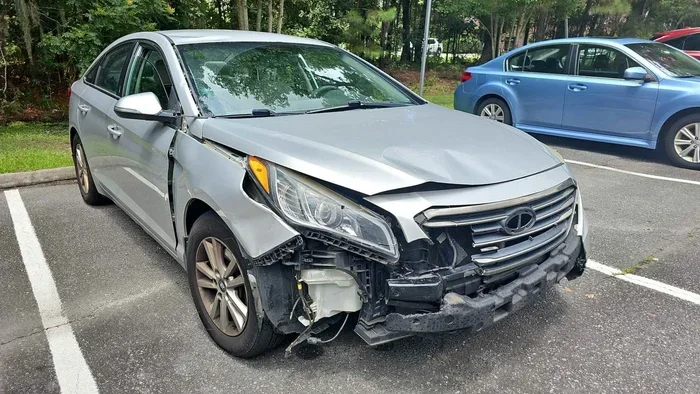
Understanding what a totaled car actually means is the first step. Many people think a totaled car is completely destroyed. That is not always true. A vehicle is considered totaled when the repair costs exceed the actual cash value of the car. Each state sets its own total loss threshold, which is usually somewhere between 70% and 100% of the car’s value.
For example, imagine your car is worth $10,000. Your state uses a 75% threshold. If the repairs cost $7,500 or more, the insurer declares it a total loss. The car might still run perfectly fine. Or it might have a bent frame and a shattered windshield. The damage assessment is based on numbers, not on whether the car looks drivable.
How Insurance Companies Decide a Car Is Totaled
Insurance companies do not just guess. They follow a structured process to determine whether a vehicle is a total loss. Here is how it typically works:
- The insurer investigates the car accident and gathers details about the damage.
- An insurance adjuster inspects the vehicle or reviews repair estimates.
- The company calculates the actual cash value of the car before the accident.
- They compare the estimated repair costs to the vehicle’s value.
- If repairs exceed the total loss threshold, the car is declared totaled.
Once a car is totaled, the insurer usually takes ownership. They pay you the insurance payout based on the car’s pre-accident value. Then the vehicle gets either scrapped or sold at a salvage yard. But what if you want to keep it? What if you think you can still drive it?
Can You Legally Drive a Totaled Car?
This is the big question, and the answer is more complicated than a simple yes or no. Can you drive a totaled car on public roads? In most cases, the answer is no, at least not right away. Here is why.
When your car is declared a total loss, the insurance company typically files a salvage title with your state’s Department of Motor Vehicles. A salvage title means the vehicle has been branded as a total loss. In most states, you cannot legally register, insure, or drive a car with a salvage title on public roads. It is essentially illegal to hit the pavement with it.
However, there is a path forward. If you want to drive the car again, you need to go through a process to get a rebuilt title. A rebuilt title means the vehicle has been repaired, inspected, and deemed safe enough to drive again. But getting there is not as simple as bolting on a new bumper and calling it a day.
The Difference Between Salvage Title and Rebuilt Title
These two terms get thrown around a lot, and people confuse them constantly. Here is the difference:
- Salvage Title: The car has been declared a total loss. It cannot be driven or registered legally. It is essentially a non-roadworthy vehicle.
- Rebuilt Title: The car has been repaired, passed a vehicle inspection, and been rebranded as roadworthy. It can be driven and registered again.
The jump from salvage to rebuilt requires effort, money, and patience. You have to repair the car, document every fix, and submit it for a safety inspection. Only after passing can you get a rebuilt title. And even then, some buyers and insurers treat rebuilt title cars with caution.
State Laws on Driving Totaled Vehicles
Every state has its own rules about totaled vehicles. Some states are strict. Others are more lenient. Here are a few things that vary by location:
- The total loss threshold percentage that triggers a total loss declaration.
- Whether you can keep a totaled car and still file a claim.
- The specific inspection requirements for getting a rebuilt title.
- How long a salvage or rebuilt title stays on the vehicle’s history.
For instance, in some states, you can keep a totaled car if you agree to reduce your insurance payout by the salvage value. The insurer takes the car and sells it. In other states, you can buy it back from the insurer and start the rebuild process. But in almost all cases, you cannot just drive it away without a rebuilt title.
What Happens If You Drive a Totaled Car Illegally?
Some people try to drive a totaled car without going through the proper channels. Maybe they think nobody will notice. Maybe they are in a hurry. Whatever the reason, doing so comes with real risks.
First, let us talk about legal consequences. If you are caught driving a car with a salvage title on public roads, you can face fines, vehicle impoundment, and even license suspension. The penalties vary by state, but none of them are pleasant. Police officers can run your vehicle identification number and instantly see the salvage branding. At that point, you are in trouble.
Beyond the legal risks, there is the safety issue. A total loss vehicle was declared a total loss for a reason. The damage might affect the structural integrity of the car, the brakes, the steering, or the airbag system. Driving a car with hidden damage puts you and everyone else on the road at risk. No insurance payout is worth a serious injury.
Insurance Implications of Driving a Totaled Car
Let us say you ignore the law and drive the car anyway. What happens to your insurance? Most standard auto insurance policies do not cover vehicles with salvage titles. If you get into another accident, your insurer will likely deny the claim. You could be left paying for all the damages out of pocket. And if the other driver files a claim against you, your lack of proper coverage makes things even worse.
Some specialty insurers do offer policies for rebuilt title vehicles. But these policies come with higher premiums and limited coverage. You will pay more for less protection. It is a trade-off that many car owners are not willing to make.
How to Legally Drive a Totaled Car Again
If you are determined to get your totaled car back on the road, there is a legal way to do it. It takes time, money, and effort, but it is possible. Here is the step-by-step process.
Step 1: Decide Whether to Keep the Vehicle
After your insurer declares the car a total loss, you have a choice. You can let the insurer take the vehicle and receive the full insurance payout. Or you can negotiate to keep it. If you want to keep it, the payout will be reduced by the salvage value. The insurer sells the car to a salvage yard or to you, and you take on the responsibility of repairs.
Step 2: Repair the Vehicle
This is where things get expensive. You need to fix all the damage to a point where the vehicle is safe to drive. This might include:
- Frame straightening or replacement
- Brake system repair or replacement
- Airbag system restoration
- Engine and transmission work
- Body panel replacement and alignment
Depending on the extent of the damage, repairs can easily cost thousands of dollars. Sometimes, the repair bill approaches or even exceeds the car’s original value. That is exactly why the insurer declared it totaled in the first place.
Step 3: Pass a Safety and Inspection
Once the repairs are complete, you must submit the vehicle for a state safety inspection. A certified inspector checks the brakes, lights, steering, suspension, and other critical systems. If the car passes, you can apply for a rebuilt title. The rebuilt title proves that the vehicle has been repaired and is safe for road use.
Keep in mind that a rebuilt title stays on the vehicle’s history forever. This can affect resale value and buyer confidence. Some people will not buy a car with a rebuilt title, no matter how well it was repaired.
Step 4: Register and Insure the Vehicle
With a rebuilt title in hand, you can register the vehicle with your state’s DMV. You will also need to find an insurance company willing to cover it. Not all insurers will do this, so you may need to shop around. Be prepared for higher premiums and possibly lower coverage limits.
Hidden Dangers of Driving a Totaled Car
Even if you follow all the legal steps, driving a previously totaled car comes with hidden dangers that many people overlook. Understanding these risks can save you from a costly mistake.
Structural Damage You Cannot See
Some damage from a serious accident is not visible to the naked eye. The frame could be bent in ways that affect handling and crash safety. Internal components might be compromised even if they appear fine on the surface. Without professional car damage assessment tools like frame machines and diagnostic scanners, you might miss critical issues.
Reduced Resale Value
A rebuilt title car is worth significantly less than a clean title car. Buyers know that a totaled vehicle has a history of major damage. Even if the repairs were done perfectly, the stigma of the rebuilt title reduces the car’s market value by 20% to 40% in many cases. If you plan to sell the car down the road, you will take a significant financial hit.
Financing Challenges
Trying to finance a totaled car is extremely difficult. Most lenders will not provide a loan for a vehicle with a salvage or rebuilt title. If you need to borrow money for repairs or to keep the car, you will likely need to pay cash or find a specialty lender with high interest rates.
Better Alternatives to Driving a Totaled Car
Before you commit to the hassle of repairing and rebuilding a totaled car, consider these alternatives. Sometimes the smartest move is not to drive it at all.
Sell It to a Salvage Yard
If the car is not worth repairing, selling it to a salvage yard is the easiest option. You will not make much money, but you will walk away with some cash and zero hassle. Salvage yards part out totaled vehicles and sell the usable components. Your car might help someone else fix their own vehicle.
Keep the Parts and Scrap It
If your totaled car has parts that are still in good condition, you can remove them and sell them individually. Wheels, electronics, engines, and transmissions from popular models can fetch good money. This approach works best if you have mechanical knowledge or a friend who does.
Negotiate a Better Insurance Payout
Did you know you can negotiate your insurance payout? Many people accept the first offer from their insurer without question. But the initial offer is often lower than the car’s true market value. Research comparable vehicles in your area, gather receipts for recent upgrades, and push for a fairer payout. Sometimes a little negotiation can net you several hundred extra dollars.
Use the Payout to Buy a Different Car
The most practical alternative is to take the insurance claim money and put it toward a replacement vehicle. A totaled car is a totaled car. Even if you repair it, it will never be the same. Use the payout to buy something safer, more reliable, and free of accident history.
Expert Insights on Totaled Vehicles
We spoke with several auto industry professionals about the realities of total loss vehicles. Here is what they had to say.
“People often underestimate the long-term cost of keeping a totaled car,” says Mark Stevenson, a licensed insurance broker with over 15 years of experience. “The repair costs, the inspection fees, the higher insurance premiums, and the reduced resale value all add up. In most cases, it is financially smarter to let the car go and move on.”
Certified auto mechanic Rachel Chen adds, “I see a lot of totaled cars come into my shop after people try to fix them on their own. The damage is almost always worse than they expected. Hidden frame damage and compromised safety systems are common. I always recommend a professional inspection before anyone thinks about driving a rebuilt vehicle.”
These expert opinions reinforce a clear message. Driving a totaled car is possible, but it is rarely the best decision. The risks, costs, and legal hurdles often outweigh the benefits.
Key Takeaways
- Totaled Means Totaled: A car is declared totaled when repair costs exceed its actual cash value. It is a financial decision, not just a physical one.
- You Cannot Drive It Without a Rebuilt Title: A salvage title car cannot be legally driven or registered. You must repair it, pass inspection, and obtain a rebuilt title.
- Illegal Driving Has Consequences: Driving a totaled car without proper title status can result in fines, impoundment, and license suspension.
- Insurance Gets Complicated: Standard policies do not cover salvage or rebuilt title vehicles. You will need specialty coverage at higher premiums.
- Hidden Damage Is Real: Even if the car looks fine, structural and mechanical damage can compromise safety and performance.
- Alternatives Are Often Better: Selling to a salvage yard, keeping parts, or using the insurance payout for a new car is usually the smarter path.
- Resale Value Drops Significantly: A rebuilt title car loses 20% to 40% of its market value compared to clean title equivalents.
Conclusion
So, can you drive a totaled car? Technically, yes, but only after you go through the proper legal process. You need to repair the vehicle, pass a safety inspection, and obtain a rebuilt title. Without these steps, you are driving illegally and putting yourself and others at risk.
The truth is that most totaled cars are not worth the effort of rebuilding. The repair costs, inspection fees, insurance challenges, and reduced resale value make it a losing proposition for most car owners. Before you decide to keep and drive a total loss vehicle, honestly evaluate whether it makes financial and practical sense.
Your car got totaled for a reason. The damage was significant enough that the insurance company decided it was not worth repairing. Listen to that decision. Explore your alternatives. Use the insurance payout wisely. And if you do decide to rebuild, make sure you follow every legal requirement to get your car roadworthy again. Safety should always come first, and a little patience now can save you a lot of trouble down the road.
Frequently Asked Questions
Can I drive my totaled car home from the repair shop?
In most cases, no. Once a car is declared a total loss, it typically cannot be driven on public roads without a rebuilt title. Even driving it home from the shop could result in legal penalties. Check with your local DMV and insurance company before moving a totaled vehicle.
How long does it take to get a rebuilt title?
The timeline varies by state, but it typically takes a few weeks to a few months. You need to complete all repairs, document them, and pass a state safety inspection. Some states also require an emissions test or a VIN verification before issuing a rebuilt title.
Will my insurance cover a totaled car I want to keep?
Yes, but your payout will be reduced by the salvage value. If you want to keep the vehicle, your insurer will subtract the estimated salvage value from your total insurance claim amount. You then take on the responsibility of repairs and title changes.
Can I finance a car with a rebuilt title?
It is very difficult. Most lenders do not finance vehicles with salvage or rebuilt titles. If you can find a lender willing to work with you, expect higher interest rates and stricter terms. Paying cash is usually the only realistic option for rebuilt title vehicles.
What is the total loss threshold in my state?
Every state sets its own total loss threshold, which is the percentage of a vehicle’s value at which it is declared totaled. Thresholds range from 70% to 100% depending on the state. You can check with your state’s DMV or insurance department to find the exact percentage that applies to you.
Is a totaled car ever worth repairing?
Rarely. If the repair costs approach or exceed the car’s actual cash value, it is almost never financially wise to repair it. Additionally, a rebuilt title car will have a significantly lower resale value. In most cases, accepting the insurance payout and moving on is the better choice.