Can Coolant Last 10 Years Or Should You Replace It Soon
Coolant typically lasts between 2 to 5 years, not 10 years. While some long-life coolants claim extended protection, most manufacturers recommend replacing your engine coolant every 30,000 to 60,000 miles. Ignoring coolant replacement can lead to overheating, corrosion, and costly engine repairs.
Can coolant last 10 years? This is a question many car owners ask, especially when they lose track of their maintenance schedule. The short answer is no, most coolant does not last a full decade. But the full answer is a bit more nuanced. Your coolant lifespan depends on the type of coolant you use, your driving habits, and the condition of your cooling system. In this article, we will break down everything you need to know about coolant replacement, how to tell when your coolant has gone bad, and why staying on top of this simple maintenance task can save you hundreds of dollars.
Your car’s engine generates a tremendous amount of heat while running. Without proper engine coolant circulating through the system, that heat would quickly destroy critical engine components. Coolant, also known as antifreeze, does more than just keep your engine cool. It prevents freezing in cold weather, protects metal and rubber parts from corrosion, and helps transfer heat away from the engine block. When coolant breaks down over time, it loses all of these protective properties. That is why understanding your coolant maintenance schedule is so important.
Key Takeaways
- Standard coolant lifespan: Most coolants need replacement every 2 to 5 years or 30,000 to 60,000 miles.
- Long-life coolants: Some extended-life formulas can last up to 100,000 miles but still need monitoring.
- Signs of old coolant: Color changes, leaks, overheating, and a sweet smell all signal it is time for a coolant flush.
- Driving on old coolant risks: Engine overheating, radiator damage, and internal corrosion can result from neglected coolant.
- Regular maintenance matters: Checking your coolant level and condition regularly can prevent expensive repairs down the road.
📑 Table of Contents
- What Is Coolant and Why Does It Matter?
- Can Coolant Last 10 Years? The Truth About Coolant Lifespan
- Signs Your Coolant Needs Replacement
- What Happens If You Don’t Replace Old Coolant?
- How Often Should You Replace Your Coolant?
- How to Check and Maintain Your Coolant
- Common Mistakes People Make With Coolant
- Can You Drive on Water Instead of Coolant?
- Conclusion
What Is Coolant and Why Does It Matter?
Before we dive into how long coolant lasts, let us quickly cover what it actually does. Engine coolant is a mixture of water and ethylene glycol or propylene glycol. This mixture flows through your engine’s cooling system, absorbing heat and carrying it to the radiator where it gets cooled down. The cycle repeats continuously while you drive.
But coolant does not just regulate temperature. It also contains additives that prevent rust and corrosion inside the coolant reservoir, radiator, water pump, and hoses. Over time, these additives get used up. Once they are gone, the coolant becomes acidic and starts eating away at metal surfaces from the inside. This is why even if your car does not overheat, old coolant can still cause serious hidden damage.
The Role of Coolant Additives
The additives in your coolant are the real heroes. They keep your cooling system clean and protected. When you drive, heat and pressure break down these additives gradually. Think of them like sunscreen for your engine. After a while, the sunscreen wears off, and the engine gets “burned.” That is exactly what happens inside your cooling system when coolant additives deplete. Regular coolant flush services replace these additives and keep your engine protected.
Can Coolant Last 10 Years? The Truth About Coolant Lifespan
Let us get straight to the point. Can coolant last 10 years? In most cases, no. Standard conventional coolant typically lasts between two and five years, or about 30,000 to 60,000 miles. Even long-life coolant formulas, which are marketed as lasting up to 100,000 miles or five years, do not usually stretch to a full decade. After about five years, the protective additives in any coolant start to break down significantly.
Some car owners assume that because their car sits in the garage most of the time, the coolant stays fresh longer. This is a common misconception. Coolant degrades over time regardless of how much you drive. Chemical reactions happen even when the car is not running. Humidity, temperature fluctuations, and exposure to air all contribute to coolant breakdown. So even a car that sits for 10 years will have degraded coolant.
Types of Coolant and Their Lifespans
Not all coolants are created equal. The type of coolant your car uses plays a big role in how long it lasts. Here is a quick breakdown of the most common types:
- Inorganic Acid Technology (IAT): This is the traditional green or blue coolant found in older vehicles. It typically lasts about two to three years or 36,000 miles. If you drive a classic car, this is likely what is in your system.
- Organic Acid Technology (OAT): These are the orange, red, or purple coolants found in many modern vehicles. They last longer, usually around five years or 50,000 miles. Dexcool is a well-known OAT coolant.
- Hybrid Organic Acid Technology (HOAT): This type combines features of IAT and OAT. It is commonly used in newer vehicles and lasts about five years or 150,000 miles. It comes in yellow, pink, or turquoise colors.
- Silicate Organic Acid Technology (Si-OAT): The newest generation of coolants. These can last up to 100,000 miles or longer under ideal conditions. They are often found in European and Asian vehicles.
Even with the longest-lasting silicate organic acid technology coolant, 10 years is pushing it. Most manufacturers do not recommend going beyond five to seven years under any circumstances.
Signs Your Coolant Needs Replacement
How do you know if your coolant has gone bad? There are several clear warning signs that your coolant replacement is overdue. Catching these signs early can prevent major engine damage and expensive repairs.
1. Coolant Color Changes
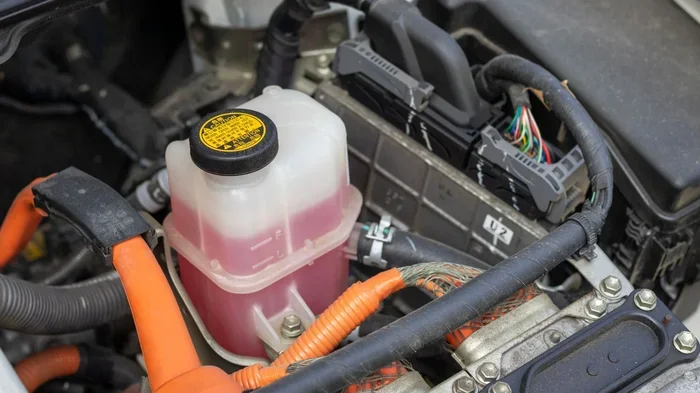
Fresh coolant has a bright, vibrant color. Over time, it becomes dull and discolored. If your coolant has shifted from its original bright color to a brownish, rusty, or muddy appearance, it is time for a coolant flush. Discolored coolant means the additives have broken down and contaminants have built up. You can check your coolant color by looking at the coolant reservoir when the engine is cool.
2. Overheating Engine
If your temperature gauge starts climbing into the red zone more often than usual, old coolant could be the culprit. Degraded coolant does not transfer heat as efficiently as fresh coolant. This means your engine runs hotter, especially in hot weather or during heavy driving. If you notice your engine overheating, do not ignore it. Pull over safely and let the engine cool down before checking your coolant level.
Interestingly, overheating issues can also be connected to other cooling system problems. If you have experienced your car overheating on a particularly hot day, you might want to check whether the coolant itself is the issue or if there is a deeper problem in the cooling system.
3. Sweet Smell or Visible Leaks
Coolant has a distinct sweet smell. If you notice this smell coming from under your hood or inside the cabin, you may have a coolant leak. Old coolant becomes corrosive, which can degrade hoses, seals, and gaskets over time. These degraded components then start to leak. Even a small leak can lead to a significant loss of coolant, which in turn causes overheating.
4. Heater Not Working Properly
Your car’s heater relies on hot coolant flowing through the heater core. If the coolant is old and contaminated, it may not flow properly or transfer heat efficiently. If your heater blows cold air when it should be warm, this could be a sign that your coolant level is low or the coolant itself has broken down.
5. Check Engine or Warning Lights
Modern vehicles have sensors that monitor coolant temperature and level. If your check engine light or temperature warning light comes on, do not ignore it. These lights often appear when the cooling system is not functioning properly. While the light could indicate many things, old coolant is one of the most common and easiest to fix causes.
What Happens If You Don’t Replace Old Coolant?
Some car owners skip coolant replacement to save money or simply forget about it. But running old coolant for too long can lead to serious and expensive consequences. Here is what can go wrong when you neglect your coolant maintenance:
- Engine Overheating: Old coolant loses its ability to absorb and transfer heat. This can cause your engine to overheat, which can warp cylinder heads, blow head gaskets, or even crack the engine block.
- Internal Corrosion: Without protective additives, metal components inside the cooling system corrode. Rust and debris can clog the radiator, heater core, and narrow coolant passages.
- Water Pump Failure: The water pump relies on coolant for lubrication and cooling. Old, acidic coolant can damage the water pump bearings and seals, leading to pump failure.
- Radiator Damage: Corrosion inside the radiator reduces its efficiency and can eventually cause it to fail. Replacing a radiator is a costly repair that could have been easily prevented.
- Hose and Seal Degradation: Coolant breaks down rubber hoses and seals over time. Old coolant accelerates this process, increasing the risk of sudden hose bursts or seal failures.
The cost of a coolant flush is relatively small compared to the cost of repairing any of these damage scenarios. A typical coolant flush costs between $100 and $200 at most shops. Compare that to a new radiator ($300 to $900), a water pump replacement ($300 to $750), or an engine overhaul that can easily exceed $3,000. Staying on top of your coolant replacement schedule is one of the most cost-effective maintenance tasks you can do.
How Often Should You Replace Your Coolant?
The right replacement interval depends on several factors, including the type of coolant, your vehicle model, and your driving conditions. Here is a general guideline:
- Conventional coolant (IAT): Every 2 years or 30,000 miles.
- Extended-life coolant (OAT/HOAT): Every 5 years or 50,000 to 100,000 miles, depending on the brand and formula.
- Severe driving conditions: If you frequently drive in stop-and-go traffic, tow heavy loads, or operate in extreme heat, you should replace your coolant more often, closer to the lower end of the range.
Always check your owner’s manual for the manufacturer’s specific recommendation. The manual will tell you the type of coolant your vehicle requires and the recommended replacement interval. Using the wrong type of coolant or mixing incompatible coolants can reduce effectiveness and potentially damage your cooling system.
Can You Just Top Off Coolant Instead of Flushing?
Topping off your coolant reservoir between flushes is fine and normal. However, topping off is not a substitute for a full coolant flush. Over time, contaminants build up in the system that simply adding new coolant cannot fix. A proper flush removes all the old coolant, including the dirty fluid sitting in the engine block and radiator, and replaces it with fresh coolant. Think of it like changing your oil, not just adding more oil to the crankcase.
How to Check and Maintain Your Coolant
Good coolant maintenance is simple and only takes a few minutes. Here are some practical tips to keep your cooling system in top shape:
- Check coolant level regularly: Once a month, with the engine cool, open the hood and check the coolant reservoir. The level should be between the minimum and maximum marks. If it is low, top it off with the correct type of coolant or distilled water.
- Inspect coolant color: Fresh coolant should be bright and clear. If it looks dark, murky, or has particles floating in it, it is time for a flush.
- Check for leaks: Look under your car for any green, orange, or pink puddles. These are signs of a coolant leak that needs immediate attention.
- Use the right coolant: Always use the type of coolant recommended by your vehicle manufacturer. Mixing different types can cause chemical reactions that reduce effectiveness.
- Do not open the radiator cap when hot: The cooling system is pressurized. Opening the cap when the engine is hot can cause hot coolant to spray out and cause burns. Always wait for the engine to cool completely.
- Consider a professional flush: While some DIY enthusiasts handle their own coolant flush, a professional service ensures all old coolant is properly removed and the system is filled correctly.
If you are ever unsure about the condition of your coolant or cooling system, getting a free diagnostic at a local auto parts store can help identify potential issues before they become serious problems. These diagnostics can check for error codes related to the cooling system and give you peace of mind.
It is also worth noting that your overall vehicle maintenance schedule affects how well your cooling system performs. For instance, if you are planning a long road trip or hauling heavy loads, making sure your coolant is fresh and your cooling system is in good working order is essential. Similarly, if you are dealing with other car issues like a worn-out key that prevents your car from starting, addressing multiple maintenance items at once can save you time and money.
Common Mistakes People Make With Coolant
Even well-meaning car owners make mistakes when it comes to coolant maintenance. Here are some of the most common ones:
- Mixing different coolant types: This is one of the biggest mistakes. Different coolants use different chemical packages that can react badly when mixed. Always flush the system completely before switching coolant types.
- Using plain water instead of coolant: Water does not have the same protective properties as coolant. It freezes in cold weather, boils at a lower temperature, and does not prevent corrosion. Use a proper coolant and water mixture (usually 50/50).
- Ignoring warning signs: Many people see a small puddle of coolant under their car and ignore it. By the time you notice a leak, the damage may already be done.
- Skipping the flush: Topping off is not enough. Old coolant needs to be completely flushed out and replaced to maintain proper protection.
- Neglecting the cooling system entirely: Some car owners focus on oil changes and tire rotations but forget about the cooling system. Coolant maintenance is just as important for long engine life.
Another mistake is assuming that because your car is newer and uses long-life coolant, you never need to worry about it again. Long-life coolants do last longer, but they still degrade over time. Regular checks and timely replacement are still necessary.
Can You Drive on Water Instead of Coolant?
Some people wonder if they can just use water instead of coolant, especially in a pinch. While water does help cool the engine, it is not a long-term substitute. Water lacks the anti-corrosion properties, boiling point elevation, and freeze protection that engine coolant provides. In an emergency, adding water to a low coolant level is better than driving with no fluid at all, but you should always follow up with a proper coolant flush and refill as soon as possible.
If you are curious about the differences between using water and other fluids, it is worth noting that some people even wonder if a car can run on alcohol. While that is an interesting topic, it is a very different discussion from proper coolant maintenance. Stick with manufacturer-recommended coolant for the best engine protection.
Conclusion
So, can coolant last 10 years? The answer is a clear no for most vehicles. Engine coolant should be replaced every 2 to 5 years depending on the type and your driving conditions. Going beyond this timeframe puts your engine at risk of overheating, corrosion, and expensive damage. The good news is that coolant maintenance is simple, affordable, and one of the easiest ways to protect your vehicle for the long haul.
Take a few minutes today to check your coolant level and condition. If it has been more than a couple of years since your last coolant flush, schedule one soon. Your engine will thank you with years of reliable performance. Staying proactive with your car care routine, including regular coolant replacement, is one of the best investments you can make in your vehicle’s longevity and reliability.
Frequently Asked Questions
Can I still drive my car if the coolant is old?
You can drive short distances with old coolant, but it is not recommended. Old coolant loses its ability to protect your engine from overheating and corrosion. Driving for extended periods with degraded coolant increases the risk of serious engine damage. If you suspect your coolant is old, get it flushed and replaced as soon as possible.
How much does a coolant flush cost?
A coolant flush typically costs between $100 and $200 at most auto shops. The exact price depends on your vehicle, the type of coolant used, and your location. Some dealerships may charge more, while independent shops often offer competitive rates. This small investment can save you thousands in potential engine repairs.
Can I mix old and new coolant?
It is best to fully flush the system before adding new coolant. Mixing old and new coolant can reduce the effectiveness of the fresh coolant and may cause chemical reactions that harm your cooling system. A complete flush ensures all contaminants are removed and your new coolant can do its job properly.
What color should my coolant be?
Fresh coolant is typically bright green, orange, red, pink, or blue, depending on the type. If your coolant has turned brown, rust-colored, or dark and murky, it has degraded and needs to be replaced. A simple visual inspection of your coolant reservoir can tell you a lot about the condition of your coolant.
Does coolant go bad if the car sits unused?
Yes, coolant degrades over time even if the car is not driven. Chemical breakdown happens regardless of use. If your car has been sitting for more than two or three years, it is a good idea to flush the cooling system and replace the coolant before driving it regularly again.
Is it okay to just add coolant without flushing?
Topping off is fine for maintaining the level, but it is not a replacement for a full flush. Old contaminants and depleted additives remain in the system when you only add new coolant. A proper flush removes everything and ensures your engine coolant provides maximum protection.