Can You Use Clorox Wipes on Car Interior Without Damage
Can You Use Clorox Wipes on Car Interior Without Damage? is a question many drivers ask. While Clorox wipes are convenient, they can harm delicate car surfaces like leather and plastic trim. This guide explains the risks and provides safe cleaning alternatives. You’ll learn how to disinfect your car interior without causing discoloration or residue buildup. Discover the best practices for a spotless, damage-free car interior.
Many car owners wonder, Can You Use Clorox Wipes on Car Interior Without Damage? The short answer is no—Clorox wipes contain harsh chemicals that can ruin your car’s interior surfaces. These wipes are designed for household hard surfaces, not the delicate materials found in vehicles. Using them on dashboards, seats, or trim can lead to discoloration, cracking, and sticky residue. This article will show you why Clorox wipes are risky and what safe alternatives you can use instead.
Your car interior is a mix of sensitive materials—leather, vinyl, plastic, and fabric. Unlike your kitchen counter, these surfaces require gentle, pH-balanced cleaning. Many people grab a Clorox wipe for a quick clean, not realizing the potential harm. The convenience is tempting, but the long-term damage isn’t worth it. Understanding what’s in these wipes and how they interact with car materials is the first step to protecting your investment. In this guide, we’ll break down the risks, explore safer cleaning methods, and give you practical tips to keep your car looking brand new. Let’s dive in and learn how to clean your car interior the right way.
Key Takeaways
- Avoid Clorox wipes on car interiors: The harsh chemicals can damage vinyl, leather, and plastic surfaces.
- Risk of discoloration and residue: Bleach and ammonia in wipes can cause fading and sticky buildup.
- Use car-safe cleaning products: Opt for ammonia-free, alcohol-based wipes designed for automotive interiors.
- Microfiber cloths and mild soap work best: Gentle cleaning preserves your car’s finish and prevents scratches.
- Test any cleaner on a hidden spot first: Always check for adverse reactions before applying to visible areas.
- Regular detailing keeps your car looking new: A consistent cleaning routine prevents grime from embedding.
- DIY cleaning solutions are effective: A mix of water and mild dish soap is a safe, affordable alternative.
📑 Table of Contents
- Can You Use Clorox Wipes on Car Interior Without Damage?
- The Real Risks of Using Clorox Wipes on Your Car
- Safe Alternatives for Cleaning Your Car Interior
- Step-by-Step Guide to Safely Cleaning Your Car Interior
- Comparison: Clorox Wipes vs. Car-Safe Cleaners
- Expert Tips to Keep Your Car Interior Pristine
- Final Verdict: Should You Use Clorox Wipes?
Can You Use Clorox Wipes on Car Interior Without Damage?
The direct answer to Can You Use Clorox Wipes on Car Interior Without Damage is a firm no. Clorox wipes are formulated for hard, non-porous household surfaces like countertops and sinks. Your car interior is a completely different environment. The materials inside your vehicle are engineered for comfort and aesthetics, not for exposure to bleach and ammonia. When you use Clorox wipes on these surfaces, you risk stripping away protective coatings and causing irreversible harm.
What’s in Clorox Wipes That Makes Them Risky?
Clorox wipes contain several ingredients that are harsh for automotive interiors. The primary culprits are bleach, ammonia, and strong surfactants. Bleach is a powerful whitening agent that can break down dyes in leather and fabric. Ammonia is a common glass cleaner ingredient, but it’s terrible for plastic and vinyl. These chemicals can cause the material to dry out, crack, or fade. Even the wiping action can be too abrasive for delicate surfaces like a soft-touch dashboard.
Many people assume that because Clorox wipes are marketed as “disinfecting,” they are safe for everything. That’s a common mistake. Disinfecting power doesn’t mean surface safety. The chemicals need to be harsh to kill germs, and that harshness doesn’t distinguish between a kitchen counter and your car’s center console. Always read the label and understand that household cleaners are not designed for automotive use.
Which Car Surfaces Are Most Vulnerable?
Not all car surfaces react the same way to Clorox wipes. Some are highly vulnerable, while others might tolerate a quick wipe with less risk. Here are the surfaces most at risk:
- Leather seats: Bleach and ammonia dry out leather, causing it to crack and fade. The natural oils are stripped away, leading to a brittle, aged look.
- Vinyl and plastic trim: These materials can become sticky, discolored, or chalky after contact with harsh chemicals. The protective UV coating is especially vulnerable.
- Fabric upholstery: Clorox wipes can bleach or discolor fabric. They may also leave a residue that attracts dirt, making the seats look dingy faster.
- Dashboard and touchscreen: The glossy finish on modern dashboards can haze or crack. Touchscreens have special coatings that can be damaged by ammonia.
- Chrome and metal accents: These can tarnish or spot when exposed to bleach.
Even if a surface seems tough, repeated use of Clorox wipes will eventually cause damage. The cumulative effect of harsh chemicals is what makes this such a serious problem for car interiors.
The Real Risks of Using Clorox Wipes on Your Car
Using Clorox wipes on your car interior might seem like a harmless shortcut. But the risks are real and can lead to expensive repairs. Let’s look at the three main dangers: discoloration, sticky residue, and material degradation. Understanding these risks will help you protect your car’s value and appearance.
Discoloration and Fading
The first sign of trouble is often discoloration. Bleach in Clorox wipes can bleach out the color of your seats or dashboard. This is especially true for black and dark-colored interiors. You might notice a lighter patch where you wiped, or the entire surface may fade unevenly. Fading from chemicals is different from sun damage—it’s often blotchy and irreversible. Once the dye is stripped, there’s no way to fully restore the original color without professional re-dyeing.
Even light-colored interiors aren’t safe. Clorox wipes can cause yellowing or spotting on white and beige surfaces. The chemicals react with the dyes and finishes, creating stains that are hard to remove. This is a common mistake people make when trying to clean a spill quickly.
Sticky Residue and Buildup
Another major issue is sticky residue. The surfactants and solvents in Clorox wipes don’t fully evaporate. They leave behind a film that attracts dust and dirt. Over time, your dashboard or center console will feel greasy and look dull. This buildup is difficult to remove and often requires a full detailing to fix. The residue can also clog the tiny pores in leather and vinyl, making the material feel stiff and uncomfortable.
Many car owners don’t notice the residue right away because it builds up gradually. By the time you see a sticky film, the damage is already done. The surface may need a deep clean or even replacement if the material has degraded too much.
Damage to Leather and Vinyl
Leather and vinyl are the most expensive interior materials to replace. Harsh chemicals like those in Clorox wipes can cause them to crack, peel, or warp. Leather needs moisture to stay supple. Bleach and ammonia strip away the natural oils, drying out the material. Within weeks of repeated use, you might see cracks forming on the seat surfaces. Vinyl can become brittle and shrink, leading to unsightly gaps and tears.
This type of damage is not covered by most warranties. If you use Clorox wipes and ruin your leather seats, you’ll likely have to pay for a costly reupholstering job. The same goes for the dashboard and door panels. Protecting these surfaces with the right cleaning products is a small investment compared to the cost of repairs.
Common Mistake: Using Clorox wipes to clean a spill on your leather seats. The immediate stain removal comes at the cost of long-term material damage. Always blot spills with a clean, damp microfiber cloth first, then use a leather-specific cleaner.
Safe Alternatives for Cleaning Your Car Interior
The good news is that you have plenty of safe and effective alternatives to Clorox wipes. These products are specifically designed for automotive interiors and won’t cause the damage we just discussed. Using the right cleaner is the best way to keep your car looking its best without the risks.
Ammonia-Free Automotive Wipes
The best direct replacement for Clorox wipes is ammonia-free automotive wipes. Brands like Meguiar’s, Chemical Guys, and Mothers make wipes that are safe for all car surfaces. These wipes are formulated to disinfect without stripping away protective coatings. They often contain gentle surfactants and moisturizers that leave surfaces clean and protected. You can find them at most auto parts stores or online. They’re just as convenient as Clorox wipes but won’t damage your car.
When shopping for wipes, always check the label for “ammonia-free” and “safe for all interior surfaces.” Avoid any product that lists bleach, ammonia, or harsh solvents as ingredients. These are the same chemicals that make Clorox wipes dangerous for your car.
Microfiber Cloths and Mild Soap
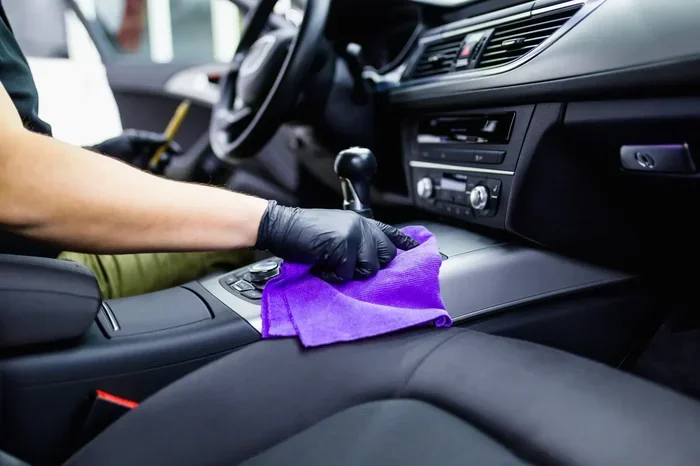
A microfiber cloth and a mild soap solution is one of the safest and most effective cleaning methods. Microfiber is incredibly soft and won’t scratch delicate surfaces. It also traps dirt and bacteria without needing harsh chemicals. For a simple cleaning solution, mix a few drops of mild dish soap with warm water in a spray bottle. Dampen your microfiber cloth with the solution, wring it out well, and wipe down surfaces. This method works great for dashboards, doors, and consoles.
For leather seats, use a dedicated leather cleaner and conditioner. These products clean without stripping natural oils. After cleaning, apply a leather conditioner to keep the material soft and supple. This two-step process is the gold standard for leather care and will significantly extend the life of your seats.
DIY Cleaning Solutions
If you prefer DIY solutions, you can make effective and safe cleaners at home. Here are a few simple recipes:
- All-purpose interior cleaner: Mix 1 cup of water with 1 tablespoon of white vinegar and a few drops of dish soap. This solution is great for wiping down plastic and vinyl surfaces. It disinfects without the harsh chemicals.
- Glass cleaner: A 50/50 mix of water and white vinegar in a spray bottle works perfectly for windows and mirrors. It’s ammonia-free and streak-free.
- Leather cleaner: Mix a few drops of castile soap with warm water. Use a soft cloth to apply, then wipe off with a damp cloth and dry immediately.
These DIY solutions are affordable, non-toxic, and safe for your car. They give you the same cleaning power as commercial products without the risk of damage.
Step-by-Step Guide to Safely Cleaning Your Car Interior
Knowing what products to use is only half the battle. You also need to use them correctly to avoid damage. Here’s a simple step-by-step guide to cleaning your car interior safely and effectively. Follow these steps for a spotless, damage-free result.
Gather Your Supplies
Before you start, gather everything you need. Having the right supplies makes the process faster and safer. Here’s what you’ll need:
- Microfiber cloths (at least two: one for cleaning, one for drying)
- A spray bottle with your chosen cleaning solution
- A soft-bristle detailing brush for crevices and vents
- A vacuum cleaner with a brush attachment
- A leather cleaner and conditioner (if you have leather seats)
- A protectant spray for plastic and vinyl surfaces
Always use clean, lint-free cloths. Dirty cloths can scratch surfaces and push dirt around instead of removing it. Keep a separate cloth for glass to avoid cross-contamination.
The Cleaning Process
Start by removing loose dirt and debris with a vacuum. Use the brush attachment to gently clean seats, carpets, and floor mats. Next, spray your cleaning solution onto a microfiber cloth—not directly onto the surface. This prevents excess liquid from seeping into seams or electronics. Wipe surfaces in a gentle, circular motion. For stubborn grime, use the detailing brush to lift dirt from textured surfaces. Finally, use a dry microfiber cloth to buff the surface and remove any remaining moisture.
For leather seats, apply the leather cleaner with a damp cloth, then follow up with the conditioner. Allow the conditioner to absorb for a few minutes before wiping off any excess. This keeps the leather hydrated and protected.
Drying and Protecting
After cleaning, let the interior air dry completely before closing the doors or windows. This prevents moisture from getting trapped, which can lead to mold and mildew. Once dry, apply a protectant spray to plastic and vinyl surfaces. This creates a barrier against UV rays and helps prevent fading and cracking. Use a protectant specifically designed for automotive interiors, as household protectants can leave a greasy residue.
Expert Insight: “The key to a pristine car interior is consistency, not intensity. A quick wipe-down with the right products every week prevents grime from building up and eliminates the need for harsh chemicals.” — Automotive Detailing Specialist
Comparison: Clorox Wipes vs. Car-Safe Cleaners
To help you make an informed decision, here’s a direct comparison of Clorox wipes and car-safe cleaning products.
| Feature | Clorox Wipes | Car-Safe Cleaners |
|---|---|---|
| Chemical Composition | Bleach, ammonia, harsh surfactants | pH-balanced, ammonia-free, gentle surfactants |
| Safe for Leather? | No – strips oils, causes cracking | Yes – formulated for leather care |
| Safe for Plastic/Vinyl? | No – causes discoloration and stickiness | Yes – preserves finish and prevents fading |
| Disinfecting Power | High – kills 99.9% of germs | Moderate to high – effective against common bacteria |
| Residue | Leaves sticky film | No residue or easy to wipe away |
| Cost | Low upfront cost | Slightly higher, but protects your investment |
| Long-Term Safety | High risk of damage | Designed for repeated use without harm |
The table makes it clear: while Clorox wipes might seem cheaper, the potential damage to your car interior costs far more in the long run. Investing in car-safe cleaners is the smarter choice for both your wallet and your vehicle’s appearance.
Expert Tips to Keep Your Car Interior Pristine
Keeping your car interior clean doesn’t have to be a chore. With the right routine and products, you can maintain a spotless cabin with minimal effort. Here are some expert tips to help you protect your investment and enjoy a fresh-smelling car every day.
Regular Cleaning Routine
Consistency is the most important factor in interior care. A quick 10-minute cleaning session once a week prevents dirt and spills from becoming embedded. Start by removing trash and personal items. Then, vacuum the seats and floors. Finish with a quick wipe-down of the dashboard and console using a damp microfiber cloth. This simple routine keeps your car looking showroom-fresh and reduces the need for deep cleaning.
Make it a habit to clean up spills immediately. The longer a spill sits, the harder it is to remove and the more likely it is to cause permanent staining. Keep a small cleaning kit in your trunk with a microfiber cloth, a spray bottle of interior cleaner, and a brush. This way, you’re always prepared for accidents.
Protect Surfaces with Coverings
One of the best ways to protect your car interior is to use seat covers and floor mats. Seat covers shield your seats from spills, stains, and UV damage. They’re especially useful if you have light-colored leather or fabric. Floor mats keep dirt and debris from embedding in your carpet. Choose custom-fit covers and mats that are easy to remove and wash. This simple step can dramatically extend the life of your interior materials.
Consider using a dashboard cover or sunshade when parking in direct sunlight. UV rays are one of the biggest enemies of car interiors, causing fading and cracking over time. A sunshade keeps the temperature down and protects your surfaces from sun damage.
Address Spills Immediately
When a spill happens, act fast. Blot the liquid with a clean, dry microfiber cloth—never rub, as this can spread the stain. For sticky spills like soda or coffee, use a damp cloth with a small amount of mild soap. For tough stains on fabric, use a dedicated upholstery cleaner. For leather, use a leather-specific stain remover. Always test any cleaner on a hidden spot first to ensure it doesn’t cause discoloration.
Quick Tip: Keep a small bottle of club soda in your car. It’s a gentle, effective cleaner for fabric spills and can help lift stains before they set. Just blot, don’t rub, and follow up with a dry cloth.
Final Verdict: Should You Use Clorox Wipes?
The final answer to Can You Use Clorox Wipes on Car Interior Without Damage is a clear and definitive no. Clorox wipes are not designed for automotive interiors, and using them poses serious risks to your car’s surfaces. The harsh chemicals can cause discoloration, sticky residue, and long-term material damage. These risks far outweigh the convenience of a quick wipe.
Instead, opt for ammonia-free automotive wipes, microfiber cloths with mild soap, or DIY cleaning solutions. These alternatives are safe, effective, and affordable. They keep your car interior clean and protected without the worry of damage. By following the step-by-step guide and expert tips in this article, you can maintain a pristine, damage-free car interior for years to come. Protect your investment, and your car will reward you with a fresh, clean cabin every time you get behind the wheel.
Remember, the right cleaning routine is an investment in your car’s longevity and resale value. Take the time to use the right products, and your car interior will stay looking its best. Avoid Clorox wipes and choose the safe, effective path to a spotless car interior.
Frequently Asked Questions
Are Clorox wipes ever safe to use on a car interior?
While a single, quick wipe on a hard plastic surface might not cause immediate visible damage, it’s still not recommended. The chemicals can gradually degrade protective coatings and dyes over time. It’s always best to use products specifically formulated for automotive interiors to avoid any risk of long-term harm.
What is the best way to disinfect a car interior safely?
The safest way is to use an ammonia-free, alcohol-based automotive interior disinfectant spray or wipe. You can also use a solution of water and mild soap with a microfiber cloth. These methods effectively kill germs without stripping away the protective layers on your car’s surfaces.
Can I use Clorox wipes on my car’s leather seats in an emergency?
No, even in an emergency, you should avoid Clorox wipes on leather. The bleach and ammonia will strip the natural oils from the leather, causing it to dry out, crack, and fade. In an emergency, blot the area with a damp microfiber cloth and clean it properly as soon as possible with a leather-safe cleaner.
How often should I clean my car interior to maintain its condition?
A light cleaning once a week is ideal for maintaining your car interior. This includes vacuuming, wiping down surfaces with a damp microfiber cloth, and promptly cleaning any spills. A deeper clean with appropriate products should be done once a month or as needed based on usage.
Will using the wrong cleaner void my car’s warranty?
It can, if the damage can be directly linked to the use of an improper cleaning product. Many warranties exclude damage caused by improper maintenance or the use of non-recommended products. Using harsh chemicals like those in Clorox wipes could lead to a denied claim for interior damage.
What should I do if I’ve already used Clorox wipes on my car interior?
If you’ve already used Clorox wipes, wash the affected area thoroughly with a mild soap and water solution to remove the chemical residue. Dry it completely. For leather, apply a leather conditioner to replenish lost moisture. Monitor the area for any signs of discoloration or damage, and consult a professional detailer if you notice any changes.