Should You Just Add Transmission Fluid If Its Low
You can add transmission fluid if it’s low, but only if the fluid is clean and the system has no leaks. Simply topping off fluid without checking for underlying issues can mask serious transmission problems. This guide walks you through checking your fluid level, choosing the right type, and knowing when a professional diagnosis is the smarter move.
Your car’s transmission is one of the most important parts under the hood. It shifts gears smoothly so your engine can deliver power to the wheels. And just like your engine needs oil, your transmission needs fluid to work right. But what happens when that fluid drops too low? Can you just add transmission fluid and move on? The short answer is yes, but there is a lot more to consider.
Many drivers see a low fluid warning and reach for a bottle of transmission fluid. It seems like an easy fix. But low transmission fluid is often a symptom of something deeper. A small leak, a worn seal, or even internal damage could be the real cause. If you just top off without investigating, you might be covering up a problem that gets worse over time. This article breaks down everything you need to know about adding transmission fluid safely, when it makes sense, and when you should instead book a trip to the shop.
Whether you drive an automatic or a manual transmission, this guide covers the basics. You will learn how to check your fluid, what type to use, the risks of ignoring the problem, and simple steps to avoid expensive repairs. Let us get into it.
Key Takeaways
- Low fluid is a warning sign: It often points to a leak or worn seals that need attention.
- You can top off safely: But only after confirming the fluid is still in good condition.
- Using the wrong fluid type: Can cause serious damage to your transmission system.
- Check the dipstick: This is the easiest way to see if your fluid level is actually low.
- Driving with low fluid: Can lead to overheating, slipping gears, and costly repairs.
- Regular fluid changes: Are far cheaper than replacing a damaged transmission.
📑 Table of Contents
- What Transmission Fluid Does and Why It Matters
- Signs Your Transmission Fluid Is Low
- How to Check Your Transmission Fluid Level
- Can You Just Add Transmission Fluid If It Is Low?
- Steps to Add Transmission Fluid Safely
- When to See a Professional Instead
- How to Prevent Low Transmission Fluid in the Future
- Conclusion
What Transmission Fluid Does and Why It Matters
Transmission fluid has several jobs. It lubricates all the moving parts inside your transmission. It keeps things cool by reducing friction. And in automatic transmissions, it acts as a hydraulic fluid that helps the gears shift properly. Without enough fluid, none of these functions work the way they should.
The Role of Transmission Fluid in Your Vehicle
Think of transmission fluid as the lifeblood of your drivetrain. When the level drops, metal parts start grinding against each other. Heat builds up fast. Over time, this causes wear and tear on gears, clutch packs, and seals. In automatic transmissions, the fluid also creates pressure that engages and disengages gears. Low fluid means low pressure, which leads to sloppy or delayed shifting.
For manual transmissions, the fluid mainly provides lubrication. But the consequences of running low are still serious. You may notice grinding noises, difficulty shifting, or a burning smell. All of these are signs that your transmission is struggling.
Types of Transmission Fluid
Not all transmission fluid is the same. There are different formulations for different transmission types. Using the wrong one can cause damage. Here is a quick breakdown:
- Automatic Transmission Fluid (ATF): Used in automatic transmissions. Common types include Dexron and Mercon.
- Manual Transmission Fluid (MTF): Often a gear oil or hypoid oil used in manual gearboxes.
- Continuously Variable Transmission (CVT) Fluid: A specialized fluid for CVT systems. It has different friction properties.
- Dual-Clutch Transmission Fluid: Designed for dual-clutch setups found in many modern vehicles.
Always check your owner’s manual to confirm which type your vehicle needs. Using the wrong fluid can lead to transmission slipping, overheating, and even total failure.
Signs Your Transmission Fluid Is Low
Spotting low transmission fluid early can save you from a major repair bill. Here are the most common signs to watch for:
1. Slipping Gears
If your transmission feels like it is slipping between gears, low fluid could be the cause. You might notice the engine revving higher than normal without a corresponding increase in speed. This happens because the fluid cannot maintain proper hydraulic pressure inside the transmission.
2. Delayed or Harsh Shifting
A healthy transmission shifts smoothly and quickly. If you experience a delay when moving from park to drive, or if the shifts feel rough and jerky, your fluid level might be too low. Clean fluid helps the internal valves and solenoids work properly. Low fluid disrupts that process.
3. Burning Smell
A burning smell coming from under your hood is never a good sign. When transmission fluid gets too low, the internal components overheat. The fluid itself can start to burn, producing a distinct sweet or acrid odor. If you smell this, pull over and check your fluid level right away.
4. Transmission Overheating
Transmission fluid helps regulate temperature. When there is not enough fluid, heat builds up quickly. Can a car overheat on a hot day? Yes, and a low transmission fluid level makes it even worse. Overheating accelerates fluid breakdown and can warp internal components.
5. Warning Lights on the Dashboard
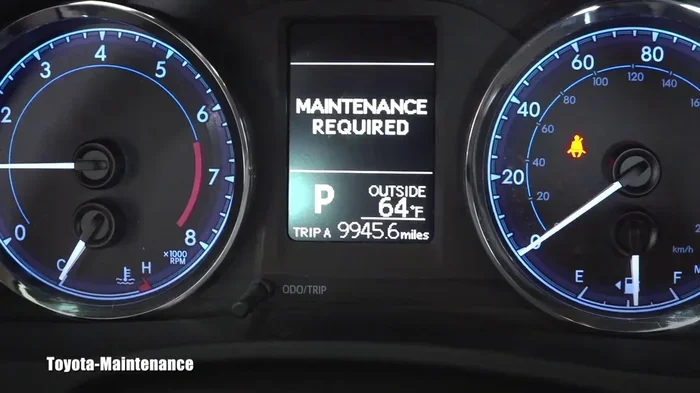
Many modern vehicles have a transmission temperature warning or a check engine light that activates when fluid pressure drops. If you see these lights, do not ignore them. Check your fluid level and condition as soon as possible.
6. Fluid Leaks Under the Car
If you see red or brownish fluid pooling under your car, you likely have a transmission fluid leak. This is one of the most direct signs that your fluid level is dropping. Check the area around the transmission pan and seals for wet spots or drips.
How to Check Your Transmission Fluid Level
Before you add any fluid, you need to confirm that the level is actually low. Here is how to do it the right way.
Step-by-Step: Checking the Transmission Dipstick
- Park your car on a level surface. This ensures an accurate reading. Engage the parking brake.
- Start the engine and let it warm up. Transmission fluid expands when hot. Checking it while the engine is warm gives you a more accurate reading.
- Locate the transmission dipstick. It is usually labeled and has a red or yellow handle. If you are unsure, consult your owner’s manual.
- Pull the dipstick out, wipe it clean, and reinsert it. Then pull it out again and read the level against the markings.
- Check the fluid condition. Healthy transmission fluid is reddish and translucent. If it looks dark brown or black, or if it smells burnt, it needs to be changed, not just topped off.
What If Your Car Does Not Have a Dipstick?
Some newer vehicles do not come with a transmission dipstick. Instead, they have a fill plug or a sealed transmission that requires a technician to check the level. If your car falls into this category, you may need to visit a mechanic for a fluid level check. You can also get a free diagnostic at many auto parts stores to see if the transmission is reading any error codes.
Quick Tips for Accurate Readings
- Always check fluid when the engine is at operating temperature.
- Do not check right after a long drive. Let the engine idle for a few minutes first.
- Make sure the car is on a flat surface.
- Check the fluid level in both the cold and warm states if your manual recommends it.
Can You Just Add Transmission Fluid If It Is Low?
This is the big question. And the answer depends on a few factors. In most cases, you can safely add transmission fluid if the level is low and the existing fluid is still in good condition. But there are important caveats you need to know.
When It Is Safe to Add Fluid
Topping off your transmission fluid is safe when:
- The existing fluid is still red or reddish-brown in color.
- The fluid does not have a burnt smell.
- There are no visible leaks from the transmission.
- The fluid level dropped gradually over time due to normal evaporation or minor seepage.
- You are using the correct type of fluid for your vehicle.
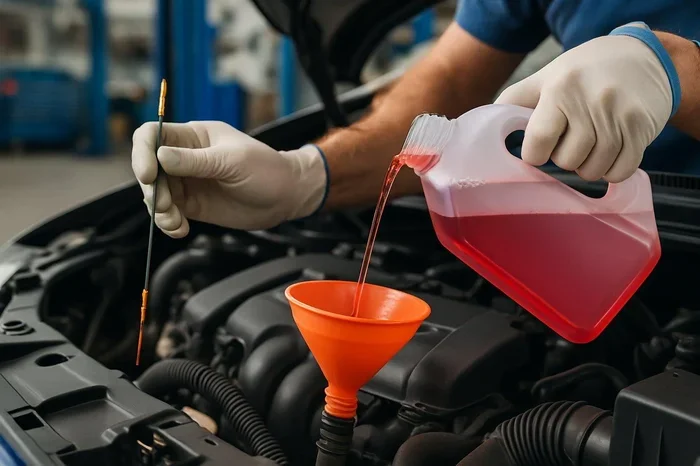
In these situations, adding fluid is a simple and effective fix. Just pour the right type of fluid slowly through the dipstick tube until the level reaches the full mark. Do not overfill. Too much fluid can also cause problems, including foaming and pressure buildup.
When Adding Fluid Is Not Enough
There are times when simply adding fluid will not solve the problem. If you notice any of the following, a top-off is only a temporary band-aid:
- A visible leak: If fluid is dripping or pooling under your car, you have a leak that needs to be repaired. Adding fluid without fixing the leak just means you will need to do it again soon.
- Dark or burnt fluid: Old, degraded fluid loses its lubricating properties. Topping off with new fluid can help, but a full transmission fluid change is a better solution.
- Gritty or contaminated fluid: If you see particles or debris in the fluid, internal components may already be wearing down.
- Slipping or grinding that persists after adding fluid: This suggests internal damage that fluid alone cannot fix.
In these cases, it is much smarter to get a professional inspection. Ignoring the root cause can lead to transmission failure, which can cost thousands of dollars to repair.
Can You Still Drive With Low Transmission Fluid?
Technically, you can drive a short distance with low transmission fluid. But you should not. Driving with insufficient fluid causes extra friction and heat inside the transmission. This accelerates wear on gears and internal components. The longer you drive with low fluid, the more damage you risk. Think of it like driving with low engine oil. You might get to the next gas station, but you are gambling with your engine. The same logic applies to your transmission.
Can you still drive with a P0171 code? Some codes are less urgent. But low transmission fluid is not one of them. Address it promptly to avoid bigger problems down the road.
Steps to Add Transmission Fluid Safely
If you have confirmed that your fluid level is low and it is safe to add more, here is how to do it correctly.
What You Will Need
- The correct type of transmission fluid for your vehicle (check the owner’s manual).
- A funnel that fits the dipstick tube opening.
- A clean rag or paper towel.
- A jack and jack stand or ramps, if the dipstick tube is hard to reach from the top.
Step-by-Step Process
- Prepare the vehicle. Park on a level surface and engage the parking brake. Start the engine and let it idle until it reaches normal operating temperature.
- Locate the dipstick tube. Remove the dipstick and set it aside.
- Insert the funnel. Place a funnel into the dipstick tube. This prevents spills and makes pouring easier.
- Add fluid slowly. Pour small amounts at a time. After each addition, wait a few seconds for the fluid to settle, then recheck the level with the dipstick.
- Stop at the full mark. Do not overfill. Fluid expands when hot, and overfilling can cause foaming and pressure issues.
- Reinsert the dipstick and check for leaks. Start the engine and let it idle. Shift through all gears briefly, then recheck the fluid level one more time.
- Dispose of used fluid properly. Transmission fluid is hazardous waste. Take it to a recycling center or auto parts store that accepts used fluids.
Common Mistakes to Avoid
- Using the wrong fluid type: This is one of the most common and costly mistakes. Always match the fluid specification in your owner’s manual.
- Overfilling: Too much fluid can cause foaming, which reduces lubrication and creates pressure problems.
- Adding fluid to a leaking system: This wastes fluid and money. Fix the leak first.
- Ignoring fluid condition: If the fluid is dark, burnt, or contaminated, a simple top-off is not enough. You need a full fluid change or flush.
Expert Insights: Transmission Maintenance Tips
Most manufacturers recommend changing transmission fluid every 30,000 to 60,000 miles, depending on the vehicle and driving conditions. If you tow heavy loads, drive in stop-and-go traffic, or live in a hot climate, you may need to change it more often. Regular fluid changes are one of the cheapest forms of car maintenance you can do. A fluid change typically costs between $100 and $250. A new transmission, on the other hand, can cost anywhere from $1,800 to $3,500 or more. The math is clear: prevention beats repair every time.
Also, keep an eye on your transmission fluid between changes. A quick visual check during your regular oil change routine can catch a slow leak before it becomes a big problem. If you notice the level dropping faster than normal, do not wait. Get it inspected by a qualified mechanic.
When to See a Professional Instead
There are situations where adding transmission fluid yourself is not the right move. Knowing when to call a professional can save you time, money, and a lot of headaches.
Signs You Need a Mechanic
- Persistent low fluid after topping off: This almost always means you have a leak that needs professional repair.
- Unusual noises: Grinding, whining, or clunking sounds when shifting indicate internal damage.
- Fluid that looks or smells bad: Dark, burnt-smelling fluid needs a full change, not just a top-off.
- Warning lights that do not go away: If your transmission warning light stays on after adding fluid, something deeper is wrong.
- Your car does not have a dipstick: Some transmissions are sealed and require special tools to service.
If you are ever unsure about what to do, it is always better to get a professional opinion. A trusted mechanic can perform a thorough inspection, check for leaks, and recommend the right course of action. And remember, you can always check if your vehicle can still be driven safely with warning lights on before deciding whether to tow it to the shop.
Cost Considerations: Top-Off vs. Repair vs. Replacement
Here is a rough cost comparison to put things in perspective:
- Topping off transmission fluid: $20 to $60 for a quart or two of fluid.
- Transmission fluid change or flush: $100 to $250 at a shop.
- Transmission leak repair: $150 to $500 depending on the location and severity.
- Transmission rebuild or replacement: $1,800 to $3,500 or more.
The takeaway is clear. A small investment in fluid maintenance can prevent a catastrophic and expensive failure. Do not wait until your transmission is slipping or failing to take action.
How to Prevent Low Transmission Fluid in the Future
Prevention is the best medicine. Here are simple habits that keep your transmission fluid at the right level and in good condition:
- Check your fluid regularly: Make it part of your monthly car care routine.
- Change fluid on schedule: Follow the intervals in your owner’s manual.
- Watch for leaks: Park on a clean surface occasionally and look for fresh drips underneath.
- Avoid aggressive driving: Hard shifting and rapid acceleration put extra stress on the transmission.
- Warm up your car in cold weather: Give the fluid a minute or two to circulate before driving hard.
- Do not overload your vehicle: Excess weight strains the transmission and generates more heat.
These simple steps go a long way. They keep your transmission running smoothly and extend the life of your vehicle significantly.
Conclusion
So, should you just add transmission fluid if it is low? Yes, you can, but only as a temporary fix and only if the fluid is still in good condition. The real question you should be asking is: why did the fluid get low in the first place? A top-off buys you time, but it does not fix the underlying cause. Whether it is a small leak, degraded fluid, or internal wear, addressing the root problem is what keeps your transmission healthy and your wallet intact.
Take a few minutes to check your fluid level regularly. Use the right type of fluid. And do not be afraid to call a mechanic when something does not feel right. Your transmission works hard every time you drive. A little attention and maintenance go a long way toward keeping it running strong for years to come. Stay proactive, stay informed, and your car will thank you.
Frequently Asked Questions
Can I just add transmission fluid without checking the type?
No. Using the wrong type of transmission fluid can cause serious damage to your transmission system. Always check your owner’s manual or the fluid cap under the hood to confirm the correct specification before adding any fluid.
How often should I check my transmission fluid level?
It is a good idea to check your transmission fluid at least once a month. Regular checks help you catch slow leaks early and keep your fluid at the proper level for optimal performance.
Is it safe to drive with low transmission fluid?
It is not recommended. Low fluid causes increased friction, overheating, and wear on internal components. Even a short drive can cause significant damage if the fluid level is critically low.
Can low transmission fluid cause a car to stall?
Yes. When transmission fluid is too low, the system cannot maintain proper hydraulic pressure. This can result in delayed engagement, slipping, or even stalling, especially when shifting between gears.
How do I know if my transmission fluid is dirty or needs changing?
Healthy transmission fluid is reddish and translucent. If it looks dark brown or black, smells burnt, or feels gritty between your fingers, it is time for a fluid change. Dirty fluid loses its lubricating and cooling properties.
Can adding transmission fluid fix a slipping transmission?
Sometimes, if the slipping is caused by low fluid level and the fluid is still in good condition, topping off can restore normal pressure and stop the slipping. However, if the slipping persists after adding fluid, there may be internal damage that requires professional repair.