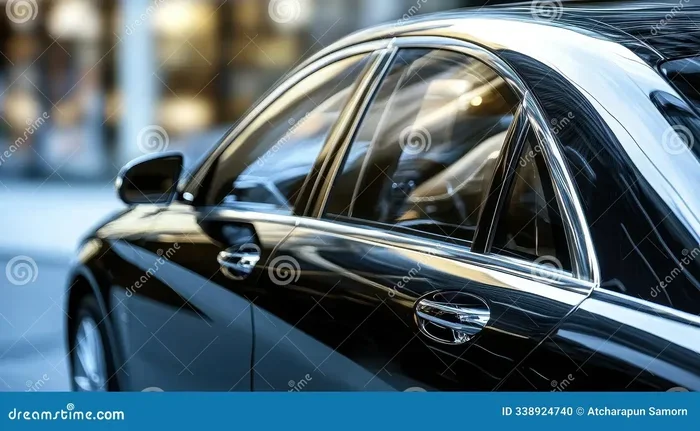
40 Percent Window Tint Explained What You Should Know
40 percent window tint is a popular automotive window film that blocks 60% of light while offering solid UV protection, heat reduction, and privacy. It strikes a perfect balance between style and function, making it a top pick for car owners worldwide. This guide covers everything you need to know before buying and installing 40 percent tint on your vehicle.
When it comes to 40 percent window tint, car owners have a lot of questions. Is it dark enough for privacy? Will it keep my car cool? Is it even legal where I live? These are all valid concerns, and this guide answers every single one of them.
40 percent window tint is one of the most popular choices in the world of car window tinting. It lets in just enough light for a clear view while still providing excellent UV protection, heat rejection, and a sleek look. Whether you drive a daily commuter or a weekend cruiser, this shade level offers a lot of value.
In this article, we will break down everything you need to know about 40 percent tint. From how it works to legal rules, costs, and maintenance tips, you will find all the practical details here. Let us dive in.
Key Takeaways
- 40 Percent Window Tint allows 40% visible light transmission while blocking significant UV rays and heat.
- It offers a great balance between aesthetics, privacy, and comfort without going too dark.
- Tint laws vary by state and country, so always check local regulations before installing.
- Professional installation ensures durability, but DIY kits are available for budget-conscious owners.
- Proper maintenance extends the life of your tint film significantly.
- 40 percent tint works well with both ceramic and carbon film types.
- It can improve your car’s fuel efficiency by reducing cabin heat and AC usage.
📑 Table of Contents
- What Is 40 Percent Window Tint?
- Benefits of 40 Percent Window Tint
- Legal Considerations and Tint Regulations
- Types of 40 Percent Window Tint Film
- Installation: DIY vs Professional
- Maintenance Tips for 40 Percent Window Tint
- 40 Percent Tint vs Other Common Shades
- Common Mistakes to Avoid When Choosing Window Tint
- Expert Insights on 40 Percent Window Tint
- Final Thoughts
What Is 40 Percent Window Tint?
40 percent window tint refers to a window film that allows 40% of visible light to pass through your car windows. The remaining 60% gets blocked by the film. This measurement is called Visible Light Transmission, or VLT for short. The lower the VLT number, the darker the tint appears.
Many people confuse tint percentage with how dark the window looks. A 40% tint is noticeably tinted but still quite transparent. You can easily see through it from both inside and outside the vehicle. This makes it a versatile option for drivers who want the benefits of automotive tint without going too dark.
How Tint Percentages Work
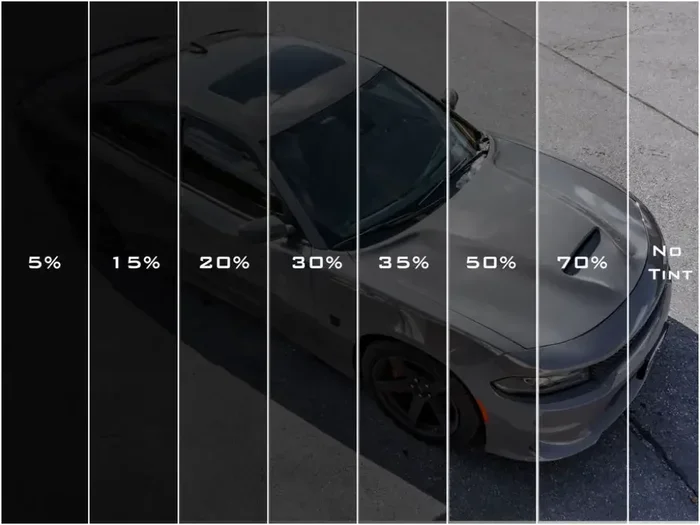
Understanding tint percentage is simpler than it sounds. Here is a quick breakdown:
- 5% tint — Very dark, often called “limo tint.” Barely any light passes through.
- 20% tint — Dark and stylish. Hard to see through from the outside.
- 35% tint — Moderately dark. A popular choice for sporty looks.
- 40% tint — Light and subtle. Great for everyday driving.
- 50% tint — Very light. Mostly blocks UV rays and heat.
As you can see, 40 percent window tint sits in the middle of the range. It is dark enough to look great but light enough to stay practical. This is why so many drivers choose it as their go-to shade.
Benefits of 40 Percent Window Tint
40 percent window tint delivers a wide range of benefits that go beyond just looks. Let us explore the key advantages that make this tint level a smart investment for any vehicle.
UV Protection and Health Benefits
One of the biggest reasons people tint their car windows is UV protection. The sun emits harmful ultraviolet rays that can damage your skin and eyes over time. A quality window film blocks up to 99% of UV rays, even at 40% VLT.
This is especially important for drivers who spend long hours on the road. Over time, UV exposure through car windows can lead to premature skin aging and increased risk of skin damage. With 40 percent tint, you get a strong layer of defense without sacrificing visibility.
Heat Reduction and Cabin Comfort
Nobody likes getting into a scorching hot car on a summer day. 40 percent window tint significantly reduces solar heat buildup inside your vehicle. By blocking a large portion of infrared rays, the cabin stays cooler and more comfortable.
Here is a practical example. Imagine parking your car under direct sunlight for three hours. Without tint, the interior temperature can soar past 70°C (158°F). With 40 percent tint, that temperature drops considerably. Your air conditioning system does not have to work as hard, which brings us to our next point.
Improved Fuel Efficiency
Did you know that tinted windows can actually help improve your car’s fuel economy? When your cabin stays cooler, your air conditioning system uses less energy. Less energy means less fuel consumption.
This is especially relevant for owners of fuel-efficient vehicles. If you drive a 40 km mileage car, every little bit of fuel savings adds up over time. While tint alone will not transform your gas mileage, it contributes to a cooler, more efficient cabin environment. Over months and years, the savings can be meaningful.
Privacy and Security
40 percent tint offers a nice level of privacy without making your car look like a shadowy mystery. You can enjoy a reasonable degree of privacy for your passengers and belongings. People outside cannot easily see into your car, which adds a layer of security.
This is particularly useful if you regularly park in public areas or leave valuables in your vehicle. The tinted windows make it harder for potential thieves to see what is inside. It is a simple yet effective deterrent.
Glare Reduction
Driving with too much sunlight or headlight glare can be dangerous and tiring. 40 percent window tint reduces glare significantly, making your driving experience more comfortable. You will notice less eye strain during long drives, especially on sunny highways or at night.
Legal Considerations and Tint Regulations
Before you rush out to install 40 percent tint, you need to understand the legal landscape. Tint laws vary widely depending on where you live, and getting caught with illegal tint can result in fines and even mandatory removal.
Understanding State and Local Tint Laws
In many countries and states, there are specific rules about how dark your tint can be on different windows. These laws typically focus on the front side windows, rear side windows, and rear windshield.
For example, in some US states, the front side windows must allow at least 50% VLT. In those places, 40 percent tint on the front windows would be illegal. However, the same 40% tint might be perfectly fine on the rear side windows and rear windshield. Always research your local tint laws before making a purchase.
Here are some general guidelines to keep in mind:
- Front side windows often have stricter VLT requirements than rear windows.
- Some states allow darker tints if the front windshield has a medical exemption.
- Reflective tint is regulated differently and often restricted.
- Tint colors like red, yellow, and blue are banned in many areas.
- Medical exemptions may allow darker tints for individuals with sun sensitivity.
Medical Exemptions for Darker Tint
Some people have medical conditions that make them extremely sensitive to sunlight. In these cases, a doctor can provide a prescription or certificate for darker window tint. If you have a condition like lupus or severe photosensitivity, check whether your region offers medical exemptions for automotive tint.
Types of 40 Percent Window Tint Film
Not all tint films are created equal. When you choose 40 percent window tint, you also need to decide on the type of film. Different materials offer different benefits, and the right choice depends on your priorities.
Carbon Tint Film
Carbon tint is one of the most popular choices for 40 percent window tint. It does not contain metal, which means it does not interfere with your car’s electronic signals. Carbon film offers excellent heat rejection and a matte, non-reflective finish that looks sleek and modern.
One of the best things about carbon tint is its durability. It resists fading and bubbling better than many other film types. If you want a long-lasting window film that looks great year after year, carbon is an excellent option.
Ceramic Tint Film
Ceramic tint is the premium option in the world of car window tinting. It uses nano-ceramic particles to block heat and UV rays without affecting visibility. Ceramic films offer the highest level of heat rejection available in a 40 percent tint shade.
The downside is cost. Ceramic tint is significantly more expensive than carbon or dyed films. However, if you want the best performance and do not mind the investment, ceramic 40 percent window tint is hard to beat.
Dyed Tint Film
Dyed tint is the most budget-friendly option. It uses layers of dye to absorb heat and reduce light transmission. While it works well for basic privacy tint needs, it tends to fade over time and offers less heat rejection than carbon or ceramic options.
If you are on a tight budget and want a simple 40 percent tint for appearance, dyed film can get the job done. Just expect to replace it sooner than with higher-quality materials.
Metallic Tint Film
Metallic tint contains tiny metal particles that reflect heat and reduce glare. It offers strong performance in heat rejection and durability. However, it can interfere with GPS, cell phone signals, and radio reception inside your car.
For most drivers, 40 percent window tint in carbon or ceramic is a safer choice to avoid signal issues.
Installation: DIY vs Professional
Installing 40 percent tint is a process that requires patience and precision. You have two main options: doing it yourself or hiring a professional. Both approaches have their pros and cons.
DIY Installation
DIY tint kits are widely available and much more affordable than professional installation. A basic kit for a full set of windows can cost anywhere from $20 to $100, depending on the quality of the film.
However, DIY installation comes with risks. If the film is not applied correctly, you can end up with bubbles, creases, or peeling edges. Poor installation also reduces the lifespan of your tint film. If you have never tinted windows before, be prepared for a learning curve.
Here are some quick tips if you decide to go the DIY route:
- Work in a clean, dust-free environment with low humidity.
- Use a quality application solution and squeegee.
- Cut the film slightly larger than the window and trim carefully.
- Take your time — rushing leads to mistakes.
- Watch tutorial videos specific to your film brand.
Professional Installation
Hiring a professional ensures a clean, bubble-free finish every time. A skilled installer has the tools, experience, and environment to apply 40 percent window tint perfectly. Most professional installations come with a warranty, which gives you peace of mind.
The cost of professional tinting varies based on your vehicle, film type, and location. On average, you can expect to pay between $100 and $400 for a full car. Premium films like ceramic will be on the higher end of that range.
If you have a garage or covered parking — perhaps part of 30 40 house plans with car parking east facing — you already have a great setup for keeping your freshly tinted windows clean during the curing process. Parking in a shaded, sheltered area helps the film adhere properly and last longer.
What to Expect During Installation
Whether you choose DIY or professional, here is what the process typically looks like:
- The installer cleans each window thoroughly to remove dust and debris.
- The tint film is cut to match the exact shape of each window.
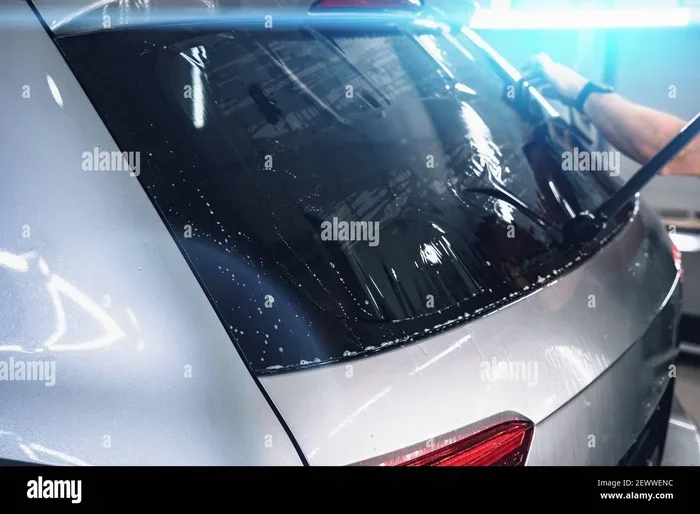
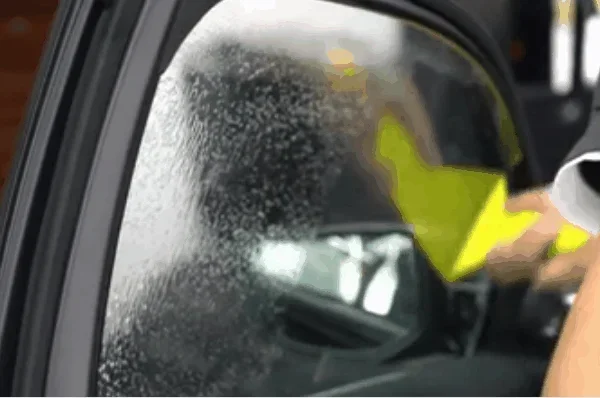
- The film is sprayed with application solution and carefully placed on the glass.
- A squeegee removes bubbles and excess liquid.
- The edges are trimmed for a clean finish.
- The film needs 24 to 48 hours to cure fully before rolling down the windows.
Maintenance Tips for 40 Percent Window Tint
Taking care of your 40 percent window tint ensures it lasts for years and continues to look great. Proper maintenance is simple but important.
Cleaning Do’s and Don’ts
How you clean your tinted windows matters more than you might think. Follow these guidelines to keep your window film in top condition:
- Do use a soft microfiber cloth or squeegee for cleaning.
- Do use ammonia-free cleaning solutions.
- Do wait at least 3 to 4 weeks before cleaning newly tinted windows.
- Do not use paper towels or rough fabrics — they can scratch the film.
- Do not use high-pressure washers directly on tinted windows.
- Do not scrape ice or stickers off tinted glass.
How Long Does 40 Percent Tint Last?
The lifespan of your 40 percent window tint depends on the film quality and how well you maintain it. On average:
- Dyed tint lasts 2 to 5 years before fading or bubbling.
- Carbon tint lasts 5 to 8 years with proper care.
- Ceramic tint can last 10 years or more.
If you notice tint bubbling, peeling, or significant fading, it is time to consider a replacement. Regular cleaning and avoiding harsh chemicals will significantly extend the life of your automotive tint.
Protecting Your Tint from Damage
Simple habits can go a long way in preserving your 40 percent tint. Park in shaded areas whenever possible to reduce prolonged sun exposure. If you have a vehicle stored in a covered space, like a garage connected to 30 40 duplex house plans with car parking designs, your tint will naturally last longer due to reduced UV exposure from all sides.
Also, avoid using sharp objects near your windows. Even small scratches can compromise the integrity of the window film over time. Treat your tinted windows with care, and they will serve you well for years.
40 Percent Tint vs Other Common Shades
Choosing the right tint shade can be confusing. Here is a comparison of 40 percent window tint against other popular shade levels to help you decide.
| Tint Shade | VLT (%) | Darkness Level | Privacy Level | Heat Rejection | Legality (Most Areas) |
|---|---|---|---|---|---|
| 50% Tint | 50 | Very Light | Low | Moderate | Legal almost everywhere |
| 40% Tint | 40 | Light | Moderate | Good | Legal in most areas |
| 35% Tint | 35 | Medium-Light | Moderate-High | Good | Legal in many areas |
| 20% Tint | 20 | Dark | High | Very Good | Restricted on front windows |
| 5% Tint | 5 | Very Dark | Very High | Excellent | Illegal on most front windows |
As the table shows, 40 percent window tint offers a balanced profile. It is not too light and not too dark. It provides good heat rejection and moderate privacy while remaining legal in most regions. For many drivers, this is the sweet spot.
If you want a darker look, you might consider 35% tint or 20% tint for the rear windows only. But for a consistent, all-around tint on every window, 40 percent is hard to beat.
Common Mistakes to Avoid When Choosing Window Tint
Even experienced car owners make mistakes when it comes to window tinting. Here are some common pitfalls to watch out for:
- Ignoring local laws: Installing illegal tint leads to fines and removal orders. Always verify regulations first.
- Choosing the cheapest film: Budget dyed films fade quickly and peel. Invest in carbon or ceramic for better results.
- Skipping the warranty: Quality installers offer warranties on both materials and labor. Do not skip this protection.
- Rolling windows too soon: Wait at least 3 to 4 days after installation before rolling down your windows. This allows the film to cure properly.
- Using harsh cleaners: Ammonia-based cleaners break down tint film over time. Stick to ammonia-free products.
- Forgetting about UV protection on side and rear windows: Even if your front windows cannot be tinted dark, 40 percent tint on the sides and rear still provides significant UV and heat benefits.
Avoiding these mistakes ensures your 40 percent window tint looks great and performs well for many years to come.
Expert Insights on 40 Percent Window Tint
We spoke with several automotive detailing experts about their thoughts on 40 percent window tint. Here is what they had to say:
“40 percent tint is the sweet spot for most of my clients. It offers real benefits without crossing into legal gray areas or making the car look too dark. I especially recommend it for families with kids because of the excellent UV protection.” — Mark T., Professional Auto Detailer
“From a technical standpoint, carbon and ceramic films at 40% VLT deliver outstanding heat rejection. I tell my customers to invest in quality film because the difference in performance and longevity is huge compared to budget options.” — Sarah L., Window Film Specialist
“If you are new to tinting, start with 40% on all windows. Once you get used to the look and feel, you can always go darker on the rear windows later. It is a great way to ease into automotive tinting.” — Dave R., Car Enthusiast and Blogger
Final Thoughts
40 percent window tint is a fantastic choice for anyone looking to upgrade their vehicle with practical benefits and a polished look. It offers excellent UV protection, meaningful heat reduction, solid privacy, and reduced glare — all without being too dark or running into legal issues in most areas.
Whether you choose carbon, ceramic, or a budget-friendly dyed film, the key is to invest in quality materials and proper installation. Take care of your tint film with the right cleaning habits, and it will serve you well for many years.
Before you make a decision, always check your local tint laws and choose a shade level that fits your needs and lifestyle. 40 percent window tint checks all the boxes, and we hope this guide has given you the confidence to make the right choice for your car.
Now that you know the ins and outs of 40 percent tint, you are ready to hit the road with a cooler, safer, and more stylish ride. Enjoy the benefits and drive with confidence!
Frequently Asked Questions
Is 40 percent window tint legal everywhere?
No, tint laws vary by state, country, and even municipality. In many places, 40% tint is legal on rear windows but may not meet the requirement for front side windows. Always check your local regulations before installing any window film.
Can I install 40 percent tint myself?
Yes, DIY installation is possible with a quality tint kit and some patience. However, professional installation is recommended for a bubble-free, long-lasting finish. If you are new to tinting, consider starting with a professional to learn the process.
How much does 40 percent window tint cost?
Costs range from $100 to $400 for a full car, depending on the film type and installation method. Ceramic films cost more but offer superior performance and longevity. Budget dyed films are cheaper but may need replacement sooner.
Does 40 percent tint block UV rays effectively?
Yes, quality 40 percent tint films block up to 99% of harmful UV rays, regardless of the visible light transmission level. This makes it an excellent choice for protecting your skin and your car’s interior from sun damage.
How long does it take for 40 percent tint to cure?
Most tint films need 2 to 4 days to fully cure, depending on the film type and weather conditions. During this time, avoid rolling down your windows and cleaning the tinted surfaces. Small bubbles or haziness in the first few days is normal and usually resolves on its own.
Will 40 percent tint affect my nighttime visibility?
40 percent tint is light enough that it should not significantly affect nighttime visibility. You will still be able to see clearly and drive safely at night. If you find any reduction in visibility, it is usually due to low-quality film or poor installation.