Can a Toyota Run Without a Catalytic Converter Explained
A Toyota can technically run without a catalytic converter, but doing so comes with serious risks. Removing this component affects your engine performance, emissions, and legal standing. This guide covers everything you need to know about driving your Toyota without a catalytic converter, from symptoms and dangers to costs and alternatives.
Your Toyota is a machine built to run smoothly, efficiently, and cleanly. Every component plays a role in making that happen. The catalytic converter is one of those parts that many drivers overlook until something goes wrong. And when it does, a common question pops up: can a Toyota run without a catalytic converter?
The short answer is yes. But the longer answer involves a lot of important details you need to understand. Driving without this small but mighty part affects your engine, your wallet, and even the law. Let us break it all down for you.
Key Takeaways
- Your Toyota can run without a catalytic converter: The engine will still ignite and move the vehicle, but with reduced performance and increased emissions.
- It is illegal in most states: Removing or driving without a catalytic converter can result in fines and failed vehicle inspections.
- Watch for warning signs: A rattling noise, rotten egg smell, or check engine light can signal a failing or missing converter.
- Replacement costs vary: Toyota catalytic converter replacements range from $500 to $2,500 depending on the model and year.
- Theft is a growing concern: Toyota catalytic converters are targeted by thieves due to precious metals inside.
- Always get a professional diagnostic: If you suspect issues, visit a trusted mechanic or use free diagnostic services at auto parts stores.
📑 Table of Contents
- What Does a Catalytic Converter Do?
- Can a Toyota Run Without a Catalytic Converter?
- What Happens When You Remove a Catalytic Converter?
- Is It Legal to Drive Without a Catalytic Converter?
- How Much Does a Catalytic Converter Replacement Cost?
- How to Protect Your Toyota Catalytic Converter
- Common Symptoms of a Failing Catalytic Converter
- Can You Replace a Catalytic Converter with a Straight Pipe?
- Expert Insights
- Conclusion
What Does a Catalytic Converter Do?
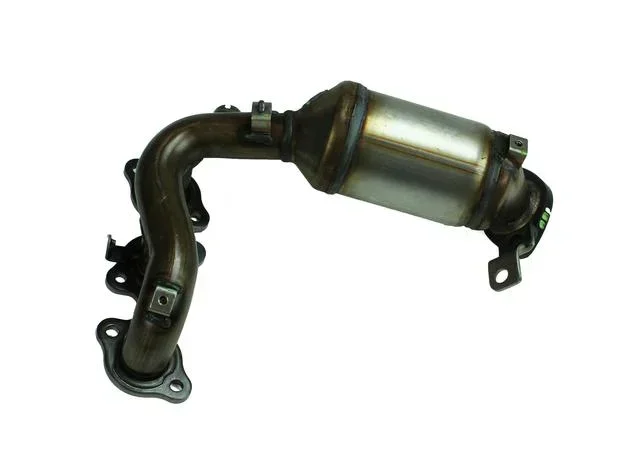
Before we dive into whether your Toyota can run without one, let us talk about what this part actually does. The catalytic converter sits in your exhaust system, usually between the engine and the muffler. Its job is to clean up harmful gases before they leave your vehicle.
Here is how it works in simple terms:
- Converts carbon monoxide into carbon dioxide
- Changes nitrogen oxides into nitrogen and oxygen
- Turns unburned hydrocarbons into water and carbon dioxide
Think of it as a filter for your exhaust fumes. Without it, toxic gases flow straight out of your tailpipe. That is bad news for the environment and for your health.
The catalytic converter also helps your Toyota’s oxygen sensor work properly. This sensor monitors the air-fuel mixture and tells your engine computer how to adjust it. When the converter is gone, the oxygen sensor gets confused, and your engine does not run the way it should.
Can a Toyota Run Without a Catalytic Converter?
The honest answer is yes, your Toyota can technically run without a catalytic converter. The engine does not need the converter to ignite fuel or move the pistons. It is part of the exhaust system, not the combustion process itself.
But just because it can run does not mean it should. Removing this component creates a domino effect of problems that can hurt your vehicle over time.
What Happens When You Start the Engine Without One
When you turn the key and your Toyota starts without a catalytic converter, here is what you will notice right away:
- Loud exhaust noise: The converter acts as a muffler of sorts. Without it, your Toyota sounds much louder and rougher.
- Rough idle: The engine may shake or run unevenly at a stoplight.
- Reduced power: You might feel sluggish when accelerating.
- Rotten egg smell: Sulfur from the exhaust fumes becomes much more noticeable.
These symptoms happen because the exhaust gases are not being filtered properly. The engine performance takes a hit almost immediately.
Short-Term vs Long-Term Effects
It is important to understand the difference between short-term and long-term effects.
Short-term: Your Toyota will move. You can drive it to the store or to work. The engine fires, the wheels turn, and you get from point A to point B. But the ride will be rough, loud, and uncomfortable.
Long-term: This is where things get serious. Driving without a converter for weeks or months can cause real damage. The unburned fuel can contaminate the engine oil. The oxygen sensor can fail completely. And your catalytic converter check engine light will stay on, warning you that something is wrong.
If you are wondering whether you can ignore the problem, think again. Just like driving with a P0171 code, running without a catalytic converter is a problem that tends to get worse over time if you do not address it.
What Happens When You Remove a Catalytic Converter?
Some people remove their catalytic converters on purpose. They do it for more horsepower or a louder exhaust sound. But this practice, often called a catalytic converter delete, comes with serious consequences.
Engine Performance Changes
You might hear people say that removing the converter gives you more power. And technically, there is less back pressure in the exhaust system. But the gains are minimal on a modern Toyota. The engine computer is designed to work with the converter in place.
Without it, you may experience:
- Poor fuel efficiency: Your Toyota uses more gas than it needs to.
- Erratic engine behavior: The fuel-to-air ratio gets thrown off.
- Engine misfires: The spark plugs and combustion cycle suffer.
- Overheating risks: Just like your car can overheat on a hot day, removing the converter can cause excess heat in the exhaust system.
The truth is, modern Toyotas are built with precision. Every part works together. Removing one piece disrupts the whole system.
Emissions and Environmental Impact
This is where removing the converter really hits hard. Your Toyota produces a lot of harmful pollutants during normal operation. The catalytic converter reduces these pollutants by up to 90 percent.
Without it, your vehicle releases:
- Carbon monoxide — a poisonous gas
- Nitrogen oxides — a major contributor to smog
- Hydrocarbons — harmful to both people and animals
If you care about the environment (and you should), keeping your catalytic converter intact is a simple but powerful step.
Is It Legal to Drive Without a Catalytic Converter?
Here is the short answer: no, it is not legal in most places. The catalytic converter has been required on all new vehicles sold in the United States since 1975. Federal law mandates it under the Clean Air Act.
State and Local Laws
While federal law sets the baseline, individual states enforce their own rules. Some states have stricter emissions testing than others.
In California, for example, you cannot pass a smog test without a functioning catalytic converter. Texas also requires emissions testing in many counties. If your Toyota fails the test, you cannot register the vehicle.
Even in states without regular emissions testing, police can still pull you over for a missing converter. The noise alone can warrant a citation. And if your vehicle fails an inspection during registration renewal, you will need to install a new one before you can proceed.
Can You Get Away With It?
Some people do drive without a converter and never get caught. But that does not make it legal. And the risks go beyond a simple ticket. If you are involved in an accident, your insurance company may deny your claim. They could argue that your vehicle was not street legal at the time of the incident.
Also, keep in mind that driving a totaled car or operating a vehicle that does not meet safety standards can lead to additional legal complications.
How Much Does a Catalytic Converter Replacement Cost?
If your catalytic converter is damaged or stolen, you are probably wondering about the cost. This is one of the most expensive parts to replace on any Toyota.
Average Replacement Costs by Toyota Model
The price varies widely depending on your Toyota model and year. Here is a general breakdown:
- Toyota Corolla: $500 to $1,000
- Toyota Camry: $800 to $1,500
- Toyota RAV4: $1,000 to $1,800
- Toyota Tacoma: $1,200 to $2,500
- Toyota 4Runner: $1,000 to $2,000
These prices include both the part and labor. Some Toyota models have converters that are more expensive due to the amount of precious metals inside, such as platinum, palladium, and rhodium.
Why Are Toyota Catalytic Converters So Expensive?
Toyota uses high-quality materials in their converters. These precious metals help break down exhaust gases more effectively. The more precious metals inside, the higher the cost.
Unfortunately, this also makes Toyota converters a prime target for catalytic converter theft. Thieves can remove a converter in minutes and sell it to scrap metal dealers for hundreds of dollars.
Can You Replace It Yourself?
Some experienced DIYers attempt to replace their own catalytic converters. If you have the right tools and mechanical skills, it is possible. However, we strongly recommend having a professional handle this job. A poorly installed converter can cause exhaust leaks, engine damage, and failed inspections.
And if you are not sure whether your converter needs replacement, consider getting a professional diagnosis first. Many auto parts stores offer free diagnostic checks that can pinpoint the problem without costing you a dime.
How to Protect Your Toyota Catalytic Converter
Since catalytic converter theft has become so common, taking preventive steps is smart. Here are some practical tips to keep your Toyota’s converter safe.
1. Park in a Secure Location
Garage parking is always best. If you do not have a garage, park in a well-lit area close to your home. Avoid parking on the street overnight when possible.
2. Install an Anti-Theft Device
Several companies make catalytic converter protection devices. These include:
- Steel shields: Metal plates that cover the converter and make it harder to cut
- Alarm systems: Sensors that detect vibration from cutting tools
- Tire locks: Devices that prevent your vehicle from being driven away
3. Engrave Your Vehicle Identification Number
Some police departments recommend engraving your VIN on the catalytic converter. This makes it easier to identify a stolen part and recover it.
4. Stay Vigilant
If you notice a new rattling sound under your Toyota, get it checked right away. A loose or damaged converter is an easy target for thieves. And if you wake up to find your converter missing, report it to the police immediately.
Common Symptoms of a Failing Catalytic Converter
You do not always need to remove your converter to experience problems. A failing converter can cause just as many issues.
Watch for These Warning Signs
- Check engine light stays on: This is the most common sign. Your Toyota’s computer detects a problem with the converter and triggers the warning light.
- Rattling noise from underneath: The internal honeycomb structure can break apart over time, creating a loud rattle.
- Reduced fuel economy: A clogged converter forces your engine to work harder, using more fuel.
- Failed emissions test: If your Toyota does not pass a smog check, the converter could be the culprit.
- Rotten egg or sulfur smell: This indicates that sulfur compounds are not being properly converted.
- Sluggish acceleration: Your Toyota feels slow or unresponsive when you press the gas pedal.
If you notice any of these symptoms, do not ignore them. The longer you wait, the worse the problem gets. And in some cases, a completely clogged converter can prevent your Toyota from starting at all.
Can You Replace a Catalytic Converter with a Straight Pipe?
Some people wonder if they can just remove the converter and replace it with a straight pipe. The answer is technically yes, but we do not recommend it.
A straight pipe eliminates all emission control. Your Toyota will run rough, sound loud, and fail any emissions inspection. You will also likely trigger your check engine light permanently because the oxygen sensor cannot function correctly.
Instead, if your converter is damaged, invest in a proper replacement. It costs more upfront, but it saves you from headaches, fines, and engine damage down the road.
Expert Insights
We spoke with several Toyota mechanics about the most common catalytic converter issues they see. Here is what they had to say:
Mike R., ASE Certified Technician: “I see a lot of Toyota owners who ignore the check engine light for months. By the time they bring the car in, the catalytic converter is completely clogged. At that point, replacement is the only option. Regular maintenance and prompt attention to warning signs can prevent this.”
Sarah T., Toyota Dealership Service Advisor: “Catalytic converter theft has skyrocketed in the last few years. We recommend that every Toyota owner take basic precautions. A simple steel shield can save you thousands of dollars.”
James L., Independent Auto Mechanic: “If your Toyota is running rough or the check engine light is on, do not just disconnect the sensor to silence it. That is a band-aid fix. Get to the root of the problem before it damages the converter further.”
Conclusion
So, can a Toyota run without a catalytic converter? Yes, it can. But should you do it? Absolutely not.
The catalytic converter is a critical part of your Toyota’s exhaust system. It keeps your engine running smoothly, reduces harmful emissions, and keeps you on the right side of the law. Whether your converter is damaged, stolen, or simply worn out, replacing it is the smart move.
Do not let a small problem turn into a big expense. Pay attention to the warning signs. Get regular maintenance. And if you ever notice something off with your Toyota, take it to a trusted mechanic right away. Your Toyota — and the environment — will thank you.
Frequently Asked Questions
Can I drive my Toyota if the catalytic converter is completely removed?
Technically yes, but you should not. Without a catalytic converter, your Toyota will run rough, produce toxic emissions, and likely fail any emissions inspection. You could also face fines for violating clean air laws in your state.
How do I know if my Toyota catalytic converter is stolen?
If your Toyota makes a loud rattling noise when you start it, or if the exhaust sound is suddenly much louder, the converter may be missing. Visually inspect the underside of your vehicle. A missing converter leaves a gap in the exhaust pipe near the engine.
What happens if I ignore a failing catalytic converter?
Ignoring a failing converter can lead to a clogged exhaust system, reduced engine performance, poor fuel economy, and eventually a vehicle that will not start. The longer you wait, the more expensive the repair becomes.
Is a catalytic converter delete legal for off-road use only?
Some states allow catalytic converter removal for vehicles that are strictly off-road and not registered for street use. However, this varies by location. Always check your local laws before removing any emissions equipment.
Can a bad catalytic converter cause my Toyota to overheat?
Yes, a severely clogged converter can cause excess heat in the exhaust system. This can lead to overheating issues, similar to how a car can overheat on a hot day. If you notice both overheating and exhaust problems together, get your Toyota inspected immediately.
How long does a Toyota catalytic converter last?
On average, a Toyota catalytic converter lasts between 70,000 and 100,000 miles. However, this depends on driving habits, fuel quality, and engine condition. Regular maintenance and using quality fuel can help extend its lifespan significantly.