Can AutoZone Test My Fuel Pump And Save You Money Now
Yes, AutoZone can test your fuel pump using free diagnostic equipment and pressure testing tools available in-store. Getting your fuel pump tested at AutoZone saves you hundreds of dollars compared to dealership diagnostics, and their team can quickly identify whether your fuel pump replacement is truly necessary before you spend a dime.
Your car hesitates when you hit the gas. It struggles to start on cold mornings. Or maybe it just dies without warning while you are cruising down the highway. These frustrating experiences often point to one culprit: a failing fuel pump. The question on every car owner’s mind is simple. Can AutoZone test my fuel pump? The answer is a reassuring yes.
AutoZone is one of the largest auto parts retailers in the country, and they offer more than just shelves full of replacement parts. They provide free diagnostic testing for many car components, including the fuel pump. This means you can walk into your local store, have a technician hook up diagnostic equipment, and get a clear answer on whether your fuel pump is the real problem. No guesswork. No expensive dealership fees. Just straightforward answers.
Knowing whether your fuel pump is failing before you buy a replacement can save you hundreds of dollars. Sometimes the symptoms you blame on a bad fuel pump actually come from a blown fuel pump fuse, a faulty relay, or a clogged fuel filter. AutoZone’s testing process helps you rule out these cheaper alternatives first. This article walks you through everything you need to know about getting your fuel pump tested at AutoZone, what the process involves, and how to decide if a replacement is truly needed.
Key Takeaways
- AutoZone offers free fuel pump testing using in-store diagnostic equipment and pressure gauges to check pump performance.
- You can save significant money by testing at AutoZone instead of paying dealership or mechanic diagnostic fees upfront.
- Common fuel pump symptoms include starting problems, engine stalling, power loss, and a whining noise from the tank.
- AutoZone sells replacement fuel pumps for most vehicle makes and models at competitive prices.
- A fuel pump pressure test is the most reliable way to confirm pump failure before purchasing a new part.
- You can drive with a failing fuel pump temporarily, but it risks leaving you stranded and causing further engine damage.
- Always check your fuel pump fuse and relay first, as these are cheaper fixes that mimic pump failure symptoms.
📑 Table of Contents
- What Is a Fuel Pump and Why Does It Matter
- Can AutoZone Actually Test Your Fuel Pump
- Common Fuel Pump Symptoms You Should Not Ignore
- How AutoZone’s Fuel Pump Testing Saves You Money
- What Happens If the Test Confirms a Bad Fuel Pump
- Other AutoZone Services That Help with Fuel System Issues
- When to Skip AutoZone and Go Straight to a Mechanic
- Final Thoughts on Getting Your Fuel Pump Tested at AutoZone
What Is a Fuel Pump and Why Does It Matter
Your fuel pump is the heart of your car’s fuel delivery system. It sits inside or near your gas tank and pushes fuel from the tank to the engine at the right pressure. Without a working fuel pump, your engine simply cannot get the fuel it needs to run. Think of it like the circulatory system of your car. When that system breaks down, everything suffers.
Most modern cars use an electric fuel pump mounted inside the fuel tank. The fuel surrounding the pump keeps it cool and lubricated. This design is reliable, but like any mechanical part, it wears out over time. Fuel pumps typically last between 100,000 and 150,000 miles, though some last longer and others fail much earlier depending on driving conditions and maintenance habits.
How the Fuel Pump Works
When you turn your key to the “on” position, the fuel pump activates and pressurizes the fuel system. It sends a steady stream of fuel through the fuel lines and filter to the engine’s fuel injectors. The engine control module, or ECM, monitors this process closely. If the fuel pressure drops below a certain level, your check engine light will often illuminate. A P0171 code, which indicates a lean fuel condition, can sometimes point directly to a weak fuel pump that is not delivering enough fuel pressure.
The fuel pump relies on several supporting components to work properly. The fuel pump relay sends electrical current to the pump. The fuel pump fuse protects the electrical circuit. And the fuel filter catches debris before it reaches the pump and injectors. All of these parts work together as a team. If one fails, the others can be affected too.
Can AutoZone Actually Test Your Fuel Pump
The short answer is yes. AutoZone can test your fuel pump in most cases, and the best part is that many of their diagnostic services are free. When you visit your local AutoZone store, a parts specialist can connect a diagnostic scan tool to your vehicle’s onboard computer to read any error codes and check fuel system performance data.
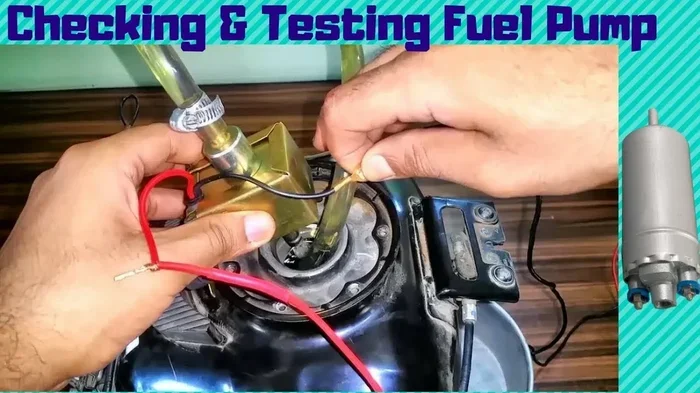
AutoZone also has fuel pump pressure testing equipment available in-store. This allows a technician to attach a gauge directly to the fuel rail and measure the actual fuel pressure your pump is delivering. Comparing that reading to your vehicle’s specifications tells you whether the pump is working within the normal range or if it has weakened over time.
What to Bring When You Visit AutoZone
Before you head to the store, there are a few things you should bring and prepare. Having these ready makes the testing process faster and more accurate:
- Your vehicle identification number, or VIN. This helps the parts specialist find the exact fuel pump that fits your specific make and model.
- A description of the symptoms you are experiencing. Note when the problem occurs. Does it happen when the engine is cold? At highway speeds? When the tank is low? These details help narrow down the diagnosis.
- Your owner’s manual if you have it. This contains your vehicle’s fuel system specifications, including the correct fuel pressure range.
- Your check engine light codes if you have them. You can get these read for free at AutoZone using their in-store scan tool, or you may already have them from a previous check.
The Testing Process Step by Step
When you arrive at AutoZone, here is what the testing process typically looks like. First, the parts specialist will connect a diagnostic scan tool to your vehicle’s OBD-II port, which is usually located under your dashboard on the driver’s side. This tool reads the codes stored in your engine control module. Codes related to fuel delivery, such as lean condition codes or fuel pressure codes, give the technician valuable clues.
Next, the technician may perform a fuel pump pressure test. They attach a fuel pressure gauge to the fuel rail or fuel line and start the engine. The gauge shows the actual fuel pressure in pounds per square inch, or PSI. They compare this reading to the factory specification for your vehicle. If the pressure is too low, too high, or drops rapidly when the engine is under load, the fuel pump is likely the problem.
In some cases, the technician may also check the fuel pump’s electrical connections. They will test the voltage reaching the pump and check the ground connection. A fuel pump can be mechanically fine but still fail to operate properly if it is not receiving enough electrical current. This is why checking the fuel pump relay and fuse is also part of a thorough inspection.
Common Fuel Pump Symptoms You Should Not Ignore
Your car gives you warning signs long before a fuel pump completely fails. Recognizing these symptoms early can save you from a stressful roadside breakdown. Here are the most common signs that your fuel pump may be going bad:
- Difficulty starting the engine. A weak fuel pump takes longer to build the pressure needed to start your car. You may turn the key and hear the engine crank for several seconds before it catches.
- Engine stalling at high temperatures. If your car stalls frequently when the engine is hot, a failing fuel pump is a prime suspect. The pump struggles to maintain consistent pressure as it overheats.
- Loss of power under load. When you are carrying heavy cargo, towing a trailer, or climbing a steep hill, a weak fuel pump cannot deliver enough fuel to meet the engine’s demand. You will feel the car hesitate or lose power.
- Surging or sputtering at highway speeds. A fuel pump that sends inconsistent fuel pressure causes the engine to surge forward and then pull back. This is especially noticeable at steady highway speeds.
- A whining noise coming from the fuel tank. A healthy fuel pump makes a subtle hum. A failing pump often produces a loud, high-pitched whining sound that grows louder as the pump deteriorates.
- Poor fuel economy. When a fuel pump sends too much fuel or operates inefficiently, your car burns more gas than usual. You may notice you are filling up more often than normal.
- Engine won’t start at all. In severe cases, a completely failed fuel pump means the engine cranks but will not fire. This usually happens when the pump has completely stopped working.
If you are experiencing any of these symptoms, getting tested at AutoZone is a smart first step. You can still drive with a failing fuel pump for a short time, but doing so risks leaving you stranded. A complete fuel pump failure while driving can also cause damage to other engine components if the fuel supply is cut off suddenly.
When Symptoms Point to Something Else
Here is an important thing to keep in mind. Not every symptom that feels like a fuel pump problem actually is one. Several other issues can mimic fuel pump failure. A clogged fuel filter restricts fuel flow just like a weak pump would. A faulty fuel pressure regulator can cause low pressure at the injectors. Even a bad fuel pump fuse or a corroded ground wire can prevent the pump from receiving power. This is exactly why professional testing matters. You want to confirm the root cause before spending money on parts.
How AutoZone’s Fuel Pump Testing Saves You Money
The biggest advantage of getting your fuel pump tested at AutoZone is the cost savings. Most dealerships charge between $100 and $200 just for a diagnostic fee before they even start working on your car. Independent mechanics often charge $75 to $150 for a fuel system diagnostic. At AutoZone, the testing itself is typically free when you purchase parts or simply walk in for a diagnosis.
Let us break down the potential savings with a real-world example. Say your car is showing symptoms of a bad fuel pump. If you take it to a dealership, you pay the diagnostic fee, then you are told you need a new fuel pump. The part alone might cost $200 to $400, and labor at a dealership can add another $200 to $400. Your total bill could easily reach $600 to $800.
Now imagine walking into AutoZone instead. You get a free diagnostic test. The technician confirms the fuel pump is weak. You purchase a replacement fuel pump from AutoZone for $150 to $300. If you feel comfortable doing the work yourself, you save on labor entirely. If you take it to a local mechanic, the labor cost is typically much lower than a dealership. Either way, you save a significant amount of money.
AutoZone also offers a free diagnostic scan of your vehicle’s computer system, which can reveal whether fuel-related codes are present. This service alone is worth the trip, even if you decide not to buy parts that day. To learn more about what free diagnostics can reveal, check out their guide on Can You Get A Free Diagnostic On Your Car.
Comparing AutoZone Testing vs. Dealership Testing
| Factor | AutoZone | Dealership |
|---|---|---|
| Diagnostic Fee | Free | $100 – $200 |
| Fuel Pump Pressure Test | Available in-store | Included in diagnostic |
| Parts Availability | Immediate, competitive pricing | Higher markup on OEM parts |
| Labor Cost (if outsourced) | Lower at independent shops | Highest rates |
| Expertise on Your Vehicle | General knowledge across brands | Brand-specific training |
| Turnaround Time | Quick, same-day results | May require appointment |
As you can see, AutoZone provides a fast and affordable path to diagnosing fuel pump issues. The only situation where a dealership might be better is if your vehicle requires brand-specific tools or software that a general parts store does not have. For most standard fuel pump diagnostics, AutoZone handles the job well.
What Happens If the Test Confirms a Bad Fuel Pump
If AutoZone’s testing confirms that your fuel pump has failed or is weakening, you have several options. The first and most obvious is to purchase a replacement fuel pump from AutoZone. They carry fuel pumps for a wide range of vehicle makes and models, including both standard and high-performance options.
Before you buy, make sure you are getting the right part. The parts specialist can look up your VIN and confirm the exact pump that fits your vehicle. You should also ask whether the pump includes a new fuel filter or if you need to purchase one separately. Replacing the fuel filter at the same time as the pump is a smart maintenance practice that extends the life of your new pump.
DIY Replacement vs. Professional Installation
Replacing a fuel pump is a moderately challenging repair. It involves accessing the fuel tank, disconnecting fuel lines, and removing the old pump assembly. If you are comfortable working with fuel systems and have basic mechanical tools, you can save a lot of money by doing it yourself. Many car owners with moderate mechanical skills complete the job in two to four hours.
However, if you are not confident about working with fuel lines and electrical connections, hiring a professional is the safer choice. A local mechanic can typically install a fuel pump for $150 to $300 in labor, which is far less than a dealership would charge. Just remember to bring your new pump to the shop so you are only paying for labor.
If you are dealing with a fuel pump issue and also wondering about other electrical problems, such as whether a weak battery could cause similar starting issues, you might find value in learning about Can I Still Drive With A P0171 Code, since this fuel system code often overlaps with fuel pump symptoms.
Tips for Extending Your New Fuel Pump’s Life
Once you have your new fuel pump installed, you want to make it last as long as possible. Here are some practical tips that car owners often overlook:
- Keep your fuel tank at least a quarter full. The fuel pump relies on the fuel inside the tank for cooling. Running the tank very low frequently causes the pump to overheat and wear out faster.
- Replace your fuel filter regularly. A clogged filter forces the pump to work harder to push fuel through. Most manufacturers recommend replacing the fuel filter every 30,000 to 60,000 miles.
- Use quality fuel from reputable stations. Contaminated fuel can clog the pump and injectors, leading to premature failure.
- Address fuel system leaks immediately. Even small leaks can introduce air into the fuel system, causing the pump to cavitate and lose pressure.
These simple habits can add years of life to your fuel pump and save you from an unexpected replacement bill down the road.
Other AutoZone Services That Help with Fuel System Issues
AutoZone offers several additional services that complement fuel pump testing and help you get to the bottom of fuel system problems. Understanding these services can make your next visit more productive.
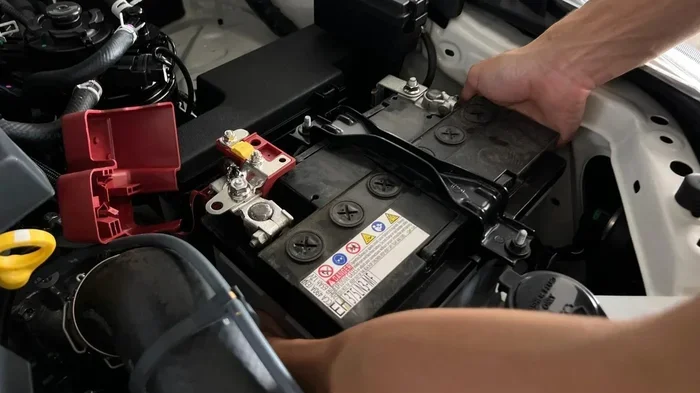
AutoZone’s free battery testing can reveal whether a weak electrical system is contributing to fuel pump problems. Since the fuel pump relies on electrical current to operate, a battery that is struggling to hold a charge can cause the pump to underperform. This is a connection many car owners miss.
Their free code reading service goes beyond just fuel pump diagnostics. When the technician pulls up your error codes, they can identify issues across the entire fuel system, including the oxygen sensors, mass airflow sensor, and fuel pressure regulator. These components all interact with the fuel pump, and a problem in any one of them can create symptoms that mimic pump failure.
AutoZone also sells a range of fuel system maintenance products, including fuel system cleaners and fuel additives. While these products cannot fix a mechanically failed pump, they can help maintain the rest of the fuel system and prevent future issues. Using a quality fuel injector cleaner every few thousand miles keeps the injectors flowing properly and reduces the workload on the fuel pump.
If you are dealing with fuel system concerns, it is also worth checking whether any fuel-related codes are stored in your computer. Sometimes a fuel pressure issue triggers a code that points you in the right direction before you even visit the store. You can read more about what happens when your car shows a lean condition code at their page about Can I Still Drive With A P0171 Code.
When to Skip AutoZone and Go Straight to a Mechanic
While AutoZone is excellent for fuel pump testing and parts, there are situations where you should go directly to a professional mechanic. If your fuel pump has completely failed and your car will not start, you need a tow and immediate service rather than a diagnostic visit. AutoZone is not a repair shop, so they cannot perform the actual replacement for you.
Additionally, if your vehicle has complex fuel system components that require specialized tools, such as a diesel fuel pump with high-pressure common rail systems, a dealership or specialized mechanic may be better equipped. AutoZone’s tools are designed for standard gasoline fuel systems found in most passenger cars and light trucks.
Finally, if you have already replaced the fuel pump and are still experiencing symptoms, the problem likely lies elsewhere in the fuel system. A mechanic with advanced diagnostic equipment can trace the issue back to its true source. Persistent fuel delivery problems after a pump replacement could indicate a clogged fuel line, a faulty pressure regulator, or an issue with the engine control module itself.
Knowing when to use AutoZone and when to seek professional help is an important part of being a smart car owner. For initial testing, diagnosis, and parts purchasing, AutoZone is hard to beat. For complex repairs or situations where the car is not drivable, a trusted mechanic is the better choice.
Final Thoughts on Getting Your Fuel Pump Tested at AutoZone
The bottom line is clear. AutoZone can test your fuel pump quickly, accurately, and at no cost to you. Whether you are dealing with a car that struggles to start, an engine that stalls unexpectedly, or a check engine light that has you worried, AutoZone gives you the answers you need to make an informed decision about repairs.
Testing your fuel pump at AutoZone saves you money by eliminating guesswork and preventing unnecessary part replacements. You get a professional diagnosis, clear guidance on what needs to be fixed, and access to quality replacement parts at fair prices. It is one of the smartest moves any car owner can make when fuel system problems arise.
Next time your car shows signs of fuel pump trouble, do not rush to the dealership or spend money on parts you are not sure you need. Walk into your local AutoZone instead. Get the testing done, get the answers, and then decide the best path forward for your wallet and your vehicle. Your fuel pump will thank you, and so will your bank account.
Frequently Asked Questions
How long does it take to test a fuel pump at AutoZone?
The testing process typically takes between 15 and 30 minutes, depending on how busy the store is and how many diagnostic checks need to be performed. Most customers can get a clear answer on their fuel pump health during a single visit.
Does AutoZone charge money for fuel pump testing?
No. AutoZone offers free diagnostic testing for fuel pumps and many other vehicle components. There is no charge for the testing itself, even if you do not purchase any parts from them.
Can I replace my fuel pump myself after getting it tested at AutoZone?
Yes, many car owners with basic mechanical skills can replace their own fuel pump. AutoZone sells the parts and can provide guidance on the process. However, if you are not comfortable working with fuel lines and electrical connections, hiring a professional mechanic is the safer option.
What is the average cost of a fuel pump replacement?
A fuel pump typically costs between $150 and $400 for the part alone. If you hire a mechanic for installation, labor adds another $150 to $300. The total cost usually ranges from $300 to $700, which is significantly less than what a dealership would charge.
Can a bad fuel pump cause a check engine light to come on?
Yes, a failing fuel pump often triggers a check engine light because it cannot maintain the proper fuel pressure. This can result in lean fuel condition codes, such as a P0171 code, which indicates the engine is running too lean due to insufficient fuel delivery.
What other fuel system components should I check if my pump tests fine?
If your fuel pump tests good, the next things to check include the fuel filter, fuel pressure regulator, fuel pump relay, and fuel pump fuse. A clogged filter or faulty relay can mimic pump failure symptoms even when the pump itself is working properly.
=== CONCLUSION ===
AutoZone can absolutely test your fuel pump and help you avoid unnecessary repair costs. Their free diagnostic services, combined with competitive pricing on replacement parts, make them one of the best first stops for any fuel system concern. Whether your fuel pump is showing early warning signs or has completely failed, getting a professional diagnosis before buying parts is the smartest decision you can make. Take your car to AutoZone, get the answers you need, and take control of your car maintenance with confidence.