Can I Still Drive With Oil Change Light On Right Now
The oil change light is a warning from your car that service is due soon. You can usually drive a short distance, but ignoring it for too long risks engine damage and costly repairs. This guide explains exactly what the light means, how long you can safely drive, and simple steps to reset it.
That little yellow or orange light on your dashboard just popped up. It says oil change, or maybe it shows a little oil can symbol. You are driving, you need to get somewhere, and now you are wondering: can I still drive with oil change light on? The short answer is yes, but there is more to it than that. This light is your car’s way of telling you that engine oil needs to be replaced soon. Driving a short distance is typically fine. But pushing it for weeks or hundreds of miles can lead to real problems.
In this article, we will walk through everything you need to know about the oil change light. We will cover what it means, how long you can safely drive, what happens if you ignore it, and how to reset it. Whether you drive a sedan, truck, or SUV, this guide will help you make the right call for your car maintenance routine.
Key Takeaways
- Short drives are usually safe: You can drive a few miles to reach a service center when the oil change light comes on.
- Ignoring the light is risky: Prolonged driving without an oil change can cause engine wear and serious damage.
- The light is a reminder, not an emergency: Unlike the oil pressure warning, the oil change light is part of your oil life system and signals scheduled service.
- Resetting is simple: Most vehicles let you reset the oil change reminder in just a few steps using the dashboard controls.
- Check your owner manual: Every car brand has different intervals and reset procedures, so always refer to your specific vehicle maintenance schedule.
- Use quality oil and filters: Sticking to the right oil viscosity and oil filter keeps your engine running smoothly between service intervals.
📑 Table of Contents
- What Does the Oil Change Light Mean?
- Can You Still Drive When the Oil Change Light Is On?
- What Happens If You Ignore the Oil Change Light?
- How to Reset the Oil Change Light
- Tips to Keep Your Engine Healthy Between Oil Changes
- Comparison: Oil Change Light vs. Other Dashboard Warning Lights
- Common Mistakes People Make With the Oil Change Light
- When to See a Mechanic
- Final Thoughts
What Does the Oil Change Light Mean?
The oil change light is part of your vehicle’s oil life system. It is not the same as the oil pressure warning light. The pressure light means your engine has dangerously low oil right now. The oil change light is a dashboard warning that tells you your service interval has been reached. It is a reminder based on mileage, driving conditions, or time passed since your last oil change interval.
Most modern cars use an oil life system that tracks your driving habits. Factors like short trips, extreme temperatures, and towing can shorten the interval. The system adjusts the oil change reminder accordingly. So the light may come on earlier for some drivers and later for others. This is smart design, but it can also be confusing if you do not know how it works.
Oil Change Light vs. Oil Pressure Light
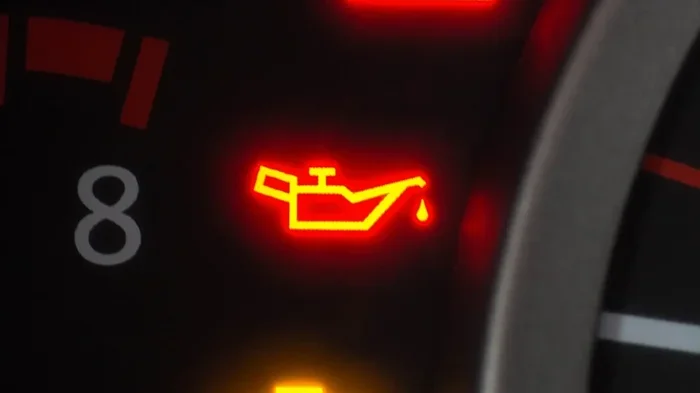
It is important to know the difference between these two warnings. The oil pressure light is usually red and shaped like an oil can with a drip. This is a serious warning. If it comes on, pull over immediately. Driving with low oil pressure can destroy your engine in minutes.
The oil change light is typically yellow or orange. It is less urgent. It means your engine oil is still at a safe level, but it has broken down and needs to be replaced. Think of it as a service reminder, not an emergency. Still, you should not ignore it for too long.
Can You Still Drive When the Oil Change Light Is On?
Yes, you can still drive when the oil change light is on. Most mechanics agree that you have a reasonable window to get the oil changed. This window is usually around 500 to 1,000 miles past the reminder. However, this depends on your driving conditions and the type of engine oil you use.
If you are far from a service center, you can drive to the nearest auto repair shop without worry. The key is to get the oil changed as soon as possible after the light appears. Delaying too long puts extra strain on your engine. Over time, old oil loses its ability to lubricate, clean, and cool engine parts effectively.
For those wondering about other warning lights, check out our guide on Can I Still Drive With A P0171 Code to understand how different dashboard warnings affect your ability to drive safely.
How Far Can You Go?
Most vehicles can handle about 500 to 1,000 miles after the oil change light comes on. But this is not a hard rule. Here are some factors that affect how far you can safely go:
- Driving conditions: Stop-and-go traffic, extreme heat, and towing all wear out oil faster.
- Oil type: Synthetic oil generally lasts longer than conventional oil. If you use full synthetic, you may have a bit more leeway.
- Vehicle age: Older engines may burn oil faster and need more frequent changes.
- Oil level: If the oil level is also low, you should address that immediately, not wait for the light.
The bottom line is that you should treat the oil change reminder as a prompt to schedule service soon. Do not treat it as permission to forget about your car maintenance altogether.
What Happens If You Ignore the Oil Change Light?
Ignoring the oil change light is one of the most common mistakes drivers make. It is easy to push it off, especially when life gets busy. But here is what can happen if you keep driving without changing your oil.
Reduced Engine Performance
Old oil becomes dirty and thick. It loses its ability to flow smoothly through the engine. This means more friction between moving parts. You may notice your engine feels sluggish, less responsive, or makes unusual noises. These are early signs that driving with low oil or old oil is taking a toll.
Engine Overheating
Engine oil does more than just lubricate. It also helps absorb and carry away heat. When oil breaks down, it cannot do this job well. Your engine may start to run hotter than normal. In hot weather, this risk increases. For more on this topic, see our article on Can A Car Overheat On A Hot Day.
Costly Engine Damage
This is the worst-case scenario. When oil completely breaks down or runs too low, metal parts grind against each other. This can cause engine damage that requires expensive repairs or even a full engine replacement. A simple oil change costs a fraction of what an engine rebuild costs. The math is clear: do not skip your service interval.
Voided Warranty
If your car is still under warranty, missing scheduled oil changes can void that warranty. Manufacturers require proof of regular vehicle maintenance schedule compliance. Keep your oil change receipts and records. They matter more than you might think.
How to Reset the Oil Change Light
Once you have your oil changed, the next step is to reset the oil change reminder. The process varies by car brand and model, but the general steps are similar for most vehicles.
Common Reset Methods
Here are the most common ways to reset the oil change light:
- Using the steering wheel controls: Turn the ignition to the on position (do not start the engine). Press and hold the reset button on the steering wheel until the light flashes and resets.
- Using the infotainment system: Navigate to the vehicle settings menu on your screen. Look for “Maintenance” or “Oil Life System” and select “Reset.”
- Using a physical button near the dashboard: Some older models have a small button on the instrument panel or near the steering column. Press and hold it while turning the key.
If you are unsure about the process for your specific vehicle, check your owner’s manual. You can also visit a dealership or auto repair shop and ask them to reset it for you. Many places will do it for free if you had the oil changed there.
If you are dealing with other dashboard warnings, our article on Can You Pass Emissions With Vsc Light On explains how warning lights can affect your vehicle’s inspection and performance.
When the Light Keeps Coming Back
Sometimes the oil change light will not go off after resetting. This can happen for a few reasons:
- The oil was not changed yet (the system needs the new oil to register).
- There is a fault in the oil level sensor or oil sensor.
- The oil life system needs a professional scan tool to reset.
If the light keeps returning, it is worth having a mechanic check the oil sensor and oil level sensor. A faulty sensor can trigger the light even when your oil is fine. Getting a free diagnostic at many shops can help you figure out what is going on.
Tips to Keep Your Engine Healthy Between Oil Changes
You do not have to wait for the oil change light to take care of your engine. There are simple habits that can extend the life of your engine oil and keep your car running strong.
Check Your Oil Level Regularly
Make it a habit to check your oil level at least once a month. Use the dipstick when the engine is cool and the car is on level ground. If the level is low, top it off with the oil viscosity grade recommended by your manufacturer. This simple step can prevent many engine problems.
Watch for Warning Signs
Your car often gives you clues before the oil change light even comes on. Listen for unusual engine noises, pay attention to any burning smells, and watch for dark or gritty oil on your dipstick. These are signs that your engine oil needs attention sooner than the scheduled oil change interval.
Follow the Manufacturer’s Recommendations
Every car comes with a recommended oil change interval in the owner’s manual. Some cars say every 5,000 miles, others every 7,500 or 10,000 miles. If you use synthetic oil, the interval may be even longer. Stick to the recommended service interval for best results.
Use Quality Oil and Filters
Not all oil filters and engine oil are created equal. Using high-quality synthetic oil and a reputable brand oil filter can improve engine protection and extend the time between changes. It is a small investment that pays off in the long run.
Comparison: Oil Change Light vs. Other Dashboard Warning Lights
| Warning Light | Color | Urgency Level | What It Means | Can You Still Drive? |
|---|---|---|---|---|
| Oil Change Light | Yellow/Orange | Low to Moderate | Scheduled oil service is due | Yes, for a limited distance |
| Oil Pressure Light | Red | Critical | Dangerously low oil pressure | No, pull over immediately |
| Check Engine Light | Yellow | Moderate | Emissions or sensor issue | Yes, but get checked soon |
| Battery Light | Red | High | Charging system problem | Get to a shop soon |
| Brake Warning Light | Red | Critical | Brake system issue | Do not drive, call for help |
As you can see, the oil change light is among the least urgent warnings on your dashboard. But that does not mean it should be ignored. Treat it as a friendly reminder to keep up with your car maintenance routine.
Common Mistakes People Make With the Oil Change Light
There are a few mistakes that many drivers make when the oil change light comes on. Avoiding these can save you time, money, and headaches.
- Assuming the light means the oil is empty: The light is a reminder, not an emergency. Your oil level is likely still fine.
- Resetting the light without changing the oil: This clears the reminder but does nothing for your engine. Always change the oil first.
- Ignoring the light for months: Even if the car seems fine, old oil breaks down and stops protecting your engine.
- Never checking the actual oil level: The oil life system is a guide, but physically checking your oil with the dipstick gives you the real picture.
- Using the wrong oil type: Always use the oil viscosity grade and type recommended by your manufacturer.
When to See a Mechanic
There are times when the oil change light is not just a simple reminder. You should see a mechanic if:
- The light comes on before you have driven the expected service interval miles.
- The light stays on even after you have reset it and changed the oil.
- You notice other symptoms like engine knocking, reduced fuel economy, or unusual exhaust smoke.
- The oil on your dipstick looks black, gritty, or has a burnt smell.
- The oil pressure warning light also comes on along with the oil change light.
In these cases, the issue may go deeper than a simple oil change. The oil sensor could be malfunctioning, or there could be an underlying problem with oil circulation. A professional diagnostic can pinpoint the exact cause.
If you are looking for affordable options, many shops offer free diagnostic services that can help you understand what your car is trying to tell you.
Final Thoughts
So, can I still drive with oil change light on? Yes, you can. The oil change light is a service reminder, not a red-alert emergency. You have a window of several hundred to a thousand miles to get your oil changed. But that window is not infinite. The longer you wait, the more risk you put your engine under.
Stay on top of your car maintenance schedule. Check your oil level regularly. Use quality engine oil and oil filters. And when that oil change reminder comes on, do not ignore it. A small investment in routine maintenance today saves you from major repairs tomorrow.
Your car is one of your biggest investments. Treating it well starts with something as simple as changing the oil on time. Next time that oil change light pops up on your dashboard, you will know exactly what to do.
Frequently Asked Questions
How long can I drive with the oil change light on?
Most vehicles allow you to drive between 500 and 1,000 miles after the oil change light comes on. However, this depends on your driving conditions, the type of oil you use, and your vehicle model. The safest approach is to get the oil changed as soon as possible.
Is the oil change light the same as the oil pressure light?
No, they are different. The oil change light is usually yellow or orange and means service is due. The oil pressure light is red and means your engine has dangerously low oil pressure right now. If the red oil pressure light comes on, pull over immediately.
Can I reset the oil change light without changing the oil?
You can reset the light mechanically, but this is not recommended. Resetting without changing the oil just clears the reminder and does nothing to protect your engine. Always change the oil first, then reset the oil change reminder.
What happens if I never reset the oil change light?
If you never reset the light after an oil change, it will continue to remind you that service is due. This can be annoying but does not harm your vehicle. The light will eventually turn off on its own in some models after a certain number of ignition cycles.
Does the oil change light mean my oil is low?
Not necessarily. The oil change light is based on your oil life system, which tracks mileage, driving habits, and time since the last change. Your oil level may still be full. However, it is a good idea to check your dipstick to confirm the level is adequate.
How often should I change my oil if I rarely drive?
Even if you do not drive often, oil degrades over time due to moisture buildup and oxidation. Most manufacturers recommend changing oil at least once a year, regardless of mileage. Check your vehicle maintenance schedule for specific guidance.