Can An Alternator Last 200K Miles?
An alternator can sometimes last 200K miles, but it depends on your vehicle, driving habits, and maintenance routine. Most alternators are rated for 100K to 150K miles, though some well-maintained units push well beyond that mark. This guide covers everything you need to know about extending your alternator life and spotting failure early.
Key Takeaways
- Average alternator lifespan: Most last between 100K and 150K miles, but 200K is possible with proper care.
- Warning signs matter: Dimming lights, dead battery, and strange noises are early clues your alternator is failing.
- Maintenance extends life: Regular belt checks, clean connections, and smart driving habits add years to your alternator.
- Replacement cost is manageable: Expect to pay between $300 and $800 for parts and labor combined.
- Driving style affects longevity: Short trips and extreme temperatures put extra strain on your charging system.
- Don’t ignore electrical issues: Problems like a P0171 code or starting trouble could point to alternator wear.
- Hybrid vehicles add complexity: If you drive a hybrid, jumper cable use and electrical demands differ from standard cars.
📑 Table of Contents
- What Does an Alternator Do and Why Does It Matter?
- How Long Should an Alternator Last?
- Signs Your Alternator Is Starting to Fail
- Factors That Affect Alternator Lifespan
- Can You Make an Alternator Last 200K Miles?
- Alternator Replacement: What to Expect
- Maintenance Tips to Extend Your Alternator Life
- Conclusion
What Does an Alternator Do and Why Does It Matter?
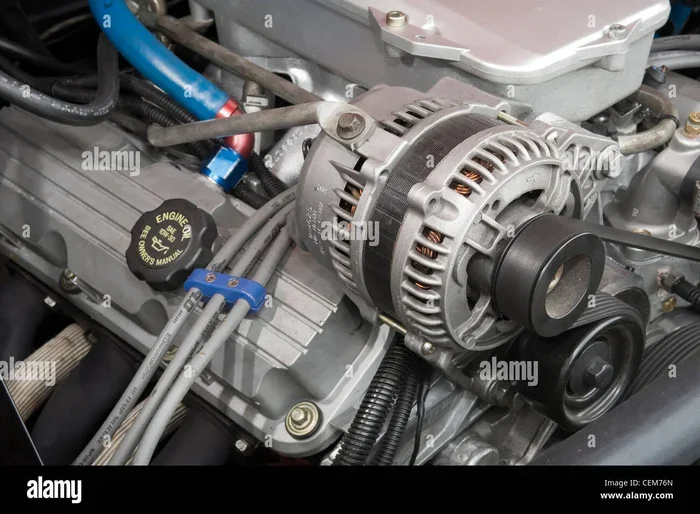
Your alternator is one of the hardest-working parts in your vehicle. It keeps your battery charged and powers all the electrical systems while your engine runs. Without a working alternator, your car simply stops.
Think of the alternator as your car’s personal power plant. Every time you turn on the headlights, play music, or charge your phone, the alternator handles that load. It converts mechanical energy from your engine into electrical energy your car can use.
Most drivers never think about their alternator until something goes wrong. And when it does fail, you are usually stuck on the side of the road with a dead battery. That is why understanding how long these parts last matters so much.
The big question many car owners ask is simple: can an alternator last 200K miles? The short answer is yes, but it is not guaranteed. Let us dig into what determines alternator lifespan and how you can help yours reach that milestone.
How Long Should an Alternator Last?
Most alternators are designed to last somewhere between 100,000 and 150,000 miles. That is the general range you will see in most owner’s manuals and repair guides. But numbers alone do not tell the full story.
Some drivers report their alternators lasting well past 200,000 miles. Others see failure at 80,000 miles. The difference comes down to several factors we will cover below. What matters is that there is no single magic number.
Your driving conditions matter a lot. If you mostly drive on highways in mild weather, your alternator likely has an easier life. But stop-and-go city driving in extreme heat or cold puts more stress on the entire electrical system.
Vehicle brand and model also play a role. Some manufacturers use higher-quality alternator components than others. A luxury vehicle or a heavy-duty truck might have a more robust charging system built to handle greater electrical loads over time.
Average Alternator Lifespan by Vehicle Type
Here is a general breakdown of what you can expect:
- Standard sedans and SUVs: 100K to 150K miles under normal conditions.
- Heavy-duty trucks and towing vehicles: 80K to 120K miles due to higher electrical demands.
- Hybrid vehicles: The alternator works differently and may last longer, but hybrid systems like jumper cable usage require special care.
- Older vehicles with simpler electrical systems: Often reach 150K to 200K miles because there is less strain on the charging system.
- Modern cars with heavy electronics: May see alternator wear closer to 80K to 100K miles because of the constant power draw.
The takeaway here is that your specific vehicle and how you use it matters more than any generic number. If you want your alternator to hit 200K miles, you need to understand what works against it and what supports it.
Signs Your Alternator Is Starting to Fail
Catching alternator problems early can save you from a roadside breakdown. The warning signs usually show up gradually, giving you time to act. Here are the most common symptoms to watch for.
Dimming or Flickering Lights
If your headlights or dashboard lights seem dimmer than usual, especially at idle, that is a classic sign. Your alternator is not generating enough power to keep everything bright. This often gets worse when you turn on the AC or other accessories.
Dead or Weak Battery
A failing alternator cannot properly charge your battery. You might jump-start your car and find the battery dies again within a day or two. Many people mistake this for a bad battery when the real culprit is the alternator. If you are dealing with starting issues, it could also be related to a worn-out key or ignition problems that prevent the car from starting properly.
Strange Noises
Listen for whining or grinding sounds coming from the engine bay. These noises often mean the alternator bearings are wearing out. A squealing sound when you start the car can also point to a loose or slipping drive belt connected to the alternator.
Warning Lights on the Dashboard
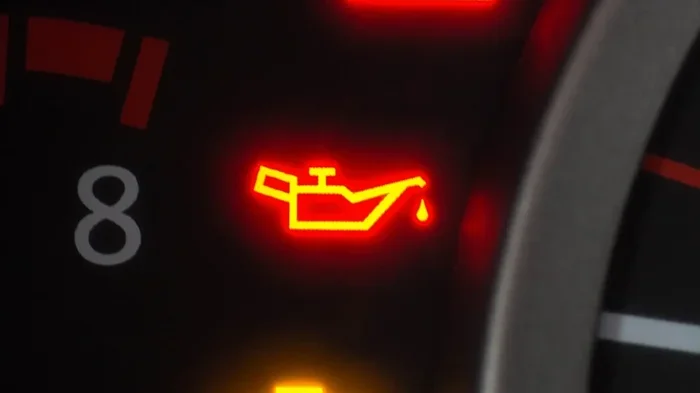
Your check engine light or battery warning light may illuminate. Some vehicles have a dedicated alternator or charging system light. Do not ignore these warnings. They are your car telling you something needs attention.
Electrical Malfunctions
Power windows moving slowly, the radio resetting, or flickering dashboard gauges can all point to insufficient power from the alternator. Modern cars rely heavily on electricity, so any electrical gremlin is worth investigating.
If you notice a combination of these symptoms, get your charging system tested right away. Many auto parts stores offer free diagnostics, so you do not even need to spend money to get answers.
Factors That Affect Alternator Lifespan
Why do some alternators last 200K miles while others fail at half that? Several factors come into play. Understanding them helps you take control of your alternator’s longevity.
Driving Habits
Short trips are tough on alternators. Each time you start the car, the alternator has to work hard to recharge the battery. If you only drive five minutes to the grocery store and back, the alternator never fully recovers. Over time, this constant cycling wears out the internal components faster.
On the other hand, long highway drives give the alternator a steady, moderate workload. This is actually better for the charging system overall.
Temperature and Weather
Extreme heat is one of the biggest enemies of electrical components. High underhood temperatures degrade the alternator’s internal wiring and bearings over time. Cold weather thickens the engine oil and makes the alternator work harder to turn the engine over during startup.
Electrical Load
Every aftermarket accessory you add draws power. Extra lights, a high-powered sound system, a roof rack with lights, or a trailer wiring harness all increase the demand on your alternator. If your stock alternator was sized for the factory electrical load, adding accessories pushes it closer to its limits.
Belt and Tensioner Condition
The drive belt that turns your alternator wears out over time. A cracked or loose belt causes the alternator to spin inconsistently. A bad tensioner adds vibration and uneven wear. Regular belt inspections are a simple way to protect your alternator.
Battery Health
A weak or failing battery puts extra strain on the alternator. The alternator has to work overtime to compensate for a battery that cannot hold a charge properly. Keeping your battery in good shape directly supports alternator longevity.
Corrosion and Connection Quality
Dirty or corroded battery terminals and alternator wiring connections create resistance in the electrical circuit. This forces the alternator to work harder to deliver the same amount of power. Clean connections make a surprising difference in how long your charging system lasts.
Can You Make an Alternator Last 200K Miles?
Now we get to the heart of the question. Is 200K miles realistic for an alternator? Yes, but it takes effort and awareness.
First, you need a solid baseline alternator from a reputable brand. Cheap alternators from unknown manufacturers may not even make it to 100K miles. Investing in a quality unit from the start gives you the best chance of reaching that 200K milestone.
Second, follow a consistent maintenance schedule. Check your drive belt every 30,000 miles. Clean battery terminals at least twice a year. Have your charging system tested during every oil change or major service visit.
Third, pay attention to your driving patterns. If you mostly take short trips, consider using a battery maintainer or trickle charger when the car sits for long periods. This reduces the workload on the alternator and keeps the battery healthy.
Fourth, address electrical problems immediately. If you notice dim lights, strange noises, or warning signals, do not wait. A small issue today becomes a big repair tomorrow. Ignoring early symptoms is one of the fastest ways to kill an alternator prematurely.
Some drivers also ask about diagnostic trouble codes. For example, if you see a P0171 code, it might not seem related to the alternator, but lean fuel conditions and charging system health can interact in complex ways. Always get a full diagnosis when warning lights appear.
Keep in mind that vehicle electrical systems have become more complex over the years. Modern cars pack dozens of computers and sensors into every corner. This means the alternator works harder than it did in older models. If you are driving a newer car, extra vigilance with your charging system maintenance pays off.
Alternator Replacement: What to Expect
Even with the best care, every alternator eventually reaches the end of its life. Knowing what to expect during replacement helps you plan and budget effectively.
How Much Does It Cost?
The cost of replacing an alternator typically ranges from $300 to $800. The parts alone usually run between $150 and $350, depending on your vehicle make and model. Labor adds another $150 to $450, since accessing the alternator can be straightforward on some engines and complicated on others.
If you have mechanical skills, replacing an alternator yourself can save you a significant amount. Many alternators are accessible with basic tools and a service manual. Just make sure you disconnect the battery first and follow proper safety procedures.
Should You Replace the Belt Too?
Yes, in most cases. If your alternator has failed, the drive belt has been working hard alongside it. Replacing both at the same time prevents a second labor job down the road. It is a smart, cost-effective approach to protecting your charging system going forward.
OEM vs. Aftermarket Parts
Original Equipment Manufacturer parts match what came in your car from the factory. They tend to be more expensive but offer reliable quality. Aftermarket alternators from brands like Denso, Bosch, and ACDelco provide excellent alternatives at lower prices. Read reviews and check warranty coverage before you buy.
If you are dealing with a vehicle that has electrical issues beyond the alternator, such as persistent starting problems, you might want to investigate whether a worn-out key could be contributing to the issue. Sometimes multiple electrical gremlins overlap and create confusion about the root cause.
Maintenance Tips to Extend Your Alternator Life
Prevention is always cheaper than repair. A few simple habits can add tens of thousands of miles to your alternator’s life. Here are the most effective tips.
- Inspect the drive belt regularly. Look for cracks, glazing, or fraying. Replace it at the first sign of wear.
- Keep battery terminals clean. Use a wire brush and baking soda solution to remove corrosion every six months.
- Avoid overloading the electrical system. Add aftermarket accessories thoughtfully and make sure your alternator can handle the extra load.
- Get charging system tests done often. Many shops offer this for free. A quick test takes minutes and catches problems early.
- Drive your car regularly. Long drives are better for the charging system than frequent short trips.
- Watch your voltage. A healthy alternator should output between 13.8 and 14.4 volts. Use a multimeter to check periodically.
- Address warning lights immediately. Do not ignore the battery or check engine light. Early action prevents costly damage.
If you ever find yourself stranded with a dead battery and no charging system, you might wonder if you can use jumper cables on a hybrid vehicle. The answer is yes, but it requires special care because hybrid systems have high-voltage components that demand extra caution during jump-starting.
Also, if you are dealing with broader electrical or starting issues, it is worth checking whether a worn-out key or ignition cylinder could be contributing to your problems. Sometimes what feels like an alternator issue is actually something simpler in the starting circuit.
And if you are trying to save money on car-related expenses, understanding when you can negotiate on a factory order car or write off certain costs for business use might help offset maintenance investments. Every little bit helps with car ownership costs.
Conclusion
So, can an alternator last 200K miles? Absolutely. It is not the norm, but it is entirely achievable with the right approach. Most alternators will last 100K to 150K miles under average conditions. But with quality parts, consistent maintenance, smart driving habits, and prompt attention to warning signs, you can push your alternator well beyond the expected lifespan.
The key is staying proactive. Do not wait for your alternator to fail before you pay attention to it. Regular inspections, clean connections, and a healthy battery all work together to keep your charging system strong mile after mile.
Your alternator works hard every time you turn the key. Give it the care it deserves, and it will keep your car running reliably for years to come. Start today by checking your drive belt and battery terminals. Those two simple steps alone can make a real difference in how long your alternator lasts.
Remember, every mile you add to your alternator’s life is a mile you spend not worrying about a roadside breakdown. That peace of mind is worth every minute of maintenance effort.
Frequently Asked Questions
What are the most common alternator failure symptoms?
The most common signs include dimming headlights, a dead or repeatedly dying battery, strange whining or grinding noises from the engine bay, and illuminated dashboard warning lights. If you notice any combination of these, get your charging system tested as soon as possible.
How much does it cost to replace an alternator?
Replacement costs typically range from $300 to $800, depending on your vehicle make and model. Parts usually cost between $150 and $350, while labor adds another $150 to $450. Some vehicles have alternators that are harder to access, which drives up the labor cost.
Can I drive with a failing alternator?
You can drive short distances with a failing alternator, but it is risky. Your battery will eventually drain completely, leaving you stranded. If you notice alternator symptoms, get the vehicle inspected and plan for a replacement as soon as you can.
Does driving short trips shorten alternator life?
Yes, frequent short trips put extra strain on the alternator because it never gets a chance to fully recharge the battery between starts. Over time, this constant cycling wears out internal components faster than regular highway driving would.
Should I replace the battery and alternator at the same time?
If your battery is more than three to five years old, it makes sense to replace both at the same time. A new alternator working with an old, weak battery will still struggle to keep your electrical system running properly.
How can I test my alternator at home?
You can use a multimeter to check the voltage at your battery terminals with the engine running. A healthy alternator should read between 13.8 and 14.4 volts. Anything below 13.5 volts suggests the alternator is not charging properly and needs further inspection.