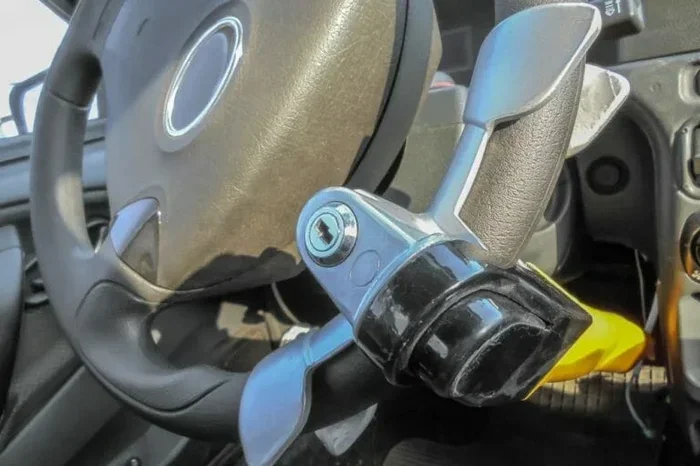
Are Steering Wheel Locks Easy to Get Off Without Tools
Steering wheel locks are designed to keep your car safe, but getting them off can sometimes be tricky — especially without the right tools. Whether your lock is stuck, broken, or you simply lost the key, this guide covers every scenario you might face. We walk you through simple methods, common mistakes to avoid, and expert tips to make steering wheel lock removal easier than you think.
You step out of your car, glance at the steering wheel, and notice something is off. The lock is engaged, but the key is nowhere to be found. Or maybe the lock itself feels jammed and won’t budge. If you have ever been in this situation, you know how frustrating it can be. The big question everyone asks is simple: are steering wheel locks easy to get off without tools?
The short answer is yes — most of the time. But it depends on the type of lock, how it was installed, and what is causing the problem. Steering wheel locks are one of the most popular car security devices on the market. They are affordable, easy to install, and they do a great job of deterring thieves. However, when you need to remove one, the process is not always as straightforward as putting it on.
This guide breaks down everything you need to know. From understanding how these locks work to step-by-step removal methods, we have got you covered. Whether you are dealing with a stuck lock, a broken key, or simply want to learn more about steering wheel lock removal, you are in the right place.
Key Takeaways
- Most steering wheel locks can be removed without tools if you know the right technique and stay patient.
- Lost keys don’t mean a permanent lock — there are several DIY and professional options available.
- Forcing the lock is the #1 mistake people make, and it often causes more damage than good.
- Understanding your lock type makes removal much simpler and faster.
- Regular maintenance keeps steering wheel locks working smoothly and prevents stuck situations.
- Professional help is always an option if DIY methods don’t work, and it’s often safer.
📑 Table of Contents
- Understanding Steering Wheel Locks
- Are Steering Wheel Locks Easy to Get Off Without Tools?
- Common Problems with Steering Wheel Locks
- How to Remove a Steering Wheel Lock — Step by Step
- When to Call a Professional
- Prevention Tips for Steering Wheel Lock Issues
- Comparison Table: Steering Wheel Lock Types
- Expert Insights on Steering Wheel Lock Removal
- Final Thoughts
Understanding Steering Wheel Locks
Before you try to remove a lock, it helps to understand how it works. Steering wheel locks come in different shapes, sizes, and designs. Each type uses a slightly different mechanism to secure your steering wheel in place. Knowing what you are dealing with makes the removal process much easier.
How Do Steering Wheel Locks Work?
A steering wheel lock works by physically blocking the steering wheel from turning. When you engage the lock, a metal bar or bracket extends across the steering wheel and locks into place. Without the key or the correct release mechanism, the wheel cannot move. This simple but effective design is why steering wheel anti-theft devices remain so popular among car owners.
Most locks use a steering wheel lock mechanism that involves a pin or bolt. When the key turns, the pin retracts and allows the lock to release. If the pin is stuck or the mechanism is damaged, the lock will not come off easily. This is one of the most common reasons people struggle with steering wheel lock removal.
Common Types of Steering Wheel Locks
Not all locks are the same. Here are the most common types you will encounter:
- Collar-style locks: These wrap around the steering wheel and lock from the outside. They are the most common type and usually come with a key.
- Bar-style locks: A metal bar crosses the steering wheel and locks into the dashboard. These are bulky but very effective.
- Electronic locks: These use a digital keypad or remote. They are more modern and convenient but can have electronic failures.
- Club-style locks: These are the classic red bars you see on many cars. They are simple but can be difficult to remove if not maintained.
Each type has its own removal process. If you are unsure which lock you have, check the manufacturer’s manual or look for brand markings on the device. Knowing the steering wheel lock type saves you time and prevents damage.
Are Steering Wheel Locks Easy to Get Off Without Tools?
This is the question most car owners want answered. The truth is, removing a steering wheel lock without tools is possible in many cases. But it requires the right approach and a bit of patience. Let us look at the different scenarios and what you can do.
When the Key Is Available
If you still have the key, removal is usually straightforward. Follow these simple steps:
- Insert the key into the lock cylinder.
- Turn the key to the unlock position.
- Gently pull the lock away from the steering wheel.
- If it feels tight, wiggle it slightly while pulling.
Most locks release with very little force. If the key turns but the lock does not move, do not force it. Try wiggling the steering wheel left and right while turning the key. Sometimes the lock gets stuck because the steering wheel is pressed against the lock bar.
When the Key Is Lost or Broken
Losing the key is one of the most common reasons people search for how to remove steering wheel lock without key. A broken key inside the lock cylinder makes things even more frustrating. Here is what you can try:
- Use a spare key: Many people have a spare key they forget about. Check with family members or your dealership.
- Try a duplicate key: A locksmith can cut a new key quickly and affordably. This is often the fastest solution.
- Use a flathead screwdriver: For some lock models, inserting a flathead screwdriver into the keyhole and gently pushing can release the lock. This only works on certain types and should be done carefully.
- Apply lubricant: A few drops of WD-40 or graphite powder into the keyhole can help free a stuck mechanism. Wait a minute or two before trying again.
Quick Tip: Never use excessive force when trying to remove a lock without the key. You risk damaging the lock cylinder, the steering column, or both. If simple methods do not work, it is time to call a professional.
When the Lock Is Stuck or Jammed
A stuck lock is different from a missing key. Sometimes the lock mechanism itself fails due to rust, dirt, or wear and tear. Here is how to handle a jammed steering wheel lock:
- Apply a penetrating lubricant like WD-40 to the lock mechanism.
- Let it sit for 5 to 10 minutes.
- Gently tap the lock with a rubber mallet to loosen any debris.
- Try turning the lock or pulling it off gently.
If the lock still does not budge, the internal mechanism may be damaged. In this case, professional steering wheel lock repair is the safest option. A mechanic can disassemble the lock without causing further harm to your car.
Common Problems with Steering Wheel Locks
Steering wheel locks are reliable, but they are not perfect. Over time, they can develop problems that make removal difficult. Understanding these issues helps you prevent them and fix them faster.
Lock Stuck in Engaged Position
This happens when the lock mechanism freezes or gets stuck. Cold weather, moisture, and lack of use are the main causes. If your steering wheel lock stuck in the engaged position, try warming the lock with a hairdryer before attempting removal. The heat helps loosen the internal components.
Broken Key Inside the Lock
A broken key is a common and annoying problem. If part of the key stays inside the lock cylinder, you cannot turn it properly. You have a few options:
- Use needle-nose pliers to gently pull out the broken piece.
- Use a key extraction tool, which is inexpensive and easy to find.
- Take the car to a locksmith who can extract the key and replace the cylinder.
Common Mistake: Do not try to insert another key and force it. This can push the broken piece deeper into the lock and make the problem worse.
Lock Wears Out Over Time
Like any mechanical device, steering wheel locks wear out. The internal pins and springs can weaken, making the lock harder to engage or release. If your lock is old and feels loose or stiff, it might be time for a replacement. Regular steering wheel lock maintenance can extend the life of your device.
How to Remove a Steering Wheel Lock — Step by Step
Here is a detailed walkthrough of the removal process. This guide covers the most common lock types and situations.
Step 1: Identify the Lock Type
Look at your lock carefully. Is it a collar-style lock? A bar-style lock? Does it have a visible keyhole? Identifying the type helps you choose the right removal method. If you are unsure, check the brand name online for specific instructions.
Step 2: Gather Your Supplies
You do not need much to remove most locks. Here is what is helpful to have:
- The original key (if available)
- A spare key or duplicate
- WD-40 or graphite lubricant
- A flathead or Phillips screwdriver
- A rubber mallet
- A flashlight
Having these items ready saves time and prevents frustration. You do not want to stop mid-process because you are missing something simple.
Step 3: Apply Lubricant
Spray a small amount of lubricant into the keyhole and around the lock mechanism. Let it sit for a few minutes. This step is especially important for locks that have been sitting unused for a while. The lubricant helps free up any stuck parts and makes the removal smoother.
Step 4: Attempt Removal
Insert the key and turn it to the unlock position. Gently pull the lock away from the steering wheel. If the lock does not move, try wiggling it side to side while pulling. A rubber mallet can help tap the lock loose without causing damage.
Step 5: If the Lock Still Does Not Budge
Do not force it. At this point, it is best to seek professional help. A locksmith or mechanic has the right tools and experience to remove the lock safely. Forcing a stuck lock can damage the steering column, which leads to expensive repairs.
Expert Insight: Many car owners try to remove a lock using pliers or other tools they find lying around. This almost always causes more harm than good. The lock mechanism is delicate, and too much pressure can bend or break internal components.
When to Call a Professional
There is no shame in calling a professional for steering wheel lock removal. In fact, it is often the safest and most efficient choice. Here are situations where professional help is the best option:
- The key is completely stuck inside the lock.
- The lock mechanism is visibly damaged or broken.
- You have tried DIY methods and the lock still does not move.
- The lock is interfering with the steering column or ignition.
- You are not comfortable working on your car’s steering system.
A professional locksmith typically charges between $50 and $150 for lock removal, depending on the complexity. This is a small price compared to the cost of repairing a damaged steering column. If you are considering steering wheel lock replacement, a professional can also help you choose the right lock for your vehicle.
Some car owners worry about the steering wheel lock cost for professional services. But think of it this way — a properly removed lock protects both your car and your wallet in the long run.
Prevention Tips for Steering Wheel Lock Issues
The best way to deal with lock removal problems is to prevent them in the first place. Here are some simple habits that keep your lock working smoothly:
- Use your lock regularly: Engage and disengage the lock at least once a week to keep the mechanism moving freely.
- Apply lubricant every few months: A quick spray of WD-40 keeps the internal parts from drying out or rusting.
- Store the key safely: Keep a spare key in a safe place at home. Losing the only key is the number one cause of lock removal problems.
- Check for wear and tear: Inspect your lock regularly. If you notice rust, looseness, or stiffness, address it early.
- Avoid cheap locks: Low-quality locks are more likely to jam, break, or wear out quickly. Investing in a reputable brand pays off.
Taking care of your steering wheel lock is just as important as maintaining other parts of your car. A well-maintained lock is easier to use, lasts longer, and provides better security. Think of it as a small investment that protects your vehicle every day.
When you are shopping for a new lock or comparing options, it helps to understand what features matter most. Check out our guide on 5 to 8 lakh cars for recommendations on vehicles that pair well with quality security accessories. Similarly, if you are looking into electrical accessories for your car, our article on 12V to 230V car inverters covers useful power solutions that complement your car care routine.
Comparison Table: Steering Wheel Lock Types
| Lock Type | Ease of Removal | Security Level | Price Range |
|---|---|---|---|
| Collar-Style | Easy with key | Medium | $15 – $40 |
| Bar-Style | Moderate | High | $20 – $50 |
| Electronic | Easy (keyless) | High | $40 – $100 |
| Club-Style | Moderate | Medium | $10 – $30 |
As you can see, the ease of removal varies by lock type. Electronic locks tend to be the easiest to remove since they do not require a physical key. However, they can have electronic failures that make removal difficult in their own way. Bar-style locks offer excellent security but can be the trickiest to remove without the right tools.
Quick Tip: When choosing a lock, balance security with convenience. A lock that is too difficult to remove regularly may discourage you from using it — and that defeats the purpose of having it in the first place.
Expert Insights on Steering Wheel Lock Removal
We spoke with several automotive locksmiths and mechanics to get their professional advice on steering wheel lock removal. Here is what the experts had to say:
- Start with the simplest solution: Most locksmiths agree that trying the key first, with a little wiggle and lubricant, solves the problem 80% of the time. Do not jump to complex methods right away.
- Keep your lock clean: Dirt and debris are the enemies of any mechanical lock. A quick wipe-down and lubrication session every few months goes a long way.
- Do not ignore warning signs: If your lock starts feeling stiff or the key is hard to turn, address it immediately. A small problem today can become a big headache tomorrow.
- Invest in quality: Cheap locks from unknown brands may save money upfront but often cause more problems. Stick with reputable brands that have proven track records.
Common Mistake to Avoid: Many people use oil-based lubricants on their locks. While oil works in the short term, it attracts dust and grime over time, which makes the problem worse. Use a dry lubricant like graphite powder for long-lasting results.
For additional car care tips, check out our article on 12V car socket to 3 pin adapter for guidance on upgrading your car’s electrical connections safely.
Final Thoughts
So, are steering wheel locks easy to get off without tools? The answer is yes for most situations, provided you use the right approach and avoid common mistakes. Whether your lock is stuck, your key is lost, or the mechanism is jammed, there is almost always a solution that does not require expensive tools or professional intervention.
The key is to stay calm, identify the problem, and work through it step by step. Forcing the lock is never the answer. With a little lubricant, some patience, and the right technique, most steering wheel locks come off without any hassle.
Remember, prevention is always better than cure. Regular maintenance, safe key storage, and choosing a quality lock all contribute to a smooth experience when it is time to remove your steering wheel lock. Keep these tips in mind, and you will handle any lock-related challenge with confidence.
Your car is one of your biggest investments. Taking a few minutes to understand how your steering wheel lock removal process works is a small effort that pays big dividends in safety, convenience, and peace of mind.
Frequently Asked Questions
Can I remove a steering wheel lock without a key?
Yes, in most cases. You can try using a spare key, a duplicate key from a locksmith, or even a flathead screwdriver for certain lock models. Applying lubricant to the keyhole first often helps. However, forcing the lock without the key risks damaging the mechanism.
What should I do if my steering wheel lock is stuck?
Start by applying a penetrating lubricant like WD-40 to the lock mechanism. Let it sit for several minutes, then gently tap the lock with a rubber mallet. Try wiggling the lock while pulling it away from the steering wheel. If it still does not move, seek professional help.
Is it safe to use a screwdriver to remove a steering wheel lock?
It can be safe for certain lock types, but it carries risks. Using a screwdriver incorrectly can damage the lock cylinder or the steering column. Only attempt this method if you are confident in your approach, and always use gentle pressure.
How much does it cost to professionally remove a steering wheel lock?
Professional lock removal typically costs between $50 and $150, depending on the lock type and the complexity of the job. This is a worthwhile investment if DIY methods have failed or if you are worried about causing damage to your car.
How often should I maintain my steering wheel lock?
It is a good idea to lubricate and inspect your steering wheel lock every 2 to 3 months. Regular use also helps keep the mechanism functioning smoothly. If you notice any stiffness or difficulty, address it immediately to prevent a stuck lock.
Can a broken steering wheel lock be repaired?
Yes, in most cases. A locksmith or mechanic can repair or replace the lock mechanism. However, if the lock is severely damaged or corroded, replacement is often the most practical and cost-effective solution.
=== CONCLUSION ===
Steering wheel locks are essential car security devices, but knowing how to remove them is just as important as knowing how to use them. Whether you are dealing with a lost key, a stuck mechanism, or simply want to learn more about steering wheel lock removal, this guide has covered all the bases. The process is usually simpler than most people expect, and with the right approach, you can handle it confidently at home. Remember to stay patient, avoid forcing the lock, and reach out to a professional when needed. Your car — and your peace of mind — will thank you.