Are Toyota Lug Nuts Metric Everything You Need to Know
Yes, Toyota lug nuts use metric threading, which is standard across most Toyota models. Understanding your Toyota lug nut size and thread pitch is essential for safe tire changes and proper wheel maintenance. This guide covers everything you need to know about metric lug nuts, including sizes, torque specifications, and compatibility with aftermarket parts.
Key Takeaways
- Toyota uses metric lug nuts: Nearly all Toyota vehicles use metric-threaded wheel nuts, not standard SAE.
- Common sizes vary by model: Lug nut sizes range from 12mm to 14mm depending on the Toyota model and year.
- Torque specs matter: Always follow the manufacturer-recommended wheel torque settings to avoid damage.
- Aftermarket options exist: You can upgrade to aftermarket lug nuts as long as they match the correct metric thread.
- Use the right tools: A proper metric socket set and torque wrench are essential for Toyota wheel maintenance.
- Check your owner manual: The fastest way to confirm your lug nut specs is to consult your Toyota owner manual.
📑 Table of Contents
- Are Toyota Lug Nuts Metric? The Complete Guide
- Understanding Metric vs Standard Lug Nuts
- Common Toyota Lug Nut Sizes by Model
- Toyota Lug Nut Torque Specifications
- Tools You Need for Toyota Lug Nut Maintenance
- Aftermarket Lug Nuts for Toyota Vehicles
- Common Mistakes When Dealing with Toyota Lug Nuts
- Toyota Lug Nut Maintenance Tips
- Final Thoughts
Are Toyota Lug Nuts Metric? The Complete Guide
If you have ever tried to change a tire on a Toyota and wondered about the lug nut size, you are not alone. Many car owners assume all vehicles use the same type of wheel hardware. But that is not true. Toyota lug nuts are metric, and using the wrong size can cause serious safety issues. This guide will walk you through everything you need to know about Toyota lug nuts, from sizes and thread pitches to torque specifications and aftermarket options.
Whether you are a DIY mechanic or just someone who wants to understand your vehicle better, this article has you covered. We will break down the metric thread system, explain why it matters, and give you practical tips for finding the right parts. By the end, you will feel confident about your Toyota wheel maintenance and know exactly what to look for when buying replacement parts.
Let us start with the basics. Metric lug nuts use a measurement system based on millimeters. This is different from the standard SAE system used in older American vehicles. Toyota, like most Japanese and European car manufacturers, follows the metric standard. This means your Toyota lug nuts will have measurements like 12mm, 14mm, or 17mm. Understanding this distinction is the first step toward proper wheel care.
Understanding Metric vs Standard Lug Nuts
Before diving into Toyota specifics, it helps to understand the difference between metric and standard lug nuts. This knowledge makes everything else easier to grasp.
What Are Metric Lug Nuts?
Metric lug nuts are threaded fasteners measured in millimeters. The thread diameter and pitch are both expressed in metric units. For example, a 14mm x 1.5 lug nut has a 14mm diameter with a thread pitch of 1.5mm per thread. This system is used by Toyota, Honda, Nissan, BMW, Mercedes, and most other non-American manufacturers.
The beauty of the metric system is its simplicity. Every increment is based on tens, which makes calculations and conversions straightforward. When you are shopping for Toyota wheel hardware, you will see metric sizes listed clearly on packaging.
What Are Standard Lug Nuts?
Standard lug nuts use the SAE (Society of Automotive Engineers) measurement system, which is based on inches. You will find these on older American vehicles like Ford, Chevrolet, and Dodge trucks from certain eras. A standard lug nut might be listed as 1/2 inch or 9/16 inch.
The key takeaway here is simple. Toyota vehicles use metric lug nuts. Period. If you try to use a standard SAE socket or nut on a Toyota wheel, it will not fit properly. This can strip the threads, damage the wheel stud, or worse, cause the wheel to come loose while driving.
Common Toyota Lug Nut Sizes by Model
Not all Toyota models use the same lug nut size. The size depends on the vehicle model, year, and trim level. Here is a breakdown of the most common Toyota lug nut sizes you will encounter.
Toyota Camry Lug Nut Size
The Toyota Camry typically uses 14mm x 1.5 metric lug nuts. This is one of the most common sizes across the Toyota lineup. Whether you have a older Camry or a newer model, this size applies to most years. Always double-check your specific year, as changes between generations can occasionally alter the specifications.
Toyota Corolla Lug Nut Size
The Toyota Corolla also commonly uses 14mm x 1.5 lug nuts. This compact sedan has been a staple of Toyota’s lineup for decades, and the consistent lug nut size makes maintenance simple. If you own a Corolla, keeping a 14mm socket in your emergency toolkit is a smart move.
Toyota RAV4 Lug Nut Size
The Toyota RAV4 generally uses 14mm x 1.5 or 17mm lug nuts depending on the generation and trim. The RAV4 is a popular SUV, and its larger wheels sometimes require a bigger socket size. Always verify the exact size for your specific RAV4 model year before purchasing replacement nuts or sockets.
Toyota Tacoma Lug Nut Size
The Toyota Tacoma pickup truck often uses 14mm x 1.5 lug nuts for the standard cab and 17mm for certain configurations. The Tacoma is a workhorse, and its wheel hardware needs to be robust. If you haul heavy loads or tow, checking your lug nut condition regularly is especially important.
Toyota 4Runner Lug Nut Size
The Toyota 4Runner typically uses 14mm x 1.5 metric lug nuts. This rugged SUV shares many parts with the Tacoma, and the lug nut sizing is consistent with that platform. Off-road enthusiasts should pay extra attention to lug nut tightness after wheel changes.
Toyota Lug Nut Torque Specifications
Knowing the right torque specs is just as important as knowing the correct metric size. Over-tightening or under-tightening your wheel lug nuts can lead to dangerous situations.
Why Torque Matters
Wheel torque refers to the amount of rotational force applied when tightening lug nuts. Too much torque can warp brake rotors, stretch wheel studs, or crack alloy wheels. Too little torque can cause wheels to loosen and potentially come off while driving. Both scenarios are dangerous and expensive to fix.
Toyota provides specific torque recommendations for each model. These numbers are carefully engineered based on the vehicle weight, wheel size, and stud diameter. Following them is not optional. It is essential for safety.
Typical Toyota Torque Specs
Most Toyota vehicles recommend a lug nut torque of around 76 to 100 foot-pounds. However, this varies. Smaller models like the Corolla may require less torque, while larger trucks like the Tacoma may need more. Always refer to your owner manual for the exact figure.
Here are some general guidelines to keep in mind:
- Compact sedans: Around 76 to 80 foot-pounds
- Mid-size sedans and SUVs: Around 80 to 90 foot-pounds
- Trucks and larger SUVs: Around 90 to 100 foot-pounds
- Always use a calibrated torque wrench for accuracy
- Re-torque wheels after the first 50 to 100 miles of driving
Quick Tip for Proper Torque
When tightening Toyota lug nuts, follow a star pattern. This ensures even pressure distribution across the wheel hub. Start at one nut, then move to the opposite, and work your way around. Never tighten lug nuts in a circular sequence, as this can warp the brake rotor or hub.
Tools You Need for Toyota Lug Nut Maintenance
Having the right tools makes all the difference when working on your Toyota wheels. Using the wrong tools can damage both the lug nuts and the wheel.
Metric Socket Set
A quality metric socket set is the foundation of any Toyota tool kit. Look for a set that includes sizes from 10mm to 21mm. This range covers virtually all Toyota models. Chrome vanadium steel sockets are durable and provide a snug fit without rounding the nuts.
Torque Wrench
A torque wrench is non-negotiable for proper Toyota wheel maintenance. You can find reliable digital or click-style torque wrenches at most auto parts stores. Set it to the manufacturer-recommended torque for your specific model. This simple tool prevents over-tightening and keeps your wheels safe.
Lug Wrench and Breaker Bar
The factory lug wrench that comes with your Toyota works in a pinch, but a dedicated breaker bar provides more leverage for stubborn nuts. If you frequently work on your vehicle, investing in a quality breaker bar is well worth it.
Thread Chaser or Die
If you ever encounter damaged threads on a Toyota wheel stud, a thread chaser can help restore them. This tool cleans up the threads without removing material, ensuring a proper fit for your metric lug nuts. Keeping one in your garage is a smart precaution.
Aftermarket Lug Nuts for Toyota Vehicles
Many Toyota owners like to customize their wheels with aftermarket lug nuts. Whether you want a cleaner look or need specialty nuts for aftermarket wheels, there are plenty of options available. But compatibility is key.
Choosing the Right Aftermarket Lug Nuts
When shopping for aftermarket lug nuts for your Toyota, look for metric thread specifications that match your vehicle. The most important measurements are the thread diameter, pitch, and seat type. Common seat types for Toyota include cone seat, ball seat, and flat seat.
Here are some tips for selecting the right aftermarket lug nuts:
- Match the thread size: Verify it is metric and matches your Toyota model
- Check the seat type: Cone, ball, or flat seat must match your wheel bore
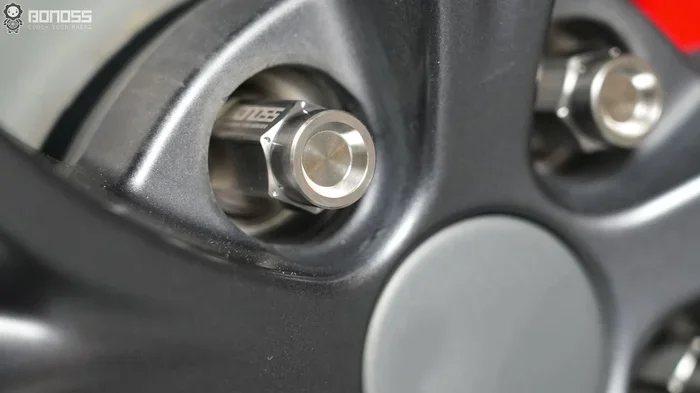
- Consider the material: Chrome, stainless steel, or titanium options are available
- Verify the length: Too short or too long can affect wheel engagement
- Look for OE-equivalent quality: Reputable brands offer reliable alternatives
Are Aftermarket Lug Nuts Safe?
Yes, aftermarket lug nuts are safe as long as they meet the correct specifications for your Toyota. Many aftermarket options are actually higher quality than factory parts. The key is ensuring the thread pitch, diameter, and seat type match your vehicle’s requirements. Cheap, low-quality lug nuts from unknown brands should be avoided, as they may not hold up under stress.
Common Mistakes When Dealing with Toyota Lug Nuts
Even experienced car owners make mistakes when it comes to wheel hardware. Here are some common errors to avoid.
Using the Wrong Size Socket
This is the most common mistake. Grabbing a standard SAE socket instead of a metric socket can strip the lug nut or damage the socket. Always double-check that your tools are metric before starting any wheel work on your Toyota.
Over-Tightening Lug Nuts
It is tempting to crank down as hard as possible, but this is a recipe for disaster. Over-tightening can warp brake rotors, stretch wheel studs, and compromise wheel integrity. Use a torque wrench and stick to the factory specifications.
Ignoring Rust and Corrosion
Toyota vehicles are known for their durability, but lug nuts can still corrode over time, especially in coastal or snowy climates. If a lug nut is stuck due to rust, do not force it. Apply a penetrating lubricant and let it work before trying again. Forcing a corroded nut can break the stud, leading to a much more expensive repair.
Skipping the Re-Torque Step
New wheels or recently changed lug nuts should always be re-torqued after the first 50 to 100 miles. This ensures everything is still tight and secure. Skipping this step can lead to loose wheels, which is a serious safety hazard.
Toyota Lug Nut Maintenance Tips
Keeping your Toyota lug nuts in great shape is simple with a little regular attention. Here are some practical tips to follow.
- Inspect your lug nuts every time you check your tire pressure
- Apply anti-seize compound to wheel studs before installing new lug nuts
- Carry a spare lug nut in your emergency kit, especially for older models
- Clean wheel threads regularly to remove dirt and debris
- Replace stripped or damaged lug nuts immediately
- Keep your owner manual accessible for quick reference to torque specs
Regular maintenance of your Toyota wheel hardware extends the life of your wheels and keeps you safe on the road. It takes just a few minutes but provides peace of mind that should never be overlooked.
Final Thoughts
So, are Toyota lug nuts metric? Absolutely. Every Toyota vehicle uses metric-threaded lug nuts, and understanding this is the foundation of proper wheel maintenance. From the common 14mm x 1.5 size to the torque specifications that keep your wheels secure, knowing your Toyota lug nut specs empowers you as a vehicle owner.
Whether you are changing a flat tire on the side of the road or upgrading to aftermarket wheels, having the right knowledge and tools makes all the difference. Keep a metric socket set in your garage, invest in a quality torque wrench, and always follow the manufacturer recommendations. Your Toyota is built to last, and treating its wheel hardware with care ensures it stays on the road safely for years to come.
If you are curious about other vehicle components or maintenance topics, you might also enjoy learning about steering wheel locks and vehicle security, or explore more about proper push start button usage for your Toyota. Taking care of your vehicle starts with understanding the basics, and now you are equipped with the knowledge to handle Toyota lug nuts with confidence.
Remember, safety always comes first. When in doubt, consult a professional mechanic or refer to your Toyota owner manual. Happy wrenching.
Frequently Asked Questions
Are all Toyota lug nuts the same size?
No, Toyota lug nut sizes vary by model and year. Most common sizes are 14mm x 1.5 and 17mm, but you should always check your specific vehicle’s owner manual or the existing lug nuts to confirm the exact size before purchasing replacements.
Can I use standard SAE lug nuts on a Toyota?
No. Toyota vehicles use metric threading exclusively. Using standard SAE lug nuts or sockets will not fit properly and can damage the wheel studs or lug nuts. Always use metric-spec parts for your Toyota.
How often should I re-torque my Toyota lug nuts?
It is recommended to re-torque your lug nuts after the first 50 to 100 miles of driving, especially after installing new wheels or tires. After that, checking torque during regular tire rotations is a good practice.
What is the average cost of Toyota lug nuts?
A set of quality Toyota lug nuts typically costs between $15 and $50 depending on the material and brand. Aftermarket options from reputable manufacturers may cost slightly more but often offer better durability and finish options.
Can I use an impact wrench to tighten Toyota lug nuts?
You can use an impact wrench to loosen lug nuts, but always use a torque wrench to tighten them to the correct specification. Impact wrenches can easily over-tighten nuts, which can damage brake rotors, warp wheels, or stretch wheel studs.
Where can I find my Toyota lug nut torque specification?
Your Toyota owner manual is the best source for the exact torque specification. You can also check the sticker inside the driver door jamb or consult a Toyota dealership. The typical range for most Toyota models is between 76 and 100 foot-pounds.