Are Prius Catalytic Converters More Valuable Than Others
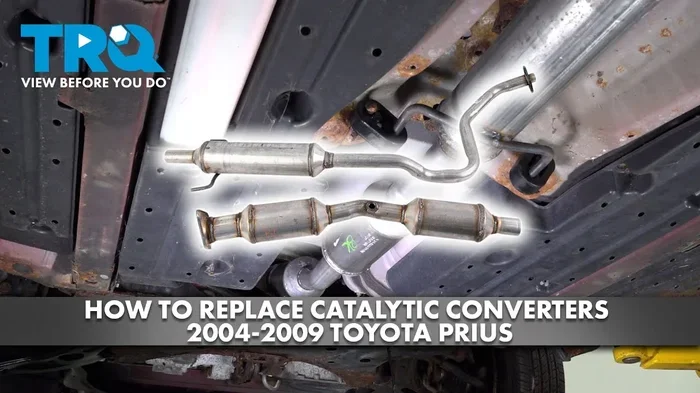
Are Prius catalytic converters more valuable? Yes, they are among the most sought-after converters on the scrap market. The Toyota Prius hybrid system keeps the converter cleaner and richer in precious metals like rhodium, palladium, and platinum, making it a prime target for thieves and a goldmine for recyclers.
Key Takeaways
- High Precious Metal Content: Prius catalytic converters contain significant amounts of rhodium, palladium, and platinum due to their efficient hybrid emissions system.
- Target for Thieves: The high scrap value makes Prius converters one of the most stolen car parts in recent years.
- Hybrid Technology Matters: The Prius hybrid system reduces engine wear on the converter, keeping it in better condition and more valuable.
- Replacement Costs Are Steep: OEM Prius converters can cost anywhere from $1,000 to $3,000+ depending on the model year.
- Protection Is Key: Simple anti-theft measures like steering wheel locks and converter guards can save you thousands.
- Know Your Converter: Understanding what makes your Prius converter valuable helps you make smarter decisions about insurance and replacement.
📑 Table of Contents
- Why Are Prius Catalytic Converters So Valuable?
- What Makes a Catalytic Converter Valuable?
- Prius vs. Other Toyota Models: How Do Converters Compare?
- The Rise in Catalytic Converter Theft
- How to Protect Your Prius Catalytic Converter
- How Much Does It Cost to Replace a Prius Catalytic Converter?
- Can You Sell a Prius Catalytic Converter for Scrap?
- The Environmental Side of Prius Converters
- Common Mistakes Prius Owners Make About Converters
- Key Takeaways
- Conclusion
Why Are Prius Catalytic Converters So Valuable?
If you own a Toyota Prius, you might have heard the rumors. People say your catalytic converter is worth a small fortune. And guess what? They are not wrong. Are Prius catalytic converters more valuable than those in other cars? The short answer is yes. But the full story is fascinating.
The Toyota Prius has been a pioneer in hybrid technology since the late 1990s. Its unique powertrain setup means the catalytic converter operates differently than in a traditional gas-powered car. This difference is exactly what makes Prius converters so desirable in the scrap market.
When you drive a Prius, the electric motor handles much of the low-speed work. The gas engine kicks in less often and runs under less stress. As a result, the catalytic converter experiences less wear and tear. It stays cleaner, which means the precious metals inside remain more intact and more valuable when recycled.
But there is more to the story than just condition. The chemical makeup of the converter itself plays a huge role. Let us break that down.
The Precious Metals Inside Your Prius Converter
Every catalytic converter contains precious metals. These are the real reason converters have scrap value. The three main metals are:
- Rhodium: The most expensive of the three. Rhodium is used to reduce nitrogen oxide emissions. Its price fluctuates wildly but has been known to exceed $10,000 per ounce.
- Palladium: This metal handles carbon monoxide and hydrocarbon emissions. It has become increasingly scarce and expensive over the past decade.
- Platinum: The workhorse of catalytic converters. Platinum converts harmful gases into less toxic substances. It is rarer than gold in many parts of the world.
Prius converters tend to have higher concentrations of these metals compared to many conventional vehicles. The hybrid system allows engineers to design a more efficient emissions setup. This means more precious metals packed into a smaller space. For scrap buyers, that is pure gold. Well, not literally gold, but close.
What Makes a Catalytic Converter Valuable?
Not all catalytic converters are created equal. Several factors determine how much a converter is worth on the scrap market. Understanding these factors helps you see why the Prius converter stands out.
1. Precious Metal Content
This is the big one. The amount of rhodium, palladium, and platinum inside the converter directly affects its value. A Prius converter typically contains more of these metals per gram than many competitors. The exact amount varies by model year, but the trend is consistent across generations.
2. Condition of the Converter
A converter that has been well-maintained and has low mileage will fetch a higher price. Since Prius hybrid systems reduce engine stress, the converter often lasts longer and stays in better shape. This is a double win for owners who want to sell or trade in their vehicle.
3. Model Year and Design
Different Prius generations use different converter designs. Newer models from 2016 onward often have more advanced emissions systems. These systems may contain even higher concentrations of precious metals. Older models from the early 2000s are still valuable but may have slightly less metal content.
4. Market Demand for Scrap Metals
The price of rhodium, palladium, and platinum changes constantly. Global supply chains, mining output, and industrial demand all play a role. When prices spike, Prius converters become even more attractive to scrap dealers and thieves alike.
Prius vs. Other Toyota Models: How Do Converters Compare?
Toyota makes many vehicles, and each one has a different catalytic converter setup. How does the Prius stack up against other Toyota models? Let us look at the comparison.
| Vehicle | Converter Type | Precious Metal Content | Approximate Scrap Value |
|---|---|---|---|
| Toyota Prius (2010-2023) | Direct-fit hybrid OEM | High (rhodium, palladium, platinum) | $800 – $3,000+ |
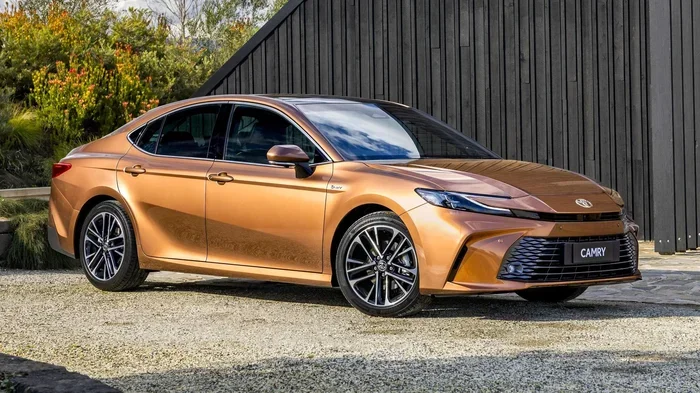
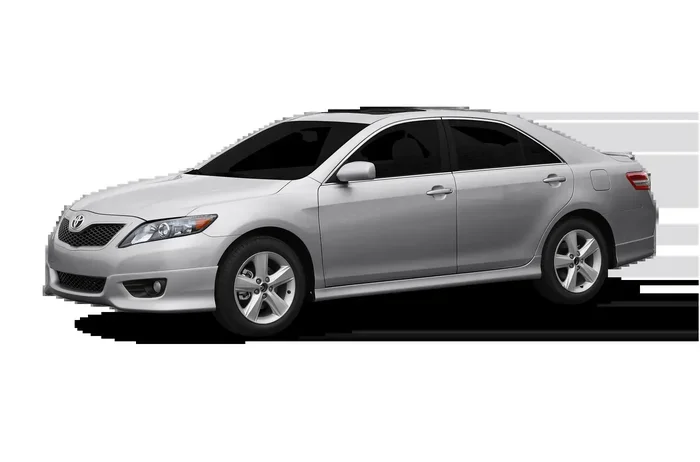
| Toyota Camry | Standard OEM converter | Moderate | $300 – $1,200 |
| Toyota RAV4 | Standard OEM converter | Moderate | $400 – $1,500 |
| Toyota Corolla | Standard OEM converter | Moderate to Low | $200 – $900 |
| Toyota Tacoma | Heavy-duty OEM converter | Moderate | $350 – $1,100 |
As you can see, the Prius converter sits at the top of the value chain among Toyota vehicles. The hybrid system is the main differentiator. Other Toyota models use conventional gas engines that put more strain on the converter over time.
Interestingly, the value difference is not just about the Toyota brand. It is about how the vehicle operates. Even compared to non-Toyota hybrids, Prius converters often command a premium. This is partly because the Prius has such a massive global market share. There are simply more Prius converters in circulation, and scrap buyers know exactly what they are getting.
The Rise in Catalytic Converter Theft
Here is a problem that Prius owners need to know about. Catalytic converter theft has surged in recent years. And Prius converters are among the most targeted. Why? Because they are easy to remove and worth a lot of money on the black market.
Thieves can crawl under a car and cut the converter off the exhaust system in minutes. The Prius sits low to the ground, which makes it even easier to access. Once removed, the converter goes to a scrap yard or shady middleman who pays cash on the spot.
The financial impact on owners can be devastating. Replacing a stolen Prius converter is not cheap. OEM converters from Toyota can cost between $1,000 and $3,000 or more, depending on the model year. Aftermarket options exist but may not meet the same emissions standards.
Some owners have turned to push-start security measures and parking strategies to deter thieves. But the most effective approach combines multiple layers of protection.
Which Prius Models Are Most Targeted?
Not all Prius models face the same risk. Here is what the data shows:
- 2010-2015 Prius: These older models are frequently targeted because they have high precious metal content and are common on the road.
- 2016-2020 Prius: The newer models still carry significant value. Their converters are slightly harder to remove due to design changes, but thieves adapt quickly.
- 2021-2023 Prius: The latest generation has some design improvements that make theft slightly harder, but they are still prime targets.
The takeaway is clear. Every Prius owner should take converter theft seriously. The financial loss is bad enough, but the inconvenience of being without your car while waiting for a replacement is worse.
How to Protect Your Prius Catalytic Converter
Prevention is always better than cure. And when it comes to catalytic converter theft, there are several steps you can take to protect your Prius.
1. Install a Converter Guard or Shield
Aftermarket converter guards are metal shields that bolt onto the underside of your car. They make it much harder for thieves to access and cut the converter. Prices range from $50 to $200, which is a fraction of the cost of a replacement converter.
2. Park in Well-Lit, Secure Areas
Thieves prefer dark, secluded parking spots. Parking in a garage, a well-lit driveway, or a monitored parking lot significantly reduces your risk. If you park on the street, try to choose spots near building entrances or security cameras.
3. Use Anti-Theft Devices
Beyond converter guards, consider additional anti-theft devices. Steering wheel locks are a visible deterrent that makes your car a less attractive target overall. Some companies also offer alarm systems that detect vibration from converter cutting tools.
4. Engrave Your VIN on the Converter
Some police departments and auto shops offer VIN engraving services for catalytic converters. If your converter is stolen and recovered, the engraving helps prove ownership. It also makes the converter harder to sell to scrap dealers, since they can trace it back to you.
5. Check Your Insurance Coverage
Not all auto insurance policies cover catalytic converter theft. Comprehensive coverage usually does, but you should verify with your provider. If you live in an area with high theft rates, consider adding specific coverage for aftermarket converter protection.
How Much Does It Cost to Replace a Prius Catalytic Converter?
If your Prius converter is stolen or damaged, you will need a replacement. The cost varies widely based on several factors.
OEM vs. Aftermarket Converters
OEM (Original Equipment Manufacturer) converters are made by Toyota or approved suppliers. They meet all factory specifications and emissions requirements. The downside is the price tag. An OEM Prius converter can cost anywhere from $1,000 to $3,000 or more.
Aftermarket converters are made by third-party manufacturers. They are significantly cheaper, often ranging from $200 to $800. However, they may not last as long and might not meet emissions standards in all states. Some aftermarket converters also trigger check engine lights or fail emissions inspections.
Model Year Matters
Newer Prius models tend to have more expensive converters. The 2016 and later models, for example, use more advanced emissions technology. This means more precious metals and more complex designs. Older models from the 2000s are generally cheaper to replace, though the converter still holds significant scrap value.
If you are shopping for a replacement, always get quotes from multiple sources. Dealerships, independent mechanics, and online parts retailers all offer different prices. Do not rush into the first option you find.
Can You Sell a Prius Catalytic Converter for Scrap?
Yes, you can sell a Prius catalytic converter for scrap. In fact, it is one of the better scrap items you can sell from a vehicle. The high precious metal content means you will get a better payout than from most other cars.
To get the best price, follow these tips:
- Get multiple quotes: Contact several local scrap yards and online buyers. Prices vary significantly.
- Know your converter model: The exact model number helps buyers give you an accurate quote. You can find this information in your owner manual or by checking the converter itself.
- Keep it clean: A converter that has not been damaged or modified will fetch a higher price. Avoid adding any aftermarket parts that could reduce its value.
- Check current metal prices: Rhodium, palladium, and platinum prices change daily. Selling when prices are high will get you more money.
Some owners choose to sell their converters when they replace them or when they sell the car. Either way, the Prius converter will almost always outperform other vehicles in terms of scrap value.
The Environmental Side of Prius Converters
Beyond the financial value, Prius catalytic converters play an important role in reducing vehicle emissions. The Prius was designed from the ground up to be environmentally friendly, and the converter is a key part of that mission.
The hybrid system reduces the amount of work the converter has to do at low speeds. When the electric motor handles propulsion, the gas engine stays off or runs at a steady, efficient pace. This means fewer harmful emissions pass through the converter in the first place.
When the converter does need to process exhaust gases, it is operating under less stress. This extends its lifespan and keeps it functioning at peak efficiency for longer. The result is a vehicle that is cleaner overall and has a converter that stays valuable longer.
Recycling old Prius converters also has environmental benefits. Recovering the precious metals reduces the need for new mining, which is energy-intensive and environmentally damaging. By recycling, you contribute to a circular economy that benefits everyone.
Common Mistakes Prius Owners Make About Converters
Here are some mistakes that Prius owners often make when it comes to their catalytic converters:
- Ignoring warning signs: A failing converter can cause reduced fuel economy, engine warning lights, and strange exhaust smells. Ignoring these signs can lead to more expensive repairs down the road.
- Choosing the cheapest replacement: The cheapest aftermarket converter might save you money upfront but could cause problems with emissions compliance and engine performance.
- Not checking insurance coverage: Many owners assume their policy covers converter theft. It does not hurt to verify before you need to file a claim.
- Underestimating theft risk: Even if you live in a low-crime area, converters can be stolen anywhere. Prevention is always better than recovery.
Key Takeaways
- Prius converters are among the most valuable on the market due to their high precious metal content and efficient hybrid design.
- Hybrid technology keeps Prius converters in better condition longer, which increases their scrap value.
- Catalytic converter theft is a real risk for Prius owners, especially for models from 2010 to 2020.
- Protection measures like converter guards, steering wheel locks, and secure parking can significantly reduce theft risk.
- Replacement costs are high for OEM converters, making insurance coverage essential.
- Selling a Prius converter for scrap often yields better returns than converters from most other vehicles.
- Understanding your converter’s value helps you make informed decisions about maintenance, insurance, and replacement.
Conclusion
So, are Prius catalytic converters more valuable? The evidence is clear. Yes, they are. The combination of high precious metal content, efficient hybrid operation, and widespread popularity makes Prius converters stand out in both the replacement market and the scrap market.
If you own a Prius, this knowledge is power. It helps you understand why your car is targeted by thieves, why replacement costs are steep, and why selling a used converter can put extra cash in your pocket. More importantly, it empowers you to take action to protect your investment.
Take the steps to safeguard your converter today. Install a guard, check your insurance, and park smart. These small actions can save you from a big headache tomorrow. Your Prius is a remarkable vehicle, and its catalytic converter is a big part of what makes it special.
Stay informed, stay protected, and enjoy the ride. Your Prius has earned it.
Frequently Asked Questions
Why are Prius catalytic converters stolen so often?
Prius converters are stolen frequently because they contain high concentrations of precious metals like rhodium, palladium, and platinum. The hybrid system keeps the converter in excellent condition, making it especially valuable on the scrap market. Thieves know this and target Prius vehicles specifically for that reason.
How much is a Prius catalytic converter worth in scrap?
The scrap value of a Prius catalytic converter typically ranges from $800 to $3,000 or more, depending on the model year and current precious metal prices. Newer models from 2016 onward tend to have the highest value due to advanced emissions technology and higher metal content.
Can I drive my Prius without a catalytic converter?
Technically, yes, you can drive without a converter, but you should not. Driving without a converter is illegal in most states and will cause your vehicle to fail emissions inspections. It also triggers the check engine light and can reduce fuel efficiency significantly.
How can I tell if my Prius converter has been stolen?
You will likely notice a loud roaring sound from the exhaust when you start the car. You may also hear rattling noises while driving, and the vehicle might feel like it has less power. If you suspect theft, do not drive the car and contact the police immediately.
Are aftermarket Prius catalytic converters worth it?
Aftermarket converters are cheaper than OEM parts, but they come with trade-offs. They may not meet emissions standards, could trigger warning lights, and often have a shorter lifespan. If you need a replacement, OEM is usually the better long-term choice despite the higher upfront cost.
What is the best way to prevent catalytic converter theft on a Prius?
The best protection combines several methods. Install a converter guard or shield, use a steering wheel lock, park in well-lit and secure areas, and consider having your VIN engraved on the converter. Comprehensive insurance coverage that includes theft protection is also essential for Prius owners.