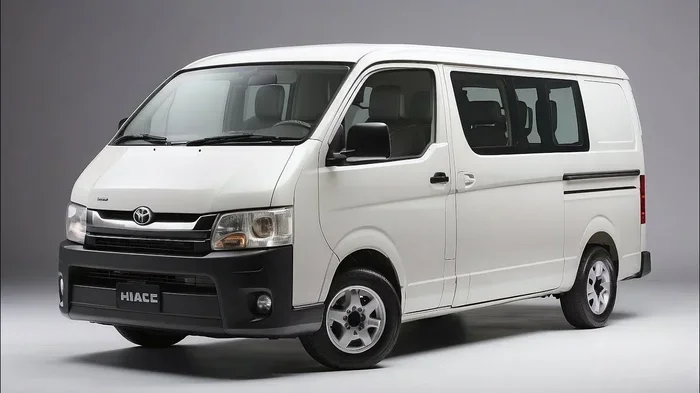
Are Toyota HiAce Vans Any Good Here Is What You Need to Know
The Toyota HiAce van is a versatile commercial and passenger vehicle that has earned a strong reputation for reliability, durability, and value. Whether you need a work van, a shuttle bus, or a family hauler, the HiAce delivers solid performance and low ownership costs. In this guide, we break down everything you need to know about Toyota HiAce vans so you can make a confident buying decision.
Are Toyota HiAce vans any good? The short answer is yes. The Toyota HiAce has been a staple in the commercial vehicle world for decades. It has earned a loyal following among business owners, fleet operators, and families alike. But what makes this van so popular? And is it the right choice for you?
In this comprehensive guide, we will dive deep into everything you need to know about the Toyota HiAce. We will cover its history, specifications, reliability, pricing, and real-world ownership experiences. By the end, you will have a clear picture of whether the HiAce fits your needs.
The Toyota HiAce first launched in 1967 and has gone through several generations of updates. Today, it stands as one of the most recognized commercial vans in the world. Its combination of practicality, durability, and affordability has kept it relevant for over five decades. Whether you are looking at a used model or a newer version, the HiAce offers a lot of value.
Key Takeaways
- Reliable Workhorse: Toyota HiAce vans are known for their durability and long lifespan, making them a top choice for commercial use.
- Multiple Configurations: Available in cargo van, passenger van, and pickup body styles to suit different needs.
- Affordable Ownership: Low maintenance costs and good fuel economy keep total ownership expenses manageable.
- Strong Resale Value: HiAce vans hold their value well in the used market due to high demand and proven reliability.
- Practical Features: Spacious interiors, generous cargo capacity, and modern safety features make the HiAce a smart choice.
- Worth Considering: If you need a dependable van for work or family use, the Toyota HiAce deserves a serious look.
📑 Table of Contents
What Is the Toyota HiAce Van?
The Toyota HiAce is a light commercial vehicle produced by Toyota Motor Corporation. It comes in multiple body styles, including van, pickup, and bus configurations. The HiAce is designed to handle both commercial workloads and passenger transport with ease.
Across different markets, the HiAce goes by several names. In some regions, it is known as the Toyota HiAce Commuter or the Toyota HiAce Super Grandia. The core platform remains the same, but trim levels and features vary by market and model year.
HiAce Body Styles
Toyota offers the HiAce in several configurations to meet different needs. Here is a quick look at the main body styles available:
- Standard Van: The classic cargo van design with a rear cargo area and front seating. Ideal for businesses that need to transport goods.
- Passenger Van: Seating arrangements for up to 16 passengers. Popular among shuttle services and large families.
- Pickup Truck: A HiAce-based pickup with an open cargo bed. Great for construction and delivery businesses.
- Bus/Commuter: A longer wheelbase version designed for public transportation and tour services.
- Ambulance: Modified versions used as emergency medical vehicles in many countries.
Each body style brings its own advantages. The cargo van offers maximum hauling space. The passenger van prioritizes comfort and seating capacity. The pickup adds utility for outdoor and construction work. This versatility is one of the main reasons Toyota HiAce vans remain so popular.
Toyota HiAce Reliability and Durability
When it comes to reliability, the Toyota HiAce has a strong track record. Toyota has built its brand on producing vehicles that last, and the HiAce is no exception. Many owners report hitting 300,000 miles or more with proper maintenance.
The HiAce reliability rating consistently ranks above average for commercial vans. This is due to several factors:
- Simple, Proven Engineering: The HiAce uses straightforward mechanical components that are easy to repair and maintain.
- Durable Engine Options: Toyota engines are known for longevity. The HiAce engines are no different.
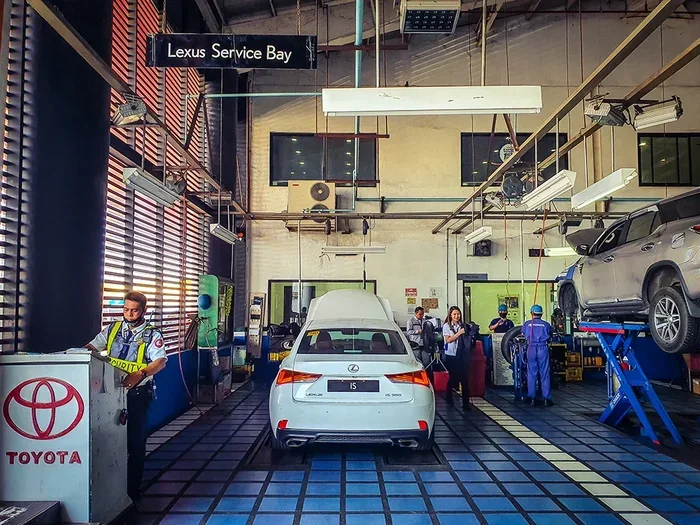
- Wide Service Network: Toyota parts and service are available in most regions, making upkeep convenient.
- Minimal Complex Electronics: Older models rely less on complex electronics, which reduces potential failure points.
If you compare the Toyota HiAce reliability to other commercial vans, it holds up very well. Many owners consider it one of the most dependable options in its class. This is why you often see HiAce vans working as taxis, delivery vehicles, and fleet cars for years on end.
One thing to keep in mind is that the HiAce is a work vehicle. It will show wear and tear faster than a personal car used for commuting. Regular oil changes, brake inspections, and tire rotations go a long way in extending the life of your van.
Common HiAce Maintenance Tasks
Staying on top of maintenance is key to keeping your HiAce running strong. Here are the most common maintenance tasks:
- Oil Changes: Every 5,000 to 7,500 miles depending on driving conditions.
- Brake Pad Replacement: Typically every 30,000 to 50,000 miles.
- Tire Rotation: Every 5,000 to 7,500 miles to ensure even wear.
- Transmission Service: Fluid change every 60,000 miles.
- Coolant Flush: Every 30,000 miles or as recommended.
- Battery Replacement: Every 3 to 5 years depending on usage.
Following this maintenance schedule will help your HiAce van stay reliable for many years. The cost of these services is generally lower than what you would pay for competing models.
Toyota HiAce Specifications and Features
The Toyota HiAce comes with a range of specifications that make it a capable workhorse. Let us break down the key details you should know.
Engine Options
HiAce models come with different engine options depending on the market and generation. Common choices include:
- 2.0-Liter Petrol Engine: Produces around 110 to 130 horsepower. Suitable for lighter loads and urban driving.
- 2.5-Liter Diesel Engine: Offers 85 to 100 horsepower with strong low-end torque. This is the most popular option for commercial use.
- 2.7-Liter Petrol Engine: Found in some newer models. Provides a good balance of power and efficiency.
- 3.0-Liter Diesel Engine: Available in certain markets for heavier-duty applications.
The diesel engines are particularly popular because of their fuel efficiency and torque. If you plan to carry heavy loads or drive long distances, a diesel HiAce is often the better choice.
Fuel Economy
Fuel economy is an important consideration for any commercial vehicle. The Toyota HiAce delivers respectable numbers for its class:
- Diesel Models: Around 12 to 15 km/L (28 to 35 mpg) in mixed driving.
- Petrol Models: Around 9 to 11 km/L (21 to 26 mpg) in mixed driving.
These numbers can vary based on driving habits, load weight, and road conditions. Overall, the HiAce offers competitive fuel economy, especially for diesel versions. Over time, the fuel savings add up significantly, which is great for business owners watching their operating costs.
Cargo and Seating Capacity
One of the biggest strengths of the Toyota HiAce is its cargo and seating capacity. Here is a quick comparison of what you can expect:
| Configuration | Seating Capacity | Cargo Volume |
|---|---|---|
| Standard Van | 2 to 3 passengers | Up to 12 cubic meters |
| Passenger Van | 8 to 16 passengers | Limited cargo space |
| Pickup | 2 to 4 passengers | Open bed, varies by model |
| Bus/Commuter | 14 to 28 passengers | Minimal cargo space |
The spacious interior is another highlight. Even in the standard van, there is plenty of room to move around. The high roof option gives you extra headroom and cargo space. This makes loading and unloading much easier, especially for taller items.
HiAce Van Pros and Cons
Every vehicle has its strengths and weaknesses. Here is an honest look at the Toyota HiAce van pros and cons.
Pros of Owning a Toyota HiAce
- Excellent Reliability: The HiAce is built to last and requires fewer repairs over its lifetime.
- Low Maintenance Costs: Parts are affordable and widely available, keeping repair bills down.
- Versatile Configurations: Multiple body styles mean you can find a HiAce for almost any purpose.
- Strong Resale Value: Used HiAce vans sell quickly and hold their price well.
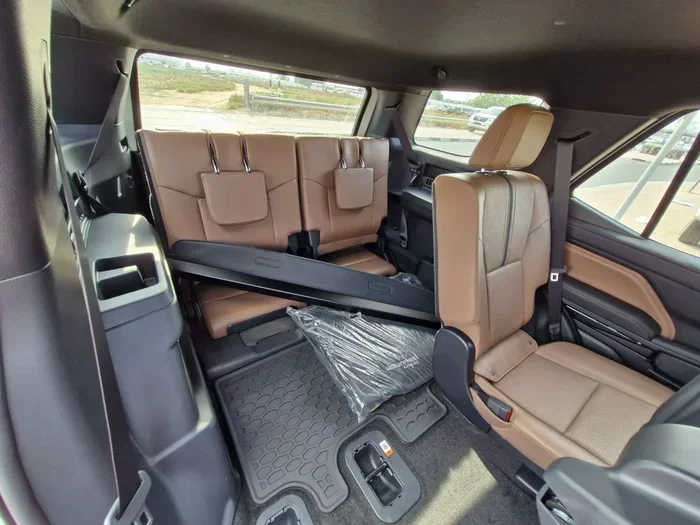
- Spacious Interior: Plenty of room for passengers or cargo depending on the configuration.
- Good Fuel Economy: Especially in diesel models, the HiAce is efficient for its size.
- Proven Track Record: Over 50 years of production means Toyota has refined the design thoroughly.
Cons of Owning a Toyota HiAce
- Basic Interior Comfort: Higher trim levels help, but the HiAce is still a utilitarian vehicle.
- Limited Safety Features in Older Models: Older generations may lack advanced driver assistance systems.
- Diesel Noise: Diesel engines can be louder than petrol alternatives, especially at idle.
- Not the Most Powerful: The engine options prioritize efficiency over raw performance.
- Ride Quality Can Be Firm: Loaded vans may feel stiff, especially on rough roads.
Overall, the pros of the Toyota HiAce far outweigh the cons for most buyers. The vehicle is designed for function over flash, and it delivers on that promise consistently.
Toyota HiAce Pricing and Ownership Cost
Price is always a factor when buying a commercial van. The Toyota HiAce offers competitive pricing compared to similar models in the market. New HiAce prices vary by market, but generally fall in the mid-range for commercial vans.
For used buyers, the HiAce is even more attractive. A well-maintained used HiAce can be found at a fraction of the cost of a new one. Given the vehicle’s reliability, even older models can serve you well for many more years.
Estimated Ownership Costs
Here is a breakdown of typical ownership costs for a Toyota HiAce van:
- Fuel: Moderate, especially for diesel models. Expect to spend less per kilometer than many competitors.
- Insurance: Commercial van insurance rates are generally reasonable for the HiAce.
- Maintenance: Affordable parts and widespread service availability keep costs low.
- Registration and Taxes: Commercial vehicle rates apply, which vary by region.
- Depreciation: HiAce vans depreciate at a moderate rate. They hold value better than many competitors.
When you factor in all of these costs, the total cost of ownership for a Toyota HiAce is quite competitive. This is one of the main reasons so many business owners choose the HiAce for their fleet.
If you are comparing the HiAce to other vans, consider the Toyota Hilux pickup for similar reliability, or check how a Ford F150 holds up over time. Both are solid alternatives depending on your needs.
HiAce Van Safety and Security
Safety is an important consideration for any vehicle, especially commercial vans that carry passengers or valuable cargo. The Toyota HiAce includes standard safety features such as anti-lock brakes, stability control, and airbags in most modern models.
Older HiAce models may lack some of these features, so it is important to check the specific model year. If you are buying a used HiAce, consider upgrading the vehicle with additional safety equipment.
For added security, many HiAce owners install steering wheel locks. These simple devices deter theft and add an extra layer of protection. They are affordable, easy to install, and highly effective. If you want to learn more about steering wheel locks and how easy they are to remove, check out our guide on steering wheel locks.
Some modern HiAce models also offer features like rear parking sensors, reversing cameras, and traction control. These features make the van safer and easier to operate, especially in tight spaces or challenging road conditions.
When evaluating the HiAce for safety, also consider how you plan to use the van. A passenger van carrying 16 people has different safety needs than a cargo van used for deliveries. Always match the vehicle to your specific use case.
Who Should Buy a Toyota HiAce Van?
The Toyota HiAce is a great fit for a wide range of buyers. Here are some scenarios where the HiAce shines:
- Small Business Owners: Need a reliable delivery or service vehicle? The HiAce cargo van is perfect for the job.
- Shuttle and Tour Operators: The passenger van configurations handle group transport with ease.
- Construction Companies: The HiAce pickup version handles tools and materials on job sites.
- Large Families: The passenger van offers spacious seating for big families or group outings.
- Fleet Managers: The HiAce’s low operating costs and reliability make it ideal for fleet operations.
- Rideshare Drivers: The comfortable passenger van configuration works well for ride-hailing services.
If you are still deciding between vehicles, consider comparing the HiAce to options like the Dodge Challenger for personal use, or explore whether mini jeeps are street legal if you are looking at off-road-capable alternatives.
The Toyota HiAce is a vehicle that does not try to be flashy. It is practical, reliable, and efficient. For buyers who value function and long-term value, it is an excellent choice.
Final Thoughts
So, are Toyota HiAce vans any good? The answer is a resounding yes. The HiAce has earned its reputation as one of the most reliable and versatile commercial vans on the market. It offers strong reliability, low ownership costs, and multiple configurations to suit different needs.
Whether you are a small business owner looking for a dependable work van or a family needing a spacious passenger vehicle, the HiAce delivers. Its proven track record, affordable maintenance, and excellent resale value make it a smart investment.
Before making your purchase, always inspect the specific model and year you are considering. Check the maintenance history, test drive the vehicle, and compare prices in your local market. A well-maintained HiAce can serve you faithfully for many years to come.
Take your time, do your research, and you will find the right Toyota HiAce van for your needs. It is a vehicle that truly lives up to its reputation as a workhorse you can count on.
Frequently Asked Questions
How long does a Toyota HiAce van last?
With proper maintenance, a Toyota HiAce van can last 300,000 miles or more. Many owners report hitting this milestone without major engine or transmission issues. Regular servicing and timely repairs are key to maximizing the HiAce lifespan.
Is the Toyota HiAce good for long-distance driving?
Yes, the Toyota HiAce handles long-distance driving well. The diesel models offer excellent fuel economy and comfortable cruising speeds. The spacious cabin and supportive seats make long trips more pleasant for both drivers and passengers.
What is the fuel economy of a Toyota HiAce van?
Diesel HiAce models typically deliver 12 to 15 km/L (28 to 35 mpg) in mixed driving. Petrol models are slightly less efficient at 9 to 11 km/L (21 to 26 mpg). Actual fuel economy depends on driving habits, load weight, and road conditions.
Are Toyota HiAce vans expensive to maintain?
No, Toyota HiAce vans are relatively affordable to maintain. Parts are widely available and reasonably priced. Routine services like oil changes, brake jobs, and tire rotations cost less than what you would pay for many competing van models.
Can I use a Toyota HiAce as a family vehicle?
Absolutely. The passenger van configurations of the HiAce can seat up to 16 people, making them great for large families or group travel. The interior is spacious and practical, though the comfort features are more utilitarian compared to traditional family SUVs.
What should I check before buying a used Toyota HiAce?
Before buying a used HiAce, check the maintenance records, inspect the engine and transmission for smooth operation, test the brakes, and look for signs of rust or accident damage. A test drive is essential to evaluate ride quality and comfort. Also verify the vehicle has all required safety features for your region.
=== INTERNAL LINKS ===
For more information on vehicle security, consider reading about steering wheel locks and how easy they are to remove for added protection on your HiAce van.
If you are interested in modern vehicle features, check out whether you are supposed to hold the push start button when operating a vehicle with keyless ignition.
For a reliability comparison, see how the 2005 Ford F150 holds up in terms of reliability as an alternative work vehicle option.
Learn more about tire options for commercial vans in our guide on whether Tesla tires are run flat and what that means for your vehicle choices.