Can a Blown Fuse Cause Your Airbag Light to Come On
Yes, a blown fuse can absolutely cause your airbag light to come on. The airbag system relies on a dedicated fuse to power its control module, sensors, and circuits. When that fuse blows due to an electrical overload, short circuit, or age, the system loses communication and triggers the airbag warning light on your dashboard. Understanding the root cause helps you fix the issue quickly and keep your safety system intact.
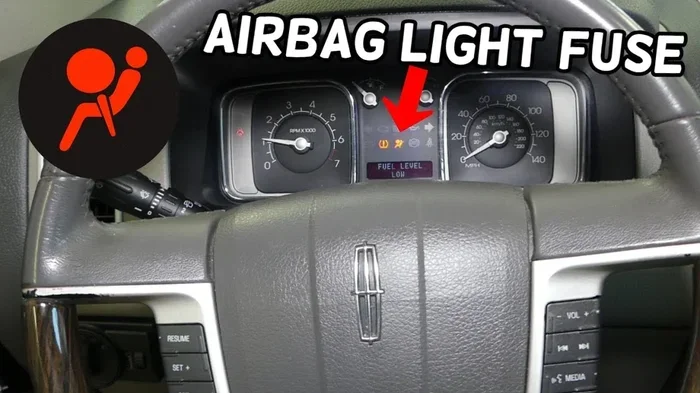
You turn the key in the ignition, and there it is. That little yellow or red warning light on your dashboard shaped like a person with a circle in front of it. The airbag light is on, and your stomach drops a little. You wonder what went wrong. Could a simple blown fuse be the culprit? The short answer is yes. A blown fuse is one of the most common reasons the airbag light comes on, and it is also one of the easiest to fix. But there is more to the story than just swapping out a piece of metal and wire. Let us walk through everything you need to know.
The airbag system in your car is part of what manufacturers call the Supplemental Restraint System, or SRS. This system works alongside your seat belts to protect you during a collision. It is not just one single part. It is a network of sensors, control modules, wiring, and yes, fuses. When any one of these components fails, the system detects a fault and lights up the warning on your dash. A blown fuse interrupts the electrical path, and the airbag control unit goes into protective mode. That is when the light stays on.
Understanding how this system works helps you take the right action. It also helps you avoid costly trips to the mechanic for something you might fix yourself in minutes. In this article, we will cover exactly what causes the airbag light to come on, how a blown fuse fits into the picture, and what steps you should take to diagnose and fix the problem safely.
Key Takeaways
- A blown fuse is one of the most common reasons the airbag light illuminates on your dashboard.
- The airbag fuse protects the SRS circuit, and when it fails, the entire system goes into standby mode.
- Symptoms include the warning light staying on, a non-functional horn, and dashboard error codes.
- Replacing the fuse is often a simple fix, but recurring blows signal a deeper electrical problem.
- Always use the correct amperage fuse to avoid damaging the airbag control module.
- An OBD scanner can read trouble codes that confirm a fuse-related airbag issue.
- Driving with the airbag light on is dangerous because the system may not deploy in a crash.
📑 Table of Contents
- What Is the Airbag Fuse and Why Does It Matter?
- Can a Blown Fuse Actually Cause the Airbag Light to Come On?
- How to Tell If a Blown Fuse Is Causing Your Airbag Light
- What Happens After You Replace the Blown Fuse?
- Is It Safe to Drive with the Airbag Light On?
- Preventing Future Airbag Fuse Problems
- When to See a Professional Mechanic
- Understanding the Cost of Fixing a Blown Airbag Fuse
- Final Thoughts on Blown Fuses and Your Airbag Light
What Is the Airbag Fuse and Why Does It Matter?
Every car has a fuse box. Some are under the hood. Others are inside the cabin, usually near the driver side dashboard. The airbag fuse sits inside one of these boxes. It is a small, replaceable component designed to protect the airbag circuit from electrical damage.
Think of the fuse as a safety guard for your safety system. It carries a specific amperage rating, usually between 10 and 30 amps depending on the vehicle. If too much current flows through the circuit, the fuse melts and breaks the connection. This prevents damage to the airbag control module and other sensitive electronics. Without the fuse, a power surge could fry the entire airbag system.
How the Airbag Fuse Protects Your SRS System
The SRS system draws power from the battery at all times, even when the engine is off. The fuse sits between the battery and the airbag control unit. It ensures that only the right amount of current reaches the module. If a wire shorts out or a component malfunctions, the fuse blows first. This sacrifices itself to save the more expensive parts.
When the fuse blows, the airbag control unit loses its power supply. It cannot monitor the sensors or prepare for deployment. The system immediately flags this as a fault. That is what turns on the airbag warning light. The car knows something is wrong, and it is telling you through that simple little light.
Can a Blown Fuse Actually Cause the Airbag Light to Come On?
Absolutely. In fact, a blown fuse is one of the top reasons the airbag light stays illuminated. When the fuse fails, the circuit is broken. The airbag control module cannot receive power or send signals to the sensors. The system goes into a fail-safe mode, and the light comes on to alert you.
This is not the same as a sensor failure or a wiring problem, though those can also trigger the light. A blown fuse is usually a quick and easy fix. But here is the thing you need to understand. A fuse does not just blow for no reason. Something caused it to blow in the first place.
Common Reasons a Fuse Blows in the Airbag Circuit
- Electrical short circuit: A damaged wire in the airbag harness can cause a short. This sends too much current through the circuit and blows the fuse.
- Corroded or loose connectors: Over time, the connectors under the seat or behind the dashboard can corrode. This increases resistance and causes an overload.
- Water damage: If moisture gets into the fuse box or under the seat, it can cause a short circuit. This is common in cars that have been flooded or driven through deep water.
- Wrong amperage fuse: If someone previously replaced the fuse with one that has a higher amperage rating, it may not blow when it should. But if a lower-rated fuse is used, it can blow easily under normal load.
- Aging and wear: Fuses degrade over time. An old fuse may blow even without any obvious electrical problem.
- Faulty airbag clock spring: The clock spring under the steering wheel connects the airbag to the wiring harness. If it fails, it can cause a surge that blows the fuse.
Each of these causes points to an underlying issue. Replacing the fuse might turn off the light temporarily. But if the root cause is not fixed, the new fuse will blow again. That is why it is important to diagnose the real problem, not just the symptom.
How to Tell If a Blown Fuse Is Causing Your Airbag Light
Not every airbag light means a blown fuse. Other issues like a faulty seat belt sensor, a damaged crash sensor, or a problem with the airbag control module can also trigger the warning. So how do you know if a fuse is the culprit?
Step 1: Check for Other Symptoms
Before you open the fuse box, pay attention to what else is happening. Does the horn work? The horn often shares a circuit with the SRS system in some vehicles. If the horn stops working at the same time the airbag light comes on, a blown fuse is very likely. Also check if your seat belt pretensioner still clicks when you start the car. If it does not, that is another sign of an SRS power loss.
Step 2: Locate the Fuse Box
Open your owner manual and find the fuse box diagram. The airbag fuse is usually labeled as SRS or AIRBAG. It might also be listed under Supplemental Restraint System. The fuse box cover often has a printed diagram that shows the location and rating of each fuse.
Step 3: Inspect the Fuse
Pull the fuse out using a fuse puller or a pair of needle-nose pliers. Look at the metal strip inside the plastic housing. If the strip is melted or broken, the fuse is blown. A good fuse has a continuous metal strip. A blown fuse has a gap or a dark smear in the center.
Step 4: Test with a Multimeter
If you want to be sure, use a multimeter set to continuity mode. Touch the probes to both ends of the fuse. If you hear a beep, the fuse is good. If there is no beep, the fuse is blown and needs replacement.
Step 5: Replace the Fuse with the Correct Rating
Always replace the fuse with one that has the exact same amperage rating. You can find this rating on the fuse box cover diagram or in your owner manual. Never use a fuse with a higher rating to “fix” the problem. That can cause serious damage to the airbag system or even create a fire hazard.
What Happens After You Replace the Blown Fuse?
Once you replace the fuse, turn the ignition on and wait a few seconds. The airbag light should come on briefly and then turn off. This is the system performing a self-check. If the light stays on or comes back on after a few minutes, the problem is not just the fuse.
When the Light Comes Back On
If the light returns, you likely have a deeper issue. The new fuse may have blown again because of a short circuit, a faulty sensor, or a wiring problem. In this case, you should not keep replacing fuses blindly. Each time a fuse blows, it stresses the circuit further. You could end up damaging the airbag control module, which is an expensive repair.
Using an OBD scanner is the next logical step. A diagnostic tool can read the trouble codes stored in the airbag control module. Codes starting with B00 typically indicate airbag-related faults. A code like B0011 or B0012 often points to a circuit problem, which could be caused by a blown fuse or a wiring issue. The scanner helps you pinpoint the exact problem without guessing.
Resetting the Airbag Light
After replacing the fuse and confirming the circuit is healthy, you may need to reset the airbag light. Some OBD scanners have a dedicated function to clear SRS codes. Once the codes are cleared, the light should turn off. If you do not have a scanner, disconnecting the battery for about 15 minutes can sometimes reset the system. However, this method does not always work, and it may also reset other settings in your car.
Keep in mind that some vehicles require a professional scan tool to fully reset the SRS module. If the light persists after a fuse replacement and battery disconnect, visit a qualified mechanic or an auto electrician. They have the tools and expertise to diagnose complex airbag issues safely.
Is It Safe to Drive with the Airbag Light On?
This is the question nobody wants to hear the answer to, but it is important. The short answer is no. Driving with the airbag light on means your airbag system is not fully operational. In the event of a collision, the airbags may not deploy. Or they may deploy with a delay. Either situation puts you and your passengers at serious risk.
The airbag system is one of the most critical safety features in your vehicle. It works together with seat belts, crumple zones, and sensors to reduce injury during a crash. When the system is disabled by a blown fuse or any other fault, you lose that layer of protection. This is especially concerning for drivers and front passengers who rely heavily on airbags during frontal collisions.
If you must drive the car before getting it fixed, keep your seat belt fastened at all times. Avoid driving in heavy traffic or on high-speed roads if possible. Treat the airbag light as a serious warning, not a minor nuisance. Your safety depends on that system working correctly.
Preventing Future Airbag Fuse Problems
You cannot prevent every electrical issue in your car. But you can take steps to reduce the chances of a blown airbag fuse in the future.
- Keep the under-seat area dry: Moisture is one of the biggest enemies of your car’s electrical system. If you live in a rainy area or frequently carry wet items in the back seat, consider using waterproof floor mats.
- Check your wiring regularly: Look for frayed wires or loose connectors under the seats and behind the dashboard. Early detection can prevent shorts that blow fuses.
- Use the correct replacement parts: Always use OEM-spec fuses with the right amperage rating. Cheap aftermarket fuses may not perform reliably.
- Address electrical issues promptly: If you notice flickering lights, a dead horn, or any other electrical glitch, get it checked. Small problems can escalate into blown fuses and trigger the airbag light.
- Get regular diagnostic checks: A quick scan with an OBD tool during routine maintenance can catch airbag faults early. This is especially important if your car has more than five years on the odometer.
Taking these simple steps can keep your airbag system healthy and your dashboard warning light off. It also gives you peace of mind every time you and your family get behind the wheel.
When to See a Professional Mechanic
Replacing a blown fuse is something most car owners can do at home with basic tools. But there are times when professional help is the right call. If you have replaced the fuse and the light comes back on within a few days, you need a deeper diagnosis. If you notice a burning smell or visible damage near the fuse box, stop driving and get the car towed. If the airbag light is flashing instead of staying solid, that often indicates a more serious fault that requires specialized equipment to diagnose.
A professional mechanic can inspect the entire SRS circuit, test the airbag control module, and check the crash sensors. They can also perform a full system reset after repairs. While this costs more than a DIY fuse replacement, it ensures the job is done correctly and safely. Your airbag system is not something you want to cut corners on.
Also, keep in mind that airbag-related repairs can affect your car’s safety ratings. If you have been looking at vehicles with strong crash test results, you want to make sure that system stays intact. A properly functioning airbag system is a key reason many cars earn their safety scores, similar to how certain safety features contribute to ratings like those you see with 3 stars on car safety ratings and overall crashworthiness evaluations.
Understanding the Cost of Fixing a Blown Airbag Fuse
The good news is that fixing a blown airbag fuse is usually very affordable. A replacement fuse costs just a few dollars at any auto parts store. If you do it yourself, the only cost is the price of the fuse. If you visit a mechanic, you might pay between $50 and $100 for the labor, which includes diagnostic checking and fuse replacement.
However, costs can increase significantly if the underlying problem is more serious. A damaged airbag control module can cost several hundred dollars to replace or reprogram. Wiring repairs under the dashboard or seat can add another $100 to $300 depending on the extent of the damage. And if the clock spring needs replacement, that is typically a $200 to $400 repair.
The takeaway here is simple. The sooner you address the airbag light, the less it will cost you. Ignoring it not only puts your safety at risk but can also lead to more expensive repairs down the road. A quick fuse replacement today could save you hundreds of dollars tomorrow.
Also, if you are budgeting for car maintenance or wondering what kind of car fits within a certain price range, understanding these smaller repair costs helps you plan better. For instance, knowing the cost of common fixes like fuse replacement can help you decide between a 7 to 8 lakh car in India or a 5 to 8 lakh car, as ongoing maintenance costs vary by brand and model. Being informed about your vehicle’s electrical system helps you make smarter buying and ownership decisions.
Final Thoughts on Blown Fuses and Your Airbag Light
A blown fuse is a simple component with a big job. It protects the airbag system from electrical damage, and when it fails, it tells you something is wrong through the dashboard warning light. The good news is that diagnosing and replacing a blown fuse is often straightforward and inexpensive. But the real key is finding out why the fuse blew in the first place. That is where the real fix lies.
Do not ignore the airbag light. Do not just swap the fuse and hope for the best. Take a few minutes to inspect the fuse, check for other symptoms, and use an OBD scanner if you have one. If the problem persists, get professional help. Your airbag system is one of the most important safety features in your car, and keeping it in good working order is one of the best things you can do for yourself and your passengers.
Stay proactive about your car’s electrical health. Check your fuses during routine maintenance. Keep the under-seat area clean and dry. And never hesitate to dig into the fuse box when that little warning light appears. A little attention today can save you from a big problem tomorrow.
Frequently Asked Questions
What does it mean when the airbag light comes on and the fuse is fine?
If the fuse looks good and the airbag light is still on, the problem is likely elsewhere. It could be a faulty seat belt sensor, a damaged crash sensor, a problem with the airbag clock spring, or an issue with the SRS control module. An OBD scanner can help you read the specific trouble code and narrow down the cause.
How much does it cost to replace an airbag fuse?
The fuse itself costs between $2 and $10 at most auto parts stores. If a mechanic replaces it for you, expect to pay around $50 to $100 for labor. The total cost is very low compared to other airbag system repairs, making fuse replacement one of the cheapest and easiest fixes for the airbag light.
Can I drive my car if the airbag light is on?
Technically, you can still drive the car, but it is not safe. With the airbag light on, the system is disabled, and the airbags may not deploy in a collision. If you must drive, keep your seat belt fastened and avoid risky driving conditions. Get the issue diagnosed and fixed as soon as possible.
What should I do if the new fuse blows again right after I replace it?
A fuse that blows repeatedly indicates a serious underlying problem, such as a short circuit in the wiring or a faulty component in the SRS system. Do not keep replacing the fuse. Have a professional mechanic inspect the entire airbag circuit to find and repair the root cause before it causes further damage.
Can a corroded fuse box cause the airbag light to come on?
Yes, absolutely. Corrosion inside the fuse box or at the fuse contacts can interrupt the electrical connection to the airbag circuit. This causes the control module to lose power and triggers the warning light. Cleaning the fuse box contacts or replacing a corroded fuse box can resolve the issue.
How do I reset the airbag light after replacing the fuse?
After replacing the fuse, turn the ignition on and wait for the system to complete its self-check. If the light stays off, the reset was successful. If the light remains on, you may need to use an OBD scanner to clear the trouble codes. In some vehicles, disconnecting the battery for 15 minutes can also reset the system, but this method does not always work for SRS codes.
=== CONCLUSION ===
A blown fuse can absolutely cause your airbag light to come on, and it is one of the most common reasons this warning appears on your dashboard. The airbag system depends on a steady electrical supply, and when the fuse that protects that supply fails, the entire system goes into standby mode. The good news is that identifying and replacing a blown fuse is quick, affordable, and something most car owners can handle themselves. However, the real priority is understanding why the fuse blew in the first place. Whether it was a short circuit, corrosion, water damage, or an aging component, addressing the root cause ensures your airbag system stays reliable and ready to protect you when it matters most. Never ignore that little warning light on your dash. It is your car telling you something needs attention, and acting on it quickly keeps you safe and your repair costs low.