Are Corollas Cheaper Than Civics for Most Car Buyers
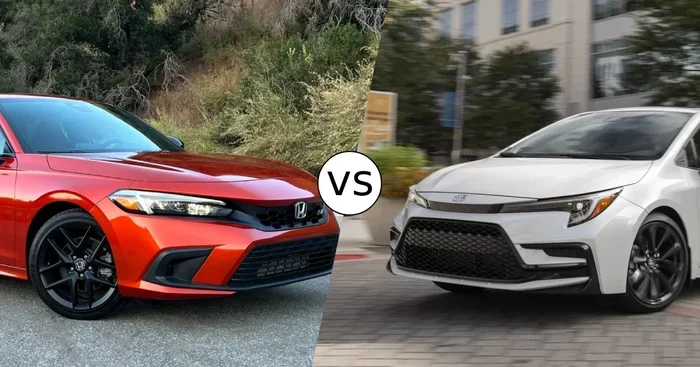
Are Corollas cheaper than Civics? The short answer is yes, in most cases. Toyota Corollas generally cost less upfront than Honda Civics, both new and used. This guide breaks down the real numbers so you can make a smart buying decision.
Buying a new car is one of the biggest financial decisions most people make. You want something reliable, affordable, and built to last. Two names always come up in this conversation: the Toyota Corolla and the Honda Civic. These compact sedans have dominated the market for decades, and for good reason. They are practical, fuel-efficient, and trusted by millions of drivers worldwide.
But when it comes down to it, which one costs less? Are Corollas cheaper than Civics? The answer might surprise you. While both cars sit in the same general price range, there are real differences that can save you thousands of dollars over time. In this article, we break down every cost factor so you know exactly what you are getting into.
We will look at new car prices, used car values, maintenance costs, insurance, fuel economy, and resale value. By the end, you will have a clear picture of which sedan fits your budget best. Let us dive in.
Key Takeaways
- Lower Starting Price: New Corollas typically cost less than new Civics at the base trim level.
- Cheaper Used Market: Pre-owned Corollas hold their value well but tend to be more affordable on the used market.
- Lower Maintenance Costs: Toyota parts and service are generally more budget-friendly than many competitors.
- Better Fuel Economy: Both cars are efficient, but the Corolla hybrid option saves even more over time.
- Strong Resale Value: Corollas depreciate at a slower rate, meaning you lose less money when selling.
- Insurance Costs Are Similar: Both models fall into the same affordable insurance category for compact sedans.
- Overall Winner for Budget Buyers: The Corolla edges out the Civic as the more affordable choice for most car buyers.
📑 Table of Contents
The Price Tag: New Corolla vs New Civic
When you walk onto a dealership lot, the first thing you notice is the sticker price. And that is where the Corolla often has an advantage. Toyota has positioned the Corolla as an entry-level compact sedan, which means the base price is designed to attract budget-conscious buyers. The Honda Civic, while also affordable, tends to sit slightly higher in the pricing ladder.
Base Model Pricing
The 2024 Toyota Corolla starts at around $21,000 to $22,000 for the base L trim. The Honda Civic starts at roughly $23,000 to $24,000 for the base LX trim. That is a difference of about $1,500 to $2,000 right out of the gate. Over a typical car loan term, that translates to lower monthly payments for the Corolla.
But base models only tell part of the story. Both manufacturers offer mid-range and top-tier trims that push the price higher. The Corolla SE and XSE trims add features without jumping too far in price. The Civic Sport and Touring trims do the same. When you compare similar trim levels, the gap narrows but the Corolla usually remains the more affordable option.
Trim Level Differences
Here is where things get interesting. Honda tends to load more standard features into its mid-range trims. The Civic EX, for example, comes with a lot of tech and safety features right out of the box. Toyota does the same with the Corolla SE. But if you are comparing apples to apples, the Corolla often costs less at each equivalent trim level.
Keep in mind that automakers also run seasonal promotions and dealer incentives. Sometimes a Civic deal can beat a Corolla deal in your local market. It is always worth checking multiple dealers and comparing current offers before making a final decision.
What You Get for Your Money
Both the Corolla and Civic come standard with a 2.0-liter four-cylinder engine that produces around 158 horsepower. They both offer touchscreen infotainment systems, Apple CarPlay and Android Auto, and a suite of driver-assistance features. The Civic does tend to feel a bit more premium inside, with better materials and a more refined cabin. But you are paying a small premium for that feel.
If pure affordability is your goal, the Corolla wins the new car price comparison. You get a solid, reliable compact sedan without stretching your budget too thin.
Used Car Market: Where You Save More
Not everyone buys a brand-new car. In fact, most car buyers in the United States purchase used vehicles. And the used market is where the Corolla vs Civic cost comparison gets even more interesting. Both models hold their value reasonably well, which is great for resale but means used prices do not drop as fast as some other vehicles.
Depreciation Over Time
New cars lose value quickly. In the first year alone, a new Corolla or Civic can drop by 15 to 20 percent. After five years, you might be looking at a vehicle that is worth half of what you paid. The Corolla tends to depreciate at a slightly slower rate than the Civic, which works in your favor if you plan to sell or trade in later.
For example, a five-year-old Corolla might be worth around $12,000 to $14,000 depending on mileage and condition. A five-year-old Civic of similar age might be worth $11,000 to $13,000. The difference is small but consistent over time.
Finding Deals on Pre-Owned Models
Because the Corolla is one of the best-selling cars in the world, there is a huge supply of used models on the market. This means more competition among sellers, which can drive prices down. You can often find a well-maintained used Corolla for $10,000 to $15,000, depending on the year and mileage.
The Civic has a similar supply, but its popularity among younger drivers and car enthusiasts sometimes keeps prices slightly higher. Enthusiasts tend to hold onto their Civics longer or sell them at premium prices. If you are shopping on a budget, this can work against you.
Age and Mileage Considerations
When shopping for a used compact sedan, focus on the vehicle history. A three-year-old Corolla with 30,000 miles is a sweet spot for value. The car is still relatively new, the warranty may still be in effect, and the price is well below what you would pay for a new model. The same logic applies to the Civic.
Always get a vehicle history report before buying any used car. Check for accidents, service records, and ownership history. A clean Corolla or Civic from a reputable dealer is a smart buy either way.
Maintenance and Repair Costs
Owning a car is not just about the purchase price. You also need to factor in ongoing maintenance and repair costs. These expenses add up over the life of the vehicle and can significantly impact your total cost of ownership.
Routine Service Expenses
Both the Corolla and Civic are known for being low-maintenance vehicles. Oil changes, tire rotations, and brake inspections are straightforward and affordable on both models. A basic oil change costs around $40 to $60 at most service centers for either car.
Toyota has a reputation for building engines and components that last a long time with minimal attention. Honda is right up there in reliability as well. But when it comes to routine maintenance costs, the Corolla has a slight edge. Toyota parts tend to be a bit more affordable than Honda parts, and Toyota dealerships often offer competitive service pricing.
It is worth noting that even luxury brands like Cadillac have high parts costs, which is why sticking with a reliable economy car like the Corolla or Civic keeps your wallet happy in the long run.
Parts Availability and Pricing
Because the Corolla is one of the best-selling cars globally, Toyota parts are widely available and competitively priced. You can find OEM parts from multiple suppliers, and aftermarket options are plentiful. The Civic enjoys the same benefit, but the slight edge goes to Toyota on pricing.
If you prefer to do your own repairs, both cars are relatively easy to work on. The engines are straightforward, and there is a wealth of online tutorials and forums dedicated to DIY maintenance. Whether you are replacing brake pads or swapping out a starter motor, parts are easy to find for both models.
Common Repairs and What They Cost
Let us look at some common repairs and their average costs for both vehicles:
- Brake Pads: $150 to $300 per axle for both cars.
- Battery Replacement: $150 to $250 for either model.
- Tire Replacement: $400 to $700 for a full set, depending on the tire brand and size.
- Alternator: $300 to $500 for parts and labor.
- Transmission Service: $150 to $300 for a fluid change.
These costs are very similar between the Corolla and Civic. Neither car is known for expensive or frequent repairs. Both are among the most dependable compact sedans on the road today.
Insurance and Ownership Expenses
Insurance is another cost that every car owner must budget for. The good news is that both the Corolla and Civic fall into affordable insurance categories. Compact sedans are generally cheaper to insure than trucks, SUVs, or sports cars.
Insurance Rates Compared
Insurance companies base their rates on several factors, including the vehicle’s safety rating, theft risk, and repair costs. Both the Corolla and Civic score well on safety tests from the Insurance Institute for Highway Safety (IIHS). They both have strong theft-deterrent features, which helps keep premiums lower.
On average, annual insurance for a Corolla runs about $1,200 to $1,500. The Civic is in a similar range at $1,250 to $1,550. The difference is small enough that it should not be a deciding factor for most buyers.
Your personal driving record, location, and coverage level will have a much bigger impact on your insurance costs than the choice between these two cars.
Registration and Tax Costs
Vehicle registration fees and taxes vary by state, but they are generally based on the vehicle’s value. Since the Corolla tends to cost less than the Civic, your registration and tax costs will be slightly lower as well. Over a five-year ownership period, this can add up to a few hundred dollars in savings.
Total Cost of Ownership
When you add up the purchase price, maintenance, insurance, fuel, and registration costs, the Corolla comes out ahead as the more affordable option for most buyers. The total cost of ownership for a Corolla over five years is typically $1,000 to $2,000 less than a comparable Civic. That is real money in your pocket.
Fuel Economy: The Long-Term Savings
Fuel costs are a major part of car ownership. Both the Corolla and Civic are known for excellent fuel economy, but there are some differences worth noting.
MPG Comparison
The base Corolla gets an estimated 31 mpg in the city and 40 mpg on the highway. The base Civic gets 32 mpg city and 42 mpg highway. On paper, the Civic is slightly more fuel-efficient. But the difference is so small that it barely matters in real-world driving.
If you opt for the Corolla Hybrid, the numbers jump significantly. The hybrid Corolla achieves an estimated 53 mpg combined, which is far better than any gas-only Civic. This is where the Corolla really shines for buyers who want to save on fuel costs over the long haul.
Annual Fuel Costs
Assuming 15,000 miles driven per year and an average gas price of $3.50 per gallon, here is what you can expect:
- Corolla (gas): Around $1,300 per year in fuel costs.
- Civic (gas): Around $1,250 per year in fuel costs.
- Corolla Hybrid: Around $900 per year in fuel costs.
The hybrid option is where the real savings happen. Over five years, a Corolla Hybrid owner could save $2,000 or more in fuel compared to a gas-only Civic.
Hybrid vs Gas Options
Toyota has made the hybrid powertrain available on the Corolla at a very competitive price point. Honda offers a hybrid Civic as well, but it is only available on certain trims and comes with a higher starting price. If fuel efficiency is a top priority for you, the Corolla Hybrid is the clear winner in the value department.
Keep in mind that hybrid batteries can be expensive to replace if they fail outside of warranty. However, Toyota hybrid systems are known for their durability, and most hybrid batteries last well beyond 100,000 miles without issues.
Resale Value: What Your Car Is Worth Later
One of the most overlooked aspects of car buying is resale value. A car that holds its value saves you money when it is time to sell or trade in. Both the Corolla and Civic are strong in this area, but the Corolla has a slight advantage.
Market Demand
The Corolla is one of the best-selling cars in the world. This massive demand means there is always a ready market for used Corollas. Buyers know they can trust a used Corolla, which keeps resale prices strong. The Civic enjoys similar demand, but the Corolla’s global popularity gives it a slight edge.
Holding Value Over Time
After five years of ownership, the Corolla retains about 55 to 60 percent of its original value. The Civic retains about 50 to 55 percent. That 5 to 10 percent difference might not seem like much, but it adds up. On a $22,000 car, that is $1,100 to $2,200 more in your pocket when you sell.
Which Car Sells Faster
Used Corollas tend to sell faster than used Civics. This is partly because of their reputation for reliability and partly because of their wider appeal. Whether you are selling to a dealer or privately, a Corolla will attract buyers quickly.
Adding simple accessories like steering wheel locks can also help protect your car from theft and potentially lower your insurance premiums. It is a small investment that pays off in peace of mind.
Which Car Should You Choose?
So, are Corollas cheaper than Civics? The answer is yes, for most car buyers. The Corolla costs less upfront, depreciates at a slower rate, has slightly lower maintenance costs, and offers a compelling hybrid option that saves on fuel. The Civic is an excellent car as well, and it offers a slightly more refined driving experience and a few more standard features at mid-range trims.
If your priority is saving money, the Corolla is the smarter choice. If you value a sportier feel and premium interior touches and are willing to pay a little more for it, the Civic is a strong contender. Either way, you are buying a reliable, fuel-efficient compact sedan that will serve you well for years to come.
Take your time, test drive both cars, and compare offers from multiple dealers. The best deal is the one that fits your budget and your needs. Happy car shopping.
Frequently Asked Questions
Are Corollas really cheaper than Civics?
Yes, in most cases. The base price of a new Corolla is typically $1,500 to $2,000 lower than a new Civic. Used Corollas also tend to be slightly more affordable on the pre-owned market. Over the full ownership period, the Corolla saves you money on purchase price, maintenance, and resale value.
Which car has lower maintenance costs?
The Toyota Corolla has a slight edge in maintenance costs. Toyota parts are generally more affordable, and routine service is straightforward and inexpensive. Both cars are reliable and low-maintenance, but the Corolla comes out ahead on total service expenses over time.
Is the Corolla Hybrid worth the extra cost?
Absolutely. The Corolla Hybrid delivers an estimated 53 mpg combined, which is significantly better than any gas-only Civic. If you drive a lot of miles or want to save on fuel costs, the hybrid option pays for itself over time through fuel savings alone.
Do both cars have good resale value?
Yes, both the Corolla and Civic hold their value well. However, the Corolla retains about 5 to 10 percent more of its original value after five years. This means you lose less money when you sell or trade in a Corolla compared to a Civic.
Are insurance costs similar for both cars?
Yes, insurance costs are very similar. Both the Corolla and Civic are compact sedans with strong safety ratings, which keeps insurance premiums affordable. Your personal driving history and location will have a bigger impact on your insurance rate than the choice between these two models.
Which car is better for first-time buyers?
The Corolla is often the better choice for first-time buyers because of its lower starting price, strong reliability reputation, and affordable maintenance costs. It is a forgiving, easy-to-drive car that is perfect for someone new to vehicle ownership. The Civic is also a great option if you want a slightly sportier feel.
=== CONCLUSION ===
When you compare the Toyota Corolla and the Honda Civic side by side, the Corolla comes out as the more affordable option for most car buyers. It costs less to buy, less to maintain, and less to insure. Its resale value is strong, and the hybrid version offers outstanding fuel economy that saves you even more money over time.
The Honda Civic is a fantastic car with its own strengths. It drives a bit more sportily and offers a slightly more refined interior. But if your top priority is keeping costs low, the Corolla is the clear winner.
Whether you buy new or used, either car is a smart investment. Just make sure you do your research, compare prices from multiple dealers, and choose the option that fits your budget and lifestyle best. Are Corollas cheaper than Civics? Yes, and now you know exactly why.