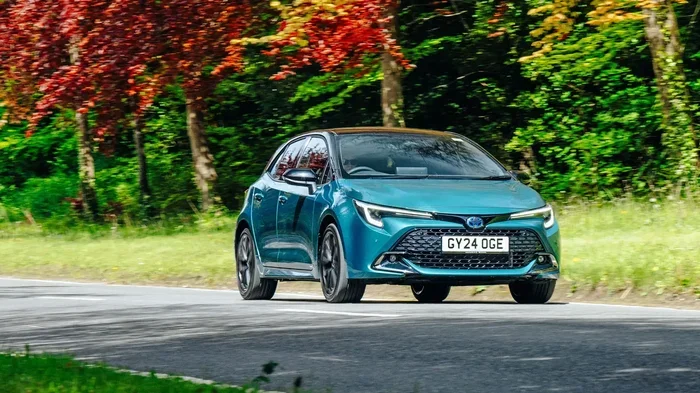
Are Toyota Hybrid CVTs Reliable for Everyday Driving
Toyota Hybrid CVTs are among the most reliable continuously variable transmissions on the market, with many owners logging over 200,000 miles without major issues. The eCVT system used in Toyota hybrids is designed differently from traditional CVTs, making it more durable and lower maintenance. Regular fluid changes and smart driving habits go a long way in ensuring your Toyota hybrid transmission lasts for years.
Have you been wondering whether Toyota Hybrid CVTs can handle the demands of daily driving? You are not alone. Plenty of car buyers want to know if the continuously variable transmission in their favorite Toyota hybrid will hold up over time. The short answer is yes, but there is a lot more to the story.
Toyota Hybrid CVTs have earned a strong reputation among mechanics, owners, and automotive experts alike. Unlike traditional automatic transmissions with gears, a CVT uses a belt and pulley system to provide seamless acceleration. Toyota took this concept and refined it specifically for hybrid vehicles, creating what is known as the eCVT. This system is simpler, more efficient, and remarkably durable compared to conventional CVTs found in other brands.
Many Toyota hybrid owners report driving well past 200,000 miles with their original transmission still going strong. That kind of longevity does not happen by accident. It is the result of smart engineering, quality materials, and a design that works hand in hand with the hybrid powertrain. If you are considering a Toyota hybrid or already own one, understanding how the CVT works and how to care for it will serve you well for years to come.
In this article, we will cover everything you need to know about Toyota Hybrid CVT reliability. We will break down how the system works, discuss common issues, share maintenance tips, and give you the honest verdict on whether a Toyota hybrid CVT is right for your everyday driving needs.
Key Takeaways
- Toyota Hybrid CVTs are highly reliable: The eCVT system in Toyota hybrids is engineered for longevity and has fewer moving parts than traditional transmissions.
- Regular maintenance matters: Staying on top of fluid changes and inspections can prevent most common CVT problems before they start.
- Toyota’s Hybrid Synergy Drive is proven technology: Millions of Toyota hybrid vehicles use this system worldwide with strong long-term track records.
- Most CVT issues are preventable: Common problems like shuddering and overheating often stem from neglected maintenance or extreme driving conditions.
- Toyota hybrids hold their value: The strong reputation for CVT reliability contributes to excellent resale values for Toyota hybrid models.
- Warranty coverage provides peace of mind: Toyota’s hybrid powertrain warranty covers transmission-related issues for an extended period.
📑 Table of Contents
- What Is a CVT Transmission in Toyota Hybrids?
- How Does the Toyota Hybrid CVT Work?
- Common CVT Issues in Toyota Hybrids
- Toyota Hybrid CVT Reliability: What the Data Says
- Tips to Keep Your Toyota Hybrid CVT Running Strong
- Real-World Toyota Hybrid CVT Ownership Experiences
- Final Verdict: Are Toyota Hybrid CVTs Reliable for Everyday Driving?
What Is a CVT Transmission in Toyota Hybrids?
A continuously variable transmission, or CVT, is a type of automatic transmission that does not use fixed gears. Instead, it uses two pulleys connected by a steel belt or chain. One pulley connects to the engine, and the other connects to the wheels. The pulleys change their width to adjust the gear ratio, which gives you smooth and uninterrupted acceleration.
In a Toyota hybrid, the CVT works a bit differently than in a non-hybrid vehicle. Toyota calls its system the eCVT, which stands for electronic continuously variable transmission. The eCVT is not a traditional CVT at all. It uses a planetary gear set combined with electric motors and the internal combustion engine. This setup is part of what makes Toyota Hybrid Synergy Drive so efficient and dependable.
How Is the eCVT Different from a Standard CVT?
The main difference comes down to complexity. A standard CVT relies heavily on a belt or chain, which can wear out over time. The eCVT in Toyota hybrids has far fewer moving parts that experience wear and tear. The electric motors handle much of the drivetrain work, reducing the load on the mechanical components. This means less stress, less heat, and fewer things that can go wrong.
Here is a quick comparison to help you understand the difference:
- Standard CVT: Uses a belt and pulley system. Common in non-hybrid vehicles from brands like Nissan and Subaru.
- Toyota eCVT: Uses a planetary gear set with electric motors. Found in Toyota and Lexus hybrid vehicles.
- Traditional Automatic: Uses a torque converter and fixed gear sets. Found in most conventional vehicles.
The eCVT design is one of the biggest reasons Toyota Hybrid CVTs have such a strong reliability record. There is simply less to break.
How Does the Toyota Hybrid CVT Work?
Understanding how the system works helps you appreciate why it is so reliable. The Toyota hybrid drivetrain combines a gasoline engine with one or more electric motors. The eCVT acts as the bridge between these power sources and the wheels. It seamlessly blends engine power and electric power to deliver smooth, efficient movement.
When you start your Toyota hybrid, the electric motor often handles the initial movement. This reduces wear on the transmission from the very first moment you drive. As you accelerate, the system intelligently shifts between electric-only power, engine power, or a combination of both. All of this happens without you feeling any gear shifts at all.
The Role of the Planetary Gear Set
The planetary gear set is the heart of the eCVT. It consists of a sun gear, ring gear, and planet gears that work together to control the output speed and torque. This setup allows the transmission to handle different driving conditions with ease. Whether you are cruising on the highway or crawling through city traffic, the eCVT adjusts to keep things running smoothly.
One of the best things about this design is that it naturally regenerates energy during braking. The electric motor acts as a generator, converting kinetic energy back into stored battery power. This process, which is closely tied to how does a hybrid recharge while driving, reduces the overall load on the transmission and extends its lifespan.
Why Does the eCVT Feel So Smooth?
Because there are no fixed gears, the eCVT never has to shift between gear ratios. Traditional automatics can cause a jerky feeling when they shift, especially under heavy load. The eCVT eliminates this entirely. The result is a driving experience that feels effortless and refined. This smoothness is not just a luxury feature. It is a byproduct of a transmission design that experiences less mechanical stress over time.
Common CVT Issues in Toyota Hybrids
No transmission is perfect, and it is important to be aware of potential issues. The good news is that Toyota hybrid CVTs experience far fewer problems than many other CVT designs on the market. However, being informed helps you catch and address issues early.
CVT Shudder or Vibration
Some Toyota hybrid owners report a slight shudder or vibration, especially during low-speed driving or when the transmission is under load. This is sometimes called a CVT shudder. In most cases, this is caused by worn or contaminated transmission fluid. A fluid change often resolves the issue completely.
Overheating
CVTs can be sensitive to heat, especially during towing or extended heavy-load driving. Toyota hybrids are not typically designed for heavy towing, so overheating is less common. However, if you live in a hot climate and frequently drive in stop-and-go traffic, the transmission may run warmer than normal. Keeping your fluid fresh and your cooling system in good shape helps prevent this.
Delayed Engagement
In rare cases, some owners notice a slight delay when shifting from Park to Drive. This is usually a sign of low transmission fluid or a failing transmission control module. It is not a widespread issue in Toyota hybrids, but it is worth knowing about.
Strange Noises
CVTs can sometimes produce whining or humming noises, especially during acceleration. In Toyota hybrids, these sounds are usually normal and related to the electric motors. However, if the noise becomes louder or changes in character, it is worth getting it checked by a qualified technician.
It is worth noting that most of these issues are far less common in Toyota hybrids than in vehicles with standard CVTs from other manufacturers. The hybrid drivetrain inherently reduces the strain on the transmission, which is a major advantage.
Toyota Hybrid CVT Reliability: What the Data Says
Numbers do not lie when it comes to transmission reliability. Toyota has consistently ranked at or near the top of reliability surveys for decades. Consumer Reports, J.D. Power, and various long-term owner studies all point to Toyota hybrids as some of the most dependable vehicles on the road.
Long-Term Owner Reports
Many Toyota hybrid owners report driving their vehicles for 200,000 to 300,000 miles with the original transmission still intact. The Prius, one of the most popular Toyota hybrid models, has a massive global owner base, and the feedback is overwhelmingly positive when it comes to transmission longevity.
Toyota hybrids also tend to have lower transmission repair costs compared to other vehicles with CVTs. The eCVT design is simpler, and the reduced mechanical wear means fewer trips to the repair shop. This translates to real savings over the life of the vehicle.
Warranty Coverage
Toyota backs up its confidence in the hybrid drivetrain with a strong warranty. The hybrid powertrain is typically covered for 10 years or 100,000 miles, whichever comes first. In some states, the warranty extends even further. This coverage gives owners peace of mind and protects against unexpected transmission repairs.
If you are curious about specific recalls or issues with certain model years, checking the are there any recalls on a 2015 Ford F150 type of resources can give you a sense of how recall databases work across different brands. Toyota has had very few transmission-related recalls compared to other manufacturers, which speaks volumes about the reliability of their hybrid systems.
How Toyota Hybrid CVTs Compare to Other Brands
To put things in perspective, here is a quick look at how Toyota hybrid CVTs stack up against CVTs from other brands:
- Toyota Hybrid eCVT: Planetary gear set with electric motors. Very low failure rate. Excellent long-term reliability.
- Nissan CVT: Belt and pulley system. Higher reported failure rates, especially in older models.
- Subaru CVT: Belt and pulley system. Some models have experienced premature wear and shudder issues.
- Honda CVT: Belt and pulley system. Generally reliable but has had some notable issues in certain models.
The eCVT design gives Toyota a clear advantage in the reliability department. The integration of electric motors reduces mechanical wear and distributes power more efficiently.
Tips to Keep Your Toyota Hybrid CVT Running Strong
Maintenance is the single most important factor in ensuring your Toyota hybrid CVT lasts for the long haul. Following a few simple habits can save you from costly repairs and keep your transmission running like new for hundreds of thousands of miles.
1. Stick to the Maintenance Schedule
Toyota provides a detailed maintenance schedule for every hybrid model. Following this schedule is the best thing you can do for your transmission. The schedule includes regular fluid checks, filter replacements, and inspections that catch potential issues before they become serious problems.
2. Use the Right Transmission Fluid
Not all transmission fluids are created equal. Toyota specifies a particular type of fluid for its hybrid CVTs. Using the wrong fluid can cause premature wear, overheating, and poor performance. Always check your owner’s manual or consult a Toyota dealership to make sure you are using the correct fluid.
3. Avoid Aggressive Driving
Hard acceleration and sudden braking put extra stress on any transmission, including the eCVT. While Toyota hybrids are built to handle normal driving with ease, consistently aggressive driving can shorten the lifespan of the transmission over time. Smooth, steady driving is the best approach for longevity.
4. Let the Car Warm Up Before Driving Hard
Cold transmission fluid is thicker and does not lubricate as effectively. Give your Toyota hybrid a minute or two to warm up before pushing it hard, especially in cold weather. This simple habit can make a big difference over the years.
5. Keep an Eye on Fluid Levels
Low transmission fluid is one of the most common causes of CVT problems. Check your fluid level regularly, especially as your vehicle ages. If you notice any changes in the fluid color or smell, have it inspected by a professional right away.
6. Address Warning Signs Immediately
Do not ignore warning lights, unusual noises, or changes in driving behavior. If your check engine light comes on or you notice a new vibration, get it checked sooner rather than later. Catching problems early is always cheaper and easier than dealing with major repairs down the road.
Quick Tip for Hybrid Owners
If you ever need to jump-start your Toyota hybrid, make sure you follow the proper procedures. Using jumper cables incorrectly can potentially damage the hybrid electrical system. If you want to learn more about safely jump-starting a hybrid vehicle, check out this guide on can jumper cables be used on a hybrid for helpful tips and safety precautions.
Real-World Toyota Hybrid CVT Ownership Experiences
Nothing tells the story of reliability better than real owner experiences. Across online forums, owner surveys, and long-term reviews, Toyota hybrid CVTs consistently receive high marks. Owners of the Toyota Prius, Camry Hybrid, RAV4 Hybrid, and Highlander Hybrid frequently praise the smoothness and durability of the eCVT system.
Many owners report going over 150,000 miles without any transmission-related repairs at all. Some have even surpassed 250,000 miles with their original transmission still functioning perfectly. These numbers are impressive by any standard and reflect the quality of Toyota’s hybrid transmission engineering.
One thing owners frequently mention is how the eCVT enhances the overall driving experience. The seamless acceleration and quiet operation make daily driving more enjoyable. Whether you are commuting to work or taking a road trip, the hybrid CVT keeps things comfortable and efficient.
Road Trip Reliability
If you are planning a long journey in your Toyota hybrid, you might wonder how the CVT holds up during extended highway driving. The good news is that Toyota hybrids are well-suited for road trips. The eCVT handles highway cruising with ease, and the electric motor assist reduces the load on the transmission during steady-state driving. For more insights on long-distance travel with a hybrid, check out this article on do hybrid cars do well on long trips for practical tips and considerations.
City Driving and Stop-and-Go Traffic
City driving is where hybrid vehicles truly shine, and the eCVT is no exception. The frequent stop-and-go nature of city traffic actually benefits the hybrid drivetrain. The electric motor handles low-speed movement, reducing wear on the transmission. The regenerative braking system also helps keep things running smoothly. Toyota hybrids are often recommended for urban drivers specifically because of how well the drivetrain handles city conditions.
If you are curious about the push-start button operation in Toyota hybrids and whether holding it serves any purpose, this guide on are you supposed to hold the push start button offers useful information for hybrid owners.
Final Verdict: Are Toyota Hybrid CVTs Reliable for Everyday Driving?
The answer is a resounding yes. Toyota Hybrid CVTs are among the most reliable transmissions available in any vehicle today. The eCVT design, combined with the hybrid powertrain, creates a drivetrain that is built to last. With proper maintenance and normal driving habits, your Toyota hybrid CVT can easily serve you for 200,000 miles or more.
The data backs this up. Owner reports, reliability surveys, and long-term reviews all point to the same conclusion. Toyota has invested decades of research and engineering into perfecting its hybrid transmission, and it shows. The eCVT is simpler, more efficient, and more durable than most traditional CVTs on the market.
If you are in the market for a reliable daily driver and are considering a Toyota hybrid, the CVT should not be a concern. It is one of the strongest aspects of the Toyota hybrid ownership experience. From the Prius to the RAV4 Hybrid to the Camry Hybrid, every Toyota hybrid model benefits from this proven and trustworthy transmission system.
Keep up with your maintenance schedule, drive with care, and your Toyota hybrid CVT will reward you with years of smooth, efficient, and worry-free driving. The reputation Toyota has built around hybrid reliability is well deserved, and the CVT is a big part of why that reputation endures.
Whether you are a first-time hybrid buyer or a longtime Toyota fan, you can feel confident knowing that the Toyota Hybrid CVT is designed to be the last transmission you will ever need.
Frequently Asked Questions
How long do Toyota Hybrid CVTs last?
Toyota Hybrid CVTs are known to last well beyond 200,000 miles with proper maintenance. Many owners report their original eCVT transmission still functioning at 250,000 miles or more. The hybrid drivetrain design reduces mechanical wear, which contributes significantly to this impressive longevity.
What is the difference between a regular CVT and a Toyota eCVT?
A regular CVT uses a belt and pulley system to change gear ratios, while a Toyota eCVT uses a planetary gear set combined with electric motors. The eCVT has fewer moving parts that experience wear, making it more durable and simpler than a traditional CVT. This design difference is the main reason Toyota hybrid CVTs are so reliable.
Do Toyota Hybrid CVTs need special maintenance?
Toyota Hybrid CVTs do require specific transmission fluid and adherence to the maintenance schedule outlined in your owner’s manual. Using the correct fluid and changing it at recommended intervals is the most important maintenance task. Beyond that, the eCVT is relatively low-maintenance compared to traditional automatic transmissions.
Are Toyota Hybrid CVTs expensive to repair?
Toyota Hybrid CVTs are generally less expensive to repair than many other CVT designs. The simpler eCVT structure means fewer components that can fail. When repairs are needed, they tend to be less frequent and often less costly than repairs on standard CVTs from other brands.
Can you tow with a Toyota Hybrid that has a CVT?
Most Toyota hybrids are not designed for heavy towing, and doing so can put extra strain on the eCVT. Light towing within the manufacturer’s recommended limits is generally fine. Always check your owner’s manual for the specific towing capacity of your Toyota hybrid model to avoid damaging the transmission.
Is CVT shudder a common problem in Toyota hybrids?
CVT shudder is much less common in Toyota hybrids than in vehicles with standard CVTs. When it does occur in a Toyota hybrid, it is usually caused by contaminated or low transmission fluid. A fluid change typically resolves the issue. Regular maintenance is the best prevention.